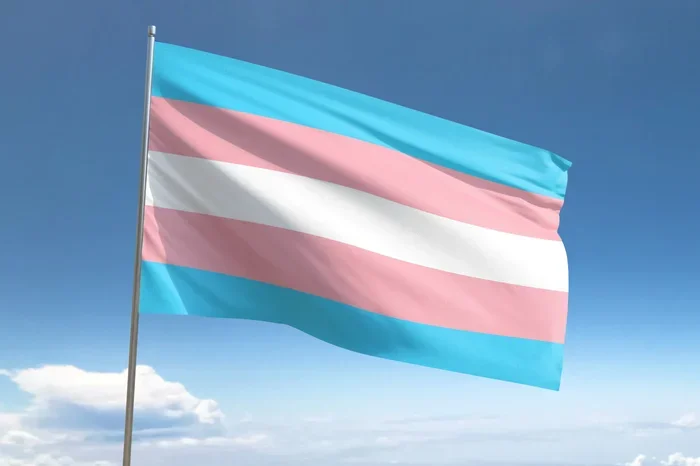
Understanding The Transgender Meaning In Simple Terms
What does transgender mean? Learn the transgender meaning in simple terms, explore gender identity, and find clear answers to common questions. Read now!
The transgender meaning is simple: it describes people whose gender identity differs from the sex they were assigned at birth.Gender identity is about how you feel inside, not what your body looks like. Understanding this topic helps build empathy, reduce confusion, and create a more inclusive world for everyone.
You have probably heard the word transgender before. Maybe you saw it on the news, online, or in a conversation. But what does it really mean? The transgender meaning is simpler than most people think. At its core, being transgender means your gender identity does not match the sex you were assigned at birth.
Learning about the transgender meaning is important for many reasons. It helps us understand our friends, family members, and neighbors better. It also helps us build a kinder world where everyone feels respected. This article breaks everything down in plain, easy-to-understand language. You will learn what gender identity means, how people express themselves, and how you can be a better ally.
Key Takeaways
Transgender meaning: It refers to people whose gender identity does not match the sex they were assigned at birth.
Gender identity is internal: It is about how you feel, not what your body looks like or what is on your ID.
The gender spectrum is wide: There are many identities beyond just male and female, including non-binary and genderfluid.
Transition looks different for everyone: Some people change their name, pronouns, or appearance, while others pursue medical steps.
Pronouns matter: Using correct pronouns shows respect and helps transgender people feel seen and valued.
Being an ally is simple: Listen, learn, use correct names and pronouns, and treat everyone with kindness.
The transgender meaning might sound complicated, but it really is not. Let us break it down piece by piece. The word “transgender” is an umbrella term. It covers a wide range of gender identities that do not fit the sex a person was assigned at birth.
When a baby is born, doctors usually say “it is a boy” or “it is a girl” based on the body. This is called the sex assigned at birth. For most people, this assignment matches how they feel inside. These people are often called cisgender. But for some people, there is a mismatch. Their inner sense of gender does not line up with what the doctor said.
That inner sense of gender is your gender identity. It is about how you feel on the inside, deep down. For a transgender person, their gender identity is different from the sex assigned at birth. The transgender meaning is simply about that experience.
Where Does the Word Come From?
The word “transgender” comes from the Latin prefix “trans,” which means “across” or “beyond.” So a transgender person crosses or goes beyond the gender they were assigned. The term has been used widely since the late 20th century. Today, it is a respected and widely accepted word in everyday language.
It is worth noting that the word has evolved over time. In the past, other terms were used. Some of those terms are now considered outdated or even hurtful. Using “transgender” or “trans” shows that you respect modern language and the people it describes.
Gender Identity vs. Biological Sex
One of the biggest sources of confusion is the difference between gender identity and biological sex. These are two different things, and understanding that is key to grasping the transgender meaning.
Biological sex refers to your body. It includes things like chromosomes, hormones, and reproductive organs. Most people are either male or female based on these physical traits. But even biological sex is not always black and white. Some people are born with variations that do not fit neatly into male or female. These people may be intersex.
Gender identity is different. It is about your internal sense of being male, female, both, or neither. You cannot see someone’s gender identity just by looking at them. It lives inside a person. For cisgender people, their gender identity matches their sex assigned at birth. For transgender people, it does not.
Why This Distinction Matters
Mixing up biological sex and gender identity causes a lot of confusion. When people understand that these are separate things, the transgender meaning becomes much clearer. A transgender woman, for example, was assigned male at birth. But her gender identity is female. That is the core of the transgender meaning: your inner identity does not match your assigned sex.
This distinction also helps us see why pronouns matter so much. Pronouns reflect a person’s gender identity, not their body. Using the right pronouns is a simple but powerful way to show respect.
The Gender Spectrum Explained
When we talk about the transgender meaning, it helps to understand the full picture. Gender is not just a two-option choice. It is a spectrum. Think of it like a rainbow. There are many colors, not just two.
The gender binary is the idea that there are only two genders: male and female. This is what many societies have taught for a long time. But the truth is that gender is much more diverse than that. The gender spectrum includes many different identities.
Identities on the Spectrum
Here are some common identities you might hear when learning about the transgender meaning:
Transgender women: People assigned male at birth who identify as female.
Transgender men: People assigned female at birth who identify as male.
Non-binary: People who do not identify strictly as male or female.
Genderfluid: People whose gender identity shifts over time.
Agender: People who do not identify with any gender.
Bigender: People who identify with two genders.
All of these identities fall under or relate to the transgender meaning. Some transgender people identify within the binary (as men or women), while others do not. The key point is that gender identity is personal and varied.
Gender Expression vs. Gender Identity
Another important distinction is between gender identity and gender expression. Gender identity is how you feel inside. Gender expression is how you show your gender to the world. This includes your clothing, hairstyle, mannerisms, and more.
Some transgender people express their gender in ways that match their identity. Others express it in ways that feel authentic to them, even if it does not fit expectations. Gender expression is personal and does not always follow a pattern. Understanding this helps us avoid making assumptions about people based on how they look.
How People Transition
When someone realizes their gender identity does not match their sex assigned at birth, they may choose to transition. Transitioning means taking steps to live as their true gender. The transgender meaning is closely tied to this journey. But it is important to know that not all transgender people transition in the same way.
Social Transition
A social transition is often the first step. It involves changes that do not require medical procedures. These can include:
Changing your name: Picking a name that matches your gender identity.
Using new pronouns: Switching to pronouns that reflect who you are.
Updating your wardrobe: Wearing clothes that feel right for you.
Changing your hairstyle: A haircut or style that aligns with your identity.
Telling people: Coming out to friends, family, and coworkers.
A social transition is deeply personal. Some people do all of these things at once. Others take it slowly over time. There is no wrong way to transition socially.
Medical Transition
Some transgender people also choose a medical transition. This can include hormone therapy and surgeries. Hormone therapy, also called hormone replacement therapy, helps align a person’s body with their gender identity. For example, transgender women may take estrogen, while transgender men may take testosterone.
Surgeries can include procedures like top surgery or bottom surgery. But not everyone chooses medical steps. The transgender meaning does not require any medical intervention. Being transgender is about your identity, not your body.
Legal Transition
A legal transition involves changing official documents. This can include updating your name on IDs, changing your gender marker on birth certificates, and updating passports. Legal recognition helps transgender people live more safely and comfortably in daily life.
Quick Tip: Not all transgender people pursue legal changes. Some cannot afford it, while others feel it is not necessary for their journey. Every person’s path is unique.
Common Terms You Should Know
Learning the vocabulary around the transgender meaning can help you feel more confident in conversations. Here are some key terms explained simply:
Term
Simple Definition
Cisgender
Someone whose gender identity matches the sex they were assigned at birth.
Gender dysphoria
Feelings of distress when your gender identity does not match your assigned sex.
Gender euphoria
Feelings of joy when your gender identity is recognized and affirmed.
Pronouns
Words we use to refer to people, like he, she, or they.
Coming out
The process of telling others about your gender identity or sexual orientation.
Deadnaming
Calling a transgender person by their old name instead of their chosen name.
Misgendering
Using the wrong pronouns or gender for someone.
Ally
A person who supports and stands up for the transgender community.
Sexual orientation
Who you are attracted to romantically or sexually. This is separate from gender identity.
Knowing these terms helps you understand the transgender meaning better. It also shows respect when you use them correctly in conversation. If you make a mistake, that is okay. Apologize briefly, correct yourself, and move on. No one expects perfection.
Why Pronouns Are So Important
Pronouns are a small word with a big impact. When you use someone’s correct pronouns, you are telling them that you see them for who they truly are. For transgender people, being called by the right pronouns can bring gender euphoria. Being called by the wrong pronouns can cause gender dysphoria.
Many people now share their pronouns in email signatures, social media bios, and introductions. This normalizes the practice and makes it easier for transgender people to share theirs too. It is a simple act that shows respect and care.
Expert Insight: “Using someone’s correct name and pronouns is one of the most basic ways to show respect,” says Dr. Alex, a psychologist who specializes in gender identity. “It costs nothing but means everything.”
Common Mistakes People Make
When people first learn about the transgender meaning, they sometimes make mistakes. That is completely normal. What matters is how you respond when you realize it. Here are some common pitfalls to avoid:
Assuming someone’s gender: Never assume a person is transgender or cisgender based on how they look. Gender is not always visible.
Asking invasive questions: Questions about someone’s body or medical history are private. Keep conversations respectful.
Using the term “transgendered”: The correct term is “transgender.” Adding “-ed” makes it sound like a condition, which it is not.
Confusing gender identity with sexual orientation: Being transgender is about who you are, not who you love. These are separate things.
Outing someone: Never share someone’s transgender status without their permission. It is their story to tell.
Avoiding these mistakes shows that you are thoughtful and respectful. Most transgender people appreciate the effort, even if you stumble sometimes. What counts is your willingness to learn and grow.
How To Be a Supportive Ally
Being an ally to the transgender community is easier than you might think. You do not need to be an expert on the transgender meaning to make a difference. Small actions add up to create a big impact.
Simple Ways To Support Transgender People
Listen more than you speak: Let transgender people share their own experiences. Do not center yourself in their stories.
Use correct names and pronouns: This is the single most important thing you can do.
Educate yourself: Read books, watch videos, and follow transgender voices online. Do not make others teach you.
Speak up against discrimination: If you hear transphobic comments or jokes, say something. Silence can feel like agreement.
Support transgender-led organizations: Donate money, volunteer your time, or amplify their work on social media.
Be patient: Everyone is on their own journey. Be kind and understanding, especially when someone is just starting to explore their identity.
Being an ally is not about being perfect. It is about being willing to learn, grow, and stand up for others. When you show up for the transgender community, you help make the world a safer and kinder place for everyone.
The Power of Visibility
Representation matters. When transgender people are visible in media, workplaces, and schools, it helps others understand the transgender meaning in a real and human way. Seeing someone who is open about their identity can give courage to others who are still figuring things out.
Visibility also helps fight stereotypes. When people meet transgender individuals who are doctors, teachers, parents, and friends, it breaks down harmful myths. Everyone benefits from a world where people are judged by their character, not their gender identity.
The History of Transgender Awareness
The transgender meaning has deep roots in history. Transgender people have existed in every culture and every era. Understanding this history helps us appreciate the struggles and triumphs of the community.
In the early 20th century, pioneers like Lili Elbe and Christine Jorgensen brought transgender identities into public awareness. They paved the way for future generations. In the 1960s and 1970s, activists like Marsha P. Johnson and Sylvia Rivera fought for trans rights during the Stonewall uprising.
Today, transgender awareness continues to grow. More countries are recognizing transgender rights. More people are sharing their stories. And more people are learning what the transgender meaning truly represents: the courage to live as your authentic self.
The journey is not over. Transgender people still face discrimination, violence, and misunderstanding in many parts of the world. But progress is being made every day, and each person who learns and grows helps move the world forward.
Conclusion
The transgender meaning comes down to one simple truth: a person’s gender identity may not match the sex they were assigned at birth. That is it. Behind that definition are real people with real lives, real feelings, and real stories. Understanding this opens your heart and mind to the rich diversity of human experience.
We have covered a lot of ground in this article. You now know what it means to be transgender, how gender identity differs from biological sex, and what the gender spectrum looks like. You understand the different ways people transition, from social changes to medical steps. You know key terms and common mistakes to avoid. And you have practical ways to be a supportive ally.
Remember that the transgender meaning is not just a dictionary definition. It is a lived experience for millions of people around the world. When you take the time to understand it, you make a real difference. You become part of a world where everyone can feel safe, seen, and valued for who they truly are.
Start today. Use correct pronouns. Listen to transgender voices. Challenge your own assumptions. Small steps lead to big changes. And every act of understanding brings us closer to a world where the transgender meaning is simply understood and fully respected.
Frequently Asked Questions
What is the simple meaning of transgender?
Transgender meaning in simple terms is: a person whose gender identity does not match the sex they were assigned at birth. For example, someone born with a male body who identifies as a woman is a transgender woman. It is about how you feel inside, not what your body looks like.
How is transgender different from cisgender?
Cisgender describes people whose gender identity matches the sex they were assigned at birth. Transgender describes people whose gender identity does not match. Both terms are valid and describe a person’s internal sense of gender. Neither is better or worse than the other.
Can someone be transgender and not transition medically?
Absolutely. The transgender meaning is about your identity, not your body or medical choices. Many transgender people never have surgeries or take hormones. Some change their name and pronouns only. Others make no changes at all. Being transgender is about who you are, not what steps you take.
Is being transgender a choice?
No, being transgender is not a choice. Gender identity is a deep, personal sense of who you are. Most transgender people describe knowing their identity from a very young age. No one would choose to face discrimination or hardship simply to be transgender. It is a natural part of human diversity.
What pronouns do transgender people use?
Pronouns vary from person to person. Transgender women typically use she/her pronouns. Transgender men typically use he/him pronouns. Non-binary people may use they/them pronouns or other pronouns. The best way to know is to ask respectfully or follow the person’s lead.
How can I support a transgender friend or family member?
The best way to support someone is to use their correct name and pronouns consistently. Listen without judgment. Educate yourself so you do not make them the teacher. Stand up against transphobia when you see it. And most importantly, treat them with the same love and respect you would show anyone else.