
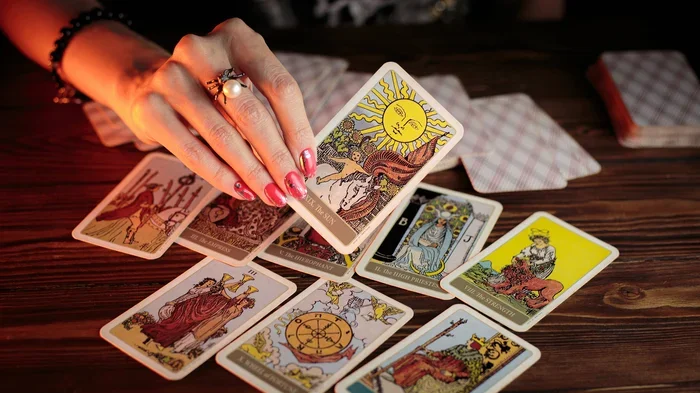

Tarot cards meaning goes far beyond fortune telling — it is a powerful tool for self-reflection, clarity, and personal growth. This guide breaks down every major and minor arcana card, explains how to read tarot spreads, and offers practical tips for beginners. Whether you are exploring love tarot reading or career insights, you will find everything you need to start your journey.
Key Takeaways
- Tarot cards meaning connects each card to universal themes like love, change, and personal growth.
- The 22 Major Arcana cards represent life’s big lessons and spiritual milestones.
- The 56 Minor Arcana cards reflect daily experiences across four suits.
- Tarot spreads like the Three Card Spread and Celtic Cross give structure to your readings.
- Reversed cards add depth and nuance to your tarot interpretation.
- Tarot journaling helps you track patterns and sharpen your intuition over time.
- Anyone can learn tarot — it is less about magic and more about connecting with your inner voice.
📑 Table of Contents
- Tarot Cards Meaning Your Complete Guide To Reading Cards
- What Are Tarot Cards and Where Do They Come From?
- How to Read Tarot Cards for Beginners
- Understanding Reversed Cards in Tarot
- Tarot Reading Tips to Build Your Skills
- Common Mistakes to Avoid When Reading Tarot
- How to Use Tarot for Self-Discovery and Growth
- The Science and Psychology Behind Tarot
- Key Takeaways
- Final Thoughts on Tarot Cards Meaning
Tarot Cards Meaning Your Complete Guide To Reading Cards
Have you ever picked up a tarot deck and felt completely lost? You are not alone. Tarot cards meaning can seem confusing at first, but once you understand the basics, it all starts to click. This guide is your friendly roadmap to the world of tarot reading. We will walk through every major concept, from the major arcana to daily tarot spreads. By the end, you will feel confident enough to do your own readings. Let us dive in.
People have used tarot cards for centuries for guidance, self-discovery, and spiritual growth. The tarot deck is not a crystal ball that predicts the future. Instead, it is a mirror that reflects your inner thoughts and feelings. When you learn tarot card meanings, you gain a tool for understanding yourself better. Whether you are a total beginner or someone who wants to deepen your practice, this guide has something for you. Let us explore tarot cards meaning together.
What Are Tarot Cards and Where Do They Come From?
A tarot deck has 78 cards split into two main groups. The first group is the Major Arcana. It has 22 cards that represent big life themes. The second group is the Minor Arcana. It has 56 cards that reflect everyday events. Each card carries its own tarot symbolism and energy.
The history of tarot goes back to the 15th century in Europe. Originally, tarot cards were used for games, not divination. Over time, people began using them for spiritual insight. Today, tarot reading is a popular practice worldwide. Many people use tarot cards online or physical decks for daily guidance. The beauty of tarot is that it meets you where you are.
The Major Arcana: Life’s Big Lessons
The major arcana cards are the heavy hitters of the tarot deck. They show up when something big is happening in your life. Cards like The Fool, The Tower, and The World represent major shifts and turning points. When these cards appear in a tarot reading, pay attention. They are trying to tell you something important.
Here are a few key major arcana cards and their core meanings:
- The Fool (0): New beginnings, adventure, and taking a leap of faith.
- The Magician (1): Creativity, resourcefulness, and manifestation.
- The High Priestess (2): Intuition, mystery, and inner wisdom.
- The Tower (16): Sudden change, upheaval, and breaking down old structures.
- The World (21): Completion, fulfillment, and wholeness.
These cards carry deep tarot symbolism that speaks to the human experience. When you see a major arcana card in a spread, it usually signals a significant moment or lesson.
The Minor Arcana: Your Daily Life
The minor arcana cards deal with the day-to-day ups and downs of life. They are divided into four suits, each with its own focus and energy. Understanding these suits helps you interpret tarot card meanings more accurately.
Here is a quick breakdown of the four suits:
- Cups: Emotions, relationships, and feelings. Think love, heartbreak, and connection.
- Pentacles: Money, career, and material things. Think finances, work, and abundance.
- Swords: Thoughts, conflicts, and communication. Think decisions, challenges, and truth.
- Wands: Passion, creativity, and action. Think energy, motivation, and adventure.
Each suit has numbered cards from Ace to Ten and four court cards: Page, Knight, Queen, and King. Together, these tarot cards list covers every aspect of human life. The minor arcana ground your readings in real, everyday experiences.
How to Read Tarot Cards for Beginners
Learning how to read tarot does not require magic or special powers. It is about building a connection with your deck and trusting your intuition. Start by choosing a deck that speaks to you. There are many tarot cards online and physical decks available. The Rider-Waite deck is the most popular choice for beginners because its artwork clearly shows tarot symbolism.
Here is a simple process to get started:
- Shuffle your deck while thinking about your question or intention.
- Draw your cards in a specific tarot spread.
- Look at each card and notice the imagery, colors, and symbols.
- Refer to a tarot cards meaning guide or your own intuition.
- Write down your thoughts and feelings in a tarot journal.
The more you practice, the more natural reading will feel. There is no wrong way to read tarot. Your personal connection to the cards matters most. Over time, you will start to see patterns and develop your own style of tarot interpretation.
Popular Tarot Spreads for Different Questions
Not all readings are the same. Different tarot spreads work better for different situations. A spread is simply the layout of cards you use in a reading. Here are some of the most popular ones to try.
The One-Card Draw: This is perfect for daily guidance. Just pull one card each morning and reflect on its tarot card meaning for your day. It is simple but powerful.
The Three Card Spread: This spread answers most common questions. You pull three cards for past, present, and future. It also works for body, mind, and spirit. This spread is ideal for love tarot reading and quick career tarot reading sessions.
The Celtic Cross: This is a more complex spread with ten cards. It gives a deep, detailed look at your situation. Use this spread when you need thorough tarot interpretation. It covers the present, challenges, past influences, and potential outcomes.
The Relationship Spread: This spread focuses on a partnership or connection. It explores both perspectives and the dynamics between two people. It is a favorite for those doing love tarot reading.
Start with simple spreads and work your way up. There is no rush. Every reading teaches you something new about tarot cards meaning.
Understanding Reversed Cards in Tarot
When a card appears upside down in a spread, it is called a reversed tarot card. Reversed cards are not scary or bad. They simply add another layer of meaning to your reading. Think of them as a nuance or a different angle on the card’s message.
Here are some common ways reversed cards show up in tarot reading:
- Blocked energy: The card’s positive qualities are not flowing freely right now.
- Internalized energy: The card’s energy is happening inside you rather than outwardly.
- Delay or resistance: Something is taking longer than expected or you are resisting change.
- Overextension: Too much of the card’s energy is present and needs balancing.
Some readers choose to ignore reversed cards entirely. That is totally fine. You get to set your own rules for tarot interpretation. The goal is to make readings meaningful and helpful to you. Trust what feels right.
Tarot Reading Tips to Build Your Skills
Getting better at tarot reading takes time and practice. Here are some tarot reading tips that will help you grow as a reader.
Start with a Single Deck
When you are first learning tarot cards meaning, stick with one deck. Switching between decks can confuse your connection with the cards. Pick one that has artwork and energy you love. Spend time just holding it, shuffling it, and getting to know it.
Trust Your Gut
Your intuition is one of the most powerful tools in tarot reading. When you look at a card, what do you feel first? Does the image remind you of something? Your initial reaction often holds the truest tarot interpretation. Do not second-guess yourself too much.
Keep a Tarot Journal
A tarot journal is a game-changer for any reader. Write down the cards you pulled, the question you asked, and your interpretation. Over weeks and months, you will notice patterns. This practice strengthens your intuitive tarot reading skills and deepens your understanding of tarot card meanings.
Study Card Combinations
Cards do not exist in isolation. In a spread, cards interact with each other. For example, The Sun paired with The Fool suggests a joyful new beginning. But The Sun paired with The Tower could mean a sudden positive change after a difficult time. Learning tarot card combinations takes your readings to the next level.
Read for Others and Yourself
Practice makes progress. Read for friends, family, or even yourself. Each reading gives you real-world experience with tarot cards meaning. You will learn what works and what does not. The more you read, the more confident you will become.
Common Mistakes to Avoid When Reading Tarot
Even experienced readers make mistakes. Here are some common pitfalls to watch out for in your tarot reading journey.
- Overthinking the cards: Sometimes the simplest meaning is the right one. Do not force complicated interpretations when a card means exactly what it says.
- Scaring yourself with reversed cards: Reversed cards are not curses. They are simply a different expression of the card’s energy.
- Ignoring your intuition: Guidebooks are helpful, but your gut feeling matters more. You are the best reader for your own deck.
- Reading when you are emotionally charged: Try to stay calm and centered before a reading. Strong emotions can cloud your tarot interpretation.
- Rushing the process: Tarot is not a speed game. Take your time with each card and let the meaning unfold naturally.
- Asking yes or no questions: Tarot works best with open-ended questions. Instead of “Will I get the job?”, ask “What do I need to know about this opportunity?”
Avoiding these mistakes will help you develop a clearer, more confident approach to tarot cards meaning. Remember, there is no perfect reader. Every reading is a learning experience.
How to Use Tarot for Self-Discovery and Growth
Beyond fortune telling, tarot cards are a powerful tool for personal growth. You can use them for self-reflection, goal setting, and emotional healing. Many people find that regular tarot practice helps them understand their patterns, fears, and desires more deeply.
Here are some ways to use tarot for self-discovery:
- Daily draw: Pull one card each morning to set your intention for the day.
- Monthly reflection: Do a full spread at the start of each month to review where you are and where you want to go.
- Shadow work: Use cards that scare or challenge you to explore hidden parts of yourself.
- Goal clarification: Spread cards around a goal to see what is helping and what is holding you back.
- Emotional check-ins: Draw cards when you feel stuck or overwhelmed to gain a new perspective.
The more you use tarot for self-reflection, the more meaningful your practice becomes. Tarot cards meaning is not fixed. It evolves with you. Each reading adds depth to your understanding of yourself and the world around you.
Many people also use tarot alongside other practices like meditation, tarot journaling, and mindfulness. These activities complement each other beautifully. Together, they create a powerful toolkit for personal development and inner peace.
The Science and Psychology Behind Tarot
You might wonder if there is any real basis for tarot cards meaning. While tarot is not a science in the traditional sense, there is real psychology behind why it works. The practice taps into concepts like the Barnum effect and projective psychology.
When you look at a tarot card, your brain naturally searches for meaning in the images. You project your own thoughts, feelings, and experiences onto the card. This is why different people can read the same card very differently. Both interpretations can be valid. The card acts as a mirror for your subconscious mind.
Research in psychology shows that tools like tarot can help people access their intuition and process emotions. They provide a structured way to explore feelings and situations that might otherwise feel overwhelming. So when you ask “what do tarot cards really mean?”, the answer is they mean what you need them to mean in that moment.
Key Takeaways
- Tarot cards meaning connects each card to universal themes like love, change, and personal growth.
- The 22 Major Arcana cards represent life’s big lessons and spiritual milestones.
- The 56 Minor Arcana cards reflect daily experiences across four suits.
- Tarot spreads like the Three Card Spread and Celtic Cross give structure to your readings.
- Reversed cards add depth and nuance to your tarot interpretation.
- Tarot journaling helps you track patterns and sharpen your intuition over time.
- Anyone can learn tarot — it is less about magic and more about connecting with your inner voice.
Final Thoughts on Tarot Cards Meaning
Learning tarot cards meaning is a journey, not a destination. There is always something new to discover. Every card you pull teaches you something about yourself and the world around you. The beauty of tarot reading is that it meets you exactly where you are.
Start simple. Trust your intuition. Practice regularly. Keep a tarot journal and track your progress. Over time, you will develop a rich, personal relationship with your deck. You will find that tarot cards are not just pieces of cardboard with pictures on them. They are gateways to deeper self-awareness and understanding.
Remember, there is no single “right” way to read tarot. Your interpretation is valid. Your connection to the cards is unique. Embrace that and let your practice grow naturally. Whether you are doing love tarot reading, exploring career tarot reading, or simply pulling a card for fun, the insights you gain are real and valuable.
So pick up your deck, shuffle the cards, and trust yourself. The world of tarot cards meaning is waiting for you. Happy reading!
Question: What do tarot cards actually mean?
Tarot cards meaning varies by card, but each one carries a specific theme or message. The cards use symbols and imagery to reflect your thoughts, feelings, and life situation. They do not predict a fixed future but instead offer guidance and insight into your current path.
Question: How do I start learning tarot as a complete beginner?
Start by choosing a deck that feels right to you, like the Rider-Waite deck. Learn the major arcana first, then move to the minor arcana. Practice with simple spreads like the Three Card Spread. Keep a tarot journal to track your readings and build confidence over time.
Question: Do reversed tarot cards have a different meaning?
Yes, reversed tarot cards often indicate blocked energy, internal feelings, or delays. They can also suggest that the card’s energy is too strong and needs balancing. However, some readers skip reversed cards entirely, and that is perfectly fine. You set the rules for your practice.
Question: Can tarot cards predict the future?
Tarot cards do not predict a fixed future. They show possible outcomes based on your current energy and choices. Think of them as a tool for self-reflection and guidance. The future is not set in stone, and you always have the power to change your path.
Question: How often should I read tarot cards?
There is no set rule for how often to read. Some people do a daily one-card draw for guidance. Others read weekly or monthly for deeper insights. The key is to read when you feel called to do so. Over-reading can lead to confusion, so trust your intuition about timing.
Question: Is tarot reading connected to any religion or spirituality?
Tarot reading is not tied to any specific religion. People from all spiritual backgrounds use tarot for guidance and self-discovery. Some use it alongside meditation or mindfulness practices. At its core, tarot is a tool for intuitive tarot reading and personal reflection, open to anyone regardless of beliefs.
Frequently Asked Questions
What is tarot cards meaning?
tarot cards meaning is an important topic with many practical applications.



