
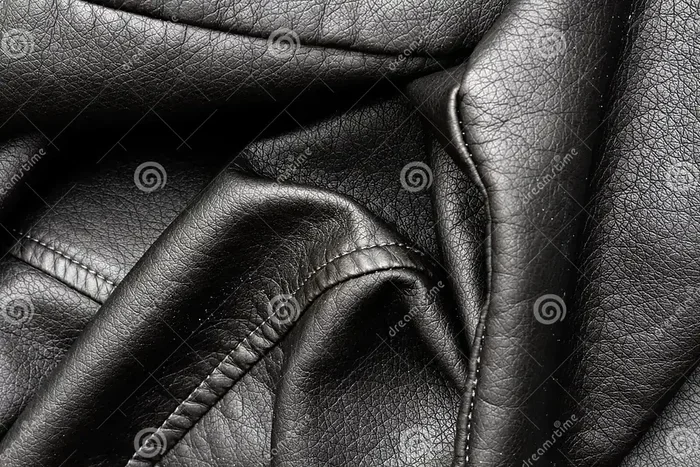

The PU leather meaning is simple: it stands for polyurethane leather, a popular synthetic material that mimics the look and feel of real leather. This PU leather meaning guide breaks down everything you need to know, from how it is made to whether it is a smart buy for you. You will learn about its benefits, drawbacks, common uses, and how it compares to genuine leather and other alternatives.
Key Takeaways
- PU leather meaning: It is a synthetic leather made from polyurethane, designed to look and feel like real leather.
- It is affordable: PU leather costs much less than genuine leather while offering a similar appearance.
- It is animal-friendly: No animal products are used, making it a popular choice for vegan and eco-conscious buyers.
- It has drawbacks: PU leather is less durable than genuine leather and may peel or crack over time.
- It is widely used: You will find PU leather in bags, shoes, furniture, jackets, and many other products.
- Care matters: Proper cleaning and storage can significantly extend the life of PU leather items.
- Sustainability is evolving: Newer versions of PU leather are being made with eco-friendly processes and materials.
📑 Table of Contents
What Is PU Leather, Exactly?
So, what does PU leather meaning actually stand for? PU leather meaning refers to polyurethane leather. It is a type of artificial leather that is made using a polyurethane coating applied to a fabric base. The result is a material that looks a lot like genuine leather but is entirely synthetic.
You might also hear people call it faux leather, vegan leather, or synthetic leather. These terms all point to the same family of materials, but PU leather is one of the most common types. It has a smooth surface, a slight shine, and a soft feel that many people love.
The PU leather meaning matters because more and more shoppers are choosing this material every day. It shows up in jackets, bags, shoes, furniture, and even car seats. Understanding what it is helps you make better buying decisions.
When you know the PU leather meaning, you can spot quality products and avoid cheap imitations. Not all synthetic leathers are created equal. Some are better than others. And knowing the basics puts you ahead of the game.
How Does PU Leather Differ from Other Synthetic Leathers?
There are several types of artificial leather on the market. Pleather is a common term for plastic-based leather alternatives. Microfiber leather uses very fine fibers to create a leather-like texture. And then there is bonded leather, which mixes real leather scraps with synthetic binders.
PU leather sits in a unique spot. It uses a polyurethane layer that gives it a realistic leather appearance. It feels softer than some other synthetic options. And it is more flexible, which makes it comfortable to wear and use.
The PU leather meaning is really about this specific combination of a fabric base and a polyurethane top layer. That combination gives it properties that other synthetic leathers do not always have.
How Is PU Leather Made?
Understanding how PU leather is made helps you appreciate the material more. The process starts with a base fabric. This is usually a woven or knitted textile like polyester or cotton. The fabric gives the material its structure and strength.
Next, a polyurethane coating is applied to the fabric. This coating is what gives PU leather its smooth, leather-like appearance. The coating can be textured to mimic the grain pattern of real animal hide. Manufacturers use heat and pressure to bond the coating to the fabric firmly.
After the coating is applied, the material goes through several finishing steps. These steps add color, texture, and sometimes a slight sheen. The final product is a flexible, durable sheet of material that looks and feels a lot like genuine leather.
What Is the Material Composition of PU Leather?
The material composition of PU leather is what makes it different from real leather. Genuine leather comes from animal hides. PU leather is made entirely from synthetic and fabric components. No animal products are involved in the process.
The polyurethane layer is the key ingredient. It is a type of polymer that is known for its flexibility and durability. The fabric base provides the backbone. Together, these two components create a material that is lightweight, soft, and easy to work with.
Some manufacturers also add other layers to improve performance. There might be a foam layer for cushioning. There could be a backing layer for extra strength. The exact material composition varies from one brand to another, which is why not all PU leather is the same quality.
PU Leather vs Genuine Leather: Key Differences
If you are shopping for leather goods, you have probably wondered how PU leather compares to the real thing. The PU leather meaning becomes much clearer when you put it side by side with genuine leather. Let us look at the main differences.
Appearance and Feel
At first glance, high-quality PU leather can be hard to tell apart from genuine leather. It has a smooth surface and a rich look. The feel is soft and supple. However, if you know what to look for, there are differences. Genuine leather has natural variations in texture. It has a subtle grain pattern that is never perfectly uniform.
PU leather, on the other hand, tends to have a more consistent surface. The grain pattern is uniform because it is artificially created. Some people prefer the consistency of PU leather. Others love the natural character of real leather. Both have their appeal.
Durability and Lifespan
Genuine leather is known for its longevity. A good leather bag or jacket can last for decades with proper care. PU leather does not last as long. Over time, the polyurethane coating can crack, peel, or wear away. This is one of the biggest drawbacks when you compare the two materials.
That said, PU leather has come a long way. Newer versions are more durable than older ones. With proper care, a PU leather product can last several years. It is not meant to last forever, but it can serve you well for a good amount of time.
Price Comparison
Price is one of the main reasons people choose PU leather over genuine leather. Real leather is expensive. A genuine leather jacket can cost several hundred dollars or more. A PU leather version of the same jacket might cost a fraction of that price.
This price difference makes PU leather very attractive to budget-conscious shoppers. You get the look of leather without the high cost. For many people, that trade-off makes perfect sense.
| Feature | PU Leather | Genuine Leather |
|---|---|---|
| Price | Affordable | Expensive |
| Durability | Moderate | High |
| Animal-Friendly | Yes | No |
| Water Resistance | Good | Moderate |
| Lifespan | 2-5 years | 10+ years |
| Maintenance | Easy | Requires regular care |
| Natural Look | Good | Excellent |
| Flexibility | High | High |
The Pros and Cons of PU Leather
Every material has its strengths and weaknesses. PU leather is no different. Let us break down the advantages and disadvantages so you can decide if it is right for you.
The Benefits of PU Leather
Affordability is the biggest advantage. PU leather costs much less than genuine leather. This makes it accessible to more people. You can enjoy the leather look without breaking the bank.
Animal-friendly is another major benefit. No animals are harmed in the production of PU leather. This makes it a popular choice for vegans and anyone who cares about animal welfare. It is also called a cruelty-free option in many circles.
Easy maintenance is a big plus. PU leather is relatively easy to clean. A damp cloth is usually all you need. You do not need special conditioners or treatments like you do with genuine leather.
Water resistance is another strength. The polyurethane coating repels water better than many types of genuine leather. This makes PU leather a good choice for bags and shoes that may get wet.
Lightweight is something many people appreciate. PU leather is lighter than real leather. This makes it comfortable to wear in jackets and bags. You do not feel weighed down.
The Drawbacks of PU Leather
Durability is the main concern. PU leather does not last as long as genuine leather. The coating can crack, peel, or scratch over time. If you are looking for a product that will last decades, PU leather may not be the best choice.
Breathability is lower with PU leather. Genuine leather allows air to pass through, which keeps you comfortable. PU leather is less breathable. This can be a problem in hot weather or with shoes that are worn for long periods.
Environmental impact is another consideration. Traditional PU leather is made from petroleum-based materials. The production process involves chemicals that are not always eco-friendly. However, newer versions are working to address this issue.
Resale value is much lower for PU leather products. Genuine leather holds its value and can even appreciate over time. PU leather items lose value quickly because they wear out faster.
Quick Tips for Choosing Quality PU Leather
Not all PU leather is the same. Here are some tips to help you pick a good product:
- Feel the material. High-quality PU leather should feel soft and smooth, not stiff or plasticky.
- Check the finish. A good PU leather product will have an even, consistent texture.
- Read the label. Look for details about the material composition and the brand’s reputation.
- Compare prices. If the price seems too good to be true, the quality might be poor.
- Look for a warranty. Reputable brands often offer guarantees on their PU leather products.
Common Uses of PU Leather in Everyday Life
The PU leather meaning comes to life when you see how it is used in the real world. This material is everywhere in modern life. From fashion to home decor, PU leather has found its way into many products we use every day.
Fashion and Accessories
PU leather jackets are one of the most popular uses. They look great and cost much less than real leather jackets. You will find PU leather in bags, wallets, belts, and gloves too. These accessories give you the leather look at a fraction of the price.
Shoes and boots made from PU leather are very common. They are lightweight, flexible, and stylish. Many popular sneaker and boot brands use PU leather in their designs. It is especially popular in fashion-forward footwear.
Furniture and Upholstery
PU leather sofas and chairs are a popular choice for budget-friendly home decor. They look sleek and modern. They are easy to clean, which makes them practical for families with kids or pets. The PU leather meaning in furniture is all about combining style with affordability.
Office chairs often use PU leather for the seat and backrest. It is comfortable and looks professional. The material is also used in headboards and other bedroom furniture pieces.
Automotive Interiors
Many car manufacturers use PU leather for seat upholstery. It gives the interior a premium look without the high cost of genuine leather. Car interiors made with PU leather are easy to maintain and come in a wide range of colors.
This use of PU leather has grown a lot in recent years. Even luxury car brands sometimes use synthetic leather in certain models. The PU leather meaning in the auto industry is all about balancing luxury with practicality.
Bags and Travel Gear
Backpacks, travel bags, and luggage often feature PU leather. It gives them a stylish look while keeping the weight down. PU leather bags are also more resistant to rain and spills than fabric bags.
This makes them great for travel. You do not have to worry about getting the material wet. And if it gets dirty, a quick wipe usually does the trick. The PU leather meaning in travel gear is really about durability and convenience.
Is PU Leather a Sustainable Choice?
The question of sustainability is important when we talk about any material. PU leather is often marketed as a more ethical alternative to genuine leather. But is it really better for the environment? The answer is more complex than you might think.
The Environmental Side of PU Leather
Traditional PU leather is made from petroleum-based products. The production process involves chemicals and energy-intensive manufacturing. This is not great for the environment. The material is also not biodegradable. When a PU leather product ends up in a landfill, it does not break down easily.
However, the PU leather meaning is evolving. Newer versions are being developed with more eco-friendly processes. Some brands are using water-based polyurethane instead of solvent-based options. This reduces harmful emissions during production.
There are also innovations in recycled PU leather. Some manufacturers are finding ways to reuse materials and reduce waste. These developments are promising for the future of sustainable synthetic leather.
How Does PU Leather Compare to Genuine Leather in Terms of Sustainability?
This is a tricky comparison. Genuine leather production involves animal farming, which has its own environmental impact. The tanning process uses chemicals that can pollute water and soil. So genuine leather is not exactly eco-friendly either.
PU leather avoids the animal farming aspect. But it relies on fossil fuels for its base materials. Neither option is perfect. The most sustainable choice depends on your values and priorities.
If animal welfare is your main concern, PU leather is the better choice. If you are focused on reducing fossil fuel use, neither material is ideal. The best approach is to buy less, choose quality, and take care of what you own.
Quick Tips for Eco-Friendly PU Leather Shopping
- Look for brands that use water-based polyurethane in their production.
- Choose products from companies that prioritize transparency in their supply chain.
- Buy quality over quantity. A longer-lasting PU leather product creates less waste.
- Consider second-hand PU leather items to extend their lifespan.
- Check if the brand has any environmental certifications or sustainability goals.
How to Care for PU Leather Products
Taking care of your PU leather items can help them last longer. Proper care is simple and does not take much time. A little effort goes a long way in keeping your products looking great.
Start with regular cleaning. Use a soft, damp cloth to wipe down PU leather surfaces. Avoid harsh chemicals or abrasive cleaners. These can damage the polyurethane coating and make the material look dull.
For tough stains, use a mild soap solution. Apply it gently with a soft cloth and wipe it off with a clean, damp cloth. Dry the surface with a soft towel. Do not let water sit on the material for too long.
Storage matters too. Keep PU leather items away from direct sunlight. UV rays can cause the material to fade and crack. Store them in a cool, dry place. Use a dust bag or cloth cover for bags and jackets.
Avoid using sharp objects on PU leather surfaces. Scratches can damage the coating and expose the fabric underneath. If a scratch does occur, you can sometimes buff it out with a soft cloth and a little warm water.
Is PU Leather Worth Buying?
The PU leather meaning ultimately comes down to personal preference and practical needs. If you want a leather look at an affordable price, PU leather is a great choice. It is animal-friendly, easy to maintain, and versatile.
However, if you want something that will last for decades, genuine leather might be a better investment. The key is to understand what you are getting and what you are not. PU leather is not a fake version of genuine leather trying to trick you. It is a legitimate material with its own set of strengths and limitations.
When you shop with knowledge, you make better decisions. Now that you know the PU leather meaning, you can confidently choose products that fit your style, budget, and values. Whether you go with PU leather or genuine leather, the best choice is the one that works for you.
The world of synthetic leather is constantly improving. New technologies are making PU leather more durable, more eco-friendly, and more realistic every year. As a consumer, staying informed helps you navigate this evolving market with confidence.
So the next time you see a sleek jacket, a stylish bag, or a comfortable sofa made from PU leather, you will know exactly what you are looking at. You will understand the PU leather meaning and why it has become such a popular material in modern life. And that knowledge will serve you well every time you make a purchase.
Frequently Asked Questions
Is PU leather the same as faux leather?
Yes, PU leather is a type of faux leather. The term faux leather is a broad category that includes any synthetic material designed to look like real leather. PU leather is one of the most common types within this group because of its realistic appearance and soft feel.
Can PU leather be recycled?
Traditional PU leather is difficult to recycle because it combines fabric and polyurethane. However, newer innovations are making recycling more feasible. Some brands are developing PU leather with easier-to-separate materials, which improves its recyclability and reduces waste.
Does PU leather smell like real leather?
PU leather does not have the natural smell of genuine leather. Instead, it may have a slightly chemical or plastic-like odor, especially when new. This smell usually fades over time. Some brands add scent-masking treatments to reduce this issue.
How long does PU leather last with regular use?
With regular use and proper care, PU leather products typically last between two and five years. The lifespan depends on the quality of the material, how often it is used, and how well it is maintained. Higher-quality PU leather tends to last longer.
Is PU leather waterproof?
PU leather is more water-resistant than genuine leather, but it is not completely waterproof. The polyurethane coating repels water to a good degree. However, prolonged exposure to water can eventually damage the material. It is best to avoid soaking PU leather products.
What is the difference between PU leather and PVC leather?
PVC leather uses polyvinyl chloride as the coating, while PU leather uses polyurethane. PU leather is generally softer, more flexible, and more breathable than PVC leather. PVC leather tends to be stiffer and less comfortable. PU leather is also considered a more modern and higher-quality synthetic leather option.



