
The OTT meaning is simple: it stands for over-the-top, referring to any video or audio content delivered directly through the internet without needing cable or satellite TV. OTT platforms like Netflix, Hulu, and Disney+ have completely changed how millions of people watch their favorite shows and movies. Understanding OTT meaning helps you navigate the modern streaming world with confidence and make smarter choices about what to watch and how to pay for it.
You have probably heard the term OTT thrown around a lot lately. Maybe a friend mentioned cutting the cord, or you saw an ad for a new OTT platform. But what does OTT actually mean? The OTT meaning is simpler than most people think. It stands for over-the-top, and it refers to any content delivered directly through the internet. No cable box. No satellite dish. Just pure streaming.
The way we watch TV and movies has changed dramatically in the last decade. Traditional cable TV is losing subscribers fast. Meanwhile, OTT streaming services are growing every single year. This shift affects everyone, from casual viewers to big media companies. Understanding the OTT definition gives you a real edge in today’s digital world.
In this guide, we will break down everything you need to know. We will cover how OTT content delivery works, which platforms lead the market, and why so many people are making the switch. By the end, you will have a clear picture of what OTT is and why it matters so much.
Key Takeaways
- OTT stands for over-the-top: It means content delivered straight through the internet, bypassing traditional cable or satellite providers entirely.
- OTT streaming has exploded in popularity: Millions of households have cut the cord and switched to OTT platforms for their entertainment needs.
- Multiple OTT business models exist: From subscriptions to ad-supported tiers, OTT providers use different ways to earn revenue and keep content flowing.
- OTT apps work on many devices: Smart TVs, phones, tablets, and streaming devices all support OTT content delivery with ease.
- The OTT market is growing fast: Industry experts expect OTT revenue to keep rising as more people choose streaming over traditional TV.
- Knowing OTT meaning helps you choose wisely: Understanding how OTT services work lets you pick the best platforms for your budget and viewing habits.
📑 Table of Contents
- What Does OTT Mean?
- How OTT Streaming Works
- Popular OTT Platforms and Services
- Why OTT Is Replacing Traditional TV
- OTT Business Models and Revenue
- What the Future Holds for OTT
- How to Choose the Right OTT Service for You
- Common Mistakes People Make With OTT Services
- Expert Insights on the OTT Revolution
- Key Takeaways
What Does OTT Mean?
The Full Form and Basic Definition
OTT stands for over-the-top. The name comes from the idea of content going over the top of traditional cable or satellite infrastructure. Instead of paying a TV provider for a bundle of channels, you access over-the-top content directly through the internet. That is the core OTT meaning in its simplest form.
Think of it like this. Traditional TV is like a fixed road with toll booths. You pay for access, and you get whatever channels are on that road. OTT streaming is like having your own car on the open highway. You choose where to go, what to watch, and when to watch it. The freedom is the whole point.
The OTT definition covers more than just video. It includes audio content too, like music streaming services. However, when most people talk about OTT, they are referring to video streaming services. That is where the real growth and excitement are happening.
How OTT Differs from Traditional TV
The difference between traditional TV and OTT services is huge. Traditional TV uses broadcast signals, cable lines, or satellite beams to reach your television. OTT bypasses all of that. It uses your home internet connection to deliver content straight to your screen.
Here are the key differences:
- Delivery method: Traditional TV uses cables or satellite signals. OTT uses the internet.
- Flexibility: Cable TV locks you into channel packages. OTT lets you pick exactly what you want.
- Device freedom: You can watch OTT content on phones, tablets, laptops, and smart TVs. Traditional TV ties you to a living room setup.
- Cost structure: Cable plans can cost over 100 dollars a month. Many OTT platforms cost between 5 and 20 dollars monthly.
- Ad experience: Traditional TV has heavy advertising. Some OTT services are ad-free, while others offer cheaper ad-supported options.
These differences explain why so many households are switching to OTT meaning and leaving traditional cable behind. The flexibility and savings are hard to ignore.
How OTT Streaming Works
The Technology Behind OTT Content Delivery
You do not need to be a tech expert to understand how OTT streaming works. At its core, OTT content delivery uses the internet to send video and audio files to your device. When you press play on Netflix or Hulu, your device receives small chunks of data. These chunks are assembled in real time to create smooth video.
Streaming technology has improved enormously over the years. Early internet video was choppy and low quality. Today, OTT providers can deliver 4K HD video with minimal buffering. This is thanks to better internet speeds and smarter content delivery networks, also known as CDNs.
A CDN is a network of servers spread across the world. When you hit play on an OTT app, the video comes from the server closest to you. This reduces lag and keeps your streaming smooth. It is one of the reasons OTT meaning has become so relevant in the tech world.
Devices and Platforms That Support OTT
One of the best things about OTT streaming is how accessible it is. You can watch OTT content on almost any device with an internet connection. Here are the most common ones:
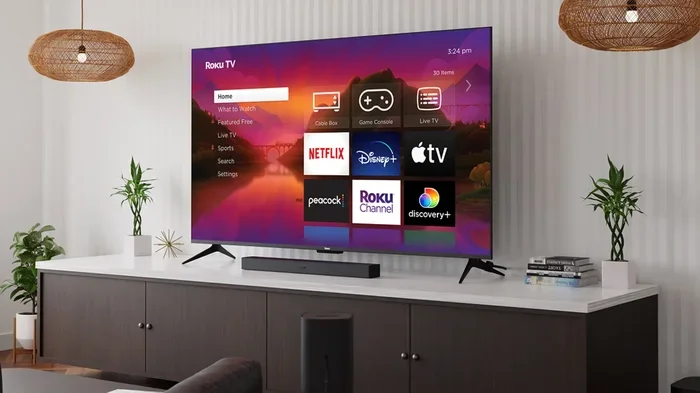
- Smart TVs: Most modern TVs come with built-in apps for popular OTT platforms like Netflix, Amazon Prime Video, and Disney+.
- Streaming devices: Roku, Amazon Fire Stick, Apple TV, and Chromecast all support OTT apps and make any regular TV smart.
- Smartphones and tablets: iOS and Android devices have dedicated OTT apps for on-the-go viewing.
- Gaming consoles: PlayStation and Xbox support major streaming services for easy access.
- Laptops and desktops: You can watch over-the-top content directly in your web browser without installing anything.
This wide device support is a big reason why OTT meaning matters so much. You are not tied to one screen or one room. You can watch wherever and whenever you want.
Popular OTT Platforms and Services
The Big Players in the OTT Market
The OTT market is packed with options. Some platforms focus on movies, others on original shows, and some offer a mix of everything. Here are the biggest names you should know:
- Netflix: The pioneer of OTT streaming. Netflix started as a DVD rental service and became the world’s leading streaming platform. It offers thousands of movies, shows, and critically acclaimed originals.
- Amazon Prime Video: Included with an Amazon Prime membership, this service offers a massive library of over-the-top content and award-winning originals.
- Disney+: Disney’s entry into the OTT space brought beloved franchises like Marvel, Star Wars, and Pixar to a single platform.
- Hulu: Known for next-day access to current TV shows, Hulu is a favorite for people who want to stay up to date with network TV.
- HBO Max (now Max): Home to premium content from HBO, Warner Bros, and DC, this platform offers high-quality streaming content.
- Apple TV+: Apple’s OTT service focuses on original shows and movies with big budgets and star-studded casts.
These platforms represent the cream of the crop, but the OTT market also includes many smaller, niche services. Whether you love documentaries, anime, or foreign films, there is an OTT app for you.
Free and Ad-Supported OTT Options
Not everyone wants to pay for streaming services. The good news is that free OTT platforms exist too. Services like Tubi, Pluto TV, and Crackle offer over-the-top content at no cost. They make money through advertising, which is a common OTT business model.
These free options are perfect for casual viewers or people who want to test the waters of OTT streaming without committing to a monthly subscription. Many of them have surprisingly good libraries of movies and shows.
Why OTT Is Replacing Traditional TV
The Rise of Cord Cutting
Cord cutting is one of the biggest trends of the past decade. It refers to people canceling their cable or satellite TV subscriptions and switching to OTT platforms instead. The reasons are clear and compelling.
First, OTT services cost a fraction of cable TV. The average cable bill in the US is over 100 dollars per month. A single OTT platform might cost 10 to 15 dollars. Even if you subscribe to three or four services, you still save money compared to cable.
Second, OTT streaming offers unmatched convenience. You watch what you want, when you want. No fixed schedules. No missing episodes. No waiting a full week for the next installment. The entire library is available at your fingertips.
Third, the quality of over-the-top content has skyrocketed. Many OTT platforms produce shows and movies that rival or even beat what traditional networks offer. Original series from Netflix and Amazon have won countless awards and critical praise.
How OTT Is Changing the Entertainment Industry
The impact of OTT meaning goes far beyond individual viewers. Entire industries are being reshaped by OTT streaming. Traditional studios are launching their own OTT apps to reach audiences directly. Networks that once relied on cable deals are now building their own streaming platforms.
This shift has also created new opportunities for independent creators. OTT platforms give filmmakers a way to reach global audiences without needing a studio deal. The barrier to entry is lower than ever, which means more diverse and creative content is available.
OTT advertising is another area transforming the industry. Brands are shifting ad budgets from traditional TV to digital OTT advertising because it offers better targeting and measurable results. This OTT revenue stream is helping platforms invest in even more original content.
OTT Business Models and Revenue
Subscription-Based OTT Services
The most common OTT business model is the subscription model. You pay a monthly or annual fee to access a library of content. This is how Netflix, Disney+, and Amazon Prime Video operate. The predictability of subscription video revenue makes it attractive for both platforms and content creators.
Subscription-based OTT platforms often offer multiple tiers. You might pay less for standard definition and more for 4K streaming with multiple screens. This tiered approach helps platforms capture a wider audience and maximize OTT revenue.
Ad-Supported and Hybrid Models
Not all OTT services rely on subscriptions alone. Many platforms now offer ad-supported tiers at lower prices. This is a smart way to attract price-sensitive viewers while still generating OTT advertising revenue. Netflix, for example, launched a cheaper ad-supported plan that has gained millions of subscribers.
Some platforms use a hybrid model. They offer a free tier with ads and a paid tier without ads. This approach lets OTT providers reach different audience segments and diversify their OTT revenue streams.
Transactional and Rental Models
Another OTT business model is pay-per-view or rental. Platforms like Apple iTunes and Google Play allow you to rent or buy individual movies and shows. You do not need a subscription. This model works well for new releases and special events that people want to watch on demand.
Transactional OTT content delivery gives viewers flexibility. You pay only for what you watch, which appeals to people who do not watch enough to justify a monthly subscription.
What the Future Holds for OTT
Growth Trends in the OTT Market
The future of OTT meaning looks bright. Industry analysts expect the OTT market to keep growing for years to come. More households are adopting streaming technology every year. Global internet access is expanding, which opens up new markets for OTT platforms.
Personalization is a major trend. OTT apps are using artificial intelligence to recommend content based on your viewing history. The more you watch, the better the suggestions become. This keeps users engaged and helps platforms deliver over-the-top content that people actually want to see.
Live OTT streaming is also gaining ground. Sports leagues and event broadcasters are launching their own OTT services to reach fans directly. This trend could reshape how we watch live events in the coming years.
Challenges Facing OTT Providers
Despite the growth, OTT providers face real challenges. Password sharing has become a big issue, with many platforms losing revenue because of it. Content licensing costs continue to rise, squeezing margins. And competition is fierce, with new streaming services launching all the time.
Regulation is another concern. Some governments are considering rules that could affect how OTT content delivery works. These regulations could impact everything from data privacy to content availability.
Still, the overall trajectory is clear. OTT streaming is not a fad. It is the future of how we consume entertainment. Understanding OTT meaning and staying informed about industry changes will help you make the best choices for your viewing habits.
How to Choose the Right OTT Service for You
With so many OTT platforms available, picking the right one can feel overwhelming. Here are some practical tips to help you decide:
- Check the content library: Make sure the platform has the shows and movies you actually want to watch. A big library means nothing if it lacks your favorites.
- Consider your budget: Add up the cost of all the services you are considering. Remember that you can always subscribe and cancel as needed.
- Look for free trials: Most OTT services offer free trial periods. Use them to test the platform before committing.
- Check device compatibility: Make sure the OTT app works on the devices you actually use. A smart TV app is useless if your TV does not support it.
- Evaluate the user experience: A clean, intuitive interface makes a big difference. Read reviews and watch demo videos before signing up.
- Think about ads: If you hate ads, choose a subscription tier without commercials. If you want to save money, an ad-supported tier might be the way to go.
Taking the time to compare options ensures you get the most value from your OTT streaming experience. The right platform can turn casual viewing into a truly enjoyable habit.
Quick Tips for Getting the Most Out of OTT Streaming
Here are some quick tips to enhance your OTT streaming experience:
- Use a wired internet connection when possible for the most stable streaming.
- Clear your OTT app cache regularly to prevent buffering issues.
- Download content for offline viewing when you know you will be without internet.
- Set up profiles for each family member to get personalized recommendations.
- Rotate your subscriptions monthly to access different libraries without paying for all of them year-round.
Common Mistakes People Make With OTT Services
Even savvy viewers sometimes make mistakes with OTT platforms. Here are a few to avoid:
- Subscribing to too many services at once: It is easy to sign up for several OTT apps and forget to cancel the ones you do not use. Keep your subscriptions lean.
- Ignoring free options: Many people overlook free OTT platforms like Tubi or Pluto TV. These can fill gaps in your viewing without costing a dime.
- Not checking for bundled deals: Some telecom companies and OTT providers offer bundled packages that save you money. Always check before subscribing.
- Streaming on slow internet: Trying to watch over-the-top content on a weak connection leads to frustration. Check your speed first.
- Sharing passwords carelessly: Many platforms are cracking down on password sharing. Be mindful of the rules to avoid losing access.
Avoiding these mistakes helps you get the most out of your OTT streaming experience without wasting money or time.
Expert Insights on the OTT Revolution
Industry experts agree that OTT meaning represents one of the most significant shifts in entertainment history. According to market research, global OTT revenue is projected to reach hundreds of billions of dollars in the coming years. This growth shows no signs of slowing down.
Experts also point out that OTT advertising is becoming increasingly sophisticated. Programmatic ads, interactive ads, and personalized ad experiences are transforming how brands reach viewers through OTT platforms. For advertisers, OTT content delivery offers precision targeting that traditional TV simply cannot match.
On the content side, creators are embracing OTT streaming as a distribution channel. The ability to reach a global audience instantly is incredibly powerful. Many filmmakers now consider OTT platforms their primary destination, bypassing traditional theatrical releases altogether.
What This Means for Everyday Viewers
For regular viewers, the OTT revolution means more choice, better quality, and lower costs. The days of being locked into expensive cable packages with hundreds of unwanted channels are fading. OTT meaning is ultimately about putting you in control of your entertainment experience.
As streaming technology continues to improve, we can expect even more innovation. Interactive shows, virtual reality experiences, and AI-powered content discovery are all on the horizon. The future of OTT streaming is exciting and full of possibility.
Key Takeaways
- OTT stands for over-the-top: It means content delivered directly through the internet, bypassing traditional cable or satellite TV entirely.
- OTT streaming has transformed entertainment: Millions of viewers have cut the cord and switched to OTT platforms for their daily viewing.
- Multiple OTT business models exist: From subscriptions to ad-supported tiers, OTT providers use diverse approaches to deliver over-the-top content and generate revenue.
- OTT apps work on virtually any device: Smart TVs, phones, tablets, and streaming devices all support OTT content delivery seamlessly.
- The OTT market continues to grow: Industry projections show OTT revenue and OTT advertising expanding rapidly as more households embrace streaming services.
- Understanding OTT meaning helps you choose wisely: Knowing how OTT platforms work lets you pick the best services for your budget and viewing preferences.
Final Thoughts on OTT Meaning
The OTT meaning is more than just a tech term. It represents a fundamental shift in how we consume entertainment. Over-the-top content has given viewers power and choice like never before. Whether you are a movie buff, a TV series addict, or someone who just wants to relax with a quick show, OTT streaming has something for you.
The landscape of OTT platforms will keep evolving. New services will launch. Existing ones will grow and improve. Streaming technology will become even more seamless. But the core promise of OTT meaning will remain the same: freedom to watch what you want, when you want, and how you want.
Take some time today to explore the OTT market. Try a free trial. Compare a few platforms. Find the ones that fit your life. Once you experience the convenience and variety of OTT content delivery, going back to traditional cable will feel like a distant memory.
Embrace the OTT revolution. Your entertainment experience will be better for it.
Frequently Asked Questions
What is the full form of OTT?
OTT stands for over-the-top. It refers to any media content delivered directly to viewers through the internet, bypassing traditional cable or satellite providers. The OTT definition covers video, audio, and other digital content delivered via streaming technology.
How is OTT different from regular TV?
Regular TV uses cable lines, satellite signals, or broadcast towers to deliver content. OTT delivers everything through the internet. This means you need only a stable internet connection and a compatible device to access over-the-top content from any OTT platform.
What are some popular OTT platforms?
The most popular OTT platforms include Netflix, Amazon Prime Video, Disney+, Hulu, Max, and Apple TV+. There are also free OTT services like Tubi and Pluto TV that offer over-the-top content supported by advertising.
Do I need a smart TV to use OTT services?
No, you do not need a smart TV. You can access OTT apps on many devices including streaming sticks, gaming consoles, laptops, and smartphones. A streaming device like Roku or Amazon Fire Stick can turn any regular TV into an OTT-ready screen.
Is OTT streaming expensive?
OTT streaming is generally much cheaper than cable TV. Most OTT platforms charge between 5 and 20 dollars per month. Many also offer free tiers with ads, making OTT content delivery accessible to virtually any budget.
What does the future look like for OTT?
The OTT market is expected to grow significantly in the coming years. Advances in streaming technology, OTT advertising, and content delivery networks will make OTT platforms even more immersive and personalized. OTT revenue and subscriber numbers will continue to rise globally.