
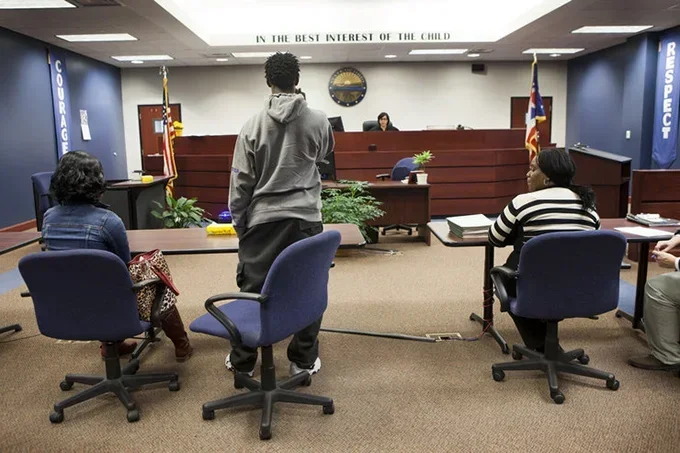

The misdemeanor meaning is straightforward: it refers to a less serious crime that carries lighter penalties than a felony. Understanding what a misdemeanor is helps you know your rights, avoid common mistakes, and handle legal situations with confidence. This guide breaks down everything you need to know in plain, simple language.
Have you ever heard someone say they got charged with a misdemeanor and wondered what that actually means? You are not alone. The misdemeanor meaning confuses a lot of people, especially when they first encounter it in everyday conversations or news stories. Let us break it all down in a way that makes complete sense.
At its core, a misdemeanor definition is a criminal offense that is less serious than a felony. Think of it as the middle ground of the criminal justice system. It sits above infractions like parking tickets but below major crimes like robbery or murder. When someone commits a minor crime, the legal system typically classifies it as a misdemeanor. This is a charge that you can resolve without spending years in prison, but it still carries real consequences that you should take seriously.
Understanding the misdemeanor meaning matters because it affects your daily life more than you might think. A misdemeanor conviction can show up on background checks, affect job opportunities, and even impact your housing options. Whether you are dealing with a misdemeanor charge yourself or just want to be informed, this guide covers everything you need to know. We will walk through the types, penalties, how the court process works, and what you can do to protect yourself.
Key Takeaways
- A misdemeanor is a minor criminal offense that is less serious than a felony and typically carries lighter penalties.
- Misdemeanor charges fall into different classes, such as Class A, B, or C, depending on the severity of the offense.
- Common examples include traffic violations, petty theft, and simple assault — things many people encounter in daily life.
- Penalties can include fines, short jail time, probation, or community service, but rarely exceed one year in county jail.
- A misdemeanor conviction can affect your criminal record, but expungement is often possible to clear your name.
- Hiring a misdemeanor lawyer early in the process can significantly improve your outcome and reduce stress.
- Knowing the difference between misdemeanor vs felony charges helps you understand the seriousness of your situation.
📑 Table of Contents
What Is the Misdemeanor Meaning?
The misdemeanor meaning is simpler than most people assume. A misdemeanor is a type of criminal offense that involves less severe conduct than a felony. Courts treat these offenses with lighter sentences and shorter jail terms. In most states, the maximum jail time for a misdemeanor charge is one year, served in a local county jail rather than a state prison.
When you look up the misdemeanor definition in legal dictionaries, you will see words like “lesser crime” or “petty offense.” These terms all point to the same idea. A petty offense does not carry the same weight as a serious felony. However, it is still a criminal charge that goes on your record. That is why even a seemingly small offense deserves your attention and respect.
Let us put this in everyday terms. Imagine you get caught shoplifting a small item from a store. The store value might be under a certain dollar threshold, so the prosecutor charges you with a petty theft misdemeanor instead of a felony. Or picture someone getting pulled over for driving with a suspended license. That is usually a misdemeanor traffic violation, not a felony. These are common situations where the misdemeanor meaning comes into play.
The key takeaway is this: a misdemeanor is a criminal offense, but it is a less serious one. The legal system gives it lighter treatment, but the consequences are still real and worth understanding.
How Courts Classify Misdemeanors
Not all misdemeanor charges are created equal. Courts organize them into categories or classes based on how serious the offense is. The exact names vary by state, but the general idea is the same everywhere.
Most states use a system like this:
- Class A or Level 1 Misdemeanor: This is the most serious type of misdemeanor. It can carry up to one year in jail and higher fines. Examples include DUI first offenses or assault causing minor injury.
- Class B or Level 2 Misdemeanor: This is a mid-level offense. Jail time usually ranges from 30 to 180 days. Common examples include trespassing or disorderly conduct.
- Class C or Level 3 Misdemeanor: This is the least serious category. Penalties often involve fines only or very short jail stays of a few days. Examples include minor traffic violations or littering.
Knowing which misdemeanor class applies to your situation helps you understand what penalties you might face. Always check your local laws, since each state has its own specific rules and definitions.
Misdemeanor vs Felony: How Do They Compare?
The comparison between misdemeanor vs felony is one of the most common questions people ask. Both are types of criminal offenses, but they differ greatly in severity, punishment, and long-term impact.
A felony is a serious crime. Think murder, armed robbery, or drug trafficking. Felonies carry heavy penalties, often including more than one year in state prison. A misdemeanor, on the other hand, involves less harmful conduct. The maximum jail time is usually one year, and many misdemeanor sentences involve only fines or probation.
Here is a quick comparison table to make the differences clear:
- Severity: Felonies are serious crimes; misdemeanors are minor crimes.
- Jail Time: Felonies can mean years or decades in prison; misdemeanors max out at one year in county jail.
- Prison Type: Felonies serve time in state or federal prison; misdemeanors serve time in local county jail.
- Fines: Felony fines can reach tens of thousands of dollars; misdemeanor fines are usually lower.
- Criminal Record: Both appear on your record, but felonies carry a much heavier stigma.
- Rights Impact: Felonies can result in losing the right to vote or own firearms; misdemeanors rarely have this effect.
The misdemeanor meaning becomes much clearer when you compare it directly to a felony. Both are criminal charges, but the severity and consequences are on completely different levels. Understanding this distinction helps you know exactly where you stand legally.
Why the Distinction Matters
The difference between a misdemeanor and a felony can change your entire life path. A felony conviction can make it hard to find a job, rent an apartment, or qualify for loans. A misdemeanor conviction also creates challenges, but they are generally less severe. Still, you should never ignore a misdemeanor charge just because it sounds minor. Taking it seriously from the start gives you the best chance of a positive outcome.
Common Types of Misdemeanor Charges
Many people do not realize how often misdemeanor charges come up in everyday life. These offenses cover a wide range of conduct, and you might be surprised by how common some of them are.
Here are some of the most frequent misdemeanor examples:
- Traffic Violations: Speeding, running a red light, or driving without a license often results in a misdemeanor traffic violation. Most people will deal with at least one of these in their lifetime.
- Petty Theft: Stealing items below a certain value, usually under $500 or $1,000 depending on the state, is classified as a petty theft misdemeanor.
- Simple Assault: Physical altercations that cause minor injuries or threaten harm without a weapon typically fall under simple assault misdemeanor charges.
- Disorderly Conduct: Public disturbances, loud noise complaints, or altercations in public spaces often lead to disorderly conduct misdemeanor charges.
- DUI or DWI: First-time drunk driving offenses are usually charged as a misdemeanor DUI, though repeat offenses can become felonies.
- Vandalism: Damaging property, such as graffiti or breaking a window, is commonly prosecuted as a misdemeanor vandalism charge when the damage is below a certain dollar amount.
- Trespassing: Entering someone’s property without permission is a common misdemeanor offense that many people encounter.
As you can see, misdemeanor charges are not rare or exotic. They are part of everyday life for millions of people. The misdemeanor meaning covers everything from a minor traffic ticket to a physical altercation. Each type carries different penalties, so it is important to know what you are dealing with.
What Makes a Misdemeanor More Serious?
Not all misdemeanor offenses are equal. Some factors can push a charge into a higher misdemeanor class or even escalate it to a felony. These factors include:
- The value of stolen property in theft cases
- Whether a weapon was involved in an assault
- The level of injury caused to the victim
- Repeat offenses or prior convictions
- Whether the offense occurred in a protected zone, like a school area
Understanding these aggravating factors helps you see why some misdemeanor charges carry harsher penalties than others. Context matters a lot in the criminal justice system.
What Happens After a Misdemeanor Charge?
Getting charged with a misdemeanor can feel overwhelming, especially if you have never dealt with the criminal justice system before. Knowing what to expect helps you stay calm and make smart decisions.
The court process for a misdemeanor charge usually follows these steps:
- Arrest or Citation: You are either taken into custody or given a citation to appear in court. For minor offenses, many people receive a citation and do not go to jail immediately.
- Arraignment: You appear before a judge, hear the charges, and enter a plea of guilty, not guilty, or no contest.
- Pre-Trial Proceedings: Your misdemeanor lawyer may negotiate with the prosecutor. This is where plea deals often happen. You might agree to plead guilty to a lesser charge in exchange for a lighter sentence.
- Trial: If no plea deal is reached, your case goes to trial. A judge (not a jury in most misdemeanor cases) hears the evidence and makes a decision.
- Sentencing: If found guilty, the judge determines your penalties based on the misdemeanor class and the circumstances of your case.
Many people wonder about misdemeanor bail. The good news is that bail for a misdemeanor charge is usually much lower than for a felony. In some cases, you might even be released on your own recognizance, meaning you promise to appear in court without paying anything upfront.
The Role of a Misdemeanor Lawyer
You do not need a lawyer for every misdemeanor charge, but having one can make a huge difference. A misdemeanor lawyer understands the local court system, knows how to negotiate with prosecutors, and can often get charges reduced or dismissed. Even a quick consultation can give you valuable insight into your options and help you avoid common pitfalls.
Think of a misdemeanor lawyer as your guide through a confusing process. They handle the legal paperwork, represent you in court, and fight for the best possible outcome. This is especially important if you are facing multiple misdemeanor charges or if the offense could affect your job or reputation.
Penalties and Consequences You Should Know
Every misdemeanor charge comes with potential penalties. Understanding these consequences helps you take the situation seriously without panicking.
The most common misdemeanor penalties include:
- Fines: These range from a few hundred dollars to several thousand, depending on the misdemeanor class and the state. A minor traffic violation might cost $50, while a more serious misdemeanor offense could result in a $2,000 fine.
- Jail Time: Most misdemeanor sentences involve no more than one year in county jail. Class C misdemeanors might mean just a few days, while Class A can mean up to the full year.
- Probation: Instead of or in addition to jail time, the court may place you on misdemeanor probation. This means you must follow specific rules, like meeting with a probation officer, staying out of trouble, and completing community service.
- Community Service: Courts often require offenders to perform a set number of hours helping their community. This is a common penalty for first-time offenders.
- Restitution: If you caused harm or damage to someone else, the court may order you to pay for repairs or medical bills as part of your misdemeanor penalties.
Beyond the immediate penalties, a misdemeanor conviction has longer-term effects. It stays on your criminal record and can show up during background checks. Employers, landlords, and licensing boards may see it. This is why even a minor crime deserves your full attention.
How Penalties Vary by State
The misdemeanor meaning is consistent across the country, but the penalties vary widely from state to state. Some states are more lenient with misdemeanor charges, while others impose stricter punishments. For example, a misdemeanor DUI in one state might result in a $500 fine and 48 hours of jail time, while the same offense in another state could mean a $2,000 fine and six months of probation. Always check your state’s specific laws to understand the full picture.
Can You Remove a Misdemeanor From Your Record?
One of the most common questions about the misdemeanor meaning is whether you can ever erase it from your record. The short answer is: in many cases, yes.
Expungement is the legal process of sealing or destroying your criminal record for a specific offense. When a misdemeanor charge is expunged, it is as if it never happened. Employers, landlords, and background check companies can no longer see it.
Not every misdemeanor offense qualifies for expungement. Eligibility depends on several factors:
- The type of misdemeanor and the state where it occurred
- Whether you completed your sentence successfully
- How much time has passed since the offense
- Whether you have any new charges or convictions
- Your overall criminal history
The expungement process involves filing a petition with the court, attending a hearing, and waiting for the judge’s decision. It can take several months, and you usually need a lawyer to navigate it smoothly. But for many people, getting a misdemeanor conviction expunged is a life-changing step toward a fresh start.
Why Expungement Matters
A criminal record can follow you for years, affecting your career, housing, and even your relationships. Expungement removes that burden and gives you a clean slate. Even if you are not eligible right now, waiting a period of time and staying out of trouble can make you eligible later. Understanding the misdemeanor meaning includes knowing your options for the future.
Key Takeaways
- A misdemeanor is a minor criminal offense that is less serious than a felony and typically carries lighter penalties.
- Misdemeanor charges fall into different classes, such as Class A, B, or C, depending on the severity of the offense.
- Common examples include traffic violations, petty theft, and simple assault — things many people encounter in daily life.
- Penalties can include fines, short jail time, probation, or community service, but rarely exceed one year in county jail.
- A misdemeanor conviction can affect your criminal record, but expungement is often possible to clear your name.
- Hiring a misdemeanor lawyer early in the process can significantly improve your outcome and reduce stress.
- Knowing the difference between misdemeanor vs felony charges helps you understand the seriousness of your situation.
Conclusion
The misdemeanor meaning is much clearer once you break it down. A misdemeanor is a less serious criminal offense that carries lighter penalties than a felony. It covers everything from a speeding ticket to a simple assault charge. While it is not as severe as a felony, a misdemeanor charge still has real consequences that can affect your life for years.
Understanding the misdemeanor definition empowers you to make informed decisions. Whether you are facing a misdemeanor charge yourself or just want to be knowledgeable about the law, knowing the basics puts you ahead. Remember that misdemeanor penalties vary by state, that expungement is often possible, and that hiring a misdemeanor lawyer early can change everything.
Do not let a misdemeanor charge define your future. Take it seriously, learn your rights, and explore every option available to you. The more you know about the misdemeanor meaning, the better equipped you are to handle whatever comes your way.
Frequently Asked Questions
What is the difference between a misdemeanor and a felony?
A misdemeanor is a less serious criminal offense with lighter penalties, usually up to one year in county jail. A felony is a serious crime that carries heavier penalties, often more than one year in state prison. The misdemeanor meaning centers on this distinction of severity and punishment.
Can a misdemeanor go on your record?
Yes, a misdemeanor conviction goes on your criminal record. It can show up during background checks for jobs, apartments, and licenses. However, many states allow you to petition for expungement to seal or remove the record after a certain period.
What are some common examples of misdemeanor charges?
Common misdemeanor examples include traffic violations like speeding, petty theft under a certain dollar amount, simple assault, disorderly conduct, first-time DUI, and trespassing. These are all minor crimes that fall under the misdemeanor meaning rather than the more serious felony category.
Do you need a lawyer for a misdemeanor charge?
You are not legally required to have a lawyer for a misdemeanor charge, but having one is highly recommended. A misdemeanor lawyer can negotiate plea deals, challenge evidence, and help you get charges reduced or dismissed. This can save you money, time, and stress in the long run.
Can a misdemeanor be expunged from your record?
In many cases, yes. The expungement process allows you to seal or destroy your criminal record for a specific offense. Eligibility depends on your state, the type of misdemeanor, and your criminal history. Completing your sentence successfully and waiting a required period of time are usually necessary steps.
What is the maximum jail time for a misdemeanor?
The maximum jail time for most misdemeanor charges is one year, served in a local county jail rather than a state prison. The actual sentence depends on the misdemeanor class, the specific offense, and the judge’s discretion. Class C misdemeanors may carry only a few days, while Class A can mean the full year.



