
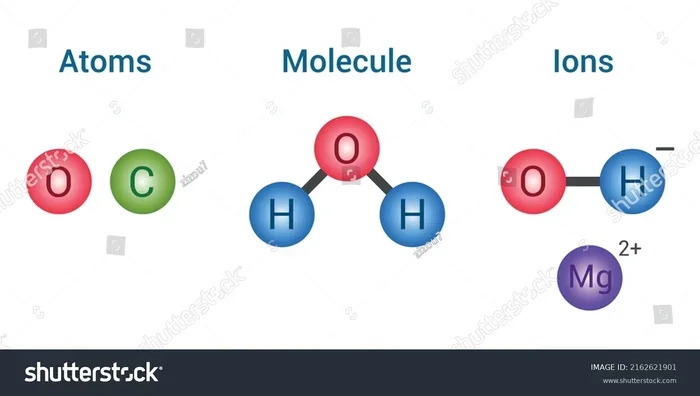

The ion meaning is simple: it refers to an atom or molecule that has gained or lost electrons, giving it a positive or negative charge. Understanding this concept is the foundation of chemistry and explains how salts, electrolytes, and chemical reactions work in daily life. This guide breaks down ion formation, types, bonding, and practical uses in a clear and friendly way.
Have you ever wondered what happens when table salt dissolves in water? Or how a battery powers your phone? The answer lies in something tiny and invisible: ions. Understanding ion meaning is one of the most important steps in learning chemistry. It opens the door to how substances interact, react, and power our world.
In this guide, we will break down the ion definition in simple terms. You will learn how charged particles form, the difference between positive and negative ions, and why this topic matters far beyond the classroom. Whether you are a student, a curious learner, or just someone who wants to understand the world better, this article has you covered.
We will use real examples, clear explanations, and practical tips to make ion meaning easy to grasp. No fancy jargon. No confusing diagrams. Just straightforward chemistry that makes sense.
Key Takeaways
- What an ion is: An atom that has gained or lost electrons, resulting in a net positive or negative charge.
- Two main types: Cations carry a positive charge, while anions carry a negative charge.
- How they form: Ion formation happens through electron transfer, often driven by the desire to fill the outermost electron shell.
- Ionic bonds matter: Oppositely charged ions attract each other and form ionic compounds like table salt.
- Real-world relevance: Ions play a huge role in batteries, medicine, water treatment, and even how our nerves send signals.
- Common mistakes: Confusing ions with isotopes or thinking all charged particles are ions are errors to avoid.
- Learning tip: Start with atomic structure and electron configuration to build a strong understanding of ion behavior.
📑 Table of Contents
- What Does Ion Meaning Actually Mean?
- How Ions Form: The Science Behind Charged Particles
- Types of Ions: Cations and Anions Explained
- How Ions Create Ionic Bonds and Compounds
- Ion Meaning in Everyday Life and Industry
- Common Mistakes People Make About Ions
- Expert Insights: Why Ion Meaning Matters for Learning Chemistry
- Conclusion
What Does Ion Meaning Actually Mean?
Let us start with the basics. The ion meaning in chemistry is quite straightforward. An ion is an atom or molecule that has an unequal number of protons and electrons. When this happens, the particle carries a net electrical charge.
Atoms are made of three types of particles: protons, neutrons, and electrons. Protons carry a positive charge. Electrons carry a negative charge. Neutrons have no charge at all. In a neutral atom, the number of protons equals the number of electrons. So the charges balance out. But when an atom gains or loses electrons, that balance breaks. And that is exactly what creates an ion.
The Simple Definition of an Ion
Here is the ion definition in plain language:
- An ion is an atom or group of atoms that has become electrically charged.
- This happens because it has lost or gained one or more electrons.
- The resulting charge can be positive or negative.
That is it. The ion meaning is not complicated once you see it this way. The whole idea comes down to a simple imbalance between protons and electrons.
Why Do Ions Matter?
You might be thinking, “Why should I care about charged particles?” The truth is, ions are everywhere. They are in the salt you sprinkle on food. They are in the water you drink. They are in your own body, helping your muscles move and your brain think. Without ions, life as we know it would not exist.
Understanding ion meaning also helps you make sense of many everyday phenomena. For example, why does lightning strike? Why do certain minerals dissolve in water? Why do batteries produce electricity? All of these involve charged particles and the way they interact.
How Ions Form: The Science Behind Charged Particles
Now that you know the ion definition, let us look at how ions actually form. The process is called ionization or ion formation. It happens when an atom gains or loses electrons.
Atoms are most stable when their outermost electron shell is full. This is known as the octet rule. Many atoms will gain, lose, or share electrons to achieve this stable state. When an atom loses or gains electrons to become stable, it becomes an ion.
Losing Electrons Creates Positive Ions
When an atom loses one or more electrons, it ends up with more protons than electrons. Since protons are positive and electrons are negative, the atom becomes positively charged. These positive ions are called cations.
Think of it this way. Imagine you have ten marbles and ten stickers. The marbles represent protons, and the stickers represent electrons. If you lose three stickers, you now have ten marbles and seven stickers. The marbles outnumber the stickers, so you have a net positive result. That is essentially what happens during ion formation.
Metals like sodium, potassium, and calcium are great at losing electrons. This is why they form cations so easily. Sodium, for example, loses one electron and becomes Na+. That small plus sign tells us it has a positive charge.
Gaining Electrons Creates Negative Ions
On the other side, when an atom gains electrons, it ends up with more electrons than protons. This creates a negative charge. These negative ions are called anions.
Nonmetals like chlorine, oxygen, and fluorine tend to gain electrons. Chlorine, for instance, gains one electron and becomes Cl-. That minus sign shows it has a negative charge.
The ion formation process is driven by the atom’s desire to reach a full outer shell. It is like a puzzle piece snapping into place. Once the shell is full, the atom feels stable and satisfied.
What Role Do Valence Electrons Play?
Valence electrons are the electrons in the outermost shell of an atom. They are the ones involved in ion formation. The number of valence electrons determines how likely an atom is to become an ion and whether it will become positive or negative.
- Atoms with one or two valence electrons tend to lose them and become cations.
- Atoms with six or seven valence electrons tend to gain electrons and become anions.
- Atoms with four valence electrons are more likely to share electrons rather than form ions.
Understanding valence electrons is a key piece of the puzzle when learning about ion meaning. It helps you predict which elements will form ions and what charge those ions will carry.
Types of Ions: Cations and Anions Explained
The world of charged particles is divided into two main groups: cations and anions. Knowing the difference between them is essential for understanding ion meaning and how chemical reactions work.
What Is a Cation?
A cation is a positively charged ion. It forms when an atom loses one or more electrons. Because it has fewer electrons than protons, the overall charge becomes positive.
Common examples of cations include:
- Sodium ion (Na+) — found in table salt and many foods
- Potassium ion (K+) — vital for nerve function in your body
- Calcium ion (Ca2+) — important for strong bones and teeth
- Iron ion (Fe3+) — carries oxygen in your blood
- Ammonium ion (NH4+) — used in fertilizers and cleaning products
Most metals form cations. The periodic table is a great tool for predicting which elements will become positive ions. Elements on the left side of the table, especially in groups one and two, tend to lose electrons easily.
What Is an Anion?
An anion is a negatively charged ion. It forms when an atom gains one or more electrons. Because it has more electrons than protons, the overall charge becomes negative.
Common examples of anions include:
- Chloride ion (Cl-) — the partner of sodium in table salt
- Oxide ion (O2-) — found in many minerals and metal oxides
- Fluoride ion (F-) — added to toothpaste for dental health
- Sulfate ion (SO4 2-) — found in gypsum and many minerals
- Nitrate ion (NO3-) — present in fertilizers and explosives
Most nonmetals form anions. Elements on the right side of the periodic table, especially in groups six and seven, tend to gain electrons easily.
A Quick Comparison Table
| Feature | Cation | Anion |
|---|---|---|
| Charge | Positive | Negative |
| Electron Change | Loses electrons | Gains electrons |
| Typical Elements | Metals | Nonmetals |
| Example | Na+, Ca2+, K+ | Cl-, O2-, F- |
| Periodic Table Side | Left side | Right side |
This table gives you a quick snapshot of the main differences. Keep it handy as you explore ion meaning further.
How Ions Create Ionic Bonds and Compounds
One of the most exciting parts of learning about ion meaning is understanding how ions bond together. When a positively charged ion meets a negatively charged ion, they attract each other. This attraction is the basis of the ionic bond.
Think of it like magnets. Opposite charges pull toward each other. Positive cations and negative anions stick together and form ionic compounds. These compounds have unique properties that make them useful in many areas of life.
What Is an Ionic Bond?
An ionic bond is a strong electrostatic force of attraction between oppositely charged ions. It forms when one atom transfers electrons to another atom. The atom that loses electrons becomes a cation, and the atom that gains electrons becomes an anion.
Table salt is the most famous example of an ionic compound. It is made of sodium cations (Na+) and chloride anions (Cl-). The sodium atom gives one electron to the chlorine atom. Both ions then attract each other, forming a crystal lattice of salt.
Properties of Ionic Compounds
Ionic compounds have some distinctive properties that set them apart from other substances:
- High melting points: The strong attraction between ions requires a lot of energy to break apart.
- Brittle solid structure: Ionic crystals tend to shatter when hit with force.
- Conductivity when dissolved: When ionic compounds dissolve in water, they produce a solution that can conduct electricity.
- Solubility in water: Many ionic compounds dissolve well in water because water molecules can pull the ions apart.
These properties are directly tied to ion meaning and the behavior of charged particles. When you understand why ions attract each other, you can predict how a substance will behave in different situations.
The Role of Electron Transfer
Electron transfer is the engine behind every ionic bond. Without it, no ions would form, and no ionic compounds would exist. This process is driven by the octet rule, which we mentioned earlier. Atoms want full outer shells, and electron transfer is one of the ways they achieve that goal.
Here is a simple example of how electron transfer works:
- Sodium has one valence electron. It wants to lose it to reach a full outer shell.
- Chlorine has seven valence electrons. It wants to gain one to fill its outer shell.
- Sodium transfers its one electron to chlorine.
- Sodium becomes Na+, a cation with a positive charge.
- Chlorine becomes Cl-, an anion with a negative charge.
- The two ions attract each other and form sodium chloride (table salt).
This step-by-step process shows how electron transfer creates charged particles and leads to the formation of stable ionic compounds.
Ion Meaning in Everyday Life and Industry
You might think ions are just a topic for textbooks, but they are deeply woven into everyday life. From the food you eat to the technology you use, ion meaning has a direct impact on your daily routine.
Ions in Your Body
Your body relies heavily on charged particles to function properly. Here are some ways ions keep you alive:
- Sodium (Na+) and potassium (K+) help transmit nerve signals throughout your body.
- Calcium (Ca2+) is essential for muscle contraction and strong bones.
- Chloride (Cl-) helps maintain the balance of fluids in your cells.
- Iron (Fe2+/Fe3+) carries oxygen in your red blood cells.
- Hydrogen ions (H+) determine the acidity of your stomach acid.
Without these ions, your nerves would not fire, your muscles would not contract, and your cells would not function. The ion definition goes far beyond chemistry class. It is a biological necessity.
Ions in Batteries and Technology
Every lithium-ion battery in your phone, laptop, and electric car works because of ion meaning. Lithium ions move between the positive and negative electrodes during charging and discharging. This movement of charged particles generates the electrical current that powers your devices.
Other technologies that depend on ions include:
- Electroplating: Using ions to coat objects with a thin layer of metal.
- Water purification: Removing harmful ions from drinking water.
- LED screens: Using ions to produce light in display panels.
- Fuel cells: Converting chemical energy into electricity through ion movement.
Ions in Medicine and Health
Medicine makes extensive use of charged particles in diagnosis and treatment. For example:
- Electrolyte solutions are given to patients with dehydration to restore the balance of ions in their body.
- Iodine ions are used in contrast agents for medical imaging.
- Silver ions have antibacterial properties and are used in wound dressings.
- Calcium and phosphate ions are monitored to assess bone health.
These examples show that ion meaning is not just academic. It has real, life-saving applications in hospitals and clinics around the world.
Ions in the Environment
Ions also play a crucial role in the natural world. Salt water contains millions of dissolved ions, primarily sodium and chloride. Ocean currents, the salinity of the sea, and even the conductivity of water all depend on the presence of charged particles.
In soil, mineral ions like potassium, magnesium, and nitrate are absorbed by plant roots. Plants need these ions to grow, and animals need plants to survive. It is a chain of dependence that starts with ion formation in rocks and minerals.
Common Mistakes People Make About Ions
Learning about ion meaning can be tricky, and many students make common errors along the way. Being aware of these mistakes can save you a lot of confusion.
Mistake 1: Confusing Ions with Isotopes
One of the biggest mix-ups is confusing ions with isotopes. An ion has a different number of electrons than protons. An isotope has a different number of neutrons than protons. They are completely different concepts. Remember: ions are about electron gain or loss, while isotopes are about neutron count.
Mistake 2: Forgetting the Charge on Polyatomic Ions
Some ions are made of more than one atom. These are called polyatomic ions. Examples include sulfate (SO4 2-) and ammonium (NH4+). A common mistake is forgetting the overall charge of the entire group. Always count the total charge of all atoms in the ion before writing it down.
Mistake 3: Thinking All Charged Particles Are Ions
While charged particles often refers to ions, it can also include subatomic particles like protons and electrons on their own. In chemistry, when we talk about ions, we mean atoms or molecules that have gained or lost electrons. Keep this distinction clear.
Mistake 4: Ignoring the Octet Rule
Many learners skip the octet rule when studying ion formation. This rule explains why atoms form ions in the first place. Without understanding the octet rule, it is hard to predict which elements will form ions and what charges they will carry.
Quick Tips to Avoid These Mistakes
- Always draw a quick sketch of the electron shell when working on ion problems.
- Use the periodic table to identify how many valence electrons an atom has.
- Practice writing ion symbols until it becomes second nature.
- Review the octet rule regularly to reinforce your understanding.
- Test yourself with real-world examples, like salt dissolving in water.
Expert Insights: Why Ion Meaning Matters for Learning Chemistry
Chemistry educators and professionals agree that a solid grasp of ion meaning is the foundation for success in the subject. Here are some expert perspectives on why this topic is so important.
Building Block for Advanced Topics
Many advanced chemistry topics depend on understanding ions. Acid-base chemistry, electrochemistry, and organic reactions all involve charged particles in some way. If you do not understand ion formation and the behavior of cations and anions, these topics will feel confusing and disconnected.
Experts recommend spending extra time on the basics. Master the ion definition, practice identifying cations and anions, and learn how ionic bonds form. This foundation will pay off as you move on to more complex material.
Connecting Theory to Practice
One of the best ways to learn about ion meaning is to connect it to real-world applications. When you see how ions work in a battery or in your own body, the concept becomes much more tangible and memorable.
Teachers suggest doing simple experiments at home, like dissolving salt in water and testing the conductivity with a simple circuit. These hands-on activities bring the theory of charged particles to life and make learning more engaging.
Key Takeaways from the Experts
- Start with atomic structure before diving into ion formation.
- Use the periodic table as your guide for predicting ion charges.
- Practice, practice, practice. The more you work with ions, the more natural they become.
- Connect ion meaning to real-world examples to deepen your understanding.
- Do not rush. Take your time to fully grasp each concept before moving on.
Conclusion
The ion meaning is simpler than it might seem at first glance. An ion is just an atom or molecule with an electrical charge, created by gaining or losing electrons. From the salt on your dinner table to the battery in your phone, charged particles are at work all around you.
Understanding ion formation, the difference between cations and anions, and how ionic bonds form gives you a powerful lens for viewing the chemical world. This knowledge connects to biology, medicine, technology, and environmental science in ways that are both practical and fascinating.
As you continue your learning journey, come back to the basics of ion meaning whenever you feel stuck. Build your understanding step by step, use real-world examples to stay motivated, and remember that every expert was once a beginner. The world of chemistry is waiting for you to explore it.
Start small. Focus on one concept at a time. And soon, you will find that ion meaning is not just something you memorize for a test. It is something you understand and can use in everyday life.
Frequently Asked Questions
What is the simple meaning of an ion?
An ion is an atom or molecule that has gained or lost one or more electrons, giving it a positive or negative electrical charge. The ion meaning comes from this imbalance between protons and electrons. It is a fundamental concept in chemistry that explains how substances interact and react.
What is the difference between a cation and an anion?
A cation is a positively charged ion formed when an atom loses electrons. An anion is a negatively charged ion formed when an atom gains electrons. Remembering that cations are positive and anions are negative is one of the easiest ways to keep them straight when learning about ion meaning.
How are ions formed in nature?
Ions form in nature through processes like electron transfer, evaporation, and dissolution. For example, when salt dissolves in water, the ionic compound breaks apart into sodium cations and chloride anions. These charged particles then float freely in the solution and can conduct electricity.
Why are ions important in the human body?
Ions are essential for nerve signaling, muscle contraction, fluid balance, and oxygen transport. Key ions like sodium, potassium, calcium, and iron carry out critical biological functions. Without these charged particles, basic bodily processes would not work.
Can a single atom become an ion?
Yes, a single atom can become an ion when it gains or loses electrons. For example, a neutral sodium atom loses one electron to become a sodium cation (Na+). This is one of the most common examples used to explain ion meaning in introductory chemistry.
What is the connection between ions and electricity?
Ions carry electrical charge, so their movement creates electric current. This principle is used in batteries, electrolysis, and nerve signaling in the body. When ionic compounds dissolve in water, the resulting solution becomes an electrolyte that can conduct electricity.



