
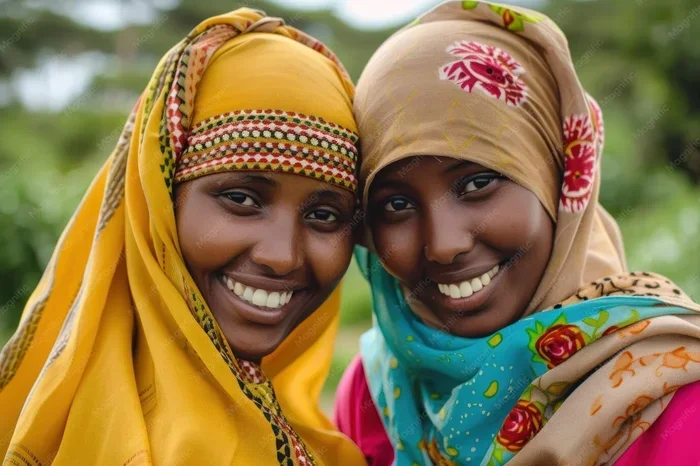

Learning how to say thank you in Somali is one of the fastest ways to connect with Somali people and show respect. The most common phrase is “waad mahadsantahay,” but there are several variations for formal and casual settings. Understanding the cultural meaning behind these expressions makes your gratitude feel genuine and heartfelt.
Learning a new language starts with the simplest words. When you travel or meet new people, knowing how to say thank you in Somali opens doors faster than almost anything else. The Somali language is rich, musical, and full of expressions that carry deep cultural weight.
If you are planning a trip to Somalia, Djibouti, or any community where Somali is spoken, this guide will give you everything you need. We will cover the most common thank you phrases, how to pronounce them, when to use each one, and why gratitude matters so much in Somali culture. By the end, you will feel confident saying thank you in any situation.
Key Takeaways
- Multiple ways to say thank you: Somali has formal, casual, and religious thank you phrases you can use in different situations.
- Cultural depth matters: Saying thank you in Somali carries deeper meaning tied to hospitality and community values.
- Pronunciation is straightforward: Most Somali thank you phrases are easy for English speakers to learn and remember.
- Context changes the phrase: The right thank you expression depends on whether you are speaking to a stranger, friend, elder, or group.
- Gratitude is central to Somali life: Understanding the in situ meaning of thank you expressions helps you use them with the right tone and intent.
- Practice makes it natural: Using these phrases daily will help you sound more fluent and build trust with Somali speakers.
📑 Table of Contents
- Why Learning to Say Thank You in Somali Matters
- The Most Common Ways to Say Thank You in Somali
- Somali Thank You Phrases for Different Situations
- Cultural Context Behind Somali Gratitude Expressions
- Practical Tips for Learning and Using Somali Thank You Phrases
- Common Mistakes to Avoid When Saying Thank You in Somali
- Key Takeaways
- Conclusion
- Frequently Asked Questions
Why Learning to Say Thank You in Somali Matters
Gratitude is a universal feeling. But the way people express it varies widely from culture to culture. In Somali-speaking communities, saying thank you is more than a polite gesture. It reflects respect, humility, and appreciation for the other person.
When you take the time to learn how to say thank you in Somali, you show that you care about the language and the people. Somali people are known for their warm hospitality. They often go out of their way to make guests feel welcome. A simple thank you phrase in their language can make a big impression. It tells them you are paying attention and that you value their kindness.
For travelers, these small efforts matter a lot. Locals notice when visitors try to speak even a few words of their language. It breaks down barriers and creates genuine connections. Whether you are bargaining at a market, asking for directions, or sharing a meal, a well-placed thank you goes a long way.
The Role of Gratitude in Somali Culture
Somali culture places a high value on community and mutual support. The concept of in situ meaning plays a role here too. When you say thank you in Somali, the meaning shifts depending on the situation, the relationship, and the tone you use. Understanding the in situ meaning of these expressions helps you use them more naturally and respectfully.
In many Somali communities, hospitality is not just a custom. It is a deeply held value. Guests are treated with great care, and hosts often provide food, shelter, and protection without being asked. When someone extends this kind of generosity, a heartfelt thank you is expected and appreciated.
The Most Common Ways to Say Thank You in Somali
There are several ways to express gratitude in the Somali language. Each one fits a different level of formality and context. Let us walk through the most important ones so you can choose the right phrase for every situation.
Waad Mahadsantahay (Formal Thank You)
This is the most widely used and respected way to say thank you in Somali. It works in almost any formal setting. You can use it when speaking to strangers, elders, people in authority, or anyone you want to show extra respect to.
Pronunciation: wahd mah-had-san-TAH-hay
This phrase is perfect for restaurants, shops, taxis, and formal introductions. It is the safest and most versatile thank you expression in the Somali language. When in doubt, this is the one to use.
Mahadsanid (Short and Casual Thank You)
If you want a quicker, more relaxed way to say thank you, mahadsanid is your go-to phrase. It is shorter and easier to remember. It works well in casual conversations with friends, peers, and younger people.
Pronunciation: mah-had-san-EED
This phrase is commonly used in everyday Somali conversations. You will hear it in markets, on the street, and among friends. It carries the same warmth as the formal version but with a lighter, more relaxed feel.
Waad Baahi Tahay (Thank You for Your Help)
This phrase is more specific. It means something closer to “you are my need” or “I need you.” It is a deeper way to express gratitude when someone has gone out of their way to help you.
Pronunciation: wahd bah-HEE tah-HAY
Use this when someone has done something significant for you. It shows that their help really mattered to you. Somali speakers will appreciate the extra thought behind this expression.
Sidee Baad Mahadsantahay? (How Do You Say Thank You?)
This is a useful phrase for travelers who want to practice. It means “How do you say thank you?” and it is a great conversation starter. Many Somali people love sharing their language with visitors.
Pronunciation: SEE-day bah mah-had-san-TAH-hay
Asking this question shows genuine interest in the Somali language and culture. It often leads to friendly exchanges and deeper connections.
Somali Thank You Phrases for Different Situations
Not all thank you moments are the same. The phrase you choose should match the situation. Here is a breakdown of the best thank you expressions for different scenarios.
At a Restaurant or Café
When a server brings your food or makes your drink, a simple mahadsanid works perfectly. If the service was especially good, you can use waad mahadsantahay. Somali hospitality in food settings is generous, and showing appreciation matters.
After Receiving a Gift
Gift-giving is common in Somali culture. When someone gives you a gift, use waad mahadsantahay with a warm smile. You can also add “waad ku mahadsantahay” which emphasizes that the thank you comes from your heart.
When Someone Helps You on the Street
If a stranger helps you find your way or carries something heavy, mahadsanid is the right choice. Keep it short and sincere. Somali people are generally very helpful, and a quick thank you keeps the interaction positive.
After a Long Conversation or Visit
When someone has spent time talking with you or hosting you, use waad baahi tahay. This deeper expression of gratitude shows that you value their time and presence. It is especially meaningful in Somali culture where time and attention are considered gifts.
In a Group Setting
If you are thanking a group of people, you can say mahadsanidba. This adds a plural form to the casual thank you. It lets everyone in the group know you are grateful to all of them.
| Situation | Best Phrase | Formality Level |
|---|---|---|
| Formal setting with strangers | Waad mahadsantahay | Formal |
| Casual daily use | Mahadsanid | Casual |
| Someone helped you significantly | Waad baahi tahay | Deep gratitude |
| Thanking a group | Mahadsanidba | Casual to formal |
| After receiving a gift | Waad ku mahadsantahay | Formal |
| Practicing or starting a conversation | Sidee baad mahadsantahay? | Neutral |
Cultural Context Behind Somali Gratitude Expressions
Understanding the cultural background of Somali thank you phrases helps you use them with the right feeling and intent. The Somali language is deeply tied to the values of the people who speak it. Every expression carries layers of meaning that go beyond the words themselves.
The Importance of Respect and Humility
In Somali culture, respect for elders and community members is essential. When you say thank you, your tone, body language, and eye contact all matter. A sincere thank you is delivered with eye contact and a slight nod of the head. This shows that you are fully present and genuinely grateful.
The in situ meaning of Somali thank you phrases is shaped by the relationship between the speaker and the listener. The same words can carry different weight depending on who is speaking and to whom. This is why understanding the in situ meaning of each expression is so valuable for learners.
Hospitality as a Core Value
Somali hospitality is legendary. Guests are treated like royalty in many households. When you are a guest, saying thank you frequently is expected. It shows that you do not take the host’s generosity for granted. Even a simple mahadsanid repeated with warmth can make a host feel appreciated.
The Somali concept of generosity extends beyond just food and shelter. It includes giving time, attention, and kindness. When someone listens to your story, helps you with a problem, or shares advice, they are giving something valuable. Acknowledging that with a proper thank you strengthens the bond between people.
Religious and Spiritual Influences
Many Somali expressions of gratitude have roots in Islamic tradition. While not every thank you phrase is religious, the cultural context is shaped by faith. Phrases like “waad mahadsantahay” carry a sense of blessing and divine gratitude in many contexts.
Understanding this background helps you appreciate the depth of Somali thank you expressions. It is not just about being polite. It is about recognizing the goodness in others and in life. This spiritual dimension adds richness to even the simplest thank you phrase.
Practical Tips for Learning and Using Somali Thank You Phrases
Now that you know the main phrases, here are some practical tips to help you remember and use them confidently.
Start with One Phrase and Build From There
Do not try to learn all the phrases at once. Start with mahadsanid. Use it every day. Once it feels natural, add waad mahadsantahay. Building one phrase at a time makes language learning easier and more fun.
Practice with Native Speakers
The best way to improve is to practice with real people. If you have Somali friends or colleagues, ask them to correct your pronunciation. Most Somali people are happy to help learners. They appreciate the effort you are making to speak their language.
Listen and Repeat
Listening to native Somali speakers is one of the most effective language learning strategies. Watch Somali videos, listen to Somali music, or find language exchange partners. Repeating phrases out loud helps your mouth learn the sounds and rhythms.
Use the Phrases in Real Life
Every time you interact with a Somali speaker, try to use at least one thank you phrase. Whether you are buying something at a store, asking for help, or just saying hello, adding a thank you makes the interaction better for both of you.
Pay Attention to Tone and Body Language
In Somali culture, how you say something matters as much as what you say. A warm smile, steady eye contact, and a friendly tone make your thank you feel genuine. These nonverbal cues are just as important as the words themselves.
Common Mistakes to Avoid When Saying Thank You in Somali
Even with the best intentions, language learners can make mistakes. Here are some common ones to watch out for.
- Using the wrong level of formality: Using a casual phrase with an elder or stranger can feel disrespectful. Stick with waad mahadsantahay when you are unsure of the situation.
- Rushing the pronunciation: Somali words have clear vowel sounds and syllable stress. Rushing through a phrase can change the meaning or make it hard to understand. Take your time.
- Forgetting the cultural context: Saying thank you in Somali is not just about the words. It is about showing genuine respect and appreciation. Without the right attitude, even perfect pronunciation can feel hollow.
- Ignoring the in situ meaning: Each thank you phrase has a specific in situ meaning that depends on the situation. Using a deep gratitude phrase for a small favor can feel over the top. Matching the phrase to the moment is key.
- Not practicing regularly: Language skills fade without practice. Try to use at least one Somali thank you phrase every day to keep your skills sharp.
Key Takeaways
- Multiple ways to say thank you: Somali has formal, casual, and deep gratitude phrases you can use in different situations.
- Cultural depth matters: Saying thank you in Somali carries deeper meaning tied to hospitality and community values.
- Pronunciation is straightforward: Most Somali thank you phrases are easy for English speakers to learn and remember.
- Context changes the phrase: The right thank you expression depends on whether you are speaking to a stranger, friend, elder, or group.
- Gratitude is central to Somali life: Understanding the in situ meaning of thank you expressions helps you use them with the right tone and intent.
- Practice makes it natural: Using these phrases daily will help you sound more fluent and build trust with Somali speakers.
Conclusion
Learning how to say thank you in Somali is a small investment with big rewards. These phrases are simple, beautiful, and deeply meaningful. Whether you are traveling through the Horn of Africa, connecting with a Somali friend, or just exploring a new language, gratitude is the best place to start.
The Somali language rewards those who take the time to learn it. Every mahadsanid you share brings you closer to the people and culture behind the words. So practice these phrases, use them with sincerity, and enjoy the connections that follow. Thank you for taking the time to learn, and mahadsanid for reading this far.
Frequently Asked Questions
What is the easiest way to say thank you in Somali?
The easiest way is to say “mahadsanid.” It is short, simple, and works in most casual situations. Even beginners can learn it in seconds. Use it whenever someone does something kind for you.
Is there a difference between formal and casual thank you in Somali?
Yes, there is a clear difference. “Waad mahadsantahay” is the formal version used with strangers and elders. “Mahadsanid” is the casual version used with friends and peers. Using the right level of formality shows cultural awareness and respect.
Can I learn Somali thank you phrases quickly?
Absolutely. The Somali thank you phrases are among the easiest language basics to pick up. With a little daily practice, you can use them confidently within a few days. Focus on pronunciation and context, and you will sound natural quickly.
Do Somali thank you phrases have religious roots?
Many Somali expressions of gratitude are influenced by Islamic tradition and culture. While the phrases themselves are not always overtly religious, they carry a sense of spiritual appreciation and blessing. This adds a layer of depth that makes saying thank you in Somali feel especially meaningful.
How important is body language when saying thank you in Somali?
Body language is very important in Somali culture. A warm smile, steady eye contact, and a respectful nod enhance your words. These nonverbal cues show sincerity and help the other person feel your gratitude. Without them, even the perfect phrase can feel incomplete.
What should I do if I make a mistake when saying thank you in Somali?
Do not worry at all. Somali people are generally very patient and encouraging with language learners. They will appreciate your effort even if your pronunciation is not perfect. Smile, try again, and keep practicing. The attempt itself is a sign of respect.



