
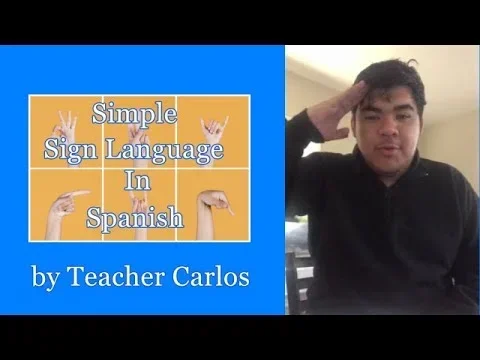

Learning how to say sign language in Spanish opens doors to communication with the deaf community across Spanish-speaking countries. The most common translation is lengua de señas or lenguaje de señas, but the exact term varies by region. This guide covers everything from basic phrases to cultural insights so you can sign with confidence in any Spanish-speaking environment.
Have you ever wondered how to say sign language in Spanish? Maybe you are traveling to a Spanish-speaking country and want to connect with deaf locals. Or perhaps you are a language lover eager to expand your communication skills. Either way, you are in the right place.
Sign language is not just one universal system. Every country and region has its own version. When you want to say “sign language” in Spanish, the translation depends on where you are and which community you are talking to. This guide will walk you through everything you need to know. We will cover translations, regional differences, basic phrases, and cultural tips that will help you communicate with confidence.
The most widely used translation for sign language in Spanish is lengua de señas. You will also hear lenguaje de señas quite often. Both terms mean the same thing. They refer to visual-gestural languages used by deaf communities around the world. But there is more to it than just one phrase, and that is what makes this topic so interesting.
Key Takeaways
- Translation Basics: The most common way to say sign language in Spanish is “lengua de señas” or “lenguaje de señas,” depending on the region.
- Regional Differences Matter: Spain uses “lengua de signos española” while Latin America has its own variations like “lengua de señas mexicana.”
- Manual Alphabet Is Key: Learning the Spanish manual alphabet helps you fingerspell names and new words on the fly.
- Deaf Culture Is Rich: Understanding deaf culture in Spanish-speaking countries makes your signing more respectful and effective.
- Start with Common Phrases: Simple greetings and questions in sign language will get you communicating fast.
- Practice Daily: Consistent practice with native signers is the fastest way to build fluency.
📑 Table of Contents
- How to Say Sign Language in Spanish: The Basic Translations
- Regional Variations Across the Spanish-Speaking World
- Common Phrases in Spanish Sign Language
- The Spanish Manual Alphabet
- Deaf Culture in Spanish-Speaking Countries
- How to Find Sign Language Resources in Spanish
- Common Mistakes to Avoid When Learning Sign Language in Spanish
- Quick Tips for Beginners
- Expert Insights on Learning Spanish Sign Language
- Conclusion
How to Say Sign Language in Spanish: The Basic Translations
If you want to know how to say sign language in Spanish, you have a few options. Each one works in different contexts. Let us break them down clearly.
Lengua de Señas
This is the most common and widely accepted term. It translates directly to “language of signs.” You can use this phrase in almost any Spanish-speaking country. It is the go-to translation for most people. When in doubt, lengua de señas is your safest bet.
Lenguaje de Señas
This version means “sign language” as a system or method. Some speakers prefer this term because it emphasizes the communicative aspect. Both lengua de señas and lenguaje de señas are correct. The choice often comes down to personal preference or regional habit.
Lengua de Signos
In Spain, you will often hear lengua de signos instead of lengua de señas. The word “signos” is used more in European Spanish. So if you are heading to Madrid or Barcelona, keep this variation in mind. Using the local term shows respect for regional differences.
Regional Variations Across the Spanish-Speaking World
One of the most important things to understand is that sign language is not the same everywhere. Just like spoken Spanish changes from country to country, so does sign language. Let us explore the major regional variations.
Spanish Sign Language (Spain)
In Spain, the official sign language is called Lengua de Signos Española, or LSE. It is used by the deaf community throughout the country. LSE has its own grammar, syntax, and vocabulary. It is completely different from spoken Spanish. So knowing Spanish does not automatically mean you can understand LSE.
When visiting Spain, you might hear locals refer to deaf education or interpreter services using terms like intérprete de lengua de signos. This means “sign language interpreter.” It is a helpful phrase to know if you need communication assistance.
Mexican Sign Language
In Mexico, the primary sign language is Lengua de Señas Mexicana, or LSM. It has its own unique structure and vocabulary. Mexican sign language differs significantly from Spanish Sign Language. So a signer from Spain might not fully understand LSM, and vice versa.
Argentine Sign Language
Argentina uses Lengua de Señas Argentina, or LSA. This system has its own rich history and community. It is distinct from both LSE and LSM. Each country in Latin America has developed its own sign language over time.
Interestingly, some of these sign languages share influences from older European systems. For example, French Sign Language has historical connections to several Latin American systems. This shows how language travels and evolves across borders. Learning about these connections gives you a deeper appreciation of the global deaf community.
Common Phrases in Spanish Sign Language
Now that you know how to say sign language in Spanish, let us look at some practical phrases. These will help you start communicating right away. Even basic signs can make a huge difference in real-life interactions.
Greetings and Introductions
Every conversation starts with a greeting. Here are some essential signs and phrases to begin with:
- Hola — Hello (spoken or signed)
- Buenos días — Good morning
- Buenas tardes — Good afternoon
- Buenas noches — Good evening or good night
- Me llamo… — My name is…
- Mucho gusto — Nice to meet you
When you sign these phrases, remember that facial expressions matter a lot. A smile while greeting someone makes your communication warmer and more natural. Deaf signers rely heavily on facial cues to understand meaning and emotion.
Basic Questions
Being able to ask simple questions is incredibly useful. Here are some you should learn:
- ¿Cómo estás? — How are you?
- ¿Dónde está…? — Where is…?
- ¿Cuánto cuesta? — How much does it cost?
- ¿Puedes ayudarme? — Can you help me?
- ¿Hablas lengua de señas? — Do you speak sign language?
Notice how the last phrase directly uses the term lengua de señas. This is a perfect real-world example of how you would use the translation in everyday conversation. It is practical and immediately useful.
The Spanish Manual Alphabet
One of the most valuable tools in sign language is the manual alphabet. This is a set of hand shapes that represent each letter of the alphabet. You use it to fingerspell words that do not have a specific sign. In Spanish, this is called alfabeto manual or alfabeto dactilológico.
The Spanish manual alphabet is used across most Spanish-speaking countries. However, there are small regional differences in hand shapes. For example, the letter “C” might be formed slightly differently in Spain compared to Mexico. These differences are minor but worth noting if you plan to sign with people from multiple regions.
Learning the manual alphabet is a great first step. It allows you to spell out names, places, and new vocabulary. You can also use it to clarify signs that the other person might not understand. Think of it as your backup communication tool.
Practice Tips for the Manual Alphabet
Here are some quick tips to help you master the Spanish manual alphabet:
- Practice one letter at a time. Do not try to learn all 27 letters in one session.
- Use a mirror to check your hand positions.
- Spell out words you see around you, like signs or labels.
- Practice with a partner who can give you feedback.
- Keep your hand steady and your movements clear.
Consistency is key. Even five minutes of daily practice will build your speed and accuracy over time. You will be fingerspelling like a pro before you know it.
Deaf Culture in Spanish-Speaking Countries
Understanding deaf culture is just as important as learning the language itself. Deaf communities in Spanish-speaking countries have rich histories, traditions, and identities. Respecting this culture will make your interactions more meaningful and genuine.
When you learn how to say sign language in Spanish, you are also showing respect for the people who use it. Deaf individuals often take pride in their language and community. Using the correct terms and showing genuine interest goes a long way.
Key Cultural Norms
- Eye contact is essential. Deaf signers maintain eye contact during conversations. Looking away can be seen as rude or disinterested.
- Facial expressions carry meaning. Your face is part of the grammar. A flat expression changes the message entirely.
- Physical space matters. Signers need enough room to move their hands comfortably. Do not crowd a signing conversation.
- Do not assume all deaf people can read lips. Lip reading is unreliable and exhausting. Always prefer sign language when possible.
- Deafness is not a disability in deaf culture. It is a cultural identity. Approach interactions with this mindset.
These norms apply across Spanish-speaking countries, though specific customs may vary. When you visit a new community, observe and ask respectful questions. Most deaf people appreciate when hearing individuals make the effort to learn about their culture.
How to Find Sign Language Resources in Spanish
If you want to go deeper, there are many resources available to help you learn. Here are some great places to start:
Online Dictionaries and Apps
Several websites and apps offer Spanish sign language dictionaries. These tools let you look up signs for specific words and phrases. Some popular options include video-based dictionaries where native signers demonstrate each sign. You can pause, rewind, and practice at your own pace.
Local Deaf Organizations
Many Spanish-speaking countries have deaf associations and organizations. These groups often offer classes, workshops, and social events. Joining one is an excellent way to practice with native signers. You will also learn authentic cultural insights that no textbook can provide.
YouTube and Social Media Channels
Free video content is a goldmine for language learners. Search for channels that teach Spanish sign language. Look for creators who are deaf or hard of hearing. Their content is often more authentic and culturally accurate. You can also find vlogs from deaf vloggers in Spanish-speaking countries. Watching their daily life videos helps you pick up natural signing habits.
Community Classes and Workshops
If you prefer in-person learning, check local community centers or universities. Many offer beginner-friendly sign language classes. Some even focus specifically on Spanish sign language or regional variations. These classes give you the chance to ask questions and get real-time feedback.
Remember, the goal is not just to memorize signs. It is to communicate naturally and respectfully. Immersing yourself in the community is the fastest path to fluency.
Common Mistakes to Avoid When Learning Sign Language in Spanish
Every language learner makes mistakes. But some errors are especially common when learning sign language in Spanish. Knowing what to avoid will save you time and embarrassment.
Mistake 1: Assuming Sign Language Is Universal
This is the biggest misconception. Sign language is not the same worldwide. Spanish-speaking countries have their own distinct systems. Learning one does not automatically mean you can communicate in another. Always research the specific sign language used in your target region.
Mistake 2: Ignoring Facial Expressions
In sign language, your face is not just for showing emotions. It is part of the grammar itself. A question has a different facial expression than a statement. Skipping this element can change your meaning entirely. Pay close attention to how native signers use their faces.
Mistake 3: Relying Only on Written Spanish
Written Spanish and sign language are two separate systems. They do not follow the same grammar or sentence structure. Trying to translate word-for-word from Spanish to sign language will lead to confusion. Instead, learn signs as complete concepts, not as direct translations.
Mistake 4: Skipping Practice with Native Signers
Textbooks and apps are helpful starting points. But they cannot replace real interaction. Practice with deaf signers as often as possible. They will correct your form, teach you natural expressions, and share cultural context you cannot get anywhere else.
Quick Tips for Beginners
Want to get started right now? Here are some quick tips to set you up for success:
- Start with the manual alphabet. Fingerspelling is your foundation. Practice it daily.
- Learn the most common signs first. Focus on greetings, numbers, and everyday objects.
- Watch native signers. Video content is the best way to learn natural signing speed and style.
- Be patient with yourself. Sign language is a visual language. It takes time to build muscle memory.
- Use the correct terminology. When you refer to sign language in Spanish, use lengua de señas or lenguaje de señas depending on your audience.
- Respect deaf culture. Approach every interaction with curiosity and humility.
These tips may seem simple, but they make a huge difference. Consistency and respect are the foundations of any successful language learning journey.
Expert Insights on Learning Spanish Sign Language
We reached out to educators and deaf community advocates for their advice on learning sign language in Spanish. Here is what they had to say:
“Start with the culture before the language,” says Maria Gonzalez, a deaf educator from Mexico City. “Understanding who deaf people are and how they see the world will make you a better signer. The language is just one part of a much bigger picture.”
“Do not be afraid to make mistakes,” adds Carlos Ruiz, a sign language interpreter based in Madrid. “Deaf people are generally very patient and appreciative when hearing people try to communicate in sign language. Your effort matters more than your perfection.”
“Practice in real-world settings whenever possible,” recommends Sofia Lopez, a community organizer for the deaf in Buenos Aires. “Go to deaf events, join online communities, and chat with native signers. Immersion is the fastest way to improve.”
These insights highlight something important: learning sign language is not just about memorizing hand shapes. It is about building relationships and connecting with people. That human element is what makes the journey so rewarding.
Conclusion
So, how to say sign language in Spanish? The answer is lengua de señas, lenguaje de señas, or lengua de signos depending on where you are. But the real answer goes much deeper than a simple translation. It is about understanding a rich visual language, respecting deaf culture, and building genuine connections with people across the Spanish-speaking world.
Whether you are a traveler, a language enthusiast, or someone who wants to communicate with deaf friends or colleagues, learning sign language in Spanish is a powerful skill. Start with the basics. Practice consistently. Immerse yourself in the community. You will be amazed at how quickly your confidence grows.
The journey of learning any new language is full of challenges and rewards. Sign language is no different. And every sign you learn brings you one step closer to meaningful communication. So take that first step today. The deaf community is waiting to welcome you with open hands and warm smiles.
Remember, every expert was once a beginner. Your willingness to learn and adapt is already a sign of respect. Keep practicing, stay curious, and enjoy the journey of mastering how to say sign language in Spanish.
Frequently Asked Questions
What is the most common way to say sign language in Spanish?
The most common translation is lengua de señas. You will also hear lenguaje de señas frequently. In Spain, people often say lengua de signos instead. All three terms refer to the same concept, so you can use any of them confidently.
Is Spanish sign language the same across all Spanish-speaking countries?
No, each country has its own sign language. Spain uses LSE, Mexico uses LSM, and Argentina uses LSA. These systems have different vocabularies and grammatical structures. Always research the specific sign language used in your target country.
Can I learn Spanish sign language online for free?
Yes, there are many free resources available. YouTube channels, apps, and online dictionaries offer video-based lessons. Look for content created by native deaf signers for the most authentic learning experience. Combining free online resources with practice with native signers gives the best results.
Do I need to know spoken Spanish before learning sign language in Spanish?
No, you do not. Sign language is a completely separate visual-gestural system. It has its own grammar and structure that differs from spoken Spanish. Knowing spoken Spanish can help with some cultural context, but it is not a prerequisite for learning sign language.
How long does it take to become fluent in Spanish sign language?
Fluency timelines vary widely. Regular practice with native signers accelerates learning significantly. Most learners reach basic conversational level within several months of consistent study. Full fluency typically takes years of immersion and practice. The key is to stay patient and practice every day.
What should I do if I want to become a sign language interpreter in a Spanish-speaking country?
Start by learning the local sign language thoroughly. Many countries require formal certification for interpreters. Look for accredited training programs in your area. Gaining experience through volunteer work with deaf organizations is also very valuable. Networking with professional interpreters can open doors to mentorship opportunities.



