
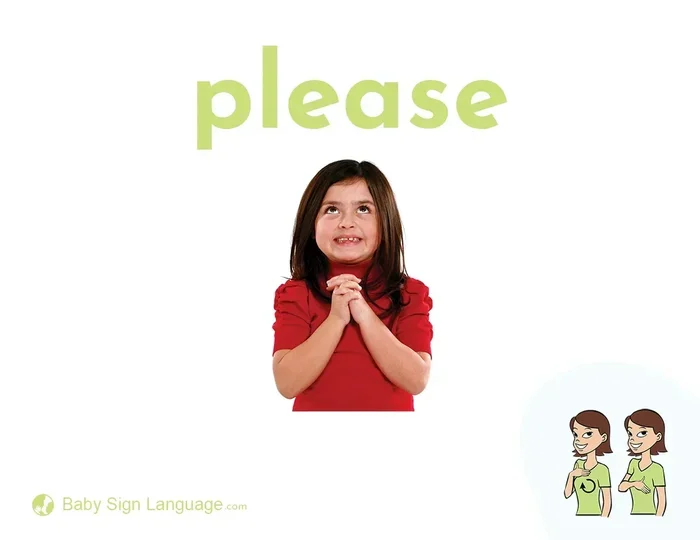

Learning how to say please in sign language is simple and rewarding. The basic gesture involves moving your open hand from your chin outward in a polite motion. This guide covers the ASL please sign, variations, and practical tips for everyday use.
Have you ever wanted to learn how to say please in sign language? Maybe you are communicating with a deaf friend, teaching your child basic sign language basics, or simply curious about nonverbal communication. Whatever your reason, the please sign in American Sign Language (ASL) is one of the first and most useful gestures you can learn.
This guide breaks everything down in a way that is easy to follow. You will learn the exact hand motion, common mistakes to avoid, and how to use the sign naturally in conversations. By the end, you will feel confident using the please gesture in real-life situations.
Sign language is not just about hand movements. It involves your face, your body, and the context of the conversation. So let us dive in and explore how to say please the right way.
Key Takeaways
- Simple Hand Motion: The ASL please sign uses a gentle outward sweep from the chin.
- Facial Expressions Matter: A warm smile and eye contact make your gesture more sincere.
- Context Is Key: Understanding when and how to use the sign shows respect in deaf culture.
- Beginner-Friendly: Anyone can learn the please gesture in minutes with practice.
- Nonverbal Communication: Sign language relies heavily on body language and facial cues.
- Polite Gestures Build Connections: Using please in sign language strengthens social bonds.
📑 Table of Contents
What Is the Please Sign in ASL?
The ASL please sign is one of the most recognized polite gestures in sign language. It is simple, elegant, and easy to remember. Whether you are a sign language beginner or brushing up on your skills, this sign is essential.
How to Make the Please Gesture
Here is a step-by-step breakdown of the basic please sign:
- Start with your dominant hand open, fingers together, and thumb extended.
- Place your hand on your chest, near the center of your body.
- Move your hand in a circular motion, rubbing your chest gently.
- Keep your movements smooth and calm.
- Add a warm facial expression to show sincerity.
That is it! The please gesture is one of the easiest basic signs in ASL. It does not require complex finger positioning or fast movements. The simplicity is what makes it so powerful for everyday communication.
Why the Please Sign Matters
Politeness matters in every language. In deaf culture, using polite gestures like the please sign shows respect and consideration. When you use respectful gestures, you build trust and create a positive connection with the person you are communicating with.
Think about it this way. When you say please out loud, you are showing good manners. The same principle applies to sign language phrases. The please sign carries the same weight and meaning as the spoken word.
Common Variations of the Please Sign
While the standard ASL please sign is widely accepted, there are a few variations you might encounter. Understanding these differences helps you adapt to different sign language contexts.
The Chin-Forward Variation
Some signers use a slightly different motion. Instead of rubbing the chest, they place their open hand under their chin and move it forward. This variation is also widely understood and accepted in the deaf community.
The Open-Palm Forward Motion
Another common variation involves holding your hand open and pushing it slightly forward from your body. This version emphasizes the outward motion of politeness. It works well in social etiquette situations where you want to be extra clear.
Which Variation Should You Use?
For beginners, the chest-rubbing version is the easiest to learn and remember. Most sign language tutorials teach this version first. As you become more comfortable, you can explore other variations and find the one that feels natural to you.
Facial Expressions and Body Language
One of the most important aspects of nonverbal communication in sign language is facial expression. Your face carries meaning just as much as your hands do. When signing please, your expression should match the intention behind the gesture.
Smile and Eye Contact
A genuine smile goes a long way. When you sign please, look at the person and smile slightly. This shows warmth and sincerity. Eye contact also signals that you are engaged and respectful.
Body Posture
Keep your body relaxed and open. Avoid crossing your arms or looking away. Good posture in sign language conveys confidence and friendliness. It makes your gestures easier to read and more natural.
The Role of Context
Context plays a big role in how your gesture is received. The meaning behind a sign can shift based on the situation. For example, signing please when asking for something at a store carries a different tone than signing please during a casual chat with a friend. Understanding in situ meaning helps you use gestures appropriately in different settings.
Just as words change meaning depending on where they are used, sign language gestures also shift in tone based on context. Being aware of this makes you a more effective and empathetic communicator.
Practical Tips for Learning the Please Sign
Learning any new communication skill takes practice. Here are some practical tips to help you master the please sign quickly.
Start with Slow, Deliberate Movements
Do not rush. Slow down and focus on getting the hand motion right. Smooth, deliberate movements look more natural and are easier for others to understand.
Practice in Front of a Mirror
Watch yourself sign please in a mirror. This helps you check your hand position, facial expression, and overall body language. It is one of the best sign language practice methods for beginners.
Use Please in Daily Conversations
Find opportunities to use the sign in real life. When you ask for something at home, at work, or with a deaf friend, use the please gesture. Repetition builds muscle memory and confidence.
Watch and Learn from Native Signers
Observe how native signers use the please gesture in everyday conversations. You can find sign language tutorials online or attend local deaf community events. Watching real-life usage helps you pick up natural nuances.
Be Patient with Yourself
Every sign language learner starts somewhere. Do not get discouraged if your first attempts feel awkward. With consistent practice, the please sign will become second nature.
Common Mistakes to Avoid
Even the most eager sign language beginner can make mistakes. Here are some common errors to watch out for when learning the please gesture.
Using Too Much Force
The please sign should be gentle. Avoid slamming your hand or making sharp movements. A soft, flowing motion communicates politeness more effectively.
Forgetting Facial Expressions
Signing please with a blank face can confuse the receiver. Your face adds emotion and sincerity to the gesture. Always pair the hand sign with a warm expression.
Signing Please Without Context
Context gives meaning to every gesture. Signing please in isolation without a clear request can seem odd. Always pair the sign with the action or request you are making.
Ignoring Cultural Nuances
Deaf culture has its own norms and values. Respecting these norms shows that you are a thoughtful communicator. Take time to learn about deaf community customs and etiquette.
Skipping Practice
Like any skill, consistency matters. Practicing the please sign for just five minutes a day can lead to significant improvement over time. Make it a habit, and you will see progress fast.
Why Polite Gestures Strengthen Communication
Using polite gestures like the please sign does more than just show good manners. It builds stronger relationships and fosters mutual respect. In the deaf community, these small gestures carry deep meaning.
When you use respectful gestures, you signal that you value the other person. You show that you are making an effort to communicate clearly and kindly. This effort is always appreciated, whether you are signing with a deaf person or teaching a child basic communication skills.
Polite gestures also make conversations flow more smoothly. They create a positive atmosphere where both parties feel comfortable and respected. In nonverbal communication, these small details make a big difference.
Learning how to say please in sign language is not just about the hand motion. It is about understanding the deeper meaning behind the gesture and using it with sincerity and care.
Quick Tips for Remembering the Please Sign
- Think of it as a heart gesture: Your hand starts near your heart and moves outward, symbolizing kindness coming from within.
- Use a rhythm: The circular motion should feel natural and smooth, like a gentle rocking motion.
- Pair it with words: When first learning, say “please” out loud while signing it. This helps reinforce the connection.
- Practice with a partner: Having someone watch you sign provides valuable feedback and encouragement.
- Keep it fun: Turn practice into a game. Challenge yourself to use the please sign in three different conversations each day.
Final Thoughts
Learning how to say please in sign language is a small but meaningful step toward better communication. The please gesture in ASL is simple, powerful, and universally understood. With a little practice and attention to facial expressions and context, you can use this sign confidently in any situation.
Remember, every gesture you learn opens a door to deeper connections. Whether you are communicating with a deaf friend, teaching a child, or expanding your communication skills, the please sign is a valuable tool. Keep practicing, stay patient, and enjoy the journey of learning sign language.
Start today. Sign please with confidence, kindness, and a genuine smile. You will be amazed at how quickly it becomes a natural part of your communication toolkit.
Frequently Asked Questions
What is the easiest way to learn how to say please in sign language?
The easiest way is to start with the basic chest-rubbing motion. Place your open hand on your chest and move it in a gentle circle. Pair this with a warm smile and consistent daily practice. Most beginners master this sign within a few days.
Is the please sign the same in all types of sign language?
No, different sign languages have their own versions of please. The ASL please sign is specific to American Sign Language. British Sign Language (BSL) and other sign languages may use different gestures for the same concept.
Do I need to use facial expressions when signing please?
Yes, facial expressions are essential in sign language. A warm smile and natural eye contact make your please gesture more sincere and easier to understand. Without facial expressions, the sign can feel flat or unclear.
Can children learn the please sign in sign language easily?
Absolutely. Children often pick up the please sign quickly because the motion is simple and repetitive. Many parents teach this sign as part of early sign language for babies programs. It builds a strong foundation for polite communication from a young age.
What are common mistakes people make when signing please?
The most common mistakes include using too much force, forgetting facial expressions, and signing without context. Avoid sharp movements and always pair the gesture with a clear request. Practicing slowly and deliberately helps prevent these errors.
How can I practice the please sign effectively?
Practice in front of a mirror, use the sign in real conversations, and watch native signers for reference. Consistent daily practice, even for just a few minutes, leads to steady improvement. The key is to make signing please a natural habit.



