
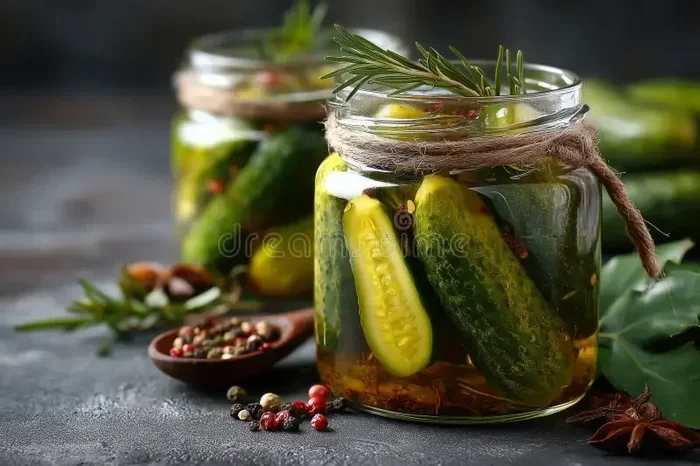

If you want to know how to say pickles in Spanish, the most common translation is pepinos encurtidos, though the word encurtidos works perfectly in most Spanish-speaking countries. In everyday conversation, many people simply say pickles or pepinos en vinagre, especially in Mexico and parts of Central America, so regional context matters more than you might think. Learning these terms will help you order confidently at restaurants, shop like a local at the mercado, and follow recipes without missing a beat.
Key Takeaways
- The main word is pepinillos: This is the go-to term for pickles across Latin America.
- Spain uses encurtidos: Locals in Spain prefer this word for pickled vegetables and condiments.
- Pronunciation matters: Saying pepinillos correctly helps you sound like a native speaker.
- Regional dialects vary: Different Spanish-speaking countries use different words for pickles.
- Use the right term: Choosing the correct word shows cultural awareness and respect.
- Practice in real talks: Using these terms in conversation builds confidence quickly.
- Know menu vocabulary: These words help you order food confidently at restaurants.
📑 Table of Contents
- Why Knowing How to Say Pickles in Spanish Opens Doors
- The Direct Translation: Pepinillo and What It Really Means
- Different Types of Pickles and Their Spanish Names
- How Native Speakers Actually Use These Words
- Common Mistakes When Saying Pickles in Spanish
- Quick Tips for Remembering and Using These Words
- Putting It All Together: Speaking Confidently About Pickles in Spanish
Why Knowing How to Say Pickles in Spanish Opens Doors
If you have ever sat at a taco bar or a Latin American grocery store and stared at a jar of tangy, crunchy pickles wondering what to call them in Spanish, you are not alone. Learning how to say pickles in Spanish is one of those small but surprisingly useful bits of vocabulary that can make a real difference in everyday conversations. Whether you are ordering food, reading a recipe, or just chatting with a native speaker, knowing the right word instantly makes you sound more confident and natural.
The truth is, the answer is not always as simple as just one word. Spanish has nuances, regional variations, and different types of pickles that each have their own name. Understanding these details takes your language skills from beginner to somewhere much closer to a native speaker level. In this guide, we will walk you through everything you need to know about the Spanish word for pickles, how to use it properly, and how to avoid the most common mistakes learners make.
By the time you finish reading, you will feel comfortable using pickle-related vocabulary in real-life situations. Let us dive right in.
The Direct Translation: Pepinillo and What It Really Means
The most common way to say pickles in Spanish is pepinillo. This word refers specifically to small, pickled cucumbers, which is exactly what most English speakers picture when they think of pickles. But like many translated words, it does not always carry the exact same meaning across every Spanish-speaking region.
Understanding the Literal Meaning
When we look at the literal meaning of pepinillo, it traces back to the word pepino, which means cucumber in Spanish. The suffix -illo is a diminutive, meaning “small.” So pepinillo essentially means “little cucumber.” This makes sense because the pickles most people know are small, round, and pickled. Understanding this root word helps you remember the term much more easily.
It is worth noting that the concept of in situ meaning applies here too. The word works perfectly in its original context, referring to those small pickled cucumbers sitting in a jar. But when you move into different regions or contexts, the meaning can shift slightly, just like many words do in any language.
Pepinillo vs. Pepino
Here is a quick breakdown to keep these two straight:
- Pepino = Cucumber (the fresh vegetable)
- Pepinillo = Pickle (the small, pickled version)
Mixing these two up is one of the most common slip-ups new learners make. If you say pepino when you mean pickle, a native speaker might hand you a fresh cucumber instead of the crunchy, tangy treat you wanted. Not the end of the world, but definitely a moment you want to avoid at a dinner party.
Different Types of Pickles and Their Spanish Names
Not all pickles are created equal, and Spanish speakers know this. Depending on the type of pickle you are talking about, the word changes. Let us break down the most popular varieties so you can use the right term every single time.
Pepinillos En Escabeche
This is probably the most traditional form of pickle in Spanish cuisine. Pepinillos en escabeche are small cucumbers marinated in a vinegar-based sauce with spices like oregano, cumin, and sometimes hot peppers. They are tangy, slightly sweet, and incredibly flavorful. You will find these in jars at almost every Latin American market.
Pepinillos En Salmuera
If you have ever seen pickles soaking in a salty brine, you are looking at pepinillos en salmuera. This term literally translates to “pickles in brine.” The process is simpler than escabeche, relying mostly on salt water and sometimes vinegar. These pickles tend to be crunchier and have a cleaner, saltier taste.
Other Pickled Vegetables
Spanish speakers also enjoy a wide range of pickled vegetables beyond cucumbers. Here are a few you might encounter:
- Chiles encurtidos – Pickled peppers, often jalapeños or serranos
- Cebollas encurtidas – Pickled onions, commonly served as a garnish
- Pepinos encurtidos – Pickled cucumbers, a broader term than pepinillo
The word encurtido is useful to know because it acts as an umbrella term for any pickled vegetable. Think of it like saying “pickled something” in English. If you are at a Mexican restaurant and see a tray of assorted pickled items on the table, that is your typical escultura de encurtidos, or pickle platter.
How Native Speakers Actually Use These Words
One of the biggest surprises for English speakers is how naturally native speakers weave food vocabulary into daily conversation. You do not just learn the word pepinillo as a standalone term. You learn how it fits into sentences, menus, and real-life exchanges.
Everyday Sentences You Can Use
Here are some practical examples that will help you sound more natural:
- “¿Me das un pepinillo?” – Can you give me a pickle?
- “Me encantan los pepinillos en escabeche.” – I love pickled cucumbers in escabeche.
- “Hay pepinillos en la nevera.” – There are pickles in the fridge.
- “¿Qué tipo de encurtidos tienen?” – What kind of pickles do you have?
Notice how the word changes form depending on the sentence. Pepinillo is singular, and pepinillos is plural. This is basic Spanish grammar, but it matters a lot. Using the wrong form can make your speech sound a little off, even if the word itself is correct.
Regional Differences You Should Know
Spanish varies a lot from country to country. In Spain, you might hear people refer to pickles using the broader term encurtidos more often than pepinillo. In Mexico, pepinillo is the go-to word. In Argentina and other parts of South America, you might also hear pepino en conserva, which translates to “preserved cucumber.” These regional flavors add richness to the language and are well worth exploring.
For comparison, learning how to name other items in Spanish follows a similar pattern. Just like people search for Spanish cat names or Spanish rabbit names to find the right fit for their pets, finding the right word for pickles depends on context and region. The principle is the same: Spanish is a living language that changes depending on where you are.
Common Mistakes When Saying Pickles in Spanish
Even with a solid vocabulary, learners trip over a few recurring pitfalls. Avoiding these will immediately boost your credibility as a Spanish speaker.
Mistake 1: Using the English Word “Pickles” Everywhere
Some learners default to English when they cannot remember the Spanish word. While most people will understand you, it breaks the flow of conversation and can come across as lazy. Make an effort to use pepinillo or encurtido instead. Even if your pronunciation is imperfect, the effort shows respect for the language.
Mistake 2: Ignoring Gender and Number
Spanish nouns have gender. Pepinillo is masculine, so you say el pepinillo, not la pepinillo. When you go plural, it becomes los pepinillos. Forgetting this is a very common error. Here is a quick reference:
- El pepinillo – The pickle (singular, masculine)
- Los pepinillos – The pickles (plural, masculine)
- Un pepinillo – A pickle (indefinite singular)
- Unos pepinillos – Some pickles (indefinite plural)
Getting gender right might seem small, but native speakers notice. It is one of those details that separates a learner from someone who actually sounds comfortable speaking.
Mistake 3: Confusing Pickles with Other Pickled Foods
As we discussed earlier, not everything in a jar of pickled goods is a pepinillo. Chiles encurtidos, cebollas encurtidas, and other items are technically pickles in the broad sense, but they are not pepinillos. Calling a pickled jalapeño a pepinillo would be like calling a bell pepper a cucumber in English. They are related, but they are not the same thing. Always be specific when you can.
Quick Tips for Remembering and Using These Words
Vocabulary sticks better when you use smart memorization techniques. Here are some quick tips to make pepinillo and its related words second nature:
- Use the root word trick. Remember that pepinillo comes from pepino (cucumber) with a small suffix. This connection makes it easy to recall.
- Practice in context. Do not just memorize the word alone. Use it in full sentences. Write out your favorite pickle recipes in Spanish.
- Watch Spanish cooking videos. Many food channels use these words naturally. You will hear pepinillo in real conversations and pick up pronunciation at the same time.
- Label items in your kitchen. Put sticky notes on your pickle jar that say “pepinillos.” Every time you grab them, you reinforce the word.
- Order pickles in Spanish. The next time you are at a Mexican or Latin American restaurant, try ordering pepinillos en escabeche. Real practice beats memorization every time.
A Comparison Table for Quick Reference
Here is a handy table to help you compare the different terms and their uses:
| English | Spanish | When to Use |
|---|---|---|
| Pickle | Pepinillo | General term for small pickled cucumbers |
| Pickled cucumbers | Pepinillos en escabeche | Marinated in vinegar and spices |
| Pickles in brine | Pepinillos en salmuera | Soaked in salt water |
| Pickled vegetables | Encurtidos | Umbrella term for all pickled items |
| Pickled peppers | Chiles encurtidos | When talking about pickled peppers specifically |
| Preserved cucumber | Pepino en conserva | Regional, common in South America |
Keep this table handy. It covers almost every scenario you will run into when talking about pickles in any Spanish-speaking setting.
Putting It All Together: Speaking Confidently About Pickles in Spanish
Now that you know the core vocabulary, the regional differences, and the common mistakes to avoid, you are ready to put it all into practice. Learning how to say pickles in Spanish is a small but meaningful step toward sounding like a native speaker. It shows that you care about the details, not just the basics.
The key takeaway is this: pepinillo is your go-to word, encurtidos is your backup for broader pickle discussions, and understanding regional variations will take you even further. Practice using these words in real conversations, whether that means ordering at a restaurant, cooking a recipe in Spanish, or simply chatting with a friend who speaks the language.
Language learning is built one word at a time. Every term you add to your vocabulary brings you closer to fluency. And the next time you reach for a jar of pickles, you will know exactly what to call them in Spanish. Pepinillos, your pick. Use them with confidence.
Frequently Asked Questions
How to say pickles in Spanish?
The most common way to say pickles in Spanish is “pepinos en escabeche” or simply “encurtidos.” The word “pepino” means cucumber, so when pickled, it becomes “pepino encurtido” or “pepino en vinagre.” In everyday conversation, many Spanish speakers just say “encurtidos” to refer to pickled vegetables including pickles.
What is the difference between “pepino” and “encurtido” when talking about pickles in Spanish?
“Pepino” means cucumber, while “encurtido” refers to anything that has been pickled or preserved in vinegar. So “pepino encurtido” specifically means a pickled cucumber, which is what we call a pickle in English. In most Latin American countries, you will hear “encurtidos” used more broadly on menus and in markets.
How do you say pickle juice in Spanish?
Pickle juice in Spanish is called “jugo de pepinillos” or “líquido de encurtidos.” You might also hear people say “vinagre de pepino” in some regions. This term comes in handy when ordering at restaurants or asking for the brine at a grocery store.
How to say dill pickles in Spanish?
Dill pickles in Spanish are typically called “pepinos en escabeche con eneldo” since “eneldo” is the word for dill. In many Spanish-speaking countries, pickles are simply brined in vinegar and spices, so the dill-specific label is less common. If you are shopping or dining out, asking for “pepinos con especias” can also help you find what you need.
Does the word for pickles change depending on the Spanish-speaking country?
Yes, the term for pickles in Spanish can vary by region. In Spain, you will often hear “pepinos en vinagre”, while in Mexico and Central America, “encurtidos” is more popular. Some countries also use “chucrut” for fermented cabbage pickles, which is different from cucumber pickles.
How can you use the word for pickles in a Spanish sentence?
A simple sentence would be “Me encantan los pepinos encurtidos”, which means “I love pickles.” You could also say “¿Dónde puedo comprar pepinillos?” to ask “Where can I buy pickles?” Practicing these phrases is a great way to navigate menus and markets in Spanish-speaking countries.



