
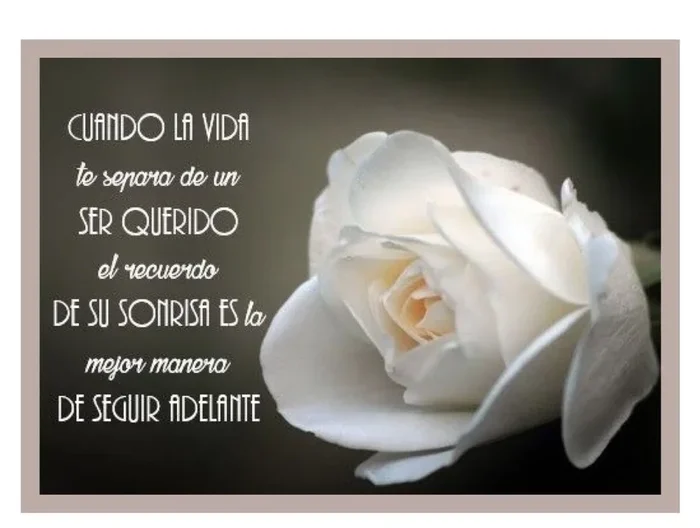

Knowing how to say my condolences in Spanish is a meaningful way to show respect during difficult times. The most common and heartfelt expression is Mis condolencias, but there are several other phrases that convey sincerity and empathy depending on the situation. Learning the right words in Spanish helps you connect with others on a deeper, more personal level when they need it most.
How to Say My Condolences in Spanish the Right Way
Losing someone is never easy. And when you want to offer comfort to a Spanish-speaking friend or family member, finding the right words matters even more. Knowing how to say my condolences in Spanish is more than just a translation exercise. It is about showing genuine empathy and respect during someone’s most difficult moment. Whether you are attending a funeral, sending a message, or simply offering a heartfelt hug, the words you choose can bring real comfort. This guide will walk you through the most common phrases, cultural tips, and pronunciation pointers so you can express your sympathy with confidence and sincerity.
We will cover everything from formal to informal language, help you understand the cultural context behind condolence messages in Spanish-speaking communities, and give you practical examples you can use right away. By the end, you will feel prepared to offer bereavement support that truly makes a difference.
Key Takeaways
- Use “Mis condolencias” as the most direct and respectful way to express condolences in Spanish.
- Choose formal language like “Usted” when speaking to elders or in professional settings to show respect.
- Know religious phrases such as “Que Dios le dé consuelo” since faith plays a big role.
- Add a personal touch by sharing a memory or expressing genuine care alongside your words.
- Avoid “Lo siento mucho” for deep loss, as it can sound too casual or lighthearted.
- Match the tone to the situation, shifting between heartfelt sympathy and simple acknowledgment appropriately.
- Practice with real phrases so you respond naturally and confidently during difficult moments.
📑 Table of Contents
- Why Knowing How to Say My Condolences in Spanish Matters
- Common Ways to Say My Condolences in Spanish
- Formal vs Informal Condolence Phrases
- Cultural Considerations When Offering Condolences
- Practical Examples and Usage Scenarios
- Tips for Getting the Tone and Pronunciation Right
- Final Thoughts on Saying My Condolences in Spanish
Why Knowing How to Say My Condolences in Spanish Matters
Words carry weight. When someone is grieving, a simple but well-chosen phrase can ease their pain. But a poorly translated or culturally insensitive message can unintentionally cause hurt. That is why understanding condolence phrases in Spanish goes beyond basic vocabulary.
Spanish-speaking cultures place a high value on personal connections and emotional expression. Offering mourning phrases in their native language shows effort, care, and respect. It tells the grieving person that you took the time to learn something meaningful for them. Even a basic attempt at expressing grief in Spanish can deeply touch someone’s heart.
Here are a few reasons why this matters:
- It demonstrates cultural sensitivity and respect.
- It helps the grieving person feel understood and supported.
- It allows you to communicate empathetic communication more effectively.
- It strengthens your personal bond during a time of loss.
Simply put, taking the time to learn sympathy in Spanish is one of the most meaningful things you can do for someone who is hurting.
Common Ways to Say My Condolences in Spanish
Let us get into the phrases themselves. There are several ways to express condolences in Spanish, and each one carries a slightly different tone. Some are formal. Others are warm and personal. Here are the most widely used condolence messages in Spanish.
Formal Condolence Phrases
These are ideal for professional settings, acquaintances, or situations where you want to show extra respect:
- Mis condolencias — My condolences. This is the most direct and widely recognized phrase.
- Le envío mi más sentido pésame — I send you my deepest sympathy. Very formal and appropriate for written messages.
- Reciba mi pésame — Please accept my condolences. A respectful and traditional option.
- Le ofrezco mi más profunda empatía — I offer you my deepest empathy. This emphasizes emotional connection.
Informal and Heartfelt Phrases
Use these with close friends, family members, or people you share a personal bond with:
- Siento mucho tu pérdida — I am very sorry for your loss. Warm and personal.
- Mis pensamientos están contigo — My thoughts are with you. Simple but powerful.
- Estoy contigo en este momento difícil — I am with you during this difficult time. Offers reassurance and presence.
- Lo siento mucho, aquí estoy para ti — I am very sorry, I am here for you. Combines sympathy with a promise of support.
Short but Meaningful Expressions
Sometimes you just need a few words. These short phrases work well in text messages, cards, or quick conversations:
- Lo siento — I am sorry. Simple and universally understood.
- Mi pésame — My condolences. Brief and respectful.
- Cuídate mucho — Take good care of yourself. A gentle way to close a condolence message.
Understanding the in situ meaning of these phrases is important. A phrase that looks straightforward on paper might carry deeper emotional weight when used in a real conversation. Context shapes how these words are received.
Formal vs Informal Condolence Phrases
Spanish has a clear distinction between formal and informal language. This is called tú vs usted. Choosing the wrong level of formality can make your message feel awkward or disrespectful. Let us break it down clearly.
| Aspect | Formal (Usted) | Informal (Tú) |
|---|---|---|
| Best For | Elders, strangers, professional settings | Friends, family, close peers |
| Example Phrase | Le envío mi pésame | Siento mucho tu pérdida |
| Tone | Respectful and distant | Warm and personal |
| Pronoun Used | Usted / Su | Tú / Tu |
| When to Use | Funerals, official cards, workplace | Personal texts, private conversations |
When in doubt, it is better to be formal. Most people will appreciate the respect that comes with formal language. You can always shift to a warmer tone as the conversation continues. Learning the difference between formal vs informal Spanish is a skill that serves you well beyond condolence situations. It applies to everyday conversations, whether you are exploring Spanish naming traditions like those found in Spanish cat names or understanding affectionate terms similar to Spanish rabbit names, the cultural context always shapes meaning.
Quick Tip: Matching Tone to Relationship
- Use usted with older relatives, bosses, or people you do not know well.
- Use tú with close friends, siblings, or peers.
- When unsure, start formal and let the other person guide the tone.
Cultural Considerations When Offering Condolences
Language is only part of the picture. Cultural sensitivity plays a huge role in how your condolences are received. Spanish-speaking communities often have unique traditions around grief and mourning that you should understand.
Family and Community Play a Big Role
In many Spanish-speaking cultures, grief is not a private matter. Families come together. Neighbors show up. Community support is expected and deeply valued. When you offer condolence phrases in Spanish, you are not just speaking to one person. You are often acknowledging an entire family’s loss.
Be prepared for extended conversations. A simple “lo siento” may open the door to a longer discussion about the person who passed. This is a sign of connection, not inconvenience. Embrace it.
Religious and Spiritual Elements
Many Hispanic traditions include strong spiritual or religious components. Prayers, masses, and rituals are common. Phrases like “Mis oraciones están con usted” (My prayers are with you) are appropriate and appreciated in many communities. Understanding this helps you choose words that align with the person’s beliefs.
Physical Gestures Matter Too
Words are important, but nonverbal communication carries extra weight. A warm embrace, a hand on the shoulder, or simply sitting beside someone can say as much as any phrase. Combine your Spanish vocabulary with genuine physical presence for maximum impact.
Practical Examples and Usage Scenarios
Theory is great. But what does this look like in real life? Let us walk through a few common scenarios where you might need to use how to say my condolences in Spanish.
Scenario 1: At a Funeral Service
You are attending a funeral and want to speak to the family. Here is what you might say:
- “Mis condolencias. Siento mucho la pérdida de su ser querido.” (My condolences. I am very sorry for the loss of your loved one.)
- “Estoy con usted en este momento tan difícil.” (I am with you during this very difficult time.)
Scenario 2: Sending a Condolence Card
A written message allows you to be more reflective. Here is a short example you could adapt:
- “Querida familia, le envío mi más sentido pésame. Que Dios le brinde consuelo en este momento de dolor.” (Dear family, I send you my deepest sympathy. May God provide you comfort in this moment of pain.)
Scenario 3: A Quick Text Message
Sometimes a short message is all you have time for. Keep it warm and direct:
- “Lo siento mucho. Mis pensamientos están contigo. Aquí estoy para lo que necesites.” (I am very sorry. My thoughts are with you. I am here for whatever you need.)
Scenario 4: Condolences for a Coworker
This calls for a professional but warm tone:
- “Reciba mis más sinceras condolencias. Por favor, no dude en contactarme si puedo ayudar en algo.” (Please accept my most sincere condolences. Please do not hesitate to contact me if I can help with anything.)
Each scenario calls for a slightly different approach. The key is to always lead with sincerity. People remember how you made them feel far more than the exact words you used. Offering emotional support phrases with authenticity matters more than perfection.
Tips for Getting the Tone and Pronunciation Right
Pronunciation can be tricky in Spanish, and getting it wrong can unintentionally change the meaning of a phrase. Here are some practical tips to help you sound natural and confident.
Pronunciation Guide for Key Words
- Condolencias — kon-doh-LEN-see-ahs. Stress falls on the third-to-last syllable.
- Pésame — PEH-sah-meh. The accent on the “e” is important. Without it, the word changes meaning entirely.
- Pérdida — PEHR-dee-dah. Again, the accent mark changes the pronunciation and meaning.
- Empatía — em-pah-TEE-ah. Smooth and flowing.
Common Mistakes to Avoid
Even well-meaning speakers make errors. Here are a few to watch out for:
- Forgetting accent marks. Words like “pésame” and “pérdida” rely on written accents. Skipping them changes how the word is pronounced and understood.
- Mixing up tú and usted. This is the most common error. Always match your pronoun to the relationship.
- Using overly casual language in serious settings. Slang or colloquialisms can feel disrespectful at funerals or during serious conversations about loss.
- Translating word-for-word from English. Direct translations often sound awkward. Learn the natural Spanish idioms instead.
Expert Insight
Language teachers often recommend practicing aloud before a conversation. Try saying each phrase two or three times. Listen to native speakers if you can. Even five minutes of practice can boost your confidence significantly. The goal is not perfection. It is sincerity. Most people will be deeply moved that you even tried, regardless of small pronunciation errors.
Key Takeaways
- Choose formal language for strangers, elders, and professional contexts.
- Use warm, personal language for close friends and family.
- Practice pronunciation beforehand to build confidence.
- Pair your words with genuine gestures and presence.
- When in doubt, keep it simple and heartfelt.
Final Thoughts on Saying My Condolences in Spanish
Learning how to express sympathy in another language is one of the most human things you can do. It bridges gaps. It builds trust. It shows someone that they are not alone in their grief. Whether you choose the direct “mis condolencias” or the softer “siento mucho tu pérdida,” what matters most is the love behind your words.
Use this guide as your starting point. Practice the phrases. Understand the cultural context. And then show up with an open heart. That is what offering condolences in Spanish is really about. It is not about flawless grammar or perfect pronunciation. It is about being present, being kind, and helping someone through one of life’s hardest moments.
The next time you find yourself needing to say how to say my condolences in Spanish, come back to this guide. Pick the phrase that fits the situation. Speak it with care. And know that your effort alone is already a gift.
Frequently Asked Questions
How to say my condolences in Spanish the right way?
The most common and respectful way is “Mis condolencias” or “Mis más sentidas condolencias”. You can also say “Siento mucho tu pérdida”, which means “I am very sorry for your loss.” These phrases work well in both personal and formal settings.
What is the formal way to offer condolences in Spanish?
In formal situations, use “Reciba mis más sentidas condolencias” to address someone with respect. Another polished option is “Le expreso mi más profundo pesar”, which shows sincere sympathy. These are ideal for professional emails, official letters, or speaking to elders.
How do I write condolences in Spanish for a sympathy card?
For a sympathy card, keep it warm and sincere. Try “Con todo mi cariño y pesar, te envío mis condolencias” or “Siento mucho la pérdida de tu ser querido”. Short, heartfelt messages are always best when expressing condolences in Spanish on paper.
Can I say “I’m sorry for your loss” directly in Spanish?
Yes, you can say “Siento mucho tu pérdida” for a casual tone or “Siento mucho su pérdida” for a formal one. This is one of the most natural and widely used ways to express sympathy. It closely matches the English phrase and is easily understood across all Spanish-speaking regions.
Are there different condolence phrases depending on the type of loss in Spanish?
Generally, the same phrases work for any type of loss, but you can be more specific. For example, say “Siento mucho la pérdida de tu madre” to mention a specific person. Using condolence phrases in Spanish that acknowledge the person who passed adds a personal and caring touch.
What are some common mistakes to avoid when saying condolences in Spanish?
Avoid using overly casual language like “lo siento” alone, as it can sound too light for a serious loss. Also, steer clear of phrases that focus on the wrong person or sound rehearsed. The best approach is to keep your condolence message in Spanish simple, sincere, and respectful.



