
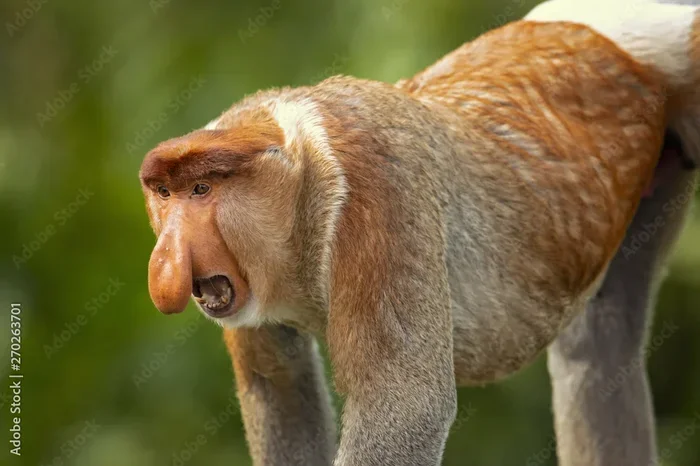

Learning how to say monkey in Spanish is simple: the word is “mono.” But there is more to this word than meets the eye. You will discover regional variations, pronunciation tips, and how native speakers actually use this word in everyday conversation. This guide covers everything you need to know about the Spanish translation for monkey, from basic vocabulary to fun cultural insights.
Have you ever been watching a cartoon or a movie and thought, “I want to say monkey in Spanish right now”? Maybe you are planning a trip to a Spanish-speaking country, or perhaps you just love learning new words. Either way, you are in the right place.
The answer to how to say monkey in Spanish is easier than you think. The word is “mono.” But there is a whole world behind that simple word. Different countries use it differently. Some regions have their own twist. And pronunciation can change everything. In this guide, we will walk you through every detail so you can say it like a local.
By the end of this article, you will not just know the word. You will know how to use it confidently in real conversations. We will cover pronunciation, regional differences, related animal words, and even some fun facts. Let us dive in.
Key Takeaways
- Mono is the standard Spanish word for monkey and works across most Spanish-speaking countries.
- Pronunciation matters — the “o” at the end is short and crisp, not drawn out.
- Regional differences exist, with some countries using mono de ciudad or simio for specific monkey types.
- Learning how to say monkey in Spanish opens the door to broader Spanish vocabulary for animals.
- Using the word naturally in sentences helps you sound more like a native speaker.
- There are fun cultural connections between monkeys and Spanish-speaking cultures.
- Knowing how do you say monkey in Spanish is a great starting point for beginner Spanish learners.
📑 Table of Contents
- The Simple Answer: How to Say Monkey in Spanish
- Regional Variations Across Spanish-Speaking Countries
- Pronunciation Tips to Sound Like a Native
- More Spanish Animal Words to Expand Your Vocabulary
- Fun Facts About Monkeys in Spanish-Speaking Cultures
- Common Mistakes to Avoid When Saying Monkey in Spanish
- How to Practice Saying Monkey in Spanish Every Day
- Why Learning How to Say Monkey in Spanish Matters
- Conclusion
The Simple Answer: How to Say Monkey in Spanish
The standard Spanish word for monkey is mono. It is pronounced “MOH-no.” The “o” at the end is short and quick, not like the English word “no.” Think of it as two syllables with equal stress on each.
Here is a quick breakdown of the pronunciation:
- Mo — sounds like “moh” in English.
- no — sounds like “noh” with a short, clipped ending.
That is it. One word. Two syllables. Easy to remember. But do not stop there. Knowing how to say monkey in Spanish is just the beginning. The real magic happens when you start using it in context.
Using Mono in a Sentence
Here are a few simple examples to get you started:
- “El mono come plátano.” — The monkey eats a banana.
- “Vi un mono en el zoo.” — I saw a monkey at the zoo.
- “Me gustan los monos.” — I like monkeys.
Notice how “mono” changes to “monos” when talking about more than one monkey. Just like in English, Spanish adds an “s” for plural. This is one of the simplest rules in the language.
Regional Variations Across Spanish-Speaking Countries
Spanish is spoken in over 20 countries. And just like English has different words depending on where you are, Spanish does too. The word mono works almost everywhere, but some regions have their own preferences.
Latin America
In most Latin American countries, “mono” is the go-to word. Whether you are in Mexico, Colombia, or Argentina, people will understand you perfectly. However, some countries have additional words for specific types of monkeys.
For example, in some regions, people use “mono de ciudad” to refer to city monkeys — the small, common monkeys you see in urban areas. This term adds a local flavor to the basic word.
Spain
In Spain, “mono” is also the standard word. However, some speakers might use “simio” when talking about larger primates. “Simio” is a more scientific or formal term. It covers monkeys, apes, and other primates. For everyday conversation, stick with “mono.”
Quick Comparison of Monkey Terms in Spanish
| Term | Usage | Region |
|---|---|---|
| Mono | Standard word for monkey | All Spanish-speaking countries |
| Simio | Formal or scientific term for primate | Spain and academic contexts |
| Mono de ciudad | City monkey, small urban monkey | Latin America (informal) |
| Chimpancé | Specific word for chimpanzee | All regions |
As you can see, “mono” is your safest and most universal choice. It works everywhere and everyone will understand it. If you want to sound more natural, try using it in different sentence structures.
Pronunciation Tips to Sound Like a Native
Pronunciation can make or break your Spanish skills. Even if you know the right word, saying it wrong can cause confusion. Here are some tips to help you nail the pronunciation of mono and other Spanish words.
Master the Spanish “O”
The Spanish “o” is different from the English “o.” In English, we often diphthong the “o” — turning “go” into something like “guh-oh.” In Spanish, the “o” stays pure and clean. It is a single, clear sound.
When you say “mono,” keep both “o” sounds short and crisp. Do not drag them out. Think of it as “moh-noh” with equal weight on both syllables.
Watch Your Stress
In Spanish, stress usually falls on the second-to-last syllable for words that end in a vowel. “Mono” follows this rule. The stress is even across both syllables. This makes it easy to pronounce correctly.
Quick Pronunciation Practice
Try saying these words that share the same “o” sound:
- Hola (OH-lah) — Hello
- Perro (PEH-roh) — Dog
- Gato (GAH-toh) — Cat
Notice how the “o” sounds stay short and consistent. This is the same pattern you will use with “mono.” Practice these together and your Spanish pronunciation will improve fast.
More Spanish Animal Words to Expand Your Vocabulary
Now that you know how to say monkey in Spanish, why not learn a few more animal words? Building your vocabulary around animals is one of the best ways to improve your Spanish. It is fun, practical, and easy to remember.
Common Spanish Animal Words
- Perro — Dog
- Gato — Cat
- Pájaro — Bird
- Pez — Fish
- Caballo — Horse
- Vaca — Cow
- Serpiente — Snake
- Tortuga — Turtle
See how simple these are? Many Spanish animal words are straightforward and easy to remember. Once you learn “mono” for monkey, you can start grouping these words together in your mind.
How This Connects to Other Topics
Learning animal names in Spanish connects to many other areas. For instance, if you love Spanish teddy bear names, you can combine your animal vocabulary with cute names for stuffed animals. Or if you are interested in Spanish rabbit names or Spanish cat names, you already have the foundation.
The same pattern applies to monkey names from movies. Many famous movie monkeys have Spanish names or Spanish-inspired names. Knowing the word for monkey in Spanish helps you understand those connections better.
Fun Facts About Monkeys in Spanish-Speaking Cultures
Monkeys hold a special place in many Spanish-speaking cultures. They appear in folklore, children’s stories, and even everyday expressions. Here are some fun facts that make learning this word even more interesting.
Monkeys in Latin American Folklore
In many Latin American countries, monkeys are seen as playful and clever creatures. They appear in traditional stories and legends. Children grow up hearing tales about mischievous monkeys who outsmart other animals. The word “mono” carries a sense of fun and energy in these cultures.
Monkeys in Spanish Media
Monkeys show up frequently in Spanish-language TV shows, movies, and books. They are popular characters in children’s animation and comedy. If you watch popular monkey names from Spanish media, you will notice how often the word “mono” appears in titles and dialogue.
Everyday Expressions
In some Spanish-speaking regions, people use monkey-related expressions in daily life. For example, “hacer monerías” means to act silly or playful. It comes directly from the word “mono.” These expressions add color to the language and show how deeply connected monkeys are to Spanish culture.
Common Mistakes to Avoid When Saying Monkey in Spanish
Even simple words can trip up learners. Here are some common mistakes to watch out for when you say “mono” or use it in sentences.
Mistake 1: Adding an English Accent
Some learners pronounce the “o” like the English “o” in “go.” This makes it sound unnatural. Keep the Spanish “o” pure and short. Practice saying “moh-noh” until it feels comfortable.
Mistake 2: Forgetting the Plural
If you are talking about more than one monkey, remember to add the “s.” “Monos” is the plural form. Forgetting this can make your sentences sound incomplete or confusing.
Mistake 3: Confusing Mono with Other Words
In Spanish, “mono” can also mean “cute” or “funny” in some contexts. It is used as slang, especially in Spain. So if someone says “¡Qué mono!” they are saying “How cute!” not referring to an actual monkey. Context matters.
Mistake 4: Using the Wrong Word for Ape
If you are talking about an ape or a large primate, “mono” might not be the best choice. Use “simio” or the specific name like “chimpancé” or “gorila.” This shows a deeper understanding of Spanish vocabulary.
How to Practice Saying Monkey in Spanish Every Day
The best way to learn any word is to use it regularly. Here are some practical tips to help you practice “mono” and build your Spanish skills.
Tip 1: Label Things Around Your Home
Write “mono” on sticky notes and place them near pictures of monkeys. Every time you see the note, say the word out loud. Repetition is one of the fastest ways to learn.
Tip 2: Watch Spanish-Language Content
Watch cartoons or shows in Spanish that feature monkeys. Pay attention to how native speakers say the word. You can also look at monkey names from movies to find Spanish titles and practice reading them.
Tip 3: Talk to Native Speakers
If you have friends or language partners who speak Spanish, ask them to correct your pronunciation. Real conversation is the best classroom. They will appreciate your effort and help you improve.
Tip 4: Use Language Apps
Many language apps include animal vocabulary lessons. Search for lessons that include “mono” and practice daily. Consistent practice builds confidence fast.
Why Learning How to Say Monkey in Spanish Matters
You might wonder why such a simple word deserves so much attention. The truth is, learning how to say monkey in Spanish is about more than just one word. It is about building a foundation for broader Spanish vocabulary and language skills.
Animal words are among the first words learners study. They are concrete, visual, and easy to remember. Once you know “mono,” you can start building sentences, having conversations, and expanding into more complex topics.
Moreover, knowing how to say common animals in Spanish helps you in real-life situations. If you visit a zoo in Mexico City or a rainforest in Costa Rica, you will want to talk about the animals you see. “Mono” is the word that gets you there.
And let us not forget the fun side. Learning words like “mono” brings joy to the language-learning process. It connects you to cultures, stories, and people in a meaningful way. Every new word is a small victory worth celebrating.
Whether you are a complete beginner or someone brushing up on your Spanish, mastering “mono” is a smart move. It is simple, useful, and opens the door to bigger and better things. Start using it today, and you will be surprised how quickly it becomes part of your natural speech.
Conclusion
Learning how to say monkey in Spanish is quick, easy, and incredibly useful. The word “mono” is your key to talking about one of the most beloved animals in the Spanish-speaking world. With the right pronunciation, a few practice sentences, and an understanding of regional variations, you can use this word confidently in any conversation.
Remember, language learning is a journey. Every word you add brings you closer to fluency. So keep practicing, keep exploring, and most importantly, keep having fun with it. The next time you see a monkey — whether in real life, on screen, or in a book — try saying “mono” out loud. You will be glad you did.
Frequently Asked Questions
What is the Spanish word for monkey?
The standard Spanish word for monkey is “mono.” It is pronounced “MOH-no” and works across all Spanish-speaking countries. This is the first and most important word to learn if you want to talk about monkeys in Spanish.
How do you pronounce mono in Spanish?
Pronounce “mono” as “moh-noh.” Keep both “o” sounds short and crisp. Do not drag them out like in English. The stress is even across both syllables, making it simple to say correctly.
Is mono the same in all Spanish-speaking countries?
Yes, “mono” is understood everywhere. However, some regions may use additional terms like “simio” for formal contexts or “mono de ciudad” for specific types of monkeys. Stick with “mono” for everyday conversation and you will be understood perfectly.
Can mono mean something other than monkey in Spanish?
Yes, in some contexts — especially in Spain — “mono” is used as slang to mean “cute” or “funny.” So if someone says “¡Qué mono!” they are expressing that something looks adorable, not referring to an actual monkey. Always pay attention to context.
What is the plural of mono in Spanish?
The plural of “mono” is “monos.” Simply add an “s” to the end of the word when talking about more than one monkey. This follows the standard Spanish rule for forming plurals of words ending in a vowel.
Are there other Spanish words for different types of monkeys?
Yes, “chimpancé” is used for chimpanzee, and “gorila” for gorilla. The general word “mono” covers most monkey species in everyday speech. For more specific terms, you can explore monkey names from movies and regional vocabulary guides to expand your knowledge further.



