

Learning how to say love in Japanese opens a beautiful window into one of the world’s most fascinating cultures. From the deep ai to the playful daisuki, Japanese offers many ways to express love. This guide covers romantic words, phrases, writing styles, and cultural tips so you can share your feelings with confidence.
Key Takeaways
- Ai (愛) is the formal word for love: It represents deep, lasting affection and is used in serious relationships.
- Koi (恋) means romantic love: This word captures the feeling of longing and passion, often used in poetry.
- Daisuki (大好き) means “I love you”: It is the most common way to directly express love in everyday conversation.
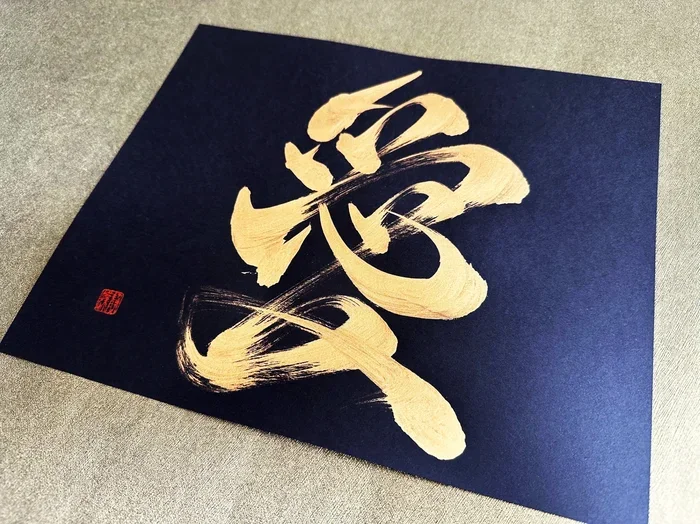
- Writing love in Japanese uses kanji: The kanji for love (愛) is one of the most recognized symbols worldwide.
- Cultural context matters: Japanese people often express love through actions more than words, so understanding this helps you connect better.
- Romantic phrases add depth: Phrases like “Anata ga suki” (I like you) and “Watashi no ai” (My love) make your feelings feel special.
- Multiple levels exist: From casual liking to deep devotion, Japanese gives you precise words for every stage of love.
📑 Table of Contents
- What Does “Love” Mean in Japanese?
- The Most Common Ways to Say Love in Japanese
- Romantic Japanese Phrases You Can Use Today
- How to Write Love in Japanese (Kanji and Symbols)
- Cultural Tips for Expressing Love in Japanese
- Common Mistakes When Saying Love in Japanese (And How to Avoid Them)
- Quick Tips for Learning Japanese Love Words
- Comparison: Different Levels of Love in Japanese
- Conclusion
What Does “Love” Mean in Japanese?
Japanese has more than one word for love. Each word carries a different weight and feeling. This is very different from English, where “love” covers everything from pizza to romance.
In Japanese culture, love is not just a single idea. It is a spectrum of emotions. You can feel a deep, quiet love for your family. You can feel a passionate love for a partner. You can even love your favorite food.
The most important words you need to know are ai (愛) and koi (恋). These two words form the foundation of every love expression in Japanese. Understanding the difference between them helps you communicate more clearly.
Japanese also uses suki (好き), which means “like.” Many people wonder if “like” and “love” are the same. They are not. But “suki” is often how people start before saying “love.” This gradual progression is very common in Japanese culture.
Why Japanese Has Multiple Words for Love
Japanese is a language with many levels of meaning. Words are chosen carefully based on context. Love is no different.
Think of it this way. English uses “love” for your dog, your partner, and your hobby. Japanese separates these feelings into different words. This makes the language more precise and expressive.
Learning these differences is a great Japanese lesson for anyone studying the language. It also helps you understand Japanese media, music, and literature much better.
The Most Common Ways to Say Love in Japanese
Now let us look at the specific words you can use. Each one has its own flavor and best use case. Here are the main ways to say love in Japanese.
Ai (愛) — Deep, Lasting Love
Ai is the most formal and powerful word for love. It represents deep emotional connection. This is the word you see in wedding ceremonies and serious relationships.
Ai is not used casually. You would not text your friend “ai” to say you love their cooking. It carries serious weight. When someone says “ai,” they mean it from the heart.
This word appears in many romantic Japanese songs and films. It is also a popular name choice. If you have ever seen a Japanese name that includes the character 愛, it means “love.” Many parents choose this character for their children.
Koi (恋) — Romantic and Passionate Love
Koi focuses on the romantic side of love. It is the feeling of longing. It is the butterflies in your stomach when you see someone special.
Koi is more about desire and attraction than commitment. It is love with a sense of yearning. This word is very common in Japanese poetry and music.
You might hear “koi” in a love song or a novel. It has a softer, more emotional tone than “ai.” While “ai” is steady and strong, “koi” is warm and flickering.
Daisuki (大好き) — “I Love You” in Everyday Speech
Daisuki is the most natural way to say “I love you” in daily conversation. It literally means “very much liked” or “greatly loved.” This is the word most learners should start with.
Daisuki works in many situations. You can say it to a partner, a close friend, or even your pet. It is warm and heartfelt without being too formal.
Many people learning the Japanese language prefer this word because it is easy to use. You can pair it with a name: “Haru ga daisuki” means “I love Haru.” Simple and sweet.
Suki (好き) — “I Like You”
Suki means “like” but is often used as a stepping stone to love. In Japanese, saying “suki” is a big deal. It shows real interest and affection.
Many romantic stories in Japan start with “suki.” One person says “suki” to another, and the relationship grows from there. Over time, “suki” can become “daisuki” and then “ai.” This progression reflects how love expression works in Japan.
Romantic Japanese Phrases You Can Use Today
Words are great, but phrases make your feelings feel even more real. Here are some beautiful Japanese phrases you can use to express love.
Simple Phrases for Beginners
These phrases are easy to learn and very effective. They work well for beginners who are just starting their Japanese lessons.
- Anata ga suki desu — I like you (special/romantic)
- Watashi wa anata ga daisuki — I love you
- Anata wo aishiteru — I love you (deep and serious)
- Kimi ga inai to — Without you (expresses longing)
- Itsumo anata wo omou — I always think of you
Sweet Phrases for Advanced Learners
Once you feel confident, try these more expressive phrases. They add depth and romance to your love translation.
- Anata no soba ni ireba ii — I want to be by your side
- Kimi to issho ni ireba — As long as I am with you
- Watashi no kokoro no naka no ai — The love inside my heart
- Anata ni todoke — Reach you (I want to reach your heart)
Quick Tips for Using Phrases
Context matters a lot in Japanese. Here are a few quick tips:
- Use “daisuki” with close friends and family, not just romantic partners.
- Save “aishiteru” for serious, committed relationships.
- Adding “desu” makes any phrase sound more polite and proper.
- Tone and body language carry extra meaning in Japanese communication.
How to Write Love in Japanese (Kanji and Symbols)
Writing love in Japanese is a beautiful experience. The kanji for love is one of the most recognized characters in the world. Let us look at how it works.
The Kanji 愛 (Ai)
The kanji 愛 means love. It is made up of several smaller parts. The top part includes the character for “hand” or “claw.” The bottom part includes “heart.” Together, they show love as an action from the heart.
This is a powerful image. It tells us that love is not just a feeling. Love is something you do. It is an active choice. This idea is central to Japanese culture and how people approach relationships.
You will see this kanji in names, tattoos, art, and jewelry. It is a timeless symbol. Many people around the world choose 愛 as a tattoo because of its deep meaning.
The Kanji 恋 (Koi)
The kanji 恋 looks different but is equally beautiful. It combines “heart” with “call” or “seek.” This suggests a heart calling out to someone. It captures the feeling of romantic longing perfectly.
While 愛 is about deep, steady love, 恋 is about the excitement of new feelings. Both are powerful. Both are worth learning how to write.
Writing Love in Japanese Script
Japanese uses three writing systems: kanji, hiragana, and katakana. Love can be written in all three.
- Kanji: 愛 (formal, artistic, deep)
- Hiragana: あい (soft, casual, gentle)
- Katakana: アイ (modern, emphasis, foreign context)
Each style gives the word a different feel. For a love letter, hiragana feels personal and warm. For a tattoo, kanji feels strong and classic. For a modern design, katakana feels fresh.
Cultural Tips for Expressing Love in Japanese
Knowing the words is only part of the picture. Understanding how Japanese people express love helps you connect on a deeper level.
Actions Speak Louder Than Words
In Japan, showing love through actions is very important. Many Japanese people do not say “ai” or “daisuki” often. Instead, they show love through small acts of care. This might include cooking a meal, remembering details, or simply being present.
This does not mean words are not’t valued. They are. But actions carry deep meaning. If your Japanese partner does something kind for you, that is their way of saying love. Understanding this makes relationships stronger.
The Role of Honorifics
Japanese uses honorific language to show respect. When expressing love, the level of politeness matters. Using “desu” and “masu” forms shows care and sincerity. Using casual speech shows closeness and comfort.
Choosing the right level is part of the Japanese grammar learning journey. It shows that you understand not just the words, but the people around you.
Love in Japanese Media
Japanese movies, anime, and music are full of love expressions. If you enjoy these, you already have a head start. Pay attention to how characters say “suki” versus “daisuki.” Notice the tone and situation. This is one of the best ways to learn natural love expression in Japanese.
Many fans of Japanese culture also love exploring related topics. For example, if you enjoy Japanese naming traditions, you might be interested in our guides on Japanese fox names or Japanese cat names, both of which draw from the same rich cultural roots.
Common Mistakes When Saying Love in Japanese (And How to Avoid Them)
Even careful learners make mistakes. Here are the most common ones and how to fix them.
Using “Ai” Too Casually
As we discussed, “ai” is strong. Using it with a casual friend can feel awkward or too intense. Save it for when you truly mean it. A good rule is: if you would not say it in a wedding vow, do not say “ai.”
Confusing “Suki” and “Daisuki”
“Suki” means “like” and “daisuki” means “love very much.” Mixing them up is common. Remember: “suki” is the beginning. “Daisuki” is the next step. Use “daisuki” when you want to express real love, not just a liking.
Ignoring Context and Tone
Japanese relies heavily on context. The same words can mean different things based on tone. Saying “daisuki” with a smile feels warm. Saying it flatly can feel strange. Always match your tone to your feeling.
Forgetting the Formal Version
Some learners only learn the casual form. But formal situations need formal words. For example, “anata ga suki desu” is more proper than “suki da.” Learning both forms makes you more versatile in any Japanese translation task.
Expert Insight
Language teachers often say: “Start with daisuki. Master suki. Save ai for the right moment.” This advice works for almost every learner. It builds a natural progression that mirrors how Japanese people themselves experience love.
Quick Tips for Learning Japanese Love Words
Here are some fast, practical tips to help you remember and use these words well.
- Flashcards work great. Write each word on one side and its meaning on the other. Practice daily for 10 minutes.
- Watch Japanese dramas. Romance dramas are full of love phrases. Pause and repeat the words out loud.
- Listen to Japanese music. Love songs use these words often. Reading lyrics while listening builds your skills.
- Practice with a partner. Find a language exchange partner and practice expressing love in real conversations.
- Write in Japanese. Try writing short love notes in Japanese. Even simple ones help you remember.
- Use apps. Many language apps include daily word reviews. Set your daily review to include love-related words.
Comparison: Different Levels of Love in Japanese
Here is a helpful table comparing the main love words and phrases in Japanese. Use it as a quick reference.
| Japanese | Meaning | Best Used For | Formality Level |
|---|---|---|---|
| Suki (好き) | I like you | Early stages of a relationship | Casual to polite |
| Daisuki (大好き) | I love you very much | Friends, family, and partners | Casual to polite |
| Ai (愛) | Love (deep) | Serious relationships, vows, art | Formal and deep |
| Koi (恋) | Romantic love | Poetry, music, longing | Literary and emotional |
| Aishiteru (愛してる) | I love you (serious) | Committed romantic relationships | Intimate and serious |
Conclusion
Learning how to say love in Japanese is about much more than vocabulary. It is about understanding a culture that values depth, sincerity, and action. Every word carries meaning. Every phrase has a place. Every written character tells a story.
Start simple. Use “daisuki” when you want to express love. Explore “suki” as a gentle beginning. Save “ai” for the moments that matter most. Write “恋” in your journal. Read “愛” in your favorite song lyrics.
The beauty of Japanese love words is that they invite you to feel more deeply. Each expression asks you to be intentional with your heart. That is a gift any language can offer. Take what you have learned here and use it. Speak it, write it, and live it. Your love expression in Japanese is waiting.
Frequently Asked Questions
What is the most common way to say love in Japanese?
The most common way is “daisuki” (大好き), which means “I love you very much.” It works in everyday conversation and is easy for beginners to use. It is warm, natural, and fits many situations.
What is the difference between “ai” and “koi” in Japanese?
“Ai” (愛) means deep, lasting love used in serious relationships. “Koi” (恋) means romantic, passionate love with a sense of longing. Ai is steady and strong, while koi is emotional and yearning. Both are beautiful expressions of love.
Is “suki” the same as “love” in Japanese?
Not exactly. “Suki” (好き) means “like” rather than “love.” However, it is often the first step toward expressing love. In Japanese culture, saying “suki” to someone is a meaningful statement. Over time, “suki” can grow into “daisuki” or even “ai.”
How do you write love in Japanese kanji?
The kanji for love is 愛 (ai). It combines the idea of hand and heart, meaning love is an action from the heart. Another kanji, 恋 (koi), represents romantic love. Both characters are widely used in art, names, and tattoos.
Can I say “ai” to a friend in Japanese?
It is not recommended. “Ai” is a very strong and formal word for love. Using it with a friend may feel too intense or romantic. Instead, use “daisuki” for friends and family. Reserve “ai” for committed romantic relationships or artistic contexts.
Are there other ways to express love in Japanese besides words?
Yes, absolutely. In Japanese culture, actions often speak louder than words. Small acts of kindness, thoughtfulness, and presence are powerful ways to show love. Gift-giving, writing letters, and quality time are also deeply valued forms of love expression.
=== CONCLUSION ===
Conclusion
Learning how to say love in Japanese is about much more than vocabulary. It is about understanding a culture that values depth, sincerity, and action. Every word carries meaning. Every phrase has a place. Every written character tells a story.
Start simple. Use “daisuki” when you want to express love. Explore “suki” as a gentle beginning. Save “ai” for the moments that matter most. Write “恋” in your journal. Read “愛” in your favorite song lyrics.
The beauty of Japanese love words is that they invite you to feel more deeply. Each expression asks you to be intentional with your heart. That is a gift any language can offer. Take what you have learned here and use it. Speak it, write it, and live it. Your love expression in Japanese is waiting.



