
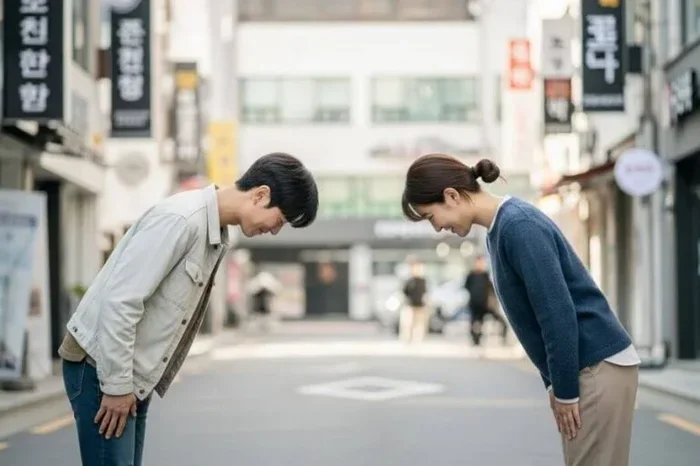

Learning how to say hi in Korea is simpler than you think. The most common greeting is annyeonghaseyo, but Koreans use different phrases based on formality and the time of day. This guide covers every essential greeting you need for any situation, from casual meetups to formal settings. You will also learn about the bowing custom and cultural nuances that make Korean greetings unique.
So you are planning a trip to South Korea, or maybe you just want to impress your Korean friends. Either way, knowing how to say hi in Korea is the perfect place to start. Greetings are the first thing people notice, and a simple hello can break the ice faster than you think.
Korean greetings are more than just words. They carry culture, respect, and social meaning. The way you greet someone tells a lot about your relationship and your awareness of Korean customs. In this guide, we will walk you through every easy phrase you need. We will also cover the cultural side of greetings so you feel confident in any situation.
Key Takeaways
- annyeonghaseyo is the standard and most widely used greeting in Korean.
- Koreans adjust greetings based on the time of day, just like saying good morning or good evening.
- Bowing is a key part of Korean greetings and shows respect.
- There are formal and casual ways to greet people, and using the wrong one can feel awkward.
- Learning a few extra phrases like hello in Korean will help you connect with locals faster.
- Understanding Korean speech levels makes greetings feel natural and respectful.
- Practice these phrases daily to build confidence before your trip.
📑 Table of Contents
Why Learning Korean Greetings Matters
Many travelers skip greetings and jump straight to asking for directions or ordering food. That is a mistake. Korean greetings set the tone for every interaction. When you greet someone properly, people notice. It shows effort, and Koreans really appreciate that.
Think about how you feel when someone greets you in your own language. It feels warm, right? The same thing happens in Korea. Even a basic hello in Korean can make someone smile. It opens doors and makes conversations flow more naturally.
First Impressions Count
In Korean culture, first impressions matter a lot. People judge politeness early in a conversation. Using the right greeting shows that you care about Korean etiquette. It also shows that you took time to learn something about their culture. That small effort goes a long way.
The Most Common Way to Say Hi: Annyeonghaseyo
If you only learn one phrase, make it annyeonghaseyo. This is the standard, all-purpose greeting in Korean. You can use it with strangers, coworkers, elders, and almost anyone. It works in shops, restaurants, offices, and on the street.
Pronouncing annyeonghaseyo is not as hard as it looks. Break it into three parts:
- An-nyeong (ahn-nyung) — means peace or hello
- Ha-se-yo (hah-seh-yoh) — is a polite verb ending
Put them together and you get a warm, respectful greeting. Most Koreans will appreciate your attempt, even if your pronunciation is not perfect. They will often help you improve with a friendly smile.
When to Use Annyeonghaseyo
This phrase works in most situations during the day. Use it when you meet someone new, enter a store, or greet a neighbor. It is polite but not overly formal. For very formal settings, there are other options we will cover below.
Time-Based Greetings in Korean
Just like English, Koreans use different greetings depending on the time of day. Learning these time-based Korean greetings adds a natural touch to your conversations.
Good Morning in Korean
To say good morning, use annyeonghaseyo as well. However, a more specific option is joheun achim (joh-eun ah-chim), which means good morning. This phrase is a bit more poetic and is often used in casual settings or with friends.
Good Evening in Korean
For the evening, say annyeonghaseyo again. But if you want to be more specific, try joheun bam (joh-eun bam), which means good evening. This works well when greeting someone later in the day or at night.
A Quick Comparison
Here is a simple way to think about it. Most of the time, annyeonghaseyo is your safe bet. The time-specific phrases are nice extras that show deeper knowledge of the language.
Formal vs Casual Greetings
One of the most important things to understand about Korean speech levels is that greetings change based on who you are talking to. Koreans use different levels of politeness depending on age, status, and familiarity.
Formal Greetings
When meeting someone older, a boss, or a stranger in a serious setting, use extra polite language. The base phrase annyeonghaseyo already falls into the polite category. For very formal situations, you might hear or use annyeonghashimnida (ahn-nyung-hah-shim-nee-dah). This is the most respectful version of hello.
Use this when:
- Meeting elders for the first time
- Speaking with someone in a position of authority
- Attending formal events or business meetings
Casual Greetings
With close friends or people your own age, you can drop the politeness. The casual way to say hi is simply annyeong (ahn-nyung). It is short, relaxed, and friendly. Use this only with people you are comfortable with.
Using a casual greeting with someone older or in a formal role can feel disrespectful. So always start polite and let the other person guide the tone.
Quick Reference Table
| Situation | Greeting | Level |
|---|---|---|
| General use | Annyeonghaseyo | Polite |
| Very formal | Annyeonghashimnida | Formal |
| With friends | Annyeong | Casual |
| Good morning | Joheun achim | Polite |
| Good evening | Joheun bam | Polite |
The Art of Bowing in Korea
Saying hi in Korea is not just about words. Bowing is a huge part of Korean greetings. It shows respect and is deeply rooted in Korean culture. Even a small nod counts as a bow, and Koreans do it naturally every day.
How to Bow Properly
For a casual greeting, a slight nod of the head is enough. For a polite greeting, bend forward about 15 to 30 degrees. Keep your back straight and your hands at your sides. For a very formal bow, go deeper — about 45 degrees or more.
The deeper the bow, the more respect you are showing. In everyday situations, a gentle nod with annyeonghaseyo works perfectly. You do not need to overthink it.
When Bowing Is Expected
You should bow when:
- Meeting someone for the first time
- Greeting someone older than you
- Thanking or apologizing to someone
- Attending a formal event or ceremony
Bowing might feel strange at first, especially if you are not used to it. But with practice, it becomes second nature. And locals will really appreciate the effort.
Extra Phrases to Sound Like a Local
Once you master the basic greetings, a few extra phrases will take your Korean language basics to the next level. These are simple additions that make your greetings feel complete and natural.
Nice to Meet You
When meeting someone for the first time, say mannaseo bangapseumnida (man-nah-seh bang-ap-seum-nee-dah). This means nice to meet you and is the formal way to express it. For casual situations, you can say mannaseo bangapseumnida with a lighter tone or simply ban-gap-seum-ni-da.
How Are You?
A common follow-up after greeting someone is to ask how they are. The polite version is jal jinaess-eoyo? (jal-jin-ay-sseo-yoh), which means are you well? This is a friendly question and Koreans often use it after a greeting.
Long Time No See
If you have not seen someone in a while, say mani bosipnida (mah-nee boh-seep-nee-dah), which means it has been a long time. This phrase always brings a smile and shows that you value the relationship.
Common Mistakes to Avoid
Even with the best intentions, learners sometimes make mistakes with Korean greetings. Here are a few common ones to watch out for.
Using Casual Language with Elders
This is the biggest mistake. Using annyeong with someone older can come across as rude. Always default to annyeonghaseyo unless the other person invites casual speech.
Forgetting to Bow
Words alone are not enough in Korea. Skipping the bow can make your greeting feel incomplete. Even a small nod adds warmth and respect to your words.
Overcomplicating Things
Do not worry about perfect pronunciation right away. Koreans are forgiving and encouraging. Focus on being polite and genuine. The effort matters more than perfection.
Practical Tips for Beginners
Ready to put your new greetings into practice? Here are some easy tips to help you remember and use these phrases confidently.
Practice Every Day
Repeat your greetings out loud every morning. Say annyeonghaseyo to yourself in the mirror. The more you practice, the more natural it will feel. Consistency beats intensity when learning a new language.
Watch Korean Shows
Korean dramas and variety shows are goldmines for hearing real greetings in action. Pay attention to how characters greet each other in different situations. You will pick up on tone, body language, and context quickly.
Find a Language Partner
Talking to a real person is the fastest way to improve. Use language exchange apps to find Korean partners. Practice your greetings with them regularly. They can correct your pronunciation and share cultural insights.
Start Small and Build Up
Do not try to learn everything at once. Start with annyeonghaseyo and the bow. Add one new phrase each week. Before you know it, you will have a full set of greetings ready for any situation.
Key Takeaways
- Annyeonghaseyo is your go-to greeting for almost every situation in Korea.
- Time-based greetings like joheun achim and joheun bam add a natural touch.
- Always match your greeting level to the formality of the situation and the age of the person.
- Bowing is essential and shows genuine respect in Korean culture.
- Extra phrases like nice to meet you and how are you make conversations smoother.
- Avoid common mistakes by defaulting to polite speech with elders and strangers.
- Daily practice and real conversations are the fastest paths to confidence.
Conclusion
Learning how to say hi in Korea is your first step toward meaningful connections. With annyeonghaseyo in your pocket and a basic understanding of bowing and politeness levels, you are already ahead of most travelers. These simple phrases open doors, build trust, and show respect for Korean culture.
Do not be afraid to make mistakes. Every greeting you practice brings you closer to fluency and cultural awareness. Start today, practice daily, and soon greeting people in Korean will feel completely natural. The warmth you receive in return will make every effort worthwhile.
Remember, language is more than words. It is about connection. And every time you greet someone in their language, you are building a bridge between cultures. That is something truly special.
FAQs
Is annyeonghaseyo the only way to say hi in Korea?
No, there are several ways. Annyeonghaseyo is the most common and versatile greeting. For formal settings, you can use annyeonghashimnida. With close friends, the casual annyeong works well. Time-specific greetings like joheun achim are also used in daily conversation.
Do I need to bow every time I greet someone in Korea?
A small nod or slight bow is appreciated in most situations. You do not need to bow deeply every time. The deeper the bow, the more respect it shows. For everyday casual greetings, a gentle nod with annyeonghaseyo is perfectly fine.
Can I use casual greetings with strangers?
It is best to start with polite greetings like annyeonghaseyo when meeting strangers. Using casual language with someone you do not know well can feel disrespectful. Let the other person set the tone if they want to speak more casually.
How do I pronounce annyeonghaseyo correctly?
Break it into three parts: an-nyeong (ahn-nyung), ha-se-yo (hah-seh-yoh). Practice slowly at first. Listening to native speakers on language apps or Korean dramas helps a lot with getting the rhythm right.
What is the difference between formal and casual speech in Korean greetings?
Formal speech uses extra polite endings like hashimnida. Casual speech drops these endings, making the greeting shorter and more relaxed. Always use formal speech with elders, strangers, and in professional settings. Switch to casual only with close friends.
What does the in situ meaning of Korean greetings tell us about the culture?
Understanding the in situ meaning of greetings reveals how deeply respect and social hierarchy are woven into Korean daily life. Greetings are not just words — they reflect relationship dynamics, age awareness, and cultural values. Learning this context helps you use greetings more authentically and respectfully.



