
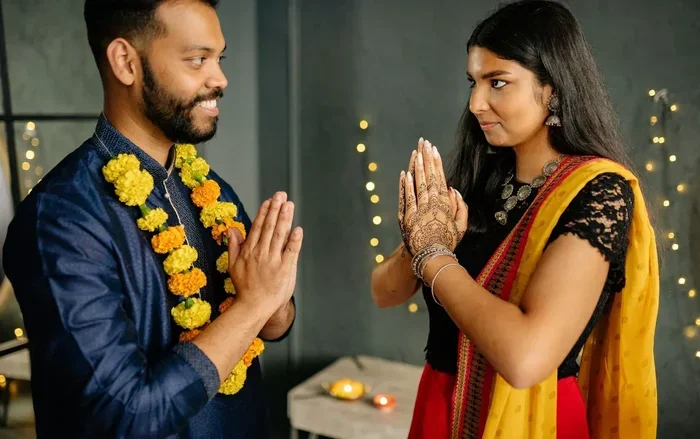

Learning how to say hello in India opens doors to genuine connections and cultural respect. India is a diverse country with hundreds of languages, so greetings vary by region, religion, and context. This guide covers the most common ways to greet people like a local, from the famous namaste to regional phrases you will love.
Imagine walking into a bustling market in Jaipur or a quiet temple in Kerala. You want to greet someone, but you are not sure what to say. That moment can feel awkward. But here is the good news. Learning how to say hello in India is simpler than you think, and it makes a huge difference.
India is home to over 1.4 billion people and more than 20 official languages. Every region, every state, and sometimes every village has its own way of greeting. The word namaste might be the most famous, but it is just the tip of the iceberg. In this guide, we will walk you through the best greetings, the right body language, and the cultural context behind each one. By the end, you will know exactly how to greet people like a true local.
Whether you are planning a trip or just curious about Indian culture, this article covers everything you need. We will look at formal and informal greetings, regional variations, and even how your body language plays a role. Let us dive in.
Key Takeaways
- Namaste is the most universal greeting: Used across India, it shows respect and warmth.
- Regional greetings matter: Different states have their own unique ways to say hello.
- Body language is key: How you greet someone in India includes gestures, not just words.
- Context changes everything: The right greeting depends on formality, age, and relationship.
- Learning a few phrases goes a long way: Locals appreciate the effort even if your pronunciation is imperfect.
📑 Table of Contents
- Why Greetings Matter So Much in India
- The Most Common Indian Greetings You Should Know
- Regional Greetings Across India
- Body Language and Non-Verbal Cues
- Formal vs. Informal Greetings
- Common Mistakes to Avoid When Greeting in India
- Quick Tips for Greeting Like a Local
- Expert Insights on Indian Greeting Customs
- Key Takeaways
Why Greetings Matter So Much in India
In many Western countries, a quick “hello” or handshake gets the job done. In India, greetings carry deeper meaning. They reflect respect, hierarchy, and warmth. The way you greet someone can tell them a lot about your intentions and your level of respect.
In Indian culture, greetings are not just words. They are a small ritual. Elders are greeted first. Younger people show deference through their words and gestures. The context of the greeting matters a lot too. Saying hello in a temple is different from saying hello at a business meeting. This is where understanding in situ meaning becomes really important. The same word can carry different weight depending on the situation you are in.
The Role of Respect in Indian Greetings
Respect is at the heart of every Indian greeting. When you use the right words and gestures, you show that you value the other person. This is especially true when greeting elders or people you have just met. A simple namaste with hands pressed together and a slight bow instantly communicates humility and warmth.
Many travelers underestimate this. They rush through greetings or use casual language too early. This can come across as disrespectful. Taking a moment to greet someone properly shows that you understand and appreciate local customs. It is one of the easiest ways to build trust and make meaningful connections.
The Most Common Indian Greetings You Should Know
Now let us get into the fun part. Here are the most popular ways to say hello across India. Each one has its own flavor and cultural significance.
Namaste and Namaskar
Namaste is the gold standard of Indian greetings. It is used from the Himalayas in the north to the beaches of the south. The word comes from Sanskrit and literally means “I bow to you.” When you say namaste, you press your palms together near your chest, slightly bow your head, and say the word with a warm smile.
Namaskar is very similar. Some people use namaskar in more formal or spiritual settings. Both are perfectly acceptable in almost any situation. Here is a quick comparison:
- Namaste — Casual and friendly. Use it with peers, shopkeepers, and new acquaintances.
- Namaskar — Slightly more formal. Great for elders, spiritual settings, and respectful greetings.
Both greetings work beautifully in formal and informal settings. The key is the sincerity behind them. A rushed namaste feels hollow. A heartfelt namaste with eye contact and a genuine smile goes a long way.
Sat Sri Akal
If you are in Punjab or meeting someone from the Sikh community, Sat Sri Akal is the greeting to use. It means “Truth is the Eternal One.” This phrase is deeply rooted in Sikh tradition and is used by people of all ages. Pair it with a respectful nod or a slight hand gesture, and you will instantly connect with the person.
Many visitors to Amritsar or Chandigarh hear this greeting everywhere. It is warm, powerful, and unmistakably Punjabi. Using it shows that you recognize and respect the local cultural identity.
Jai Hind
Jai Hind translates to “Victory to India.” It is a patriotic greeting that carries strong national pride. You will hear this often in the military, at government events, and during national celebrations. While it is not a daily hello for most people, it is a great phrase to know if you want to connect on a deeper level with Indians who love their country.
Use Jai Hind when the situation calls for it. It is not the right greeting for a casual market conversation, but it works well in formal or patriotic contexts. Think of it as a greeting that honors the nation itself.
Regional Greetings Across India
One of the most fascinating things about how to say hello in India is the incredible variety across regions. India is not one homogeneous culture. It is a mosaic of languages, traditions, and customs. Each region has its own way of greeting.
North India
In states like Uttar Pradesh, Rajasthan, and Delhi, namaste dominates daily life. But you might also hear Ram Ram in parts of Rajasthan and Madhya Pradesh. This greeting is deeply spiritual and is often used among Hindus. It is warm, familiar, and perfect for greeting people you know or are meeting for the first time in a traditional setting.
In Punjab, as mentioned earlier, Sat Sri Akal is the go-to greeting. The Punjabi culture is known for its warmth and hospitality, and the greeting reflects that beautifully.
South India
In Kerala, you might hear Namaskaram, which is the Malayalam version of namaste. In Tamil Nadu, the greeting Vanakkam is widely used. It comes from the Tamil word for “hello” and is simple, elegant, and easy to say.
In Karnataka, Namaskara is common. In Andhra Pradesh and Telangana, you might hear Namaskaram or even Haribol in more traditional settings. Each of these greetings carries the same spirit of respect and warmth that defines Indian greetings everywhere.
East and Northeast India
In West Bengal, the famous Namaskar or Pranam is widely used. In the northeastern states like Assam and Meghalaya, Nomoshkar is a common greeting, especially among Bengali-speaking communities. Each greeting reflects the rich linguistic diversity of the region.
West India
In Maharashtra and Gujarat, Namaste remains the standard. In Gujarat, you might also hear Jai Shri Krishna in more religious or traditional contexts. This greeting acknowledges Lord Krishna and is a beautiful expression of devotion.
Body Language and Non-Verbal Cues
Words are only half the story when it comes to how to greet people in India. Your body language matters just as much. In fact, in many parts of India, the gesture is even more important than the word itself.
The Namaste Gesture
The classic namaste gesture involves pressing your palms together in front of your chest. Your fingers should be pointed upward. You then bow your head slightly and make eye contact. This simple act communicates respect, humility, and friendliness all at once.
Here are some tips for getting the gesture right:
- Keep your palms close together but not rigid. A natural, relaxed position feels most authentic.
- Bow slightly — not too deep. A small nod of the head is perfect for casual greetings.
- Make eye contact with a warm smile. This shows genuine interest and friendliness.
- Use both hands for a more respectful greeting, especially with elders.
Handshake Etiquette
Handshakes are becoming more common in urban India, especially in business settings. However, there are a few things to keep in mind:
- Wait for the other person to extend their hand first. This shows respect for personal space and cultural norms.
- Use a gentle handshake. A firm Western-style handshake can feel too aggressive in many Indian contexts.
- Some people may not offer a handshake at all, especially women or those from more traditional backgrounds. Always follow their lead.
The Importance of Eye Contact and Smiling
A warm smile is universal, and in India, it amplifies any greeting. When you combine a smile with namaste or any regional greeting, the effect is powerful. Eye contact shows confidence and sincerity, but avoid staring. A gentle, relaxed gaze is the sweet spot.
Formal vs. Informal Greetings
Knowing when to use formal and informal greetings is essential for navigating Indian social etiquette. The wrong level of formality can feel awkward or even disrespectful.
Formal Greetings
Use formal greetings when meeting:
- Elders or senior people
- Business contacts for the first time
- Government officials or authority figures
- People in religious or ceremonial settings
In these situations, Namaskar is a safer choice than casual namaste. Add a slight bow and keep your tone respectful and measured. If you are unsure, it is always better to be slightly more formal than too casual.
Informal Greetings
With friends, peers, and people your age or younger, casual greetings work perfectly. A simple namaste with a smile and a relaxed tone is all you need. In some regions, people even use English words like “Hi” or “Hello” in informal settings, especially among younger generations in cities.
Common Mistakes to Avoid When Greeting in India
Even well-meaning travelers can stumble when greeting people in India. Here are some common mistakes to watch out for:
- Using only words without gestures. In India, a greeting is a full-body experience. Skipping the hand gesture can make your hello feel incomplete.
- Being too casual with elders. Always use respectful language and gestures when greeting older people. A casual “hey” can feel dismissive.
- Ignoring regional differences. Using the same greeting everywhere can feel tone-deaf. Learning a regional phrase shows effort and respect.
- Rushing the greeting. Indians value personal connection. Take a moment. Ask how someone is doing. The greeting is a conversation starter, not a speed bump.
- Overthinking it. Most people will appreciate your effort regardless of perfection. Do not let fear of mistakes stop you from trying.
Quick Tips for Greeting Like a Local
Want to impress people with your greeting skills? Here are some quick, practical tips:
- Learn namaste and namaskar first. These two words cover 90% of situations.
- Add one regional greeting based on where you are visiting. Vanakkam in Tamil Nadu, Sat Sri Akal in Punjab, and so on.
- Practice the hand gesture at home. Muscle memory makes it feel natural when the moment arrives.
- Smile genuinely. This is the single most powerful tool in any greeting.
- Watch and follow local cues. Pay attention to how people around you greet each other and mirror their energy.
- Do not worry about perfect pronunciation. The effort itself is what people will appreciate most.
Expert Insights on Indian Greeting Customs
Cultural experts and long-term residents of India often highlight one key point: greetings are an invitation to connect. They are not a formality to rush through. When you take the time to greet someone properly, you are saying, “I see you, I respect you, and I am glad you are here.”
This philosophy is deeply embedded in Indian culture. It reflects values of community, humility, and togetherness. Understanding this mindset helps you go beyond just the words. It transforms your greetings from mechanical exchanges into genuine moments of human connection.
Travelers who embrace this approach often find that their experiences in India become richer and more meaningful. People open up more. Conversations flow more naturally. And those first moments of connection set the tone for everything that follows.
Key Takeaways
- Namaste and namaskar are universal greetings that work across India in most situations.
- Regional greetings like Vanakkam, Sat Sri Akal, and Jai Hind show respect for local culture and identity.
- Body language matters as much as words in Indian greetings. The hand gesture, bow, and smile all play a role.
- Formal and informal greetings serve different purposes — knowing when to use each makes a big difference.
- Avoid common mistakes like being too casual with elders or skipping gestures entirely.
- Practice and sincerity matter more than perfection. Locals appreciate the effort you put into greeting them properly.
Mastering how to say hello in India is one of the simplest yet most powerful ways to connect with the people and culture of this incredible country. A warm namaste, a genuine smile, and a little curiosity about regional traditions can transform a simple hello into a meaningful moment. So the next time you find yourself in India, greet with confidence, greet with respect, and greet like a local.
Frequently Asked Questions
What is the most common way to say hello in India?
Namaste is by far the most common and widely recognized greeting across India. It is used in virtually every state and works in both casual and semi-formal settings. Simply press your palms together, bow slightly, and say “namaste” with a smile.
Is it rude to shake hands in India?
Not at all, but context matters. Handshakes are increasingly common in urban and business settings. However, many people — especially women and those from traditional backgrounds — may prefer a verbal greeting with a hand gesture over a handshake. Always wait for the other person to initiate.
Do greetings differ by religion in India?
Yes, they can. Sikhs use “Sat Sri Akal,” Hindus may say “Ram Ram” or “Jai Shri Krishna,” and Muslims might use “Assalamu Alaikum.” These greetings reflect the rich diversity of religious traditions across the country.
Do I need to learn regional greetings?
It is not necessary, but it is highly appreciated. Learning even one regional greeting shows that you respect and care about the local culture. It can spark wonderful conversations and make your interactions more meaningful.
What body language should I use when greeting someone in India?
The most important gesture is the namaste — palms pressed together near your chest with a slight bow. Maintain warm eye contact, smile genuinely, and avoid overly firm handshakes. With elders, use both hands for extra respect.
Can I just say “Hello” or “Hi” in India?
Yes, especially in cities and among younger people, English greetings like “Hello” and “Hi” are perfectly acceptable in informal settings. However, learning even a few local phrases will enhance your experience and show deeper cultural respect.
=== CONCLUSION ===
Learning how to say hello in India is more than just memorizing words. It is about understanding a culture built on respect, warmth, and human connection. From the universal namaste to the vibrant regional greetings like Vanakkam and Sat Sri Akal, each phrase carries its own story and significance.
Your body language, your smile, and your sincerity all amplify your greeting. And knowing when to be formal versus informal shows that you understand the nuances of Indian social etiquette. The next time you visit India or meet someone from India, put these tips into practice. You will not just say hello — you will connect.



