

Want to learn how to say happy name day in Greek? This guide covers authentic Greek phrases, pronunciation tips, and cultural traditions behind name day celebrations. You will discover the best greetings, understand Greek Orthodox customs, and feel confident sending heartfelt wishes to your Greek friends and family.
Greece is a country rich in culture, history, and tradition. One of the most beloved customs in Greek life is the name day celebration. Unlike many other cultures where birthdays take center stage, Greeks often honor their name day with equal or even greater enthusiasm. If you have Greek friends, colleagues, or family members, knowing how to say happy name day in Greek can make your greetings feel truly special and heartfelt.
Whether you are planning a surprise party, sending a text message, or writing a card, using the right Greek phrases shows that you care about their traditions. In this guide, we will walk you through everything you need to know. You will learn the most common name day greetings, understand the cultural roots behind the celebrations, and discover how to make your wishes sound authentic and warm.
The concept of a name day comes from the Greek Orthodox tradition. Every day of the year is associated with one or more saints. When a child is born, the parents often choose a name based on the saint whose feast day falls near the birth date. This Greek naming tradition has been passed down for centuries and remains a central part of Greek culture today.
So what does it mean to celebrate a name day? It is a day when the person named after a particular saint is honored. Friends and family gather to share food, exchange gifts, and offer blessings. The atmosphere is joyful, and the name day greeting is the centerpiece of the celebration. Learning how to say happy name day in Greek properly is the first step toward joining in this beautiful tradition.
Key Takeaways
- Learn the basic phrase: The most common way to say happy name day in Greek is “Χρόνια Πολλά” (Chronia Polla), which works for both name days and birthdays.
- Understand the cultural importance: Name days in Greece are often more celebrated than birthdays, rooted in Greek Orthodox traditions and the feast day of a patron saint.
- Use authentic greetings for different occasions: There are specific phrases for formal, informal, and written greetings that show respect and cultural awareness.
- Follow Greek name day customs: Bringing gifts, sharing food, and visiting the church are key parts of a traditional Greek name day celebration.
- Pronunciation matters: Getting the Greek sounds right shows effort and appreciation, and locals will love your attempt to speak their language.
- Expand your Greek vocabulary: Learning name day phrases opens the door to deeper conversations about Greek culture, history, and traditions.
📑 Table of Contents
How to Say Happy Name Day in Greek
The most important thing to know is the basic phrase. When you want to wish someone a happy name day in Greek, the standard expression is:
Χρόνια Πολλά — pronounced “HRO-nee-a POLL-a.” This phrase literally translates to “Many Years,” similar to the French “Joyeux Anniversaire.” It works for both name days and birthdays, making it a versatile and universally understood greeting in Greece.
Here are some additional ways to express your wishes:
- Χρόνια Πολλά και Ευτυχισμένο το Όνομά σου — “Many Years and Happy Name Day to you.” This is a more complete and formal version of the basic greeting.
- Στην Υγεία σου — “To your health.” This is a warm, casual wish often used among close friends.
- Να τα εκατοστήσεις — “May you turn one hundred.” This is a playful and affectionate way to wish someone a long and healthy life.
- Ευτυχισμένο το Όνομά σου — “Happy is your name.” A simple and elegant greeting that focuses on the name itself.
Each of these phrases carries its own tone and level of formality. The first one, Χρόνια Πολλά, is by far the most common. You will hear it everywhere during name day season in Greece. The last phrase, “Happy is your name,” connects to the deeper in situ meaning of why names matter so much in Greek culture. Names are not just labels — they carry spiritual weight and family heritage, and understanding this in situ meaning helps you appreciate the depth behind every greeting.
Pronunciation Tips for Greek Name Day Greetings
Greek pronunciation can seem tricky at first, but it follows consistent rules. Here are some quick tips to help you sound natural when you say happy name day in Greek:
- The “CH” sound in “Χρόνια” is a guttural sound, similar to the “h” in the English word “hello” but produced deeper in the throat.
- The double “L” in “Πολλά” is pronounced as a single clear “L,” not a soft or elongated sound.
- Greek vowels are pronounced cleanly and consistently. The letter “α” is always an “a” sound, and “ο” is always an “o” sound.
- Stress usually falls on the second-to-last syllable in most words, so “Χρόνια” is stressed on “NEE.”
- Do not worry about sounding perfect. Greeks deeply appreciate any effort to speak their language, even if your pronunciation is not flawless.
Think of it this way. Just as someone learning about elf names might stumble on the pronunciation at first, the same goes for Greek phrases. The effort itself shows respect and genuine interest in their culture.
Common Greek Name Day Phrases and Greetings
Beyond the basic “Χρόνια Πολλά,” there are many other Greek name day phrases you can use depending on the situation. Let us break them down by context.
Formal Greetings
If you are writing a card or speaking to someone older or in a position of respect, use these formal expressions:
- Χρόνια Πολλά και να τα εκατοστήσεις — “Many Years and may you live to be one hundred.” This is a classic formal wish that combines longevity with celebration.
- Ευχαριστώ που μέρασες το Όνομά μου — “Thank you for celebrating my name day.” A humble and gracious way to acknowledge someone else’s thoughtfulness.
- Σου εύχομαι Χρόνια Πολλά — “I wish you Many Years.” A polite and warm greeting suitable for any formal setting.
Informal and Casual Greetings
When you are texting a close friend or speaking casually, you can keep things light and fun:
- Χρόνια Πολλά, φίλε μου! — “Many Years, my friend!” This is warm and friendly.
- Να τα εκατοστήσεις κι άλλα σαράντα! — “May you turn one hundred and forty more!” A humorous and loving wish.
- Καλή ονομαστική εορτή! — “Happy name day celebration!” This is the direct translation and works well in casual conversation.
These informal phrases are perfect for sending a quick text or saying in person at a name day party. They show that you are comfortable with the person and familiar with Greek customs.
Written Greetings for Cards and Messages
When you write a name day card or send a message, you might want to include a longer, more thoughtful greeting:
- Στην αγάπη και τη φιλία μας, Χρόνια Πολλά! — “To our love and friendship, Many Years!”
- Εύχομαι ότι το Όνομά σου να φέρει ευτυχία κάθε μέρα — “I wish that your name brings happiness every day.”
- Μακάρι να ζήσεις πολλά χρόνια με υγεία και ευτυχία — “May you live many years with health and happiness.”
Written greetings allow you to be more expressive and personal. They are perfect for occasions where you want to show extra thoughtfulness and care.
Name Day Traditions and Customs in Greece
Understanding the traditions behind Greek name days makes your greetings even more meaningful. The name day celebration is not just about saying “happy name day in Greek.” It is a whole cultural experience rooted in faith, family, and community.
The Role of the Patron Saint
Every Greek name day is connected to a saint. The saint whose feast day matches the person’s name is their patron saint. On that day, the person traditionally attends church, receives blessings, and hosts or attends a gathering with loved ones.
This tradition has deep religious and cultural significance. It connects the individual to a larger spiritual community and to the history of the Greek Orthodox faith. When you wish someone happy name day in Greek, you are acknowledging this connection to their patron saint and their faith.
Name Day vs. Birthday in Greek Culture
In many parts of the world, birthdays are the main celebration. In Greece, name days often take priority. Here is a quick comparison:
- Name Day: Celebrated on the feast day of the patron saint. Often involves church attendance, open-house gatherings, and gifts from friends and neighbors.
- Birthday: Celebrated on the actual date of birth. Increasingly popular among younger Greeks, but still considered secondary to the name day.
Many Greeks celebrate both, but the name day is the one that brings the community together. It is common for neighbors, coworkers, and even acquaintances to stop by and offer name day wishes throughout the day.
Traditional Gifts and Customs
When attending a name day celebration, there are a few customs to keep in mind:
- Bring a gift: Flowers, chocolates, or a small thoughtful present are standard. Just like choosing the right scientific dog name for a new pet takes thought, choosing a thoughtful gift shows you care about the person.
- Dress well: Greeks tend to dress up for name day celebrations, even casual gatherings.
- Bring a small contribution: If you are attending a dinner or party, it is polite to bring a bottle of wine or a dessert.
- Offer your congratulations first: Greet the person with happy name day in Greek as soon as you arrive. This is considered good manners.
How to Celebrate a Greek Name Day
If you are invited to a Greek name day celebration, you are in for a treat. These gatherings are warm, joyful, and full of delicious food and good company.
What to Expect at a Name Day Party
A typical name day party in Greece includes several elements:
- A visit to the church: The day often begins with a trip to the local Orthodox church for a blessing.
- An open house: The person celebrating their name day hosts friends, family, and neighbors throughout the day.
- Traditional food: Expect plenty of meze, grilled meats, fresh bread, and local wines.
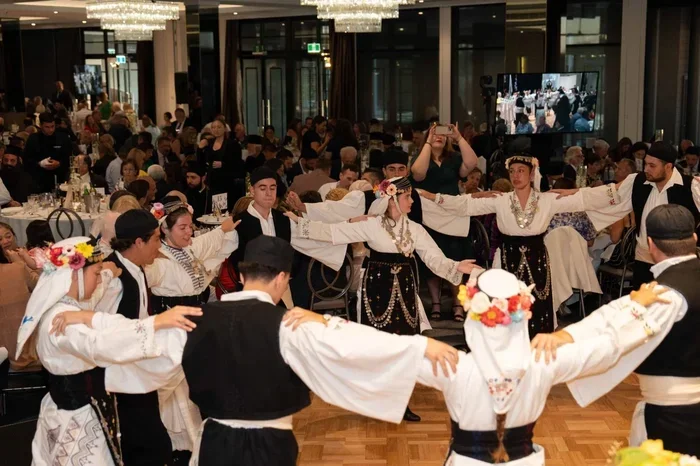
- Music and dancing: No Greek gathering is complete without some bouzouki music and dancing.
- Gift giving: Gifts are opened and appreciated throughout the day as guests arrive.
The atmosphere is relaxed and welcoming. Everyone is encouraged to stay as long as they like, and the host makes sure that no one leaves hungry or unhappy. It is one of the most joyful aspects of Greek culture. The name day celebration is truly a community event where everyone feels included and valued.
How to Participate Respectfully
If you are not Greek but have been invited to a name day celebration, here are a few tips:
- Arrive on time or slightly late: Greeks are generally relaxed about timing, but showing up too early can catch the host off guard.
- Bring a small gift: A bouquet of flowers or a box of sweets is always appreciated.
- Use the greeting: As soon as you see the guest of honor, say happy name day in Greek with a warm smile.
- Be ready to stay a while: These celebrations can last for hours, and leaving too early may be seen as impolite.
Your presence and your effort to use Greek phrases will be noticed and deeply appreciated. It shows that you respect their traditions and want to be part of the celebration.
Tips for Writing Authentic Name Day Wishes
Writing a name day wish in Greek can feel intimidating, but it does not have to be. With a few simple guidelines, you can craft a message that feels genuine and culturally appropriate.
Keep It Warm and Personal
The best Greek name day wishes come from the heart. Instead of focusing on being perfect, focus on being sincere. A simple “Χρόνια Πολλά” paired with a personal note about what the person means to you will always be more meaningful than a long, generic message.
Include the Right Level of Formality
Greek has formal and informal forms of address. When writing to someone older or someone you do not know well, use the formal “σας” (you, formal) rather than the informal “σε” (you, casual). For example:
- Formal: Σου εύχομαι Χρόνια Πολλά (I wish you Many Years — using the formal form)
- Informal: Χρόνια Πολλά, φίλε μου! (Many Years, my friend!)
Reference Their Patron Saint
If you know the person’s patron saint, mention it in your wish. For example, “May Saint [name] bless your name day with joy and peace.” This shows that you have taken an interest in their specific tradition and faith.
Connecting with the saint’s day celebration is a beautiful way to make your greeting stand out. It shows cultural awareness and genuine care that goes beyond a simple wish. When you combine the right Greek phrase with a personal touch, your message will be remembered long after the celebration ends.
Why Learning Greek Name Day Phrases Matters
Language is a bridge between cultures. When you take the time to learn how to say happy name day in Greek, you are doing more than just learning a phrase. You are showing respect for an ancient tradition that has shaped the identity of millions of people.
Greek name day customs reflect values that are central to the culture: faith, family, community, and the celebration of identity. Every time you use a Greek name day phrase, you are participating in these values, even if you are thousands of miles away from Greece.
Whether you are sending a quick text, writing a heartfelt card, or speaking in person at a gathering, your words will carry more weight when they are delivered in the person’s own language. It is a small gesture that can make a big difference in how connected you feel to the people you care about.
So go ahead. Practice your pronunciation. Pick your favorite phrase. And the next time a Greek friend or loved one celebrates their name day, you will be ready to wish them happy name day in Greek like a true insider. Your effort will not go unnoticed, and it will open doors to deeper friendships and a richer understanding of one of the world’s most beautiful cultures.
Frequently Asked Questions
What is the most common way to say happy name day in Greek?
The most common phrase is “Χρόνια Πολλά” (Chronia Polla), which means “Many Years.” It is used for both name days and birthdays and is understood across all of Greece. This simple greeting is perfect for any occasion and any level of formality.
Are name days more important than birthdays in Greece?
Yes, traditionally name days hold more significance than birthdays in Greek culture. They are tied to the Greek Orthodox calendar and the feast day of a patron saint. Many Greeks still prioritize their name day celebrations over their birthdays, especially older generations.
Can I use “Χρόνια Πολλά” for birthdays too?
Absolutely. “Χρόνια Πολλά” works for both name days and birthdays. It is a universal Greek greeting for celebrating someone’s special day. You can use it confidently in any situation where you want to wish someone well on their celebration.
How do I pronounce “Χρόνια Πολλά” correctly?
The phrase is pronounced “HRO-nee-a POLL-a.” Focus on the guttural “H” sound at the beginning and keep the vowels short and clear. Practice slowly at first, and do not worry about perfection. Greeks will appreciate your effort regardless of how closely you match the native pronunciation.
What gifts are appropriate for a Greek name day celebration?
Flowers, chocolates, and small thoughtful gifts are standard. If you are attending a dinner party, bringing a bottle of wine or a dessert is polite and appreciated. The most important thing is the thought behind the gift, not its price.
Do I need to know Greek to celebrate a Greek name day?
No, you do not need to be fluent. Even learning a few key phrases like “Χρόνια Πολλά” shows respect and cultural awareness. Greeks are generally warm and forgiving with language learners, and your effort will always be appreciated.



