
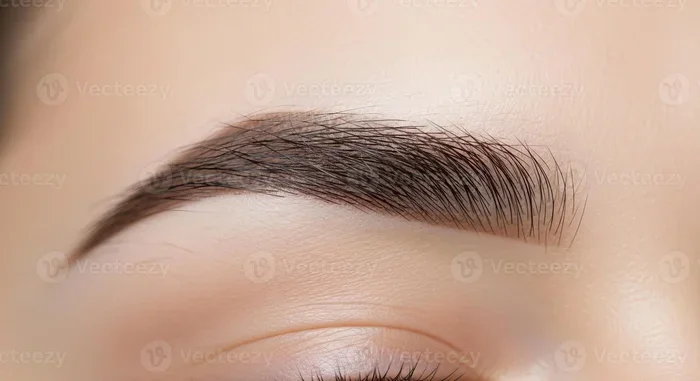

Learning how to say eyebrows in Spanish is simple: the word is cejas (pronounced “SEH-hahs”). This guide covers pronunciation, common phrases, cultural context, and related facial vocabulary to help you sound like a native Spanish speaker. Whether you are learning Spanish for travel, work, or fun, mastering eyebrow vocabulary is a great first step toward building your Spanish speaking confidence.
Key Takeaways
- Spanish word for eyebrows: The correct translation is cejas, and you will hear it used daily in conversations.
- Pronunciation is straightforward: “CEH-hahs” with a soft “h” sound, making it easy for beginners to master.
- Cultural relevance: Eyebrows carry strong meaning in Spanish-speaking cultures, from expressions to beauty standards.
- Related facial vocabulary: Words like frente (forehead) and ojos (eyes) pair naturally with cejas in everyday talk.
- Common phrases: Phrases like levantarse las cejas (to raise your eyebrows) help you sound more natural in conversation.
- Practice tips: Using flashcards, labeling objects, and speaking with native speakers will lock in your Spanish vocabulary fast.
📑 Table of Contents
- The Simple Answer: How to Say Eyebrows in Spanish
- How to Pronounce Cejas Correctly
- Common Phrases and Expressions with Eyebrows in Spanish
- Interesting Facts About Eyebrows in Spanish-Speaking Cultures
- Related Facial Vocabulary in Spanish
- Tips to Remember and Practice Spanish Face Words
- Quick Tips for Mastering Cejas and Beyond
- Conclusion
The Simple Answer: How to Say Eyebrows in Spanish
If you have ever wondered how to say eyebrows in Spanish, you are in the right place. The answer is cejas. It is a clean, easy word that fits right into your everyday Spanish conversations. You will hear it in casual chats, on television shows, and even in formal settings.
The word cejas comes from the Latin supercilia, which also gives us the English word “supercilious.” That is a fun fact to share at dinner parties. But more importantly, knowing this word opens the door to talking about facial features in Spanish with confidence. You will no longer point at your face and struggle for the right word.
Spanish is one of the most spoken languages in the world. Over 490 million people speak it as their first language. Mastering basic words like cejas gives you a solid foundation. From there, you can build toward more complex conversational Spanish skills that will impress native speakers.
Why Learning Face Vocabulary Matters
Face vocabulary might seem small, but it matters more than you think. When you describe someone, tell a story, or even give directions, you use parts of the face constantly. Think about how often you say things like “he raised his eyebrows” or “she has expressive eyes.” These are the moments where knowing Spanish face words saves you from pointing and gesturing.
Also, face vocabulary connects to other areas of learning. You will see these words in health contexts, beauty conversations, and even when learning about Spanish grammar and adjective agreement. The word cejas is plural, so it pairs with plural verbs and adjectives. This is a great grammar practice opportunity wrapped inside a simple vocabulary lesson.
How to Pronounce Cejas Correctly
Pronunciation is where many learners get stuck. But cejas is actually one of the easier Spanish words to say. Let us break it down step by step.
C sounds like a soft “s” in most Spanish dialects. In Spain, you might hear a slight “th” sound, but in Latin America, it is a clear “s.” The e sounds like the “e” in “bed.” The j is pronounced like a strong “h” in English — think of the sound you make when you are trying to fog a mirror. The final a is a simple open “ah.” And the s at the end is a crisp “s.”
Put it together, and you get something like “SEH-hahs.” That is it. No tricky sounds. No silent letters. Just two clear syllables that roll off your tongue naturally.
Common Pronunciation Mistakes to Avoid
Here are a few things learners get wrong with cejas and how to fix them:
- Don’t pronounce the J like English “j”: In English, “j” sounds like “j” in “judge.” In Spanish, it is always an “h” sound. So cejas is never “jay-hahs.”
- Don’t stress the wrong syllable: The stress falls on the first syllable: CE-jas. This is standard for most Spanish words ending in a vowel or “s.”
- Don’t skip the final S: Some learners drop the ending “s.” This changes the word and can make it hard for native speakers to understand you.
If you practice saying cejas slowly and then speed up, you will sound natural in no time. Try saying it five times in a row. Then use it in a simple sentence like “Me pellizqué las cejas” (I pinched my eyebrows). Repetition is your best friend here.
Common Phrases and Expressions with Eyebrows in Spanish
Now that you know cejas, let us look at how native speakers actually use the word. Spanish is full of colorful expressions involving eyebrows, and learning them will make your language sound much more natural.
1. Levantarse las cejas (To raise your eyebrows)
This is the most common expression. You use it when someone shows surprise or doubt. For example: “Se levantó las cejas cuando le dije la noticia” (He raised his eyebrows when I told him the news). It works the same way in English and Spanish.
2. Fruncir el ceño (To furrow your brows)
This phrase describes when you press your eyebrows together, usually to show worry or concentration. “Ella frunció el ceño al leer la factura” (She furrowed her brow reading the bill). Notice that here we use ceño (singular) instead of cejas (plural). Both are correct, but ceño focuses on the wrinkle between the brows.
3. Tener cejas pobladas (To have thick eyebrows)
Beauty talk! If you want to describe someone’s eyebrows, this phrase comes in handy. “Mi hermana tiene cejas muy pobladas” (My sister has very thick eyebrows). You can also say cejas pobladas or cejas tupidas — both mean thick and full.
4. Cejas arqueadas (Arched eyebrows)
This describes eyebrows that are shaped in a curve. Many people style their cejas arqueadas for a polished look. “El actor tiene cejas muy arqueadas que lo hacen parecer dramático” (The actor has very arched eyebrows that make him look dramatic).
5. Alzar una ceja (To raise one eyebrow)
This is a more specific version of raising your eyebrows. It implies skepticism or playful doubt. “Alzó una ceja cuando le preguntaron si había cocinado” (He raised one eyebrow when asked if he had cooked). Notice the singular form ceja here.
Interesting Facts About Eyebrows in Spanish-Speaking Cultures
Eyebrows are not just facial features. They carry cultural meaning too. In Spanish-speaking countries, eyebrows play a bigger role in communication and beauty than many people realize.
Eyebrows as a Communication Tool
In many Spanish-speaking cultures, a quick raise of the cejas is a friendly greeting. It is like a mini-wave for your face. You might see this in Latin America when people pass each other on the street. It says “I see you” without any words at all. This nonverbal cue is so common that locals do not even think about it.
Beauty Standards and Eyebrow Care
Beauty trends around the world have influenced Spanish-speaking beauty routines too. Threading, waxing, and shaping cejas is big business in countries like Mexico, Colombia, and Spain. Many women visit salons regularly for eyebrow maintenance. The phrase “hacerse las cejas” (to do your eyebrows) is something you will hear at salons everywhere.
Men also care about their eyebrows in these cultures. Grooming is not limited to women. A neat, well-shaped pair of cejas is seen as part of personal care for everyone.
Famous Expressions About Eyebrows
Spanish has some fun sayings involving eyebrows. One classic is “Juntar las cejas,” which means to bring your eyebrows together — essentially to worry or frown. Another is “Ponerse las cejas de punta,” meaning to have your eyebrows stand up in shock or alarm.
These expressions add color to the language. When you use them in conversation, native speakers will notice your fluency level jump. It shows you understand not just the words, but the culture behind them. If you want to dive deeper into cultural phrases, learning about in situ meaning can help you understand how expressions work in their real context rather than just translated word-for-word.
Related Facial Vocabulary in Spanish
Learning cejas opens the door to a whole set of face-related vocabulary. Here are the most useful words that pair naturally with eyebrows in Spanish:
- Frentnte — Forehead. “Me duele la frente” (My forehead hurts).
- Ojos — Eyes. “Tiene ojos hermosos” (He has beautiful eyes).
- Párpados — Eyelids. “Se le cayeron los párpados de cansancio” (His eyelids drooped from tiredness).
- Mejillas — Cheeks. “Tiene las mejillas rosadas” (She has rosy cheeks).
- Nariz — Nose. “La nariz es el centro de la cara” (The nose is the center of the face).
- Boca — Mouth. “Tiene una boca sonriente” (He has a smiling mouth).
- Barbilla — Chin. “La barbilla es la parte inferior de la cara” (The chin is the lower part of the face).
- Rostro — Face (formal). “Su rostro reflejaba sorpresa” (His face reflected surprise).
Notice how many of these words share patterns with English. “Frente” and “forehead” both come from the same root. “Ojos” sounds different from “eyes,” but it is one of the first words every Spanish learner picks up. Building this vocabulary network makes it easier to remember each individual word because they connect to each other.
Using Face Words in Everyday Sentences
Here are a few example sentences that combine cejas with other facial vocabulary:
- “Me arrancó un pelo de las cejas.” (He pulled a hair from my eyebrows.)
- “Las cejas y los ojos expresan mucha emoción.” (Eyebrows and eyes express a lot of emotion.)
- “Tiene una marca en la frente, justo arriba de las cejas.” (He has a mark on his forehead, right above the eyebrows.)
These simple sentences help you practice cejas alongside other face words. The more you use them in context, the faster they become part of your active vocabulary.
Tips to Remember and Practice Spanish Face Words
Vocabulary sticks better when you use fun and varied methods. Here are some proven tips to help you remember cejas and related words long-term.
Use Flashcards with Images
Write cejas on one side of a flashcard and draw a picture of eyebrows on the other side. Visual memory is powerful. Apps like Anki and Quizlet make this easy. You can also find pre-made decks for Spanish face vocabulary online.
Label Objects Around You
Stick small notes with Spanish words on mirrors, pictures, and photos. Write “cejas” next to a picture of eyebrows. Every time you see it, say the word out loud. This passive exposure builds strong memory connections over time.
Speak With Native Speakers
Nothing beats real conversation. Find a language exchange partner or join a Spanish conversation group. When you use cejas in a real chat, you remember it forever. Plus, you will hear how native speakers use it naturally in different contexts.
Watch Spanish Media
Telenovelas, comedy shows, and YouTube videos in Spanish are goldmines for vocabulary. Pay attention when characters talk about faces or express emotions with their cejas. You will pick up natural pronunciation and common phrases without even trying. This is a fun way to learn that does not feel like studying at all.
Write Short Descriptions
Look in a mirror and describe your face in Spanish. “Tengo cejas oscuras y ojos grandes” (I have dark eyebrows and big eyes). Writing and speaking at the same time strengthens your recall. Try this for five minutes each day, and you will see real progress.
Quick Tips for Mastering Cejas and Beyond
Here are some fast, practical tips you can start using right now:
- Say it out loud every morning: Repeat “cejas” ten times when you brush your teeth. It builds muscle memory for pronunciation.
- Use it in a sentence immediately: After learning a new word, use it in at least one sentence. This locks it into long-term memory.
- Group related words together: Learn face words in clusters — eyebrows, eyes, nose, mouth. This creates mental connections that boost recall.
- Practice with a friend: Quiz each other on face vocabulary. Friendly competition makes learning more enjoyable.
- Review regularly: Spaced repetition is the most effective way to retain new vocabulary. Review your flashcards every few days.
These small habits add up fast. Within a few weeks, you will think in Spanish when you look in the mirror. And when someone asks you how to say eyebrows in Spanish, you will know the answer instantly.
As you expand your vocabulary, you might also want to explore names for pets in Spanish. Whether you are looking for Spanish cat names or Spanish rabbit names, having a list of animal names in Spanish complements your face vocabulary nicely. Naming a pet is a fun way to practice pronunciation and build confidence in the language.
Conclusion
So, how to say eyebrows in Spanish? The answer is simple and satisfying: cejas. You now know the pronunciation, the common phrases, the cultural context, and the related vocabulary that makes this word come alive in real conversations. You are not just memorizing a translation — you are building a genuine skill that you can use every day.
The journey of learning a language is made up of small wins like this. Every new word you add brings you closer to fluency. And cejas is one of those words that shows up everywhere, from casual chats to beauty conversations to expressive storytelling. Keep practicing, keep using it, and soon it will feel like a natural part of your Spanish toolkit.
Start today. Say cejas out loud, use it in a sentence, and share what you learned with a fellow Spanish learner. The more you use it, the more it sticks. You have got this.
Frequently Asked Questions
Is “cejas” the only word for eyebrows in Spanish?
Cejas is the standard and most widely used word for eyebrows across all Spanish-speaking countries. In some regions, you might also hear “supercilios,” but this is much less common and sounds more formal or literary. For everyday conversation, stick with cejas and you will always be understood.
How do you pronounce “cejas” correctly?
Say “SEH-hahs.” The first syllable has a short “e” sound like in “bed,” and the “j” makes a strong “h” sound like when you fog a mirror. The word has two syllables with stress on the first one. Practice it slowly at first, then speed up as it becomes comfortable.
Can I use “ceja” instead of “cejas”?
Yes, but only when referring to a single eyebrow. “Ceja” is the singular form, and “cejas” is the plural. In most conversations, you talk about both eyebrows together, so cejas is the word you will use 90% of the time. However, “alzó una ceja” (he raised one eyebrow) is a common and correct phrase.
Are there any slang words for eyebrows in Spanish?
Not really. Spanish tends to use the standard word cejas in most contexts, including casual and slang speech. Unlike some English slang terms, there is no widely used alternative for eyebrows in Spanish. The expressions and phrases around cejas are where the creativity lives.
Why do eyebrows matter so much in Spanish-speaking cultures?
Eyebrows are a key part of nonverbal communication in Spanish-speaking cultures. A quick raise of the cejas can serve as a greeting, a sign of surprise, or an expression of disbelief. They also play a big role in beauty and grooming routines. Understanding this cultural layer helps you use the word naturally and appropriately.
What is the best way to remember the word “cejas”?
Use it every day. Say it when you look in the mirror, write it on sticky notes, or use it in a sentence with a language partner. Connecting the word to a real action — like touching your eyebrows — creates a strong memory link. Also, grouping it with other face words like ojos (eyes) and frente (forehead) helps your brain store it more efficiently.



