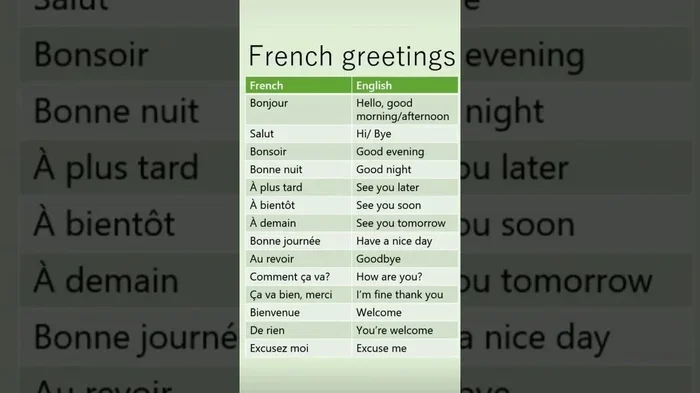

Learning how to say excuse me in French is essential for anyone visiting France or speaking with French speakers. The most common phrase is excusez-moi, but there are several other expressions you should know depending on the situation. This guide covers every way to excuse yourself politely, with pronunciation tips and cultural context.
If you have ever stood in a busy Parisian café or tried to squeeze past someone on the Métro, you know how important it is to know how to say excuse me in French. A simple misstep without the right phrase can feel awkward fast. The good news is that French has several ways to excuse yourself, and they are all pretty easy to learn.
This guide breaks down every common phrase, when to use each one, and how to pronounce them like a local. Whether you are planning a trip to France or just want to expand your French vocabulary, you will find everything you need right here. Let us dive in.
## The Most Common Ways to Say Excuse Me in French
French offers more than one way to say excuse me. Each version carries a slightly different tone and fits different situations. Let us look at the most popular ones you will hear every day.
### Excusez-Moi: The Go-To Phrase
This is the phrase you will reach for most of the time. Excusez-moi works in almost any situation. You can use it to get someone’s attention, to squeeze past a crowd, or to politely interrupt a conversation. It is polite and neutral, which makes it safe for both formal and casual settings.
Think of it as the French equivalent of “excuse me” in English. It is versatile, widely understood, and always appropriate. Native speakers use it constantly throughout the day.
### Pardon: The Casual Alternative
If you want something a bit more relaxed, try pardon. This phrase is shorter and feels more casual. You might use it when you bump into someone on the street or need to get by quickly in a store.
Pardon also works when you did something minor, like stepping on someone’s foot. It carries a lighter tone than excusez-moi, but it is still perfectly polite.
### Je Suis Désolé: When You Need to Apologize
Sometimes “excuse me” is not quite enough. In those moments, je suis désolé (I am sorry) fits better. This phrase shows genuine remorse and works well when you have made a mistake or caused inconvenience.
For women, the phrase changes slightly to je suis désolée. The extra “e” at the end reflects the feminine form, which is important in French grammar.
### S’il Vous Plaît: More Than Just Please
Here is a fun fact. S’il vous plaît means “please,” but French speakers also use it as a way to say excuse me. When you are trying to get a server’s attention at a restaurant, saying s’il vous plaît can work just like excuse me would in English.
This dual-purpose usage shows how rich and flexible the French language can be. It also highlights why understanding context is so important when learning French.
## Pronunciation Tips for French Excuse Me Phrases
French pronunciation can be tricky, especially for English speakers. The nasal sounds and silent letters trip up many learners. But getting the pronunciation right makes a huge difference in how native speakers perceive you.
### Breaking Down Excusez-Moi
Let us break this word into smaller parts. Ex-cusez-moi has three distinct syllables. The “ex” sounds like “eks.” The “cusez” is pronounced “koo-zay.” And “moi” sounds like “mwah.”
The key is to keep each syllable smooth and connected. Do not pause between them. A fluid delivery sounds much more natural.
### Common Pronunciation Mistakes
Many English speakers pronounce the “s” in excusez too hard. In French, the “s” is soft and almost silent. Also, do not stress the last syllable. French words tend to have even stress across all syllables.
Another common mistake is adding an extra “eh” sound at the end of excusez-moi. Keep it clean and crisp. Practice saying it slowly at first, then speed up as you get comfortable.
### Listening Practice
One of the best ways to improve your pronunciation is to listen to native speakers. You can find plenty of audio clips online or use language apps. Repeating after native speakers helps your mouth learn the right shapes and sounds.
Try recording yourself and comparing your pronunciation to the original. This simple exercise can speed up your progress significantly.
## When to Use Each Excuse Me Phrase
Knowing the words is only half the battle. You also need to know when to use them. French culture places a strong emphasis on context and politeness, so choosing the right phrase matters.
### Formal Situations
In formal settings, stick with excusez-moi or s’il vous plaît. These phrases show respect and are appropriate in professional environments, with strangers, or when speaking to someone older.
For example, if you need help in a bank or a government office, excusez-moi is your best choice. It signals that you understand French social norms and value politeness.
### Informal Situations
With friends or in casual settings, pardon works great. It is relaxed and friendly. You can also use a simple “excuse-moi” (the informal version of excusez-moi) when speaking with people your age or younger.
The French language distinguishes between formal “vous” and informal “tu” forms. This extends to excuse me phrases as well. Using the wrong form can feel awkward, so pay attention to the situation.
### Getting Someone’s Attention
When you need to get a waiter’s attention or call a friend over, a light excusez-moi or s’il vous plaît works perfectly. Pair it with a small wave or nod for extra clarity.
Avoid grabbing someone or waving your hand aggressively. French culture values subtlety and grace in social interactions. A gentle approach goes a long way.
## French Etiquette: Why Politeness Matters
France has a deep culture of politeness and social etiquette. Understanding this context helps you use excuse me phrases more effectively and with greater confidence.
### The Role of Politeness in French Culture
French people take politeness seriously. Using the right phrases shows that you respect their customs and traditions. It also opens doors — both literally and figuratively. A polite person is more likely to receive help and kindness from strangers.
This cultural value extends beyond just words. Body language, eye contact, and tone of voice all play a role in how your message is received.
### How Context Shapes Meaning
The meaning of excuse me in French can shift depending on the situation. Sometimes it means “pardon me,” other times it means “I beg your pardon,” and occasionally it simply means “hello” when entering a shop.
This is where understanding in situ meaning becomes really helpful. The same phrase can carry different weight depending on where and how you use it. For deeper insights into how meaning changes with context, you can explore the in situ meaning concept further.
### Non-Verbal Cues That Matter
In France, a slight nod or a gentle hand gesture can reinforce your words. When you say excusez-moi while making eye contact and giving a small nod, it shows genuine respect.
These non-verbal cues are just as important as the words themselves. Together, they create a complete picture of politeness and awareness.
## Common Mistakes to Avoid
Even with the best intentions, learners can make mistakes that cause confusion or unintended rudeness. Here are some pitfalls to watch out for.
### Using the Wrong Formality Level
One of the biggest mistakes is mixing formal and informal phrases. Using excuse-moi (informal) with a stranger in a formal setting can feel too casual. On the other hand, using excusez-moi with a close friend might feel stiff and overly polite.
Pay attention to the relationship and setting before you choose your phrase. When in doubt, excusez-moi is almost always safe.
### Overusing Pardon
While pardon is casual and friendly, using it too often can make you sound like you are constantly apologizing for everything. Reserve it for minor situations like bumping into someone or asking a quick question.
### Ignoring Gender Agreement
French adjectives and past participles change based on gender. When you say “I am sorry,” use désolé if you are male and désolée if you are female. Skipping this detail can sound careless to native speakers.
### Skipping the “Me” Ending
Some learners drop the “moi” part and just say “excusez.” This sounds incomplete and unnatural. Always include the full phrase — excusez-moi — for proper grammar and clarity.
## Quick Tips for Sounding Like a Native
Want to take your French politeness to the next level? Here are some quick tips that make a real difference.
- Listen to French podcasts and repeat phrases out loud. This builds muscle memory for pronunciation.
- Practice in front of a mirror to watch your mouth movements and improve your accent.
- Use French phrases in daily life even when you are not in France. Saying excusez-moi to yourself helps build fluency.
- Watch French movies and shows to pick up natural rhythm and intonation patterns.
- Ask native speakers for feedback on your pronunciation and word choice. They appreciate the effort.
- Keep a phrase journal where you write down new expressions and practice them regularly.
- Start with the basics like excusez-moi and pardon before moving on to more complex phrases.
## Wrapping It Up
Learning how to say excuse me in French opens the door to richer, more meaningful conversations. Whether you use excusez-moi, pardon, je suis désolé, or s’il vous plaît, each phrase serves a specific purpose and shows respect for French culture.
Practice these phrases regularly, pay attention to context, and do not be afraid to make mistakes. Every conversation is a chance to improve. The French appreciate effort, and a sincere attempt goes a long way.
If you are enjoying your journey into the French language, you might also want to explore French cat names for fun and cultural insight. It is a lighthearted way to deepen your connection with the language and the people who speak it.
Remember, politeness is universal. And now you have the tools to express it beautifully in French.
## FAQs
What is the most common way to say excuse me in French?
The most common way is excusez-moi. It works in almost every situation, from getting someone’s attention to apologizing for a minor bump. Native speakers use it constantly throughout the day.
Is there a difference between excusez-moi and pardon?
Yes. Excusez-moi is more formal and versatile, while pardon is casual and relaxed. Use excusez-moi in professional or unfamiliar settings, and pardon with friends or in informal situations.
Do French people really say excuse me that often?
Absolutely. Politeness is deeply rooted in French culture. You will hear these phrases in shops, restaurants, on the Métro, and everywhere else. Using them yourself helps you blend in and show respect.
Can I use excuse me in French with children?
Yes. When speaking with children, you can use the informal form “excuse-moi” or simply “pardon.” These feel warm and friendly without being too formal.
How do I pronounce excusez-moi correctly?
Break it into three parts: eks-koo-zay-mwah. Keep the syllables smooth and connected. Do not stress the last syllable, and keep the “s” in excusez soft and gentle.
Are there any gestures that go with excuse me in French?
Yes. A slight nod, a gentle hand wave, or brief eye contact pairs well with excusez-moi. These non-verbal cues show sincerity and respect, which French culture values highly.
Key Takeaways
- Excusez-moi is the standard and most widely used way to say excuse me in French.
- There are formal and informal versions, so context matters when choosing the right phrase.
- Pronunciation is key — native speakers will notice if you get the nasal sounds right.
- Using the wrong phrase can come across as rude, so learn when each expression fits.
- Practicing with real-life examples helps you sound more natural and confident.
- French culture places a high value on politeness, so using these phrases correctly matters.
- You can also use non-verbal cues like a slight nod or hand wave to reinforce your apology.
Frequently Asked Questions
What is how to say excuse me in french?
how to say excuse me in french is an important topic with many practical applications.