
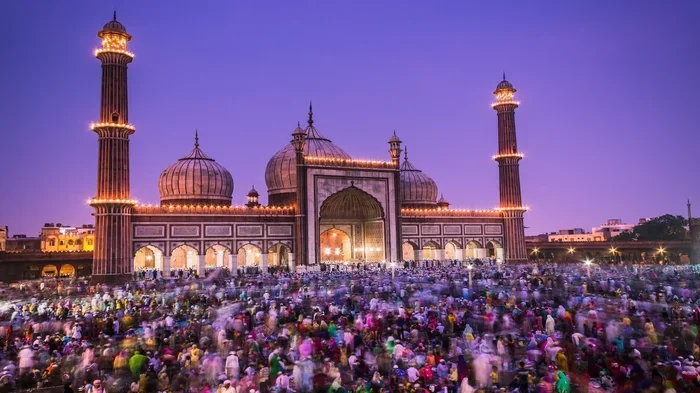

Learning how to say Eid Mubarak is simple, but the meaning behind it is deep and beautiful. This guide covers the pronunciation, cultural context, and heartfelt ways to share Eid greetings with loved ones. You will also discover traditions, festive meals, and tips for making your Eid celebrations truly memorable.
Have you ever wanted to wish someone a happy Eid but weren’t sure what to say? Learning how to say Eid Mubarak is easier than you think. It only takes a few seconds, but the warmth behind those words can make someone’s entire day. Whether you are celebrating with family, friends, or coworkers, a simple greeting can bring people closer together.
The phrase “Eid Mubarak” carries deep meaning. It translates to “Blessed Festival” and is used across the Muslim world during two major holidays. Eid al-Fitr marks the end of Ramadan, while Eid al-Adha honors the spirit of sacrifice. Both are times of joy, gratitude, and community. Understanding the basics helps you connect with others in a meaningful way.
This guide will walk you through everything you need to know. You will learn the correct pronunciation, explore Eid traditions, and find creative ways to share your wishes. By the end, you will feel confident greeting anyone during this beautiful time of year.
Key Takeaways
- How to say Eid Mubarak: The phrase means “Blessed Festival” and is pronounced “Eed Moo-bah-rahk.”
- Two major Eid holidays: Eid al-Fitr and Eid al-Adha each have unique traditions and greetings.
- Greeting others is easy: A simple “Eid Mubarak” or “Eid Saeed” works for any Muslim celebration.
- Traditions matter: Family gatherings, festive meals, and community prayers make Eid special.
- Share joy creatively: Eid cards, messages, and social media posts are great ways to spread happiness.
- Inclusivity is key: You do not need to be Muslim to appreciate and share Eid greetings respectfully.
📑 Table of Contents
- What Does Eid Mubarak Mean?
- How to Pronounce Eid Mubarak Correctly
- Common Ways to Wish Someone Eid Mubarak
- Traditions That Make Eid Special
- Creative Ways to Share Eid Greetings
- Common Mistakes to Avoid When Greeting Others
- How Non-Muslims Can Respectfully Celebrate Eid
- The Heart Behind the Greeting
- Conclusion
What Does Eid Mubarak Mean?
The phrase “Eid Mubarak” comes from Arabic. “Eid” means festival or celebration, and “Mubarak” means blessed. Together, they form a warm wish that translates to “Blessed Festival.” It is similar to saying “Happy Holidays” during Christmas or other festive seasons.
People around the world use this greeting during both major Islamic holidays. It is a universal way to share joy and goodwill. No matter your background, saying “Eid Mubarak” shows respect and kindness. The greeting is heartfelt and carries genuine warmth.
The Two Major Eid Celebrations
There are two main Eid holidays in the Islamic calendar. Each one has its own significance and traditions. Understanding both helps you appreciate the full picture of Muslim celebrations.
Eid al-Fitr comes right after Ramadan. Ramadan is a holy month of fasting, prayer, and reflection. After a full month of devotion, Muslims celebrate with feasts, gifts, and time with family. Eid Mubarak is the perfect greeting for this occasion.
Eid al-Adha falls about two months later. It is known as the Festival of Sacrifice. This holiday honors the willingness of Prophet Ibrahim to sacrifice his son for God. Families share meat with the less fortunate and gather for Eid prayers. The same greeting, “Eid Mubarak,” applies here too.
How to Pronounce Eid Mubarak Correctly
Pronunciation is simpler than it looks. Many people worry about getting it right, but most people appreciate the effort regardless. Here is a quick breakdown:
- Eid — Pronounced like “eed” with a long “e” sound. It rhymes with “feed.”
- Mubarak — Say “Moo-bah-rahk.” The “buh” is soft, and the “rak” at the end is quick.
Put it together, and you get “Eed Moo-bah-rahk.” That is all there is to it. Practice a few times, and it will feel natural. If you stumble a little, that is perfectly okay. People love the effort you put into learning their cultural traditions.
Quick Tip: Listen to native speakers online. A quick search for “how to say Eid Mubarak” on YouTube will give you audio examples. Hearing the phrase helps you pick up the rhythm and tone.
Common Ways to Wish Someone Eid Mubarak
There are several ways to share your Eid greetings. Some are simple, while others carry extra meaning. Here are the most common phrases people use:
- Eid Mubarak — The classic greeting. It works for both Eid al-Fitr and Eid al-Adha.
- Eid Saeed — This means “Happy Eid” in Arabic. It is a cheerful alternative.
- Kul ‘am wa enta bi-khair — This Arabic phrase means “May every year find you in good health.” It is a longer but very heartfelt wish.
- Eid Mubarak to you and your family — Adding “to you and your family” makes the greeting personal and warm.
- Wishing you a blessed Eid — An English variation that still carries the same meaning.
You do not need to use all of these. Pick one or two that feel natural to you. The sincerity behind your words matters more than the exact phrase. When in doubt, a simple “Eid Mubarak” with a smile goes a long way.
Which Greeting to Use and When
Timing matters slightly when choosing your greeting. On the morning of Eid day, “Eid Mubarak” is the standard. As the day goes on, you can switch to “Eid Saeed” for a more casual feel. If you are writing a message or card, a longer wish like “Kul ‘am wa enta bi-khair” adds a thoughtful touch.
For Eid al-Fitr, many people say “Eid Mubarak” right after the Eid prayers. For Eid al-Adha, the greeting often comes during the days of sacrifice and sharing. Both holidays are perfect opportunities to spread festive greetings.
Traditions That Make Eid Special
Every culture has its own unique Eid customs. While the core meaning stays the same, the celebrations vary from place to place. Here are some beautiful traditions that make Eid memorable:
Morning Eid Prayers
Most Muslims start Eid day with a special prayer at the mosque or an open field. This communal prayer brings people together. It is a time for reflection, gratitude, and unity. After the prayer, everyone greets each other with “Eid Mubarak.” The atmosphere is filled with joy and togetherness.
Family Gatherings and Festive Meals
Family is at the heart of Eid celebrations. People dress in their finest clothes and visit relatives throughout the day. Large meals are prepared with traditional dishes. The table is often filled with sweets, meats, and special desserts that vary by region.
In many households, children receive gifts or money called “Eidi.” This tradition teaches generosity and makes the day exciting for young ones. Sharing joy with family members strengthens bonds and creates lasting memories.
Giving to Those in Need
Charity is a central part of both Eid holidays. Before Eid al-Fitr, Muslims pay “Zakat al-Fitr,” a form of charity given to the poor. This ensures everyone can enjoy the festival. During Eid al-Adha, families share meat with neighbors and those less fortunate. This tradition reflects the values of kindness and compassion.
Creative Ways to Share Eid Greetings
In today’s digital world, there are many fun ways to spread Eid greetings. You can go beyond a simple text message and make your wishes stand out. Here are some ideas:
- Send an Eid card: Physical or digital cards with beautiful designs add a personal touch. Many websites offer free printable Eid cards you can customize.
- Write a heartfelt message: A personal note means more than a generic greeting. Share a specific memory or wish for the recipient.
- Post on social media: Share a photo from your Eid celebrations with a warm caption. Use hashtags like #EidMubarak to connect with a wider community.
- Make a video call: If loved ones are far away, a video call is a wonderful way to celebrate together virtually.
- Cook a special dish: Prepare a favorite family recipe and share it with neighbors or friends. Food brings people together like nothing else.
These small gestures show you care. They also help build bridges between different cultures and communities. When you take the time to celebrate thoughtfully, your Eid wishes feel even more meaningful.
Quick Tips for Sending Eid Messages
Keep these tips in mind when crafting your Eid messages:
- Be sincere. Authenticity matters more than fancy words.
- Keep it personal. Mention the person by name or reference a shared memory.
- Use both English and Arabic if you want to add cultural depth.
- Send your greetings early in the day for maximum impact.
- Include a photo or visual element when possible.
Common Mistakes to Avoid When Greeting Others
Most people are forgiving and appreciate any effort. However, there are a few things to keep in mind so your greetings feel respectful and appropriate:
Do not confuse the two Eids. While the greeting is the same, each holiday has a distinct meaning. Knowing which Eid you are wishing someone for shows cultural awareness. Eid al-Fitr follows Ramadan, while Eid al-Adha comes later in the year.
Do not assume everyone celebrates the same way. Eid customs vary across countries and communities. What is traditional in one place might be different in another. Ask questions and show genuine curiosity.
Avoid overly casual language. While “Happy Eid” works in English, using the Arabic phrase “Eid Mubarak” shows more respect and effort. It tells the other person you took the time to learn something meaningful.
Do not forget the spirit of the day. Eid is about gratitude, family, and community. Your greeting should reflect those values. Keep it warm, positive, and inclusive.
How Non-Muslims Can Respectfully Celebrate Eid
You do not need to be Muslim to participate in Eid celebrations. Many non-Muslims join their friends and neighbors in greeting them during this special time. Here is how you can be a thoughtful and respectful participant:
- Learn the basics: Understanding what Eid means shows respect. Even a quick read about Eid traditions goes a long way.
- Use the greeting: Saying “Eid Mubarak” to Muslim friends is a wonderful gesture. It shows you acknowledge and appreciate their culture.
- Accept invitations: If you are invited to an Eid dinner or gathering, say yes. It is a great way to learn and connect.
- Bring a small gift: A box of sweets or a small token of appreciation is a lovely gesture. It shows you value the invitation.
- Be curious and open: Ask questions about their traditions. People love sharing their culture when they feel respected.
Respect and curiosity create connections. When you show interest in someone else’s holiday traditions, you build stronger relationships. That is the true spirit of Eid.
The Heart Behind the Greeting
At its core, Eid Mubarak is more than just a phrase. It is a wish for blessings, peace, and happiness. When you say it, you are sharing something meaningful with the person in front of you. The words carry centuries of tradition and faith.
Whether you are saying it to a lifelong friend, a new colleague, or a neighbor you barely know, the impact is the same. You are telling someone, “May your festival be blessed.” That is a powerful and beautiful thing. Sharing joy during Eid celebrations strengthens communities and brings people closer.
So the next time the Eid holidays arrive, remember what you have learned here. Say it with confidence, say it with warmth, and say it with sincerity. Your Eid greetings will mean more than you know.
Conclusion
Learning how to say Eid Mubarak opens the door to deeper connections and richer cultural experiences. From the correct pronunciation to the heartfelt traditions behind it, every part of this greeting carries meaning. You now know the two major Eid holidays, common variations of the greeting, and creative ways to share your wishes.
Remember, the most important thing is sincerity. A simple “Eid Mubarak” said with genuine warmth can brighten someone’s entire day. Use the tips and ideas from this guide to make your Eid celebrations even more special. Share your blessings, give thanks, and enjoy the beauty of this wonderful time of year.
Now go out there and spread the joy. Say “Eid Mubarak” with confidence and watch the smiles it brings. That is the true magic of this blessed festival.
Frequently Asked Questions
What is the correct way to say Eid Mubarak?
The correct pronunciation is “Eed Moo-bah-rahk.” Break it into three parts: “Eed,” “Moo,” “bah-rahk.” The emphasis is on the second syllable. Practice a few times, and it will feel natural. Most people appreciate the effort, regardless of how perfect your pronunciation is.
Is Eid Mubarak used for both Eid al-Fitr and Eid al-Adha?
Yes, “Eid Mubarak” works for both major Islamic holidays. It is a universal greeting that applies to the Festival of Breaking the Fast and the Festival of Sacrifice. Some people also use “Eid Saeed” for a more casual feel. The meaning stays the same across both celebrations.
Can non-Muslims say Eid Mubarak?
Absolutely. Non-Muslims are warmly welcomed to use the greeting. Saying “Eid Mubarak” shows respect and interest in other cultures. Many Muslim families appreciate when their friends and neighbors acknowledge the holiday. It is a simple yet meaningful way to build bridges and share joy.
What should I write in an Eid greeting card?
Keep it personal and heartfelt. You can write “Eid Mubarak” followed by a warm wish. Consider adding “May this blessed festival bring you peace and happiness.” Mentioning family and health makes the message even more special. A short, sincere note always means more than a long generic one.
When should I send my Eid Mubarak wishes?
The best time is on the morning of Eid day, right after the special prayers. Sending your greetings early sets a positive tone for the celebration. However, it is still appropriate to wish someone well throughout the entire Eid holiday. Timeliness shows you are thinking of them during the most meaningful moment.
Are there any other Eid greetings I should know?
Yes, “Eid Saeed” means “Happy Eid” and is a popular alternative. “Kul ‘am wa enta bi-khair” is a longer Arabic wish meaning “May every year find you in good health.” These variations add depth to your greetings. Choose whichever feels most natural and sincere for the occasion.



