
The emo meaning goes far beyond a simple label — it represents a rich subculture rooted in emotional expression, music, fashion, and community. Understanding what emo truly means helps you appreciate its deep cultural impact and the way it has shaped self-expression for decades. Whether you are curious about the history, the music, or the style, this guide covers everything you need to know about emo meaning and why it still resonates with people today.
You have probably heard the word emo before. Maybe you saw someone wearing dark eyeliner and a band tee. Or maybe a friend called themselves emo. But what does emo meaning really hold? Is it just a style? A type of music? Or is it something much deeper?
The truth is, emo meaning covers a lot of ground. It is a music genre, a fashion style, a community, and a way of expressing emotions. Over the years, the term has grown and changed. But at its heart, emo meaning is all about being real with your feelings. In this guide, we will break down everything you need to know. We will look at the history, the music, the fashion, and the culture behind it all.
Whether you are just curious or you have always felt connected to the emo subculture, this article will give you a clear picture. Let us dive in and explore what emo meaning is really about.
Key Takeaways
- Emo meaning is tied to emotional expression: The term comes from “emotional hardcore” and represents a culture of deep feeling and vulnerability.
- Emo music started in the 1980s: It evolved from punk and hardcore into a widely recognized alternative rock genre with passionate, personal lyrics.
- Emo fashion is iconic: Think skinny jeans, dark eyeliner, band t-shirts, and bold self-expression through clothing.
- Emo culture built a supportive community: Fans found acceptance, friendship, and emotional connection through shared experiences.
- Misconceptions about emo are common: Many stereotypes are unfair and don’t reflect the true depth of the subculture.
- Emo still matters today: The influence of emo meaning lives on in modern music, fashion, and mental health awareness.
- Understanding emo helps you appreciate art and emotion: It teaches us that expressing feelings openly is a strength, not a weakness.
📑 Table of Contents
What Is the Emo Meaning and Where Did It Come From?
The word emo is short for “emotional hardcore.” It started as a type of punk rock music in the mid-1980s. Bands in Washington, D.C. began playing music that was raw, loud, and deeply personal. The emo meaning at that time was simple — it was music that felt emotional and honest.
But over time, emo meaning grew into so much more. It became a full-blown emo subculture with its own style, fans, and way of life. By the 2000s, emo was everywhere. You could hear it on the radio, see it in music videos, and spot it in malls across the country.
So where did the emo meaning really take root? It grew from a need to express pain, sadness, and joy in a world that often told people to hide their feelings. The emo movement gave people a safe space to be vulnerable. That is a big part of why it spread so fast.
The Early Days of Emo Music
In the 1980s, emotional hardcore bands like Rites of Spring and Embrace started the sound. These bands played fast, intense music with lyrics about heartbreak, loneliness, and inner struggles. The emo meaning back then was very literal — it was music driven by raw emotion.
By the 1990s, bands like Sunny Day Real Estate and Jimmy Eat World helped shape the sound. The music became more melodic but still kept that deep emotional core. The emo culture was growing, and fans started bonding over shared feelings and favorite bands.
How Emo Became Mainstream
The early 2000s were a turning point. Bands like My Chemical Romance, Fall Out Boy, and Panic! at the Disco brought emo meaning to the mainstream. Suddenly, millions of teenagers connected with the music and the lifestyle.
Labels like “scene kids” and “emo kids” became common. People started dressing the part. The emo aesthetic went from underground clubs to store shelves. Even though some people saw it as just a trend, the emo subculture ran much deeper than that.
The Emo Music Scene and Its Emotional Roots
At its core, emo meaning is about music that comes from the heart. Emo music is not just one sound. It spans many styles, from soft acoustic songs to loud, energetic rock tracks. But no matter the sound, the emotional lyrics always stay front and center.
What makes emo music special? It tells stories. The songs talk about real life — broken hearts, anxiety, friendship, and finding yourself. When you listen to emo bands, you often feel like someone finally understands what you are going through.
Key Emo Bands That Defined the Genre
Many bands have shaped the emo genre over the years. Here are some of the most important ones:
- My Chemical Romance — Known for songs like “Welcome to the Black Parade.” They brought dramatic storytelling to emo music.
- Fall Out Boy — Mixed pop with emo rock and made it catchy for a wide audience.
- Panic! at the Disco — Added theatrical energy and bold lyrics to the emo sound.
- Jimmy Eat World — One of the early pioneers of the emo movement with hits like “The Middle.”
- Dashboard Confessional — Brought a softer, acoustic side to emo meaning with deeply personal songs.
- Taking Back Sunday — Helped define the post-hardcore edge of the emo genre.
The Role of Lyrics in Emo Music
The lyrics in emo songs are what set the genre apart. They are honest, sometimes painful, and always real. The emo meaning behind the words often deals with mental health, heartbreak, and self-discovery.
Many fans say that emo lyrics helped them through tough times. The music became a form of emotional expression that people could relate to. That is one of the most powerful parts of the emo subculture.
Emo Fashion and the Emo Aesthetic
When most people think of emo meaning, they picture a certain look. The emo fashion style is hard to miss. It is bold, dark, and full of personality.
The emo style became one of the most recognizable subculture looks in the world. But it was never just about looking a certain way. It was about expressing who you are on the inside through what you wear.
Key Elements of Emo Fashion
The emo aesthetic includes several signature pieces. Here is what you will often see:
- Skinny jeans — Usually black or dark-colored, tight-fitting pants are a staple of emo fashion.
- Band t-shirts — Wearing shirts from your favorite emo bands is a way to show your love for the music.
- Dark eyeliner — Heavy, dramatic eyeliner is one of the most iconic parts of the emo look.
- Black hoodies and jackets — Layered, dark clothing gives the emo style its moody feel.
- Converse sneakers — Classic black or checkered Converse shoes are a go-to choice.
- Side-swept bangs — The hairstyle often features long, straight hair with a dramatic fringe.
- Studs and chains — Accessories like belts, bracelets, and necklaces add an edgy touch.
Why Fashion Matters in Emo Culture
Fashion in the emo subculture is more than just clothes. It is a form of emotional expression. When someone puts together an emo outfit, they are saying something about how they feel. It is a way to show the world who they are without saying a word.
Many people in the emo community say that fashion helped them feel confident. It gave them a way to stand out and be proud of who they are. The emo style celebrates individuality and authenticity.
Emo Culture and the Emotional Expression Movement
The emo meaning goes beyond music and clothes. It is a culture built on honesty, connection, and emotional depth. The emo community has always been a place where people can feel understood.
One of the most powerful things about emo culture is how it supports mental health. The music, the fashion, and the community all encourage people to talk about their feelings. In a world that often tells people to “toughen up,” the emo subculture says the opposite — your feelings matter.
The Emo Community and Belonging
For many people, finding the emo community was life-changing. It gave them a group of people who shared similar experiences and emotions. The emo scene created spaces where people could be themselves without judgment.
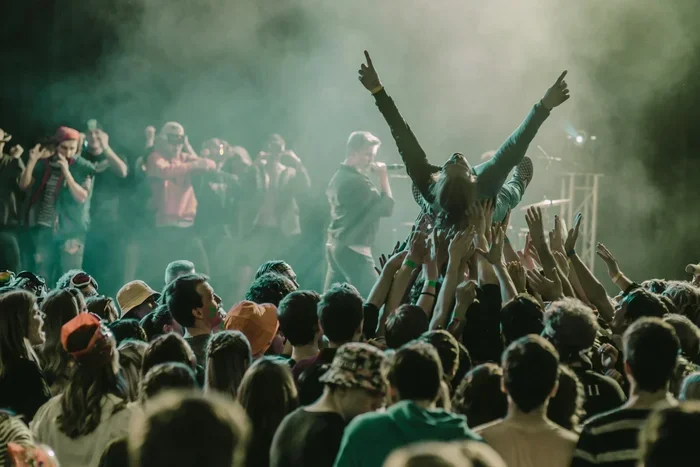
Online forums, concerts, and local shows all became gathering places for the emo culture. Fans connected over shared favorite bands, personal stories, and a love for the emo aesthetic. These bonds are still strong today.
Emo and Mental Health Awareness
The emo meaning has always been tied to mental health. The music often talks about depression, anxiety, and loneliness. And that is exactly why it resonates with so many people.
When you hear a song that describes exactly how you feel, it can be incredibly healing. The emo genre helped normalise conversations about mental health. It showed people that they are not alone in their struggles.
The Evolution of Emo Meaning Over Time
The emo meaning has changed a lot since the 1980s. What started as a small music scene grew into a global cultural movement. Today, the emo subculture continues to evolve. New bands carry the torch, and new fans discover the music and style every year.
Social media has also played a big role. Platforms like TikTok and Instagram have brought emo aesthetics to a whole new generation. The emo meaning is still alive and well, and it looks brighter than ever.
Common Misconceptions About the Emo Meaning
There are a lot of myths about emo meaning. Some people have unfair ideas about what it means to be emo. Let us clear up a few of the most common misconceptions.
Misconception 1: Emo Is Just About Being Sad
Yes, emo music often deals with sadness and pain. But emo meaning is not just about being sad all the time. It is about feeling deeply and being honest about those feelings. Emo fans also celebrate joy, love, and friendship through the culture.
Misconception 2: Emo Is a Phase
Some people think being emo is just a teenage phase that people grow out of. But for many, the emo subculture is a lifelong identity. The emo community welcomes people of all ages. The emotional depth of the culture stays meaningful no matter your age.
Misconception 3: Emo People Are Weak
This is one of the most harmful stereotypes. Expressing your emotions takes real strength. The emo meaning is built on the idea that vulnerability is powerful, not weak. The emo culture teaches people to embrace their true feelings.
Misconception 4: Emo Is Just a Fashion Trend
While emo fashion is iconic, it is not just a trend. The emo aesthetic grew out of a genuine need for self-expression. The clothes, the music, and the community all come from the same place — a desire to be real and authentic.
Why Understanding Emo Meaning Matters Today
You might be wondering why emo meaning still matters. The world has changed a lot since the 1980s. But the core of the emo subculture is more relevant than ever.
Today, people are more open about mental health than ever before. The emo culture helped pave the way for that openness. By encouraging people to express their feelings, emo meaning has had a lasting impact on how we talk about emotions.
The emo genre continues to inspire new music. The emo fashion still influences streetwear and alternative style. And the emo community remains a welcoming space for anyone who needs to feel understood.
Understanding emo meaning also helps us appreciate the power of music and art. It shows us that creativity can be a lifeline. It can help people heal, connect, and find their voice.
So the next time you hear someone talk about emo, remember that it is so much more than a label. It is a culture, a movement, and a way of life that celebrates emotional honesty and self-expression.
Quick Tips for Exploring Emo Culture
If you are new to emo culture, here are some easy ways to get started:
- Listen to classic emo bands. Start with My Chemical Romance, Fall Out Boy, and Dashboard Confessional.
- Explore the fashion. Try out some dark eyeliner, band tees, or skinny jeans to see how the style feels to you.
- Join online communities. Look for emo forums or social media groups where fans share music and stories.
- Go to a concert. Live emo shows are an incredible way to feel the energy and connection of the culture.
- Write your own feelings. Journaling or writing lyrics can help you connect with the emotional depth of the emo movement.
Expert Insights on Emo Culture
Music historians and cultural experts often point to emo meaning as a turning point in how society views emotional expression. According to cultural studies, the emo subculture gave a generation of young people permission to feel deeply and speak openly about their mental health. This shift has had lasting effects on how we talk about emotions in everyday life.
Dr. Cynthia Costello, a cultural studies researcher, has noted that emo culture provided a framework for emotional literacy. Many young people who felt misunderstood in traditional settings found acceptance in the emo community. The emotional hardcore roots of the genre reminded people that pain and beauty can coexist in art.
Today, the influence of emo meaning can be seen in pop-punk revivals, mental health advocacy, and even mainstream fashion. The emo aesthetic has inspired designers, and emo music continues to top charts around the world.
Common Mistakes People Make About Emo Culture
It is easy to misunderstand the emo subculture. Here are some mistakes to avoid:
- Stereotyping emo fans. Not everyone in the emo community fits the same mold. The culture is diverse and welcoming.
- Dismissing emo as just a fad. The emo movement has lasted for decades and continues to grow.
- Ignoring the music. The emo genre is the foundation of the culture. Without the music, the fashion and community would not exist.
- Using emo as an insult. Calling someone emo as an insult is disrespectful. The emo meaning is about strength and honesty.
Key Takeaways
Here is a quick recap of what we covered:
- Emo meaning comes from “emotional hardcore” and represents a culture of deep feeling and honesty.
- The emo genre started in the 1980s and grew into a mainstream music movement.
- Emo fashion is bold, dark, and full of personality — from skinny jeans to dark eyeliner.
- The emo community provides support, connection, and a safe space for emotional expression.
- Many misconceptions about emo are unfair and do not reflect the true depth of the culture.
- Understanding emo meaning helps us appreciate the power of music, fashion, and emotional honesty.
- The emo subculture continues to evolve and inspire new generations of fans worldwide.
Conclusion
The emo meaning is so much more than a word. It is a culture, a music genre, a fashion style, and a way of life. From its roots in emotional hardcore to its global influence today, the emo subculture has changed how people express themselves.
When you understand emo meaning, you see that it is about more than looks or music. It is about being honest with your feelings. It is about finding community and connection. It is about celebrating the full range of human emotion.
Whether you are a lifelong fan or just discovering the culture, the emo meaning has something to offer everyone. Embrace the music, the style, and the emotional depth. And remember — expressing who you are is never something to be ashamed of.
The world needs more people who are willing to feel deeply and speak openly. That is the heart of emo meaning. And that is a beautiful thing.
Frequently Asked Questions
What does emo stand for?
Emo is short for “emotional hardcore.” It started as a music genre in the 1980s that focused on raw, honest emotional expression. Over time, the emo meaning expanded to include fashion, culture, and a whole community of fans.
Is emo just a music genre?
No, emo meaning goes far beyond music. While emo music is the foundation, the culture also includes fashion, art, community, and a way of expressing emotions. The emo subculture is a full lifestyle for many people.
What is the typical emo fashion style?
The emo aesthetic usually includes skinny jeans, dark eyeliner, band t-shirts, black hoodies, Converse sneakers, and side-swept bangs. But emo fashion is all about personal expression, so there is no single “right” way to dress.
Is being emo about being sad all the time?
Not at all. While emo music often deals with sadness and pain, the emo culture is about feeling deeply and being honest about all emotions — including joy, love, and excitement. It is about emotional honesty, not just sadness.
Can anyone be part of the emo community?
Absolutely. The emo community is welcoming to anyone who connects with the music, the style, or the values of emotional expression. You do not have to fit a certain look or background to be part of the emo subculture.
Why is emo culture important?
The emo meaning matters because it has helped normalise conversations about mental health and emotional expression. The emo movement gave many people a sense of belonging and a way to share their feelings openly. Its impact on music, fashion, and culture continues to this day.
=== CONCLUSION ===
The emo meaning is a rich, layered culture that has touched millions of lives around the world. From its roots in emotional hardcore to its modern influence on music, fashion, and mental health awareness, the emo subculture remains a powerful force for self-expression and connection. Understanding emo meaning helps us appreciate the depth and beauty of a culture built on honesty and emotion. Whether you are exploring the music, trying out the style, or simply looking for a community that gets it, the world of emo has something meaningful to offer. Embrace it, explore it, and let it inspire you to be your most authentic self.