
eGFR stands for estimated glomerular filtration rate, and it is the most important number for checking how well your kidneys are working. This simple blood test helps doctors detect kidney problems early, often before you notice any symptoms. Understanding your eGFR meaning can empower you to take charge of your kidney health and make smarter decisions about your well-being.
If your doctor ever mentions a number called eGFR, you might wonder what it all means. The truth is, this one number reveals a lot about how well your kidneys are doing their job. eGFR meaning is simpler than most people think, and understanding it can be a real game-changer for your health.
Your kidneys work hard every single day. They filter waste, balance fluids, and keep your blood chemistry in check. But kidney problems often show no symptoms until the damage is already significant. That is exactly why the eGFR kidney function test exists. It gives your doctor a window into your kidney health long before you would ever feel something is wrong.
In this article, we will break down everything you need to know about what eGFR means, how the test works, what your results mean, and what you can do to keep your kidneys healthy. Whether your doctor just gave you a report or you are simply curious, this guide will help you understand one of the most important numbers in your blood work.
Key Takeaways
- eGFR measures kidney filtration: It tells you how efficiently your kidneys are cleaning your blood every minute.
- Normal eGFR is 90 or above: Lower numbers may signal kidney damage or chronic kidney disease.
- The test is simple and routine: It uses a blood sample and a few calculations based on your age, sex, and creatinine level.
- Early detection saves lives: Catching low eGFR early gives you time to protect your kidneys and slow disease progression.
- Lifestyle choices matter: Diet, hydration, blood pressure control, and avoiding certain medications all support healthy kidney function.
- eGFR is not a final diagnosis: It is one piece of the puzzle your doctor uses alongside other tests and symptoms.
📑 Table of Contents
- What Is eGFR and What Does It Measure?
- How Is the eGFR Test Done?
- Understanding eGFR Results and Kidney Disease Stages
- Why Your eGFR Matters for Long-Term Health
- How to Improve and Protect Your Kidney Function
- Common Myths About eGFR and Kidney Health
- When to Talk to Your Doctor About eGFR
- Conclusion
What Is eGFR and What Does It Measure?
eGFR stands for estimated glomerular filtration rate. Let us break that down. Your kidneys contain tiny filters called glomeruli. These little structures act like fine sieves, removing waste and extra fluid from your blood while keeping the good stuff, like proteins, where they belong.
The eGFR meaning is a number that estimates how much blood your kidneys filter every minute. Think of it as a score for your kidney filtration power. A higher number usually means healthy kidneys. A lower number may suggest that your kidneys are not working as well as they should.
This number is not something you measure directly in a lab. Instead, doctors calculate it using a formula. The formula takes into account your blood creatinine level, your age, your sex, and sometimes your race. Creatinine is a waste product that comes from normal muscle activity. When your kidneys filter well, creatinine stays low in your blood. When they struggle, creatinine builds up.
Why Is eGFR Different from a Creatinine Test?
You might hear your doctor talk about creatinine and eGFR together, and they are related but not the same thing. Creatinine is the raw lab value. It tells you how much waste is floating in your bloodstream. But creatinine alone does not tell the full story.
Two people can have the same creatinine level but very different kidney function. Why? Because eGFR creatinine calculations adjust for factors like age and body size. A young, muscular person naturally has higher creatinine. An older adult with less muscle mass might have the same creatinine reading but very different kidney health. The eGFR kidney function estimate accounts for all of that.
What Is a Normal eGFR Number?
A normal eGFR is usually 90 or higher. This means your kidneys are filtering blood efficiently. Here is a quick breakdown of what different ranges can mean:
- 90 or above: Normal kidney function. Your kidneys are doing their job well.
- 60 to 89: Mildly decreased function. This might be early-stage kidney disease or a normal age-related change.
- 30 to 59: Moderately decreased function. Your doctor will likely monitor this closely.
- 15 to 29: Severely decreased function. This suggests advanced kidney disease.
- Below 15: Kidney failure. Immediate medical attention is needed.
Keep in mind that one low reading does not always mean something is wrong. Temporary drops can happen from dehydration, certain medications, or a recent illness. Your doctor will look at trends over time.
How Is the eGFR Test Done?
The good news is that getting your eGFR tested is simple and painless. There is no special preparation in most cases. You simply get a blood draw, just like any other routine lab test.
Step-by-Step: What Happens During the Test
- A healthcare professional cleans the inside of your elbow.
- A small needle is inserted into a vein, usually in your arm.
- A few milliliters of blood are collected into a tube.
- The sample is sent to a lab for analysis.
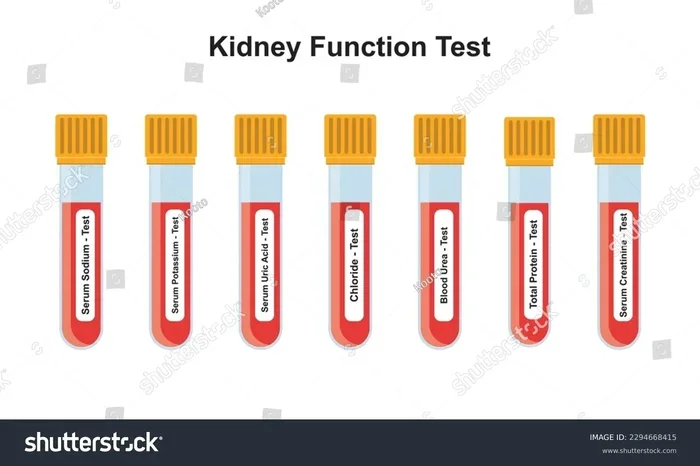
- The lab measures your serum creatinine level and feeds it into the eGFR formula.
- Your doctor receives the results, often within a day or two.
That is it. No fasting required in most cases. No special equipment. No discomfort beyond a brief pinch. The eGFR test is one of the easiest and most informative tests available in modern medicine.
Can You Check eGFR at Home?
Some at-home health kits now offer kidney function panels. These kits let you prick your finger and send a blood sample to a lab. While they can give you a general idea, they are not a replacement for professional medical advice. Always share your results with your doctor for proper interpretation.
Understanding eGFR Results and Kidney Disease Stages
Your eGFR results are closely tied to something called chronic kidney disease, or CKD. Doctors use the eGFR CKD staging system to classify how advanced any kidney problem might be. This staging helps guide treatment decisions and gives you a clearer picture of your health.
The Five Stages of Chronic Kidney Disease
CKD is divided into five stages based on your eGFR number:
- Stage 1 (eGFR 90+): Normal or high filtration with other signs of kidney damage, like protein in the urine.
- Stage 2 (eGFR 60-89): Mildly reduced filtration with possible signs of kidney damage.
- Stage 3a (eGFR 45-59): Mildly to moderately reduced filtration.
- Stage 3b (eGFR 30-44): Moderately to severely reduced filtration.
- Stage 4 (eGFR 15-29): Severely reduced filtration. Close monitoring and preparation for potential kidney replacement therapy are important.
- Stage 5 (eGFR below 15): Kidney failure. Dialysis or a transplant may be needed.
Understanding these stages helps you and your doctor create a plan. Early stages often respond well to lifestyle changes and medication. Later stages require more intensive medical care.
What Causes Low eGFR?
Many things can lead to a drop in your eGFR kidney function score. Some causes are temporary, while others point to ongoing kidney damage. Common causes include:
- High blood pressure, which damages kidney blood vessels over time.
- Diabetes, the leading cause of chronic kidney disease.
- Heart disease, which shares many risk factors with kidney problems.
- Family history of kidney disease.
- Chronic inflammation or autoimmune conditions.
- Long-term use of certain pain medications, like NSAIDs.
- Dehydration or severe infections.
If your eGFR meaning comes back lower than expected, your doctor will look for the underlying cause. Sometimes treating the root problem can stabilize or even improve your kidney function.
Why Your eGFR Matters for Long-Term Health
You might be thinking, “I feel fine. Why do I need to worry about my eGFR?” That is a completely fair question. And the honest answer is that kidney disease is often silent. You can lose up to 90 percent of your kidney function without feeling a single symptom.
The Silent Threat of Kidney Disease
Kidney disease is sometimes called a “silent killer” because symptoms rarely appear until the damage is advanced. By the time you notice fatigue, swelling, or changes in urination, the problem may already be serious. This is exactly why regular eGFR kidney function testing is so important, especially if you have risk factors like diabetes or high blood pressure.
Catching a low eGFR early gives you a real advantage. Studies show that early intervention can slow the progression of kidney disease significantly. In some cases, lifestyle changes alone can stabilize kidney function for years or even decades.
How eGFR Connects to Other Health Conditions
Your kidneys do not work in isolation. They are connected to nearly every system in your body. A low eGFR can increase your risk of:
- Heart attacks and strokes, because your kidneys help regulate blood pressure and fluid balance.
- Anemia, because healthy kidneys produce a hormone that triggers red blood cell production.
- Bone weakness, because your kidneys help manage calcium and vitamin D levels.
- Electrolyte imbalances, which can affect your heart rhythm and muscle function.
- Fluid buildup, which can cause swelling in your legs, ankles, and even lungs.
This is why your eGFR meaning extends far beyond just kidney health. It is a window into your overall well-being.
How to Improve and Protect Your Kidney Function
The good news is that there is a lot you can do to support your kidneys and keep your eGFR in a healthy range. Prevention and early action are your best tools.
Top Tips for Healthy Kidneys
- Stay hydrated. Water helps your kidneys flush waste from your blood. Aim for about 8 cups a day, more if you are active or live in a hot climate.
- Manage your blood pressure. High blood pressure is one of the top threats to kidney health. Regular monitoring and medication if needed can make a big difference.
- Control your blood sugar. If you have diabetes, keeping your blood sugar in target range protects your kidney filters from damage.
- Eat a kidney-friendly diet. Focus on whole foods, limit processed items, and watch your sodium intake. Too much salt raises blood pressure and stresses your kidneys.
- Limit over-the-counter painkillers. Frequent use of NSAIDs like ibuprofen and naproxen can harm your kidneys over time. Use them sparingly and talk to your doctor about alternatives.
- Exercise regularly. Even moderate activity like walking 30 minutes a day supports healthy blood flow and blood pressure.
- Avoid smoking. Smoking damages blood vessels and reduces blood flow to the kidneys, accelerating kidney decline.
Quick Tips for Everyday Kidney Protection
- Read nutrition labels and aim for less than 2,300 milligrams of sodium per day.
- Choose fruits and vegetables rich in antioxidants, like berries, leafy greens, and bell peppers.
- Limit red meat and processed foods, which can increase the workload on your kidneys.
- Get your kidney function checked annually if you have risk factors.
- Tell every doctor you visit about your kidney health history, especially before imaging tests or new prescriptions.
Small daily choices add up over time. Protecting your kidneys today can help you avoid serious health problems down the road.
Common Myths About eGFR and Kidney Health
There is a lot of misinformation out there about kidney function and the eGFR meaning. Let us clear up some of the most common myths.
Myth 1: You Only Need to Worry About Kidneys If You Have Symptoms
As we discussed earlier, kidney disease is often symptom-free in its early stages. Waiting for symptoms means waiting until the damage is advanced. Regular blood work that includes an eGFR test is the smartest approach.
Myth 2: A Low eGFR Always Means Kidney Failure
A temporarily low reading does not mean you have kidney failure. Many things can cause a short-term dip, including dehydration, a fever, or a new medication. Your doctor will look at the big picture before drawing any conclusions.
Myth 3: Only Older Adults Need to Worry About eGFR
While kidney function naturally declines with age, young people can develop kidney problems too. Diabetes, autoimmune diseases, and genetic conditions can affect kidney health at any age. No matter your age, knowing your eGFR kidney function is valuable.
Myth 4: There Is Nothing You Can Do to Improve eGFR
This is simply not true. Research shows that controlling blood pressure, managing blood sugar, staying active, and eating well can all help stabilize or even improve kidney function in many cases. Your daily habits matter more than you might think.
When to Talk to Your Doctor About eGFR
You should not wait for a problem to start paying attention to your kidney health. Consider discussing your eGFR with your doctor if:
- You have diabetes or high blood pressure.
- You are over the age of 60.
- You have a family history of kidney disease.
- You notice changes in your urination, such as foamy urine, frequent urges, or dark-colored urine.
- You experience unexplained fatigue, swelling, or persistent itching.
- You are taking medications that can affect kidney function.
Your doctor can order a simple blood test and explain your eGFR meaning in the context of your overall health. There is no reason to feel anxious about asking questions. Understanding your numbers is the first step toward taking control.
Conclusion
Understanding eGFR meaning gives you a powerful tool for protecting your long-term health. This single number from a routine blood test can reveal how well your kidneys are filtering your blood, help detect kidney disease early, and guide important treatment decisions. Whether your eGFR is in the normal range or needs attention, knowing what it means puts you in a better position to take action.
Kidney health is not just a concern for older adults or people with existing conditions. It is something everyone should pay attention to. Regular testing, healthy lifestyle choices, and open conversations with your doctor can make all the difference. Your kidneys work tirelessly for you every day. Understanding your eGFR kidney function is one of the best ways to return the favor and keep them healthy for years to come.
Start by asking your doctor about your eGFR at your next checkup. It is a small step that can lead to big rewards for your overall health and peace of mind.
Frequently Asked Questions
What does eGFR stand for?
eGFR stands for estimated glomerular filtration rate. It is a number calculated from your blood test results that estimates how well your kidneys are filtering waste from your blood each minute. It is one of the most commonly used measures of kidney function in modern medicine.
Is a low eGFR always a sign of kidney disease?
Not necessarily. A low eGFR can be caused by temporary factors like dehydration, infection, or certain medications. However, if your eGFR stays low over multiple tests, it may indicate chronic kidney disease or other kidney problems. Your doctor will look at the trend and your full medical history before making a diagnosis.
At what age should I start getting my eGFR checked?
Most doctors recommend including an eGFR test in your routine blood work starting in early adulthood. If you have risk factors like diabetes, high blood pressure, or a family history of kidney disease, your doctor may suggest earlier and more frequent testing. For most healthy adults, annual checkups that include kidney function screening are a smart move.
Can eGFR improve on its own?
Yes, in some cases. If a low eGFR is caused by a temporary issue like dehydration or a medication side effect, it can return to normal once the underlying cause is addressed. Long-term improvements in diet, hydration, blood pressure control, and exercise can also help stabilize or slightly improve kidney function over time.
What is the difference between eGFR and creatinine?
Creatinine is a waste product measured directly in your blood. eGFR is a calculated estimate based on your creatinine level, along with your age, sex, and other factors. While creatinine gives you a raw number, eGFR meaning provides a more personalized and accurate picture of your kidney filtration ability.
What should I do if my eGFR is below 60?
If your eGFR kidney function score falls below 60, do not panic. Schedule a follow-up with your doctor to discuss the results. They may order additional tests, review your medications, and recommend lifestyle changes. Early action at this stage can help protect your kidneys and slow any further decline.