
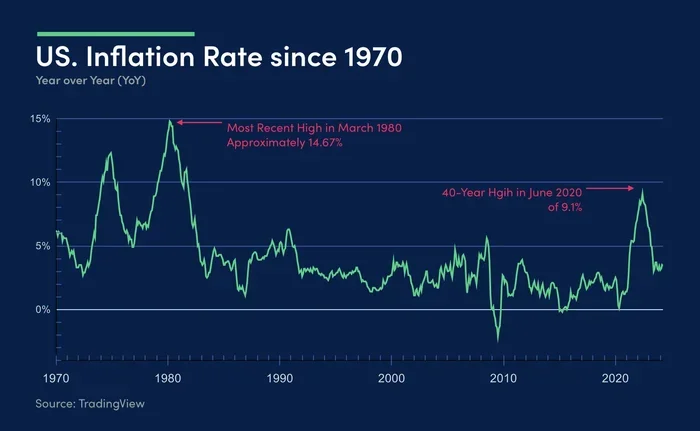

The CPI meaning stands for Consumer Price Index, a key economic indicator that measures changes in the price level of a basket of consumer goods and services over time. Understanding CPI meaning helps you grasp how inflation impacts your daily expenses, savings, and overall financial health. This guide breaks down CPI meaning in simple terms with real-world examples and practical tips.
Have you ever wondered what those headlines about “rising CPI” actually mean for your paycheck and grocery bill? The CPI meaning is simpler than you might think. CPI stands for Consumer Price Index, and it is one of the most important economic tools used worldwide. Whether you are tracking inflation, planning a budget, or just trying to understand the news, knowing the CPI meaning gives you real power. In this guide, we break down CPI meaning in plain, easy-to-understand language. No jargon. No confusing math. Just clear explanations that make sense.
By the end of this article, you will fully understand what CPI is, how it is calculated, why governments care about it, and how it touches your life every single day. Let us dive right in.
Key Takeaways
- CPI stands for Consumer Price Index: It tracks the average change in prices that consumers pay for everyday goods and services.
- CPI is a primary inflation measure: Governments and central banks use it to monitor price changes and set economic policy.
- CPI affects your wallet directly: From rent increases to grocery prices, CPI influences wages, interest rates, and Social Security adjustments.
- Core CPI removes volatile items: Food and energy are excluded to give a clearer picture of long-term price trends.
- CPI uses a market basket approach: A fixed set of goods and services is tracked over time to measure price changes.
- CPI differs from other indexes: It is not the same as the GDP deflator or the Producer Price Index, though they are related.
📑 Table of Contents
What Does CPI Mean?
The CPI meaning is the Consumer Price Index. It is a statistical measure that tracks the average change in prices that households pay for a standard set of goods and services. Think of it as a giant price thermometer for the economy. When CPI goes up, prices are rising. When it goes down, prices are falling. That is the basic idea behind CPI meaning.
The Bureau of Labor Statistics in the United States publishes CPI data every month. Many other countries have their own versions of the index. The CPI meaning stays the same across borders: it measures how the cost of living changes over time. This makes it one of the most watched economic indicators in the world.
So why does CPI meaning matter so much? Because it directly reflects what you and millions of other people pay for food, housing, transportation, and healthcare. When the CPI rises, your money buys less. That is the essence of inflation. Understanding CPI meaning helps you see the bigger picture of how the economy is performing and what it means for your personal finances.
The Market Basket Concept
At the heart of CPI meaning is something called the market basket. This is a fixed list of goods and services that represents what the average household buys. It includes things like bread, milk, rent, electricity, car fuel, and doctor visits. The CPI tracks the price of this basket over time. If the basket costs more this year than last year, the CPI goes up.
The market basket is updated periodically to reflect changing spending habits. For example, if people start buying more plant-based foods, the basket adjusts. But the core idea stays the same. The CPI meaning is to measure how the cost of this basket changes, giving us a clear picture of inflation rate and cost of living shifts.
How Is CPI Calculated?
Now that you know the CPI meaning, you might wonder how it is actually calculated. The process is more straightforward than it sounds. First, statisticians collect price data from thousands of stores, hospitals, and rental properties across the country. They compare current prices to prices from a base year. The base year is given a value of 100, and all other years are measured relative to it.
The formula for CPI is simple: divide the current cost of the market basket by the base year cost, then multiply by 100. The result is a number that shows how prices have changed. A CPI of 120 means prices are 20 percent higher than in the base year. A CPI of 95 means prices have actually dropped. That is the core of CPI meaning in action.
The Role of Weighting
Not all items in the market basket are equal. Housing costs weigh more heavily in CPI calculations than, say, the price of a haircut. This is called weighting. The CPI meaning relies on accurate weights to reflect real spending patterns. If housing takes up 40 percent of a household’s budget, it gets 40 percent of the weight in the index.
Weighting ensures that the CPI accurately represents what most people experience. Without it, the index would be skewed by items that people rarely buy. The weighting process is reviewed and updated regularly to keep CPI meaning relevant and precise.
Why CPI Matters to You
The CPI meaning goes far beyond economics textbooks. It affects your daily life in ways you might not realize. When CPI rises, it signals that your cost of living is increasing. That means the same amount of money buys fewer goods and services. Your grocery bill goes up. Your rent goes up. Even the price of a cup of coffee can be influenced by CPI trends.
But CPI meaning also has a direct impact on your income. Many employers use CPI data to adjust wages. Governments use it to set cost of living adjustment amounts for Social Security and other benefits. If CPI rises sharply, you may see a raise to keep up with inflation rate changes. If CPI stays flat or falls, raises may be smaller or nonexistent.
How CPI Affects Interest Rates
Central banks like the Federal Reserve pay close attention to CPI meaning when setting interest rates. High CPI readings signal strong inflation. To cool down the economy, the Fed may raise interest rates. This makes borrowing more expensive but helps bring inflation under control. When CPI is low or falling, the Fed may lower rates to encourage spending and investment.
These rate changes affect your mortgage, car loan, and credit card payments. So the next time you hear about CPI data on the news, remember that it has a direct chain effect on your financial life. The CPI meaning is not just an abstract number. It is a real driver of economic decisions that touch every household.
CPI and Your Savings
Inflation measured by CPI also impacts your savings. If your savings account earns 2 percent interest but CPI shows a 4 percent inflation rate, you are actually losing purchasing power. Your money is worth less today than it was last year. Understanding CPI meaning helps you make smarter decisions about where to put your savings. You might need to seek higher-yielding options to keep pace with rising prices.
Investors also watch CPI closely. Rising CPI can erode the value of fixed-income investments like bonds. On the other hand, some assets like real estate and commodities tend to hold their value better during high CPI periods. Knowing the CPI meaning gives you an edge in making informed investment choices.
Core CPI vs. Headline CPI
When you explore CPI meaning further, you will encounter two important variations: core CPI and headline CPI. These terms sound technical, but they are easy to understand. Headline CPI includes all items in the market basket, including food and energy prices. Core CPI removes food and energy from the calculation.
Why remove food and energy? Because their prices can swing wildly from month to month due to weather, geopolitical events, or supply chain disruptions. Core CPI strips out this volatility to reveal the underlying inflation trend. Both measures are important. Headline CPI shows you what you actually feel at the grocery store and gas pump. Core CPI gives economists a clearer view of long-term price index trends.
For everyday consumers, headline CPI often matters more because it reflects the prices you actually pay. But policymakers and analysts rely on core CPI to make decisions about monetary policy and economic stimulus. Together, these two measures give a complete picture of CPI meaning and its role in the economy.
CPI vs. Other Economic Indicators
CPI is not the only way to measure inflation. Two other common tools are the GDP deflator and the PPI, or Producer Price Index. Each has a different meaning and purpose. The GDP deflator measures the prices of all goods and services produced in an economy, including exports. CPI focuses only on what consumers buy. The PPI looks at prices from the seller’s side, measuring what producers receive for their goods.
Here is a quick comparison to clarify the differences:
- CPI measures what consumers pay for goods and services. It is the most direct measure of cost of living changes.
- GDP Deflator covers a broader range of goods, including business and government purchases. It reflects the overall price level of domestic production.
- PPI tracks wholesale prices. It shows how much producers receive before goods reach the consumer.
While these indicators are related, each captures a different angle of inflation. CPI meaning is unique because it centers on the consumer experience. This is why CPI is the most widely cited measure of inflation rate in household discussions and news reports.
How CPI Shapes Government Policy
Governments around the world use CPI data to shape policy decisions. When CPI shows rising inflation, lawmakers may adjust tax brackets to prevent “bracket creep.” This happens when inflation pushes your income into a higher tax bracket even though your real earnings have not changed. CPI meaning in this context is a tool for fairness in the tax system.
Social Security payments are also tied to CPI through annual cost of living adjustment increases. If CPI rises 3 percent, Social Security benefits typically rise by a similar amount. This ensures that retirees can keep up with the rising cost of living. Without CPI adjustments, the purchasing power of fixed incomes would erode quickly over time.
CPI and Wage Negotiations
Labor unions and workers also use CPI data during wage negotiations. A strong CPI reading gives workers leverage to demand raises that match the rising cost of living. Employers may argue that they cannot afford large raises, but CPI data provides an objective benchmark. Both sides look at CPI meaning to negotiate fair compensation that keeps pace with inflation.
Some contracts include automatic cost of living adjustment clauses. These clauses link wage increases directly to CPI changes. This removes guesswork and ensures that workers are fairly compensated as prices rise. It is a practical application of CPI meaning that benefits millions of workers.
Common Mistakes About CPI
There are several misconceptions about CPI meaning that can lead to confusion. One common mistake is thinking that CPI measures the price of a single item. In reality, CPI tracks the average price change across hundreds of thousands of items. It is a broad measure, not a specific price tag.
Another mistake is assuming that CPI is always accurate. Like any statistical measure, CPI has limitations. It does not account for changes in product quality. If a phone costs the same but has better features, CPI might overstate inflation. Conversely, it may not fully capture how people substitute cheaper alternatives when prices rise. These nuances are important to understand when interpreting CPI meaning.
Some people also confuse CPI with the inflation rate. CPI is the index itself, while the inflation rate is the percentage change in CPI over time. They are related but not the same thing. Keeping this distinction clear helps you use CPI data more effectively in everyday conversations and financial planning.
Quick Tips for Understanding CPI Data
Here are some practical tips to help you make sense of CPI reports and use CPI meaning to your advantage:
- Check the year-over-year change: This tells you how prices compare to the same month last year. It is the most common way to report inflation rate changes.
- Look at both headline and core CPI: Headline shows the full picture. Core shows the underlying trend. Use both for a complete view.
- Compare CPI to your personal budget: If CPI is rising fast, review your spending on categories like food, housing, and transportation.
- Track CPI over several months: A single month of data can be noisy. Look at trends over three to six months for a clearer signal.
- Use CPI data for financial planning: When setting savings goals or negotiating a raise, reference CPI trends to make a strong case.
The Global View of CPI
While the United States has its own CPI system, countries around the world track their own versions of the index. The CPI meaning remains consistent globally: it measures how the average cost of goods and services changes over time. The European Union uses a harmonized version called HICP, or Harmonized Index of Consumer Prices. China, Japan, India, and Brazil all publish their own CPI data each month.
Global CPI trends can influence international trade, currency values, and investment flows. When one major economy experiences high inflation, it can ripple through global markets. Understanding CPI meaning in a global context helps you see how interconnected the world economy truly is. A spike in CPI in one country can affect commodity prices, supply chains, and consumer spending in another.
International organizations like the World Bank and the International Monetary Fund also monitor CPI data across nations. They use it to assess economic stability and recommend policy adjustments. The CPI meaning in a global context is a powerful tool for understanding economic health on a worldwide scale.
The Future of CPI Measurement
As shopping habits change, so does the way CPI is calculated. The rise of online shopping has introduced new challenges for CPI measurement. Prices can change rapidly on e-commerce platforms, and consumers now have access to a wider range of products than ever before. Statisticians are adapting the market basket and data collection methods to reflect these shifts.
Some experts also advocate for using “chained CPI,” which adjusts the market basket more frequently to account for consumer substitution. If the price of beef rises sharply, consumers might buy chicken instead. Chained CPI captures this behavior, potentially providing a more accurate measure of inflation. These evolving methods show that the CPI meaning continues to adapt to a changing economy.
Technology is also playing a bigger role in CPI data collection. Automated price scraping from websites and mobile apps allows for more frequent and granular price tracking. This could make CPI data more timely and responsive to real-world price changes. The future of CPI meaning is exciting, and these innovations will make the index even more relevant to everyday consumers.
Conclusion
The CPI meaning is a fundamental concept that touches every aspect of modern life. From the grocery store to the stock market, from your paycheck to your retirement benefits, CPI shapes the economic landscape in profound ways. Understanding CPI meaning empowers you to make smarter financial decisions, interpret economic news with confidence, and advocate for fair wages and benefits.
Remember that CPI is not just a number printed in a government report. It is a living measure of how the cost of living changes over time. Whether you are a student learning about economics, a homeowner tracking inflation rate trends, or a professional negotiating a salary, the CPI meaning gives you valuable context. Keep an eye on CPI data each month. Use it to plan your budget, adjust your savings strategy, and stay informed about the economy.
The next time you hear the term CPI on the evening news, you will know exactly what it means and why it matters. Share this knowledge with friends and family. The more people understand CPI meaning, the better equipped they are to navigate the economic world around them. Start applying what you have learned today, and you will see the economy in a whole new light.
Frequently Asked Questions
What is the simple CPI meaning?
CPI stands for Consumer Price Index. It measures the average change in prices that consumers pay for a fixed basket of goods and services over time. It is the most common way to track inflation and changes in cost of living.
How does CPI affect my daily life?
CPI affects your daily life by influencing the prices you pay for food, rent, gas, and other essentials. It also impacts your wages, Social Security payments, and the value of your savings. When CPI rises, your money buys less, which means your purchasing power decreases.
What is the difference between CPI and inflation rate?
CPI is the index itself, a number that tracks price changes over time. The inflation rate is the percentage change in CPI from one period to another. Think of CPI as the temperature and the inflation rate as how fast the temperature is rising.
Why is core CPI different from headline CPI?
Headline CPI includes all items, including food and energy, which can be volatile. Core CPI removes food and energy to show the underlying inflation trend. Economists use core CPI to make policy decisions because it is less affected by short-term price swings.
Who calculates CPI in the United States?
The Bureau of Labor Statistics (BLS) calculates CPI data for the United States. They collect price information from thousands of retail stores, rental units, and service providers every month. This data forms the basis for the CPI index that is published and widely reported.
Can CPI be used for international comparisons?
Yes, many countries publish their own versions of CPI, though the calculation methods may vary slightly. The CPI meaning is consistent worldwide: it measures changes in consumer prices over time. Organizations like the World Bank use CPI data to compare inflation levels across different economies.



