
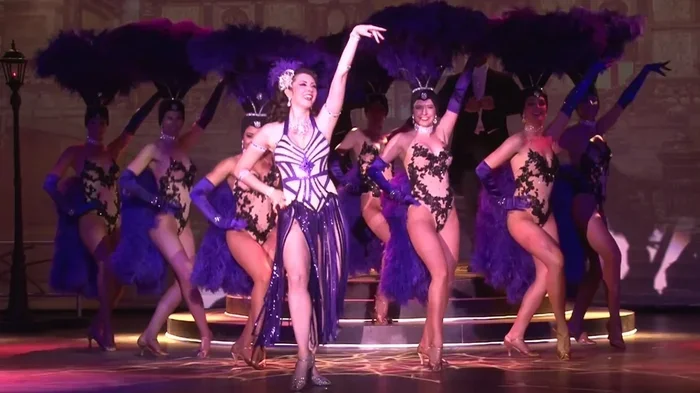

The burlesque meaning goes far beyond what most people assume. At its core, burlesque is a theatrical art form that blends comedy, satire, dance, and striptease into a bold and entertaining performance. Understanding the burlesque meaning opens the door to appreciating a rich cultural tradition that has entertained audiences for centuries and continues to thrive in the modern era.
You have probably heard the word burlesque before. Maybe you saw it in a movie or heard someone mention a burlesque show at a local theater. But what does burlesque really mean? The burlesque meaning is deeper and more interesting than most people think.
At its heart, burlesque is a performance art that mixes humor, satire, dance, and theatrical flair. It has been around for hundreds of years and has changed a lot over time. Today, it is enjoying a huge comeback around the world.
In this article, we will explore the full burlesque meaning. We will look at where it came from, how it has evolved, and why it still matters in modern culture. Whether you are curious about the history or thinking about attending a show, this guide has everything you need.
Key Takeaways
- Burlesque is a theatrical performance style that combines comedy, satire, dance, and striptease into one entertaining show.
- The word “burlesque” comes from Italian and originally meant a comic parody or mockery of serious works.
- Burlesque has a long history dating back to the 17th century, with major peaks in the 19th and 20th centuries.
- Modern burlesque, or neo-burlesque, has experienced a huge revival and focuses on artistry, empowerment, and self-expression.
- Burlesque is not just stripping — it involves elaborate costumes, theatrical storytelling, music, and audience interaction.
- Burlesque performers today use the art form for body positivity, confidence building, and creative expression.
- Understanding burlesque meaning helps you appreciate it as a legitimate and respected performing art.
📑 Table of Contents
What Is the Burlesque Meaning?
The burlesque meaning can be traced back to the Italian word “burlesco.” This word comes from “burla,” which means joke or mockery. So at the very basics, burlesque means something that is comically exaggerated or parodied.
In the world of entertainment, burlesque refers to a type of variety show. These shows combine different performance styles. You might see comedy sketches, music, dance, and striptease all in one evening. The goal is to entertain through humor and spectacle.
But the burlesque meaning is not just about what happens on stage. It is also about attitude and energy. Burlesque performances are bold, playful, and unapologetic. They celebrate creativity and self-expression in a way that few other art forms do.
The Different Types of Burlesque
Not all burlesque is the same. Over the centuries, different styles have emerged. Here are the main types you should know about:
- Comic burlesque: This style focuses on making the audience laugh. It parodies serious plays, operas, and stories. The humor is exaggerated and over the top.
- Theatrical burlesque: This form uses elaborate costumes, sets, and storytelling. It is more dramatic and artistic than comedic.
- Striptease burlesque: This is the style most people associate with burlesque. It involves sensual dance and gradual undressing.
- Neo-burlesque: This is the modern version of burlesque. It blends traditional elements with contemporary themes and styles.
Each type has its own flavor, but they all share the same spirit of bold entertainment. Understanding these different styles helps you appreciate the full burlesque meaning.
The History of Burlesque
The history of burlesque is fascinating. It has gone through many changes over the centuries. Let us take a journey through time and see how this art form developed.
Early Origins in the 17th Century
The burlesque meaning first appeared in the literary world in the 1600s. Writers used the term to describe comic parodies of serious works. These were humorous takes on famous poems, plays, and stories.
In England, writers like Samuel Butler and John Dryden popularized burlesque literature. Their works mocked the grand styles of the time. They used humor and exaggeration to make serious topics feel light and entertaining.
Burlesque Comes to the Stage
By the 1800s, burlesque had moved from literature to the stage. Theatrical burlesque shows became hugely popular in both England and the United States. These shows featured music, dance, comedy, and parody.
In the US, burlesque shows became a staple of vaudeville theater. They offered working-class audiences an affordable night of entertainment. The shows were racy but clever. They used humor and satire to comment on society and culture.
The Golden Age of Burlesque
The early to mid-1900s is often called the golden age of burlesque. During this time, burlesque shows were at their peak. Famous performers like Lili St. Cyr and Tempest Storm became household names.
Burlesque theaters popped up in cities across America. Shows featured elaborate costumes, chorus lines, and comedic sketches. The burlesque meaning during this era was all about glamorous entertainment with a naughty edge.
The Decline and the Comeback
By the 1950s and 1960s, burlesque began to decline. Television and changing social norms made the old-style burlesque shows less popular. Many people associated burlesque only with stripping, which hurt its reputation.
But the story does not end there. Starting in the 1990s, a burlesque revival began. Performers and artists rediscovered the art form and brought it back to life. This revival gave birth to neo-burlesque, which we will talk about next.
Burlesque vs. Striptease — What Is the Difference?
This is one of the most common questions people ask. Many people confuse burlesque with striptease. While they share some similarities, they are not the same thing. Understanding the difference is key to truly grasping the burlesque meaning.
What Makes Burlesque Unique
Striptease focuses mainly on the act of undressing. The goal is often to arouse the audience. Burlesque, on the other hand, is about the entire performance experience.
A burlesque show includes many elements. There is comedy, music, storytelling, and theatrical props. The undressing is just one part of a larger performance. It is often done with humor, style, and artistry.
Think of it this way. Striptease is like a single instrument playing a song. Burlesque is like a full orchestra performing a symphony. Both can be beautiful, but one is much more complex and layered.
The Role of Humor and Satire
One of the biggest differences is humor. Burlesque almost always includes comedy. The performances are meant to be fun and entertaining, not just sensual.
Satire is also a big part of burlesque. Performers often parody popular culture, social norms, and traditional gender roles. This adds depth and intelligence to the shows. It is entertainment with a brain behind it.
So when you ask, “What is the burlesque meaning?” remember that it is much more than just taking off clothes. It is a full theatrical experience that celebrates creativity and humor.
The Modern Burlesque Revival
Over the past two decades, burlesque has experienced an incredible comeback. This modern burlesque revival has brought the art form to new audiences around the world. Let us look at why this is happening and what it means.
Neo-Burlesque: The New Wave
Neo-burlesque is the modern version of traditional burlesque. It keeps the classic elements but adds contemporary twists. Performers today draw from many different styles and influences.
Modern burlesque shows might include elements of cabaret, drag, circus arts, and even spoken word poetry. The possibilities are endless. This fusion of styles is what makes neo-burlesque so exciting and fresh.
The neo-burlesque movement has given the burlesque meaning new depth. It is no longer just about entertainment. It has become a platform for artistic expression and social commentary.
Burlesque as Empowerment
One of the most beautiful things about modern burlesque is its focus on empowerment. Many performers use burlesque as a way to celebrate their bodies and build confidence.
Burlesque is for people of all shapes, sizes, ages, and backgrounds. It challenges narrow beauty standards and promotes body positivity. This is a huge part of why the art form is resonating so strongly today.
When you attend a modern burlesque show, you will see performers who are confident and joyful. They are not performing for anyone else’s approval. They are performing for themselves and their love of the art.
Burlesque Festivals and Communities
Burlesque festivals have popped up in cities around the globe. Events like the Burlesque Hall of Fame Weekender and the London Burlesque Festival draw thousands of fans each year.
These festivals create a sense of community. Performers and fans come together to celebrate the art form. Workshops, panels, and performances all contribute to a vibrant and welcoming atmosphere.
If you are curious about the burlesque meaning in practice, attending a festival is a great way to experience it. You will see the diversity and creativity that modern burlesque has to offer.
Key Elements of a Burlesque Performance
What makes a burlesque show a burlesque show? There are several key elements that define the experience. Understanding these will help you appreciate what is happening on stage.
Costumes and Props
Costumes are a huge part of burlesque. Performers wear elaborate, detailed outfits that are works of art in themselves. Feathers, sequins, corsets, and hats are all common.
Props add another layer of fun and creativity. Fans, chairs, canes, and even bubbles might be used during a performance. These props are not just decorative. They are tools that help tell the story of the act.
Music and Rhythm
Music sets the tone for every burlesque performance. Performers carefully choose songs that match the mood and theme of their act. Jazz, funk, pop, and classical music are all popular choices.
The rhythm of the music drives the choreography. Every movement on stage is timed to the beat. This creates a sense of flow and precision that is mesmerizing to watch.
Audience Interaction
Burlesque is not a passive experience. Performers often interact directly with the audience. They might invite volunteers on stage or make playful comments from the stage.
This interaction creates a unique energy. The audience becomes part of the show. It is one of the reasons burlesque feels so alive and engaging compared to other forms of entertainment.
The Art of the Tease
The tease is the heart of burlesque. It is the slow, deliberate building of anticipation. The performer reveals bits and pieces of their costume over the course of the act.
This is where the burlesque meaning really shines. The tease is about more than just taking off clothes. It is about the journey, the tension, and the payoff. It is storytelling through movement and spectacle.
Why Burlesque Still Matters Today
You might wonder why burlesque matters in the 21st century. After all, we have movies, streaming, and social media. Why do people still care about live burlesque shows?
The answer comes down to connection and authenticity. In a world full of screens and digital distractions, burlesque offers something real. It is live, in-person, and full of human energy.
Burlesque also challenges us to think differently about entertainment and art. It blurs the lines between comedy and sensuality, between performance and participation. It refuses to be boxed into one category.
For many people, burlesque is a form of self-care and self-expression. It encourages people to embrace their bodies, their humor, and their creativity. In a world that often tells us to be less, burlesque says be more.
The burlesque meaning today is about freedom and joy. It is about celebrating the human body and spirit in all their diversity. That is something that will never go out of style.
Burlesque in Pop Culture
Burlesque has had a big influence on pop culture. Movies like “Burlesque” and “The Artist” have brought the art form to mainstream audiences. TV shows and music videos also draw heavily from burlesque aesthetics.
Pop culture has helped reshape the burlesque meaning for a new generation. It has moved burlesque from something people only saw in old movies to something that feels fresh and relevant today.
How to Experience Burlesque Yourself
If you are interested in experiencing burlesque, there are many ways to do it. You can attend a live show at a local theater or cabaret venue. Many cities now have regular burlesque nights.
You can also explore burlesque as a performer. Many studios offer classes for beginners. These classes teach the basics of burlesque dance, costume design, and stage presence.
Watching online burlesque performances is another great option. Many performers share their acts on social media platforms. This is a wonderful way to get a feel for the art form from home.
Common Misconceptions About Burlesque
There are several misconceptions about burlesque that are worth addressing. First, many people think burlesque is the same as stripping. As we discussed, this is not true. Burlesque is a much richer and more complex art form.
Second, some people think burlesque is only for certain types of people. This is completely wrong. Burlesque is for everyone. Performers and audiences come from all walks of life.
Third, people often think burlesque is outdated. The modern revival proves this is far from the truth. Today’s burlesque scene is vibrant, innovative, and growing every year.
Conclusion
The burlesque meaning is rich, layered, and full of history. From its roots in 17th-century literature to the modern neo-burlesque revival, burlesque has always been about more than just entertainment. It is a celebration of creativity, humor, and human expression.
Whether you are a longtime fan or a complete beginner, there is always something new to discover about burlesque. The art form continues to evolve and surprise us. It adapts to the times while keeping its core spirit alive.
If you have never experienced a burlesque show, now is the perfect time to go. You will be amazed by the artistry, the energy, and the joy that performers bring to the stage. The burlesque meaning comes alive in a way that you have to experience to truly understand.
So next time someone asks you about burlesque, you can tell them more than just the surface level. You can share the history, the artistry, and the magic that make burlesque one of the most exciting and enduring performance art forms in the world.
Frequently Asked Questions
What does burlesque mean in simple terms?
In simple terms, burlesque is a type of entertainment that combines comedy, dance, satire, and theatrical performance. It often includes elaborate costumes and a playful, exaggerated style. The burlesque meaning centers on creating a fun and bold experience for the audience.
Is burlesque the same as stripping?
No, burlesque is not the same as stripping. While burlesque may include elements of striptease, it is a much broader art form. Burlesque includes comedy, music, storytelling, and theatrical props. The focus is on the full performance, not just the undressing.
Where did burlesque originate?
Burlesque originated in 17th-century Italy. The word comes from the Italian “burlesco,” meaning joke or mockery. It started as a literary form of comedy and later moved to the stage. By the 1800s, burlesque shows were a popular form of entertainment in England and the United States.
What is neo-burlesque?
Neo-burlesque is the modern version of traditional burlesque. It keeps classic elements like costumes and the tease but adds contemporary styles and themes. Neo-burlesque often blends in elements from cabaret, drag, and other performance arts. It has driven much of the recent burlesque revival.
Can anyone perform burlesque?
Absolutely. Burlesque is for people of all ages, body types, and backgrounds. Many studios offer beginner classes that teach the fundamentals. You do not need any prior dance experience to get started. The most important thing is confidence and a willingness to have fun.
Why is burlesque experiencing a revival today?
Burlesque is experiencing a revival because people are drawn to live, authentic entertainment. The modern burlesque scene emphasizes empowerment, body positivity, and artistic expression. These themes resonate strongly with today’s audiences. The rise of social media has also helped bring burlesque to a wider audience than ever before.



