
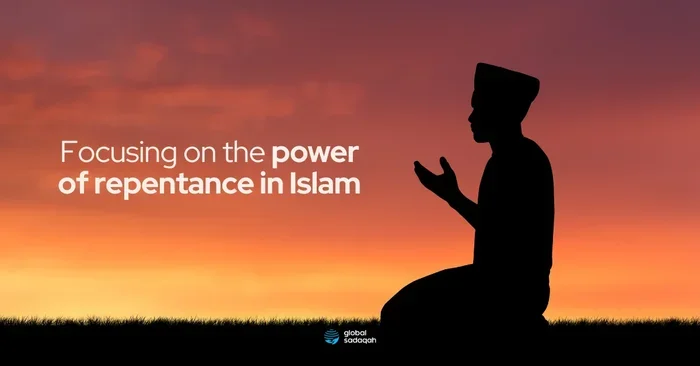

The astaghfirullah meaning is “I seek forgiveness from Allah,” and it is one of the most powerful and frequently used supplications in Islam. This simple phrase holds deep spiritual weight, connecting Muslims to divine mercy, repentance, and inner peace. Understanding the astaghfirullah meaning helps believers deepen their faith, purify their hearts, and grow closer to God through daily practice.
Have you ever heard someone say “astaghfirullah” and wondered what it really means? You are not alone. This phrase holds a special place in the hearts of millions of Muslims around the world. It is more than just words. It is a heartfelt prayer for forgiveness and a reminder of our connection to Allah.
The astaghfirullah meaning goes far deeper than a simple translation. When you say it, you are asking for divine mercy and acknowledging your own imperfections. Whether you are a lifelong Muslim or someone just learning about Islamic supplications, understanding the astaghfirullah meaning can bring a new level of depth to your spiritual journey.
In this article, we will explore the astaghfirullah meaning in detail. We will look at where it comes from, how to use it, and why it matters so much in daily Islamic practice. By the end, you will see this beautiful phrase in a whole new light.
Key Takeaways
- Astaghfirullah means “I seek forgiveness from Allah” and is a core Islamic supplication.
- Regularly saying this phrase brings spiritual purification, inner peace, and divine mercy.
- The practice of istighfar is deeply rooted in the Quran and the teachings of Prophet Muhammad.
- There are many forms and variations of seeking forgiveness in Islam, each with unique benefits.
- Understanding the true meaning transforms a simple phrase into a powerful tool for spiritual growth.
- Practicing astaghfirullah daily can improve mental well-being and strengthen your connection to faith.
📑 Table of Contents
- What Is the Astaghfirullah Meaning?
- The Spiritual Significance of Seeking Forgiveness
- How to Say Astaghfirullah and When to Use It
- Astaghfirullah in the Quran and Hadith
- The Benefits of Regular Istighfar
- Common Mistakes and How to Avoid Them
- Expert Insights on the Power of Astaghfirullah
- How to Make Astaghfirullah a Daily Habit
- Conclusion
What Is the Astaghfirullah Meaning?
The phrase “astaghfirullah” comes from Arabic. It is one of the most recognized expressions in the Islamic faith. At its core, the astaghfirullah meaning is “I seek forgiveness from Allah.” But there is so much more packed into those three words.
Breaking Down the Word
Let us look at the word itself. “Astaghfir” comes from the Arabic root “gh-f-r.” This root is all about covering and protecting. When you seek forgiveness, you are asking Allah to cover your mistakes and protect you from their consequences.
The “ullah” part means “of Allah.” So when you put it together, you are saying “I seek the forgiveness of Allah.” It is a humble act. It shows that you recognize your faults and turn to God with an open heart.
How Is It Pronounced?
Pronunciation matters when it comes to Islamic supplications. The phrase is pronounced “asta-gh-fi-ru-llah.” Each syllable flows into the next. It sounds melodic and peaceful. Many Muslims find comfort in the rhythm of the words themselves, even before thinking about the deeper meaning.
Some people also say “astaghfirullah al-azim,” which adds the word “al-azim,” meaning “the Almighty.” This version emphasizes the greatness of the One you are asking for forgiveness. It is a small addition, but it carries a lot of weight.
The Spiritual Significance of Seeking Forgiveness
The astaghfirullah meaning is not just about words. It is about the heart. In Islam, seeking forgiveness is a vital part of spiritual growth. It reminds us that no one is perfect. We all make mistakes. And turning back to God with sincerity is one of the most powerful things a person can do.
Why Is Forgiveness So Important in Islam?
Islam teaches that Allah is Al-Ghafur and Al-Tawwab. These are two of His beautiful names. Al-Ghafur means “The Most Forgiving.” Al-Tawwab means “The One who accepts repentance.” Together, they show that God is always ready to forgive those who truly seek Him.
When you say “astaghfirullah,” you are doing more than asking for pardon. You are also promising to try harder. It is an act of repentance. It shows that you want to do better and live a life that pleases God.
The Connection Between Forgiveness and Inner Peace
Carrying guilt weighs you down. It affects your mind, your body, and your spirit. The astaghfirullah meaning offers a way to release that burden. When you sincerely ask for forgiveness, you feel lighter. You feel closer to God.
Many Muslims report that regular istighfar (the act of seeking forgiveness) brings them a deep sense of calm. It helps them let go of past mistakes and move forward with a clear conscience. This is one of the greatest gifts of this simple phrase.
How to Say Astaghfirullah and When to Use It
The beauty of the astaghfirullah meaning is that it fits into every moment of your day. You do not need a special time or place. You can say it anywhere, anytime. Here are some common moments when Muslims use this powerful supplication.
During Daily Prayers
Salah, or daily prayer, is a cornerstone of the Islamic faith. Many Muslims include istighfar in their prayers. After completing the prayer, it is common to say “astaghfirullah” three times. This is a sunnah, or practice, of Prophet Muhammad.
Some also say it during the sujood, which is the prostration part of prayer. When you are bowing low with your forehead on the ground, it is the perfect time to ask for forgiveness with humility and sincerity.
In Moments of Reflection
Life can be busy and stressful. Taking a few minutes to sit quietly and say “astaghfirullah” can be very grounding. It helps you pause and reflect on your actions. It reminds you to be a better person.
Many people like to say it before going to sleep. This helps them end the day with a clean heart. They ask God to forgive any wrongs they may have committed during the day. It is a beautiful way to find peace before rest.
After Making a Mistake
We all slip up sometimes. Maybe you snapped at someone or told a small lie. When you realize you have made a mistake, saying “astaghfirullah” right away is a natural response. It is your immediate connection to divine mercy.
The sooner you seek forgiveness, the better. Islam encourages believers not to delay repentance. The astaghfirullah meaning reminds you that God’s door of forgiveness is always open.
Astaghfirullah in the Quran and Hadith
The astaghfirullah meaning is not just a cultural tradition. It is deeply rooted in the Islamic holy texts. The Quran and the Hadith both encourage believers to seek forgiveness regularly. Let us look at some of the key references.
Key Verses About Seeking Forgiveness
The Quran mentions istighfar many times. One famous verse is from Surah Al-Baqarah, which says: “And those who, when they commit an immorality or wrong themselves, remember Allah and seek forgiveness for their sins.” This verse shows that seeking forgiveness is a sign of the faithful.
Another powerful verse is from Surah Ash-Shura: “And those who, when they have done an evil or wronged themselves, bring Allah to mind and then seek forgiveness for their sins.” Notice how these verses connect remembering Allah with seeking forgiveness. The astaghfirullah meaning captures this perfectly.
Teachings of Prophet Muhammad
Prophet Muhammad was a master of seeking forgiveness. He would say “astaghfirullah” more than seventy times a day. His companions followed his example. They understood that the astaghfirullah meaning was not just a phrase but a way of life.
One famous hadith says: “Seek forgiveness from Allah, for I seek forgiveness from Him a hundred times each day.” This shows just how important istighfar was in the life of the Prophet. It is a practice that every Muslim can and should follow.
Another hadith teaches that saying “astaghfirullah” opens the doors of blessings and provision. It is not just about washing away sins. It is about inviting more goodness into your life.
The Benefits of Regular Istighfar
When you understand the astaghfirullah meaning and make it a habit, amazing things can happen. The benefits go beyond the spiritual realm. They touch every part of your life.
Spiritual Growth and Closeness to God
Regular istighfar purifies your heart. It removes the darkness of sins and replaces it with light. Over time, you feel more connected to Allah. Your faith grows stronger. You become more aware of your actions and their impact.
This is one of the most beautiful aspects of the astaghfirullah meaning. It is not just about fixing mistakes. It is about becoming a better, more mindful person every single day.
Mental and Emotional Well-Being
Guilt and regret can be heavy. They can cloud your mind and drain your energy. When you practice seeking forgiveness, you let go of that weight. You give yourself permission to start fresh.
Many people find that saying “astaghfirullah” helps them feel less anxious. It gives them a sense of control over their spiritual life. It is a simple act that brings profound peace. This is why so many Muslims turn to istighfar during stressful times.
Protection from Hardship
In Islamic teachings, regular istighfar can protect you from difficulties. The Prophet Muhammad taught that seeking forgiveness brings rain, increases your provision, and protects you from harm. The astaghfirullah meaning is not just a prayer. It is a shield.
Think of it this way. Every time you say “astaghfirullah,” you are asking God to cover you. You are asking Him to protect you from the consequences of your past, present, and future mistakes. It is a powerful act of trust in divine mercy.
Strengthening Relationships
When you seek forgiveness from Allah, you also become more forgiving of others. The astaghfirullah meaning teaches humility. It reminds you that you are not perfect and neither is anyone else. This understanding helps you be more patient and kind with the people around you.
Healthy relationships are built on empathy and forgiveness. When you practice both toward Allah and toward others, your bonds grow stronger. Your family, friends, and community all benefit from your spiritual growth.
Common Mistakes and How to Avoid Them
While the astaghfirullah meaning is simple and beautiful, there are some common mistakes people make when practicing istighfar. Being aware of these can help you get the most out of this powerful practice.
Saying It Without Sincerity
The biggest mistake is saying “astaghfirullah” without truly meaning it. It becomes a habit, a reflex, and loses its power. The astaghfirullah meaning requires sincerity. You need to feel it in your heart, not just on your tongue.
Quick Tip: Before you say it, pause for a moment. Think about what you are asking for. Feel the weight of your words. This small change can transform your practice.
Not Following Up with Action
Seeking forgiveness is not just about words. It is about changing your behavior. If you keep making the same mistakes without trying to improve, your istighfar loses its value. True repentance means you make an effort to do better.
Think of it like this. If you apologize to a friend but then do the same thing again, your apology means very little. The same is true with Allah. The astaghfirullah meaning includes a promise to grow and improve.
Delaying Repentance
Another common mistake is putting off seeking forgiveness. Some people think they can wait until later. But the truth is, you never know how much time you have. The Prophet Muhammad taught that believers should not delay repentance.
Quick Tip: Make it a habit to say “astaghfirullah” at least once every hour. Set a gentle reminder on your phone if you need to. This keeps your heart soft and your connection to Allah strong throughout the day.
Feeling Hopeless About Forgiveness
Sometimes people feel like their sins are too big for God to forgive. This is a trick of the mind. Allah’s mercy is infinite. No sin is too big for Him. The astaghfirullah meaning is a reminder that His forgiveness is always available to you.
Quick Tip: If you ever feel hopeless, remember that Allah’s love and mercy are greater than any mistake you could ever make. Say “astaghfirullah” with hope and trust in His infinite compassion.
Expert Insights on the Power of Astaghfirullah
Islamic scholars have long emphasized the importance of istighfar. Many great thinkers have shared their wisdom on this topic. Here are some insights that can deepen your understanding of the astaghfirullah meaning.
Scholar Ibn Taymiyyah once said that seeking forgiveness is the key to relief from hardship. He taught that when a person increases their istighfar, Allah opens doors of ease and blessings in their life. This is a powerful reminder of how connected our spiritual actions are to our daily experiences.
Scholar Ibn al-Qayyim explained that istighfar has many layers. On the surface, it is about asking for forgiveness. But deeper down, it is about recognizing your dependence on God. It is about admitting that you cannot fix everything on your own. This humility is at the very heart of the astaghfirullah meaning.
These scholars remind us that the astaghfirullah meaning is not just a simple phrase. It is a profound act of worship. It is a way of aligning your heart with God’s will. When you understand this, every time you say it becomes a moment of deep spiritual connection.
How to Make Astaghfirullah a Daily Habit
Now that you understand the astaghfirullah meaning so well, you might be wondering how to make it a regular part of your life. Here are some practical tips.
- Start your day with istighfar. Say “astaghfirullah” when you wake up. This sets a positive, mindful tone for the rest of the day.
- Use it after every prayer. This is a well-established practice among Muslims. It takes just a few seconds but carries great reward.
- Say it before sleep. Ending your day with seeking forgiveness helps you sleep with a clean heart and a clear conscience.
- Keep a daily reminder. Use a phone app or a sticky note to remind yourself to say “astaghfirullah” throughout the day.
- Say it in times of difficulty. When you face challenges, turn to istighfar. It can bring comfort and strength during tough times.
- Teach it to your children. Help the next generation understand the astaghfirullah meaning from a young age. This builds a strong foundation of faith.
The more you practice, the more natural it becomes. Soon, saying “astaghfirullah” will feel like second nature. And with each word, you will feel your faith growing stronger and your heart becoming lighter.
Conclusion
The astaghfirullah meaning is truly one of the most powerful phrases in the Islamic faith. It is a direct line to Allah’s mercy and forgiveness. Every time you say it, you are choosing humility, sincerity, and spiritual growth.
Whether you say it during prayer, in moments of reflection, or simply throughout your busy day, “astaghfirullah” has the power to transform your life. It cleanses your heart, brings you peace, and strengthens your connection to God. The astaghfirullah meaning reminds us that no matter what we have done, there is always a path back to righteousness.
So the next time you hear someone say “astaghfirullah,” remember the depth behind those words. And if you have not made it a part of your daily routine yet, now is the perfect time to start. The journey of seeking forgiveness is one of the most rewarding paths you can walk in life.
Embrace the astaghfirullah meaning. Let it guide you toward a life of greater faith, deeper peace, and closer connection to the Almighty. Your heart will thank you for it.
Frequently Asked Questions
What does astaghfirullah literally mean?
The astaghfirullah meaning is “I seek forgiveness from Allah.” It comes from the Arabic root words that mean to cover and protect. When you say it, you are asking God to forgive your mistakes and shield you from their consequences.
How often should I say astaghfirullah?
There is no set limit. Many Muslims say it after every prayer, before sleep, and throughout the day. The Prophet Muhammad himself sought forgiveness more than seventy times daily. Making it a regular habit brings great spiritual benefits.
Can non-Muslims say astaghfirullah?
Yes, anyone can say it. While it is an Islamic supplication, the act of seeking forgiveness is universal. If you are curious about the astaghfirullah meaning and want to say it respectfully, you are welcome to do so.
What is the difference between astaghfirullah and istighfar?
“Astaghfirullah” is the phrase itself, while “istighfar” is the act or practice of seeking forgiveness. The astaghfirullah meaning is the same as the broader concept of istighfar. One is the specific words, and the other is the overall practice.
Does saying astaghfirullah erase sins?
Yes, when said with sincere repentance, istighfar can wipe away sins. Islam teaches that Allah is infinitely merciful. However, true forgiveness also requires a genuine effort to avoid repeating the same mistakes.
Is there a specific time to say astaghfirullah?
You can say it at any time. However, many Muslims prefer to say it after the five daily prayers, before sleeping, and during the last third of the night. These are considered especially blessed times for seeking forgiveness and connecting with God.



