
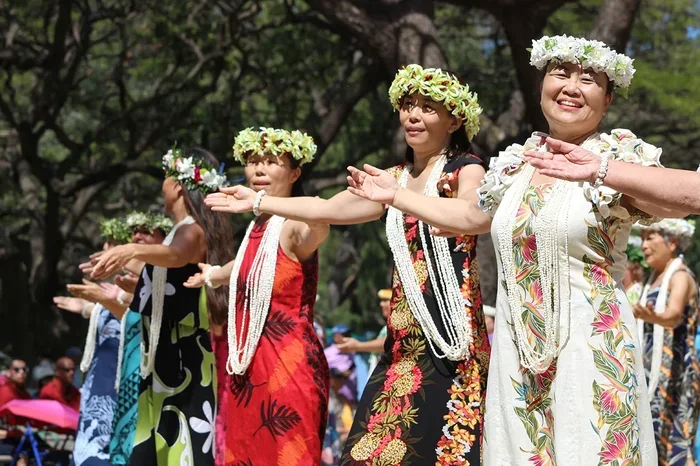

The aloha meaning goes far deeper than a simple hello or goodbye. It is a Hawaiian word that carries love, compassion, and respect at its core. Understanding the aloha meaning helps you connect with Hawaiian culture and bring more kindness into your daily life. This guide breaks down every layer of this powerful word so you truly get it.
Aloha is one of those words that travels far beyond its origin. People around the world say it, wear it on shirts, and hear it in songs. But the aloha meaning runs much deeper than most realize. It is not just a word. It is a way of living that has shaped Hawaiian culture for centuries.
When you understand the true aloha meaning, you open a door to a richer, more connected way of being. This word carries love, respect, and compassion in every syllable. Whether you are planning a trip to Hawaii or simply want to live a kinder life, exploring the aloha spirit changes how you see the world.
In this guide, we break down everything about aloha meaning. You will learn where it came from, what it stands for, and how to use it in real life. No fluff, no filler. Just the heart of what makes this Hawaiian word so special.
Key Takeaways
- Aloha is more than a greeting: It represents love, kindness, and respect in Hawaiian culture.
- The word has deep roots: Aloha comes from ancient Hawaiian traditions and spiritual values.
- Six core values define aloha: Akahai, lokahi, oluolu, haahaa, ahonui, and aiakea shape the aloha spirit.
- Aloha is used in everyday life: From greetings to farewells, it reflects how Hawaiians treat each other.
- Common misconceptions exist: Many people reduce aloha to just a tourist souvenir or a shirt brand.
- You can practice aloha daily: Small acts of kindness and respect bring the aloha spirit into your life.
📑 Table of Contents
What Does Aloha Really Mean?
Most people know aloha as a greeting. You say it when you arrive, and you say it when you leave. But the aloha meaning stretches across so much more than that. At its core, aloha is a word that expresses deep love and affection. It also means respect, kindness, and compassion toward others.
In Hawaiian culture, aloha is not just spoken. It is lived. People who practice aloha treat every person they meet with dignity. They carry a sense of harmony in how they interact with the world. This is why the aloha spirit feels so warm and welcoming to visitors.
The Literal Translation
The word aloha comes from two Hawaiian roots. “Alo” means presence, front, or face. “Ha” means breath. Put them together, and aloha essentially means “the presence of breath.” This is a beautiful way to think about it. When you share aloha, you share a piece of your spirit with someone else. It is an exchange of life force and goodwill.
Think about that for a moment. Every time you say aloha, you are offering a bit of yourself. You are saying, “I see you. I respect you. I share this moment with you.” That is a powerful thing wrapped in a simple word.
Aloha as a Greeting and Farewell
Yes, aloha works as both hello and goodbye. But even in these simple uses, the aloha meaning shines through. When you greet someone with aloha, you are not just acknowledging their presence. You are wishing them well. When you say aloha goodbye, you are sending them off with love and good wishes.
In Hawaii, people often pair aloha with a smile and eye contact. This adds weight to the word. It turns a simple exchange into a genuine connection. That is something you feel immediately when you visit the islands.
The Origins of Aloha in Hawaiian Culture
The aloha meaning has deep roots in ancient Hawaii. Long before it became a symbol for tourists and souvenir shops, aloha was a core value in native Hawaiian life. It shaped how families raised children, how communities worked together, and how people treated the land and sea.
Understanding the origins of aloha helps you appreciate why it carries so much weight. This is not a modern invention. It is a Hawaiian heritage passed down through generations.
Connection to Hawaiian Heritage
Hawaiian culture places a strong emphasis on family, community, and nature. Aloha ties all of these together. In ancient Hawaii, people believed that every person carried mana, or spiritual energy. When you greeted someone with aloha, you were acknowledging their mana and honoring the connection between you.
The concept of ohana, or family, also ties closely to aloha. In Hawaiian thinking, family extends beyond blood relatives. Your community, your neighbors, and even strangers are part of your extended ohana. Aloha is the glue that holds this wider family together.
Aloha in Traditional Stories and Chants
Ancient Hawaiian chants and stories often reference aloha. Elders used these oral traditions to teach younger generations about the aloha spirit. Through stories, children learned that kindness, patience, and love were not just nice ideas. They were essential values for a good life.
These traditions kept the true aloha meaning alive for centuries. Even today, Hawaiian elders and cultural practitioners work hard to preserve and share these teachings. They want the world to understand that aloha is not just a pretty word. It is a way of living with purpose.
The Six Values of Aloha
Here is where the aloha meaning really comes alive. In Hawaiian tradition, aloha is built on six core values. Each one adds depth and meaning to the word. Together, they form a complete philosophy for living well.
Akahai — Kindness
The first value is akahai, which means kindness. This is about expressing love through gentle actions. When you practice akahai, you choose to be soft-hearted and generous. You do not need grand gestures. A kind word or a helping hand carries the aloha spirit just as powerfully.
Lokahi — Unity
Lokahi means unity or harmony. It is about working together and finding common ground. In Hawaiian culture, people value the group as much as the individual. When you bring lokahi into your life, you focus on what connects you with others instead of what divides you. This value is at the heart of the aloha meaning.
Oluolu — Agreeableness
Oluolu means being pleasant and agreeable. It does not mean being a pushover. It means choosing to approach life with a positive attitude. People who practice oluolu make those around them feel comfortable and valued. This is a key part of Hawaiian hospitality that visitors often notice right away.
Haahaa — Humility
Haahaa represents humility. It is about recognizing that you are not better than anyone else. In a world that often celebrates pride and ego, haahaa is a refreshing reminder to stay grounded. When you carry haahaa, you treat everyone as equals. This is a beautiful expression of the aloha meaning.
Ahonui — Patience
Ahonui means patience and perseverance. Life in Hawaii has always required a steady, calm approach. The land, the ocean, and the seasons all demand respect and waiting. Ahonui teaches you to trust the process and not rush through life. This value adds a layer of calm strength to the aloha spirit.
Aiakea — Endurance
The sixth value is aiakea, which stands for endurance. Life brings challenges, and aiakea reminds you to keep going. It is about staying strong without losing your compassion or kindness. When you combine aiakea with the other five values, you build a resilient and loving way of life.
Quick Tips for Remembering the Six Values
- Akahai: Lead with kindness in every interaction.
- Lokahi: Seek unity and common ground with others.
- Oluolu: Choose agreeableness and a positive outlook.
- Haahaa: Practice humility and treat others as equals.
- Ahonui: Be patient and trust the process.
- Aiakea: Stay strong and endure challenges with grace.
How Aloha Is Used in Daily Life
The aloha meaning is not just theoretical. It shows up in real, everyday ways in Hawaii. From the moment you step off the plane, you feel it. People greet you with warmth. Locals hold doors open and offer genuine smiles. This is aloha in action.
Aloha in Conversations
In Hawaii, conversations often start and end with aloha. But people also use it throughout the day. A shop owner might say aloha as you walk in. A neighbor might say it when you pass on the street. It is a constant reminder of connection and goodwill.
The aloha meaning in conversation goes beyond the words. It is about the energy behind them. When a Hawaiian person says aloha, they mean it. They are truly wishing you well. That authenticity is something you feel immediately.
Aloha in Relationships and Family
Ohana and aloha go hand in hand. In Hawaiian families, love and respect form the foundation of every relationship. Parents teach children to speak aloha from a young age. It becomes as natural as breathing.
Friends and community members also share aloha freely. There is a strong sense of looking out for one another. This is the aloha spirit in its purest form. It is not about perfection. It is about showing up for each other with love and respect.
Aloha and the Land
One aspect of the aloha meaning that often gets overlooked is the connection to the land. Hawaiians have a deep relationship with their natural environment. The concept of aloha aina means love of the land. It reflects the belief that people and nature are connected and must care for each other.
When you practice aloha toward the earth, you treat nature with respect. You do not take more than you need. You give back to the land that sustains you. This is a powerful extension of the aloha meaning that applies to everyone, not just those in Hawaii.
Common Mistakes People Make About Aloha
The popularity of aloha has led to some misunderstandings. Many people reduce the aloha meaning to something shallow or commercial. Let us clear up a few common mistakes.
Mistake 1: Thinking Aloha Is Just a Greeting
While aloha does work as a greeting, that is only a small part of its cultural significance. Treating it as just a hello or goodbye strips away its depth. The aloha meaning encompasses love, respect, kindness, and much more. It deserves to be understood fully.
Mistake 2: Treating Aloha as a Brand
You see aloha on shirts, mugs, and keychains. The aloha shirt is a fun fashion staple, and there is nothing wrong with that. But when aloha becomes just a marketing tool, the real meaning gets lost. The aloha spirit is not a product. It is a way of life rooted in Hawaiian values.
Mistake 3: Believing Only Hawaiians Can Practice Aloha
Some people think the aloha meaning only applies to those of Hawaiian descent. This is not true. Anyone can practice aloha. You do not need to be from Hawaii or have Hawaiian ancestry. The aloha spirit belongs to everyone who wants to live with more love, kindness, and respect.
Mistake 4: Using Aloha Without Understanding It
Saying aloha without knowing what it means is like saying “I love you” without feeling it. The words carry weight because of what stands behind them. If you want to use aloha authentically, take the time to understand its roots and values. That is where the true aloha meaning lives.
How to Live the Aloha Spirit Every Day
The good news is that you do not need to live in Hawaii to practice aloha. The aloha meaning is universal. It applies to anyone who wants to bring more love and kindness into their life. Here are practical ways to make aloha part of your daily routine.
Start with Kindness
Begin each day by choosing to be kind. Hold the door for someone. Give a genuine compliment. Listen fully when someone speaks. These small acts carry the aloha spirit into your everyday life. Kindness is the foundation of aloha.
Practice Patience
Life gets hectic. Traffic is slow. Lines are long. Instead of getting frustrated, try practicing ahonui, or patience. Take a deep breath. Remember that everyone is dealing with their own struggles. This is the aloha meaning in action — choosing compassion over irritation.
Show Respect to Everyone
Treat every person you meet with respect, regardless of who they are or where they come from. This is haahaa, or humility, in practice. When you respect others, you honor the aloha spirit. You also create a more positive environment for everyone around you.
Connect with Nature
Remember aloha aina — love of the land. Spend time outdoors. Take care of the environment around you. Pick up litter. Plant something. Show gratitude for the natural world. This connection to nature is a powerful way to honor the full aloha meaning.
Build Community
Lokahi is about unity. Get involved in your community. Support local businesses. Check on your neighbors. When you build connections with others, you strengthen the aloha spirit wherever you are. Community is at the heart of aloha.
Key Takeaways for Living Aloha
- Practice kindness in small, everyday moments.
- Be patient with yourself and others.
- Show respect to everyone you meet.
- Care for the land and natural world around you.
- Build community through connection and unity.
Why the Aloha Meaning Matters Beyond Hawaii
The aloha meaning has a message that resonates far beyond the Hawaiian islands. In a world that can feel divided and fast-paced, aloha offers a simpler, kinder path. It reminds us to slow down, treat each other with respect, and live with intention.
People everywhere are drawn to the aloha spirit because it speaks to something universal. We all want to feel loved and respected. We all want to live in harmony with others. The aloha meaning gives us a framework for doing just that.
When you embrace the aloha meaning, you carry a piece of Hawaiian culture with you. You become part of a tradition that values love, kindness, and connection. That is a gift worth sharing with the world.
Expert Insights on Aloha
Cultural practitioners in Hawaii often share that the aloha meaning is something you feel in your heart, not just something you say. Hawaiian elder Kupuna Keahi Kahu explains that aloha is about making choices that benefit the whole community. It is about seeing yourself in others and treating them as you would want to be treated. This wisdom has been passed down for generations and remains as relevant today as ever.
Another cultural teacher, Kumu Hula Ka’imi Sinagua, emphasizes that the aloha spirit is not something you put on for show. It is a genuine internal shift. When you truly understand the aloha meaning, it changes how you walk through the world. You become more present, more compassionate, and more connected to the people around you.
Conclusion
The aloha meaning is one of the most beautiful concepts in any language. It is not just a Hawaiian word or a tourist greeting. It is a philosophy of love, respect, kindness, and connection that has guided Hawaiian culture for centuries. The six core values — kindness, unity, agreeableness, humility, patience, and endurance — give the aloha meaning real depth and power.
When you understand what aloha truly means, you carry it with you wherever you go. You greet people with warmth. You treat strangers with respect. You care for the land and your community. You slow down and practice patience. These are all expressions of the aloha spirit in action.
The world needs more aloha. It needs more kindness, more unity, and more genuine connection. By embracing the aloha meaning in your own life, you become part of something bigger than yourself. You join a tradition of love and respect that stretches across oceans and generations. So the next time you say aloha, remember what it truly means. Let it come from your heart. And let it change the way you move through the world.
Frequently Asked Questions
What is the literal translation of aloha?
The aloha meaning comes from two Hawaiian roots. “Alo” means presence or face, and “ha” means breath. Together, aloha translates to “the presence of breath.” This reflects the idea that when you share aloha, you share a piece of your spirit with someone else.
Can anyone use the word aloha?
Yes, absolutely. The aloha meaning is universal and open to everyone. You do not need to be Hawaiian or have any specific background to practice aloha. Anyone who wants to live with more love, kindness, and respect can embrace the aloha spirit in their daily life.
What does aloha mean in Hawaiian culture?
In Hawaiian culture, aloha represents love, respect, compassion, and kindness. It is a core value that shapes how people interact with each other and with the natural world. The aloha meaning goes far beyond a simple greeting. It is a way of life rooted in deep spiritual and cultural traditions.
Is aloha just a greeting?
While aloha is commonly used as a greeting and farewell, that is only a small part of its meaning. The true aloha meaning encompasses a whole philosophy of living. It includes six core values: kindness, unity, agreeableness, humility, patience, and endurance. Using it only as a greeting misses the richness of what aloha really represents.
How can I practice the aloha spirit?
You can practice the aloha spirit by being kind to others, showing patience, and treating people with respect. Connect with nature, build community, and choose agreeableness in difficult moments. Small daily acts of love and compassion bring the aloha meaning into your life. It is about making intentional choices to live with more heart.
What is aloha aina?
Aloha aina means love of the land. It is an extension of the aloha meaning that connects people to the natural world. In Hawaiian culture, caring for the land is seen as caring for family and community. Practicing aloha aina means treating the environment with respect, gratitude, and a commitment to sustainability.



