
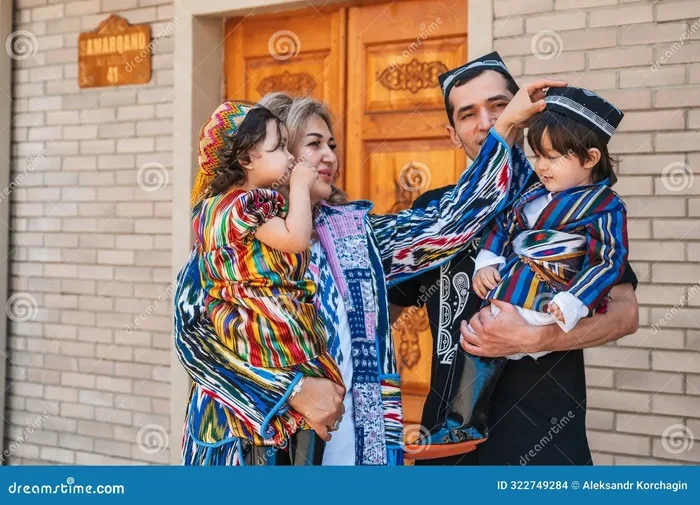

Learning how to say hello in Uzbek is your first step toward connecting with over 35 million speakers worldwide. This guide covers the most common Uzbek greetings, from the formal Assalomu alaykum to casual everyday phrases. You will also discover cultural tips and pronunciation guides that help you sound natural and respectful.
Have you ever found yourself in a new place and wanted to greet someone properly but did not know where to start? That feeling is completely normal, especially when you are learning a language as rich and beautiful as Uzbek. The way you say hello opens doors. It shows respect. It builds trust. And when you learn how to say hello in Uzbek, you are doing more than just exchanging words. You are stepping into a culture that values warmth, politeness, and genuine connection.
This guide will walk you through everything you need to know about Uzbek greetings. Whether you are planning a trip to Uzbekistan, connecting with Uzbek-speaking friends, or simply curious about Central Asian languages, you are in the right place. We will cover the most common phrases, break down pronunciation, and share cultural tips that make a real difference.
Key Takeaways
- Assalomu alaykum is the standard formal greeting in Uzbek and should be your go-to phrase.
- Uzbek greetings change based on formality, time of day, and the relationship between speakers.
- Pronouncing Uzbek words correctly matters more than you might think, and a few tips make a big difference.
- Learning greetings in situ helps you understand the cultural weight behind each phrase.
- Uzbek culture values respect, and using the right greeting shows you care about local customs.
- Common mistakes include using informal greetings in formal settings and mispronouncing key sounds.
- Practice with real-life examples and audio resources to build confidence fast.
📑 Table of Contents
Why Learning Uzbek Greetings Matters
Greetings are never just greetings. They are the first impression you make. In Uzbek culture, how you greet someone tells a lot about your respect for that person and their background. When you take the time to learn the right phrases, people notice. They appreciate the effort. And that appreciation can turn a simple conversation into a meaningful connection.
Uzbekistan sits at the crossroads of Central Asia. Its language carries influences from Turkic, Persian, and Russian traditions. This makes Uzbek language learning a fascinating journey. The greetings alone tell a story of history, hospitality, and community. When you understand the in situ meaning behind these phrases, you see how deeply they are woven into daily life.
The Role of Greetings in Uzbek Society
In Uzbekistan, greeting someone properly is a sign of good manners. People often shake hands when they meet. Close friends and family may embrace. The greeting you choose depends on several factors. These include the time of day, the setting, and how well you know the person. Using the wrong greeting can feel awkward. But using the right one makes you stand out as someone who cares.
Learning greetings in situ means understanding them in their natural cultural setting. You cannot just memorize words. You need to feel when and why each phrase is used. This is what makes Uzbek greetings so interesting and worth learning.
The Most Common Way to Say Hello in Uzbek
If you learn only one Uzbek greeting, let it be this: Assalomu alaykum. This is the most widely used formal greeting in the Uzbek language. It is spoken across Uzbekistan and by Uzbek communities around the world. The phrase comes from Arabic and translates to “Peace be upon you.” The traditional response is Va alaykum assalom, which means “And upon you be peace.”
Here is how it works in everyday situations:
- Meeting someone for the first time at a business event.
- Greeting an elder or someone you respect.
- Starting a conversation in a formal or semi-formal setting.
- Entering a shop, office, or home where you are a guest.
Assalomu alaykum works in almost any situation where you want to be polite and respectful. It is the safest and most universally accepted way to greet someone in Uzbek. Even if you are not in Uzbekistan, using this phrase with Uzbek speakers will always be appreciated.
Pronouncing Assalomu Alaykum Correctly
Pronunciation matters. Uzbek has some sounds that do not exist in English. Here is a simple breakdown:
- Assalomu — ah-sah-LOH-moo. The stress falls on the third syllable.
- Alaykum — ah-LAY-koom. Again, stress on the second syllable.
Try saying it slowly at first. Then speed up as you get comfortable. The key is to keep the vowels clear and the sounds smooth. Do not rush. Uzbek speakers will appreciate your effort, even if your pronunciation is not perfect at first.
Formal vs Informal Uzbek Greetings
Just like in English, Uzbek has different levels of formality. Knowing when to use each one is essential. Using a casual greeting in a formal setting can feel disrespectful. And using a formal greeting with a close friend can feel stiff. Let us explore both sides.
Formal Greetings
Formal greetings are for people you do not know well, elders, and professional settings. The main ones include:
- Assalomu alaykum — The standard formal greeting.
- Xayr — A polite greeting that can mean “hello” or “goodbye” depending on context.
- Salom — A shorter, slightly less formal version of Assalomu alaykum, but still respectful.
When you use these greetings, maintain eye contact and offer a gentle handshake. These small gestures show that you understand Uzbek social etiquette.
Informal Greetings
Informal greetings are for friends, peers, and casual settings. The most common ones include:
- Salom — This works as both formal and informal, but among friends, it feels relaxed and natural.
- Salomalaykum — A casual variation that some younger Uzbek speakers use.
- Yaxshi ekanmisiz? — This means “How are you?” and is commonly used among acquaintances.
When you are with friends, you can drop some of the formality. The tone becomes lighter. Smiles come more easily. This is where Uzbek conversational phrases really come alive.
Time-Based Greetings in Uzbek
Uzbek greetings also change with the time of day. Just as English speakers say “good morning” or “good evening,” Uzbek speakers use specific phrases for different times. Learning these shows that you are paying attention to detail.
| Time of Day | Uzbek Phrase | Translation |
|---|---|---|
| Morning | Tongalay! | Good morning! |
| Afternoon | Kunalay! | Good afternoon! |
| Evening | Kechalay! | Good evening! |
| Night | Tunalay! | Good night! |
These phrases are warm and friendly. They work well in both formal and informal settings. Using them shows that you are making an effort to speak Uzbek naturally, in situ and in context.
Quick Tip for Time-Based Greetings
The suffix -lay in these greetings is a friendly marker. It softens the phrase and makes it feel warm. You can use these greetings with anyone, from a shopkeeper to a new acquaintance. They are safe, pleasant, and widely understood.
Pronunciation Tips for Uzbek Hellos
Uzbek uses the Latin alphabet, which is good news for English speakers. However, some sounds might feel unfamiliar at first. Here are a few tips to help you pronounce Uzbek greetings correctly.
Vowel Sounds in Uzbek
Uzbek vowels are clean and consistent. Unlike English, where vowels can change shape depending on the word, Uzbek vowels stay the same. Here are the key vowel sounds you need to know:
- A — pronounced like the “a” in “father.”
- O — pronounced like the “o” in “more.”
- U — pronounced like the “oo” in “food.”
- E — pronounced like the “e” in “bed.”
When you practice Uzbek pronunciation, focus on keeping your vowels steady. Do not let them drift into English vowel sounds. This small change makes a big difference in how natural you sound.
Common Pronunciation Challenges
Some sounds in Uzbek do not exist in English. The most common challenges include:
- The g sound in Uzbek is always hard, like in “go,” never soft like in “gentle.”
- The sh sound in Uzbek is sharper than in English. Think of it as a quick, crisp “sh.”
- The letter o is often rounded more than in English. Purse your lips slightly when you say it.
These tips will help you sound more natural when you greet people in Uzbek. Practice slowly at first. Then build up speed as your confidence grows.
Common Mistakes to Avoid When Greeting in Uzbek
Every language learner makes mistakes. That is completely fine. But some mistakes are easy to avoid if you know what they are. Here are the most common ones people make when learning how to say hello in Uzbek.
Using Informal Greetings in Formal Settings
This is the number one mistake. Using a casual greeting like “Salom” with an elder or in a professional meeting can feel too relaxed. Always default to Assalomu alaykum when you are unsure. You can always switch to a more casual greeting once you sense the other person is comfortable.
Skipping the Response
In Uzbek culture, greetings are a two-way exchange. When someone says Assalomu alaykum, you should respond with Va alaykum assalom. Skipping the response can feel rude, even if you did not mean it that way. Always acknowledge the greeting you receive.
Mispronouncing Key Sounds
As mentioned earlier, some Uzbek sounds are different from English. Mispronouncing “Assalomu alaykum” as “Ah-sah-loo-moo Ah-lay-kum” (with the stress in the wrong place) can change how the phrase sounds. Take your time. Listen to native speakers. Repeat after them. Practice makes progress.
Overlooking Non-Verbal Cues
Greeting someone in Uzbek is not just about words. It is also about body language. A warm smile, steady eye contact, and a respectful nod all add meaning to your greeting. These non-verbal cues show that you are present and engaged. They are just as important as the words you say.
How to Practice Uzbek Greetings in Real Life
Knowing the phrases is one thing. Using them confidently is another. Here are some practical ways to practice Uzbek greetings and build your skills.
Listen and Repeat
Find audio clips of native Uzbek speakers greeting each other. YouTube and language learning apps are great resources. Listen carefully. Then repeat what you hear. Pay attention to rhythm, tone, and speed. This simple exercise works wonders for your pronunciation.
Practice with a Language Partner
If you can find a Uzbek-speaking friend or language exchange partner, practice with them. Greet them in Uzbek. Ask them to correct you. Real conversations are the fastest way to improve. Even a five-minute exchange every day can boost your confidence significantly.
Use Greetings in Context
Do not just memorize phrases in isolation. Practice them in context. Imagine you are walking into a shop in Tashkent. Say Assalomu alaykum to the shopkeeper. Picture the scene. Feel the interaction. This kind of mental practice helps you remember phrases longer and use them more naturally.
Watch Uzbek Media
Uzbek TV shows, movies, and YouTube channels are excellent resources. Watch how characters greet each other in different situations. Notice the tone, the body language, and the flow of conversation. This will give you a feel for how greetings work in situ in everyday Uzbek life.
Key Takeaways
- Assalomu alaykum is the most important and widely used formal greeting in Uzbek. Memorize it first.
- Uzbek greetings shift based on formality, time of day, and your relationship with the speaker.
- Pronunciation matters. Focus on clear vowels and steady consonant sounds to sound more natural.
- Always respond to a greeting. In Uzbek culture, the exchange is a two-way process that shows respect.
- Non-verbal cues like smiling, eye contact, and a gentle handshake complete your greeting.
- Practice with real-life scenarios, audio resources, and language partners to build confidence over time.
- Understanding the cultural context of greetings helps you connect more deeply with Uzbek speakers.
Conclusion
Learning how to say hello in Uzbek is more than just memorizing phrases. It is about stepping into a culture with curiosity and respect. Every greeting you learn brings you closer to the people, the traditions, and the beauty of the Uzbek language. Start with Assalomu alaykum. Add time-based greetings as you grow. Practice your pronunciation. Avoid common mistakes. And most importantly, enjoy the process.
The world of Uzbek language learning is wide and rewarding. Each greeting you master is a small victory. And those small victories add up fast. Before you know it, you will be greeting Uzbek speakers with confidence and warmth. So go ahead. Try out your new phrases. Make mistakes. Laugh about them. And keep going. The best way to learn is to practice, one hello at a time.
Frequently Asked Questions
What is the easiest Uzbek greeting for beginners?
Assalomu alaykum is the easiest and most universally accepted Uzbek greeting. It works in almost any situation, from formal meetings to casual encounters. Even if you only learn one phrase, make it this one.
Is Uzbek hard to learn for English speakers?
Uzbek uses the Latin alphabet, which makes it more accessible than some other Central Asian languages. The grammar is logical, and the pronunciation is fairly straightforward. With consistent practice, English speakers can learn basic Uzbek greetings within a few days.
Can I use Russian greetings in Uzbekistan?
While Russian is widely spoken in Uzbekistan, using Uzbek greetings shows respect for the local culture. Most Uzbek speakers will appreciate your effort to greet them in their native language, even if your pronunciation is imperfect.
How do I respond when someone says Assalomu alaykum to me?
The standard response is Va alaykum assalom, which means “And upon you be peace.” You can also add Hurmat (respect) or Xush kelibsiz (welcome) for extra warmth.
Are there different greetings for different times of the day in Uzbek?
Yes. Uzbek has specific greetings for morning (Tongalay), afternoon (Kunalay), evening (Kechalay), and night (Tunalay). Using these time-based greetings shows that you understand and respect local customs.
What non-verbal cues should I use when greeting someone in Uzbek?
A warm smile, gentle handshake, and steady eye contact are the most common non-verbal cues. With close friends and family, a hug is also appropriate. Always match your body language to the level of formality in the situation.



