
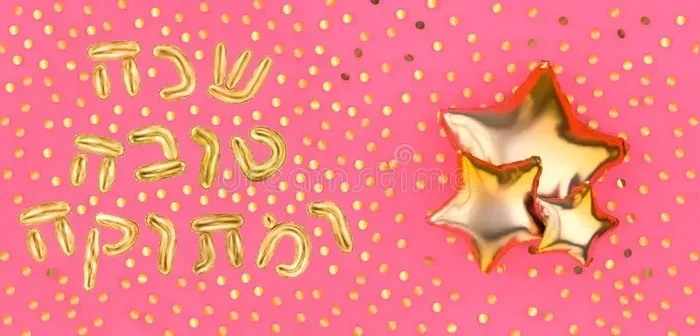

Learning how to say congratulations in Hebrew opens doors to deeper connections with Hebrew-speaking people and their rich culture. The most famous phrase, Mazel Tov, is just the tip of the iceberg. You will discover multiple ways to celebrate wins, from casual everyday congrats to formal blessings for special occasions. This guide gives you everything you need to sound natural, respectful, and genuinely thoughtful in any Hebrew-speaking setting.
Key Takeaways
- Mazel Tov is the go-to congratulations phrase in Hebrew and works for almost any occasion.
- Hebrew congratulations vary by context, from informal chats to formal religious blessings.
- Understanding the cultural roots helps you use these phrases with the right tone and timing.
- Pronunciation tips make a big difference in sounding natural and respectful.
- Multiple congratulatory Hebrew phrases exist beyond Mazel Tov for different situations.
- Using Hebrew congrats in real conversations builds stronger relationships with native speakers.
📑 Table of Contents
- How to Say Congratulations in Hebrew Like a Pro
- The Most Famous Hebrew Congratulations Phrase
- Other Ways to Say Congratulations in Hebrew
- The Cultural Meaning Behind Hebrew Congratulations
- Pronunciation Guide for Hebrew Congratulations
- Writing Hebrew Congratulations: Messages and Cards
- Common Mistakes to Avoid When Congratulating in Hebrew
- Expert Insights on Hebrew Congratulations
- Quick Tips to Impress with Hebrew Congratulations
- Conclusion
How to Say Congratulations in Hebrew Like a Pro
So you want to learn how to say congratulations in Hebrew. Maybe you have a Hebrew-speaking friend who just got engaged. Or perhaps you attended a Bar Mitzvah and want to sound like you belong there. Whatever the reason, this guide has you covered.
Hebrew is a beautiful and ancient language. It carries deep cultural weight, especially when it comes to celebrations. Saying congratulations in Hebrew is not just about translating words. It is about honoring traditions and showing respect for the people you are celebrating with.
The good news? You do not need to be fluent to make a great impression. A few key phrases, some cultural awareness, and the right pronunciation can go a long way. Let us dive in and explore the wonderful world of Hebrew congratulations.
The Most Famous Hebrew Congratulations Phrase
Mazel Tov: The Classic Go-To
If you know one Hebrew congratulations phrase, it should be Mazel Tov (pronounced mah-ZALE tov). This phrase literally translates to “good luck” or “good constellation.” But in practice, Israelis and Hebrew speakers use it the same way we say “congratulations” in English.
You say Mazel Tov for weddings, graduations, new jobs, and personal milestones. It is versatile, warm, and universally understood. When you say Mazel Tov, you are tapping into centuries of Jewish tradition and celebration.
Here is something interesting. The phrase has in situ cultural roots that go back thousands of years. Learning about these roots helps you appreciate why the phrase feels so powerful when spoken at the right moment. Understanding the in situ meaning of Hebrew expressions gives you a richer appreciation of the language.
How to Pronounce Mazel Tov Correctly
Pronunciation matters. Israelis will notice if you get it right, and they will appreciate the effort. Here is a simple breakdown:
- Mazel — sounds like “mah-ZAHL.” The “z” is soft, like the “s” in “measure.”
- Tov — sounds like “tove.” The “o” is a short, open sound, like the “o” in “hot.”
- Together: mah-ZAHL tove.
Do not stress the second syllable of “Mazel.” The emphasis belongs on the first syllable. Keep it smooth and natural. The more you practice, the easier it becomes.
Other Ways to Say Congratulations in Hebrew
Mazel Tov is not the only option. Hebrew offers a range of congratulatory phrases for different situations. Let us look at some of the best alternatives.
Shalom and Siman Tov
Siman Tov (pronounced see-MAN tov) means “a good sign.” People often pair it with Mazel Tov, saying “Mazel Tov ve-Siman Tov.” This double phrase is common at weddings and happy events. It wishes both good luck and good fortune.
Shalom means “peace,” and while it is not a congratulations phrase per se, it sets a warm, positive tone. You can use it to open a congratulatory message in Hebrew.
Congratulations for Specific Occasions
Different moments call for different words. Here are some situation-specific congratulations in Hebrew:
- For a wedding: Mazel Tov, or “Mazel Tov u-Siman Tov” for extra warmth.
- For a birth: “Mazal Tov” is also used, and you might hear “Baruch HaBa” (welcome the blessed one).
- For a graduation: Mazel Tov works perfectly, and adding “al hasmicha” (on the graduation) adds specificity.
- For a new job: Simple “Mazel Tov” or “Yasher Koach” (may your strength be firm), which is more of a “well done.”
- For personal achievements: “Kol HaKavod” means “all the respect” and is a fantastic way to honor someone’s hard work.
Each of these phrases carries its own weight. Using the right one shows that you understand the occasion and the culture behind it. This is especially important when you want to congratulate someone in a way that feels genuine and thoughtful.
The Cultural Meaning Behind Hebrew Congratulations
Hebrew congratulations are not just words. They are expressions of community, faith, and shared joy. When you say Mazel Tov, you are participating in a tradition that connects millions of people across the world.
Jewish culture places a strong emphasis on community celebration. Individual achievements are seen as blessings for the whole group. This is why congratulations in Hebrew often carry a spiritual dimension. The blessings go beyond the person to include family, community, and even future generations.
When you use these phrases, you are showing that you respect and value this cultural framework. That alone makes your congratulations more meaningful. The in situ meaning of these phrases connects directly to the communal spirit of Hebrew-speaking communities.
Why Context Matters in Hebrew Congratulations
Using Hebrew congratulations out of context can feel awkward or even disrespectful. For example, saying Mazel Tov at a funeral would be completely inappropriate. Understanding when and how to use each phrase is just as important as knowing the phrases themselves.
Here are some quick cultural guidelines:
- Weddings and engagements: Mazel Tov is expected and always welcome.
- Bar or Bat Mitzvah: Mazel Tov and Siman Tov are standard.
- Graduations: Mazel Tov works well, and adding personal praise enhances the message.
- New babies: Mazal Tov is common, along with wishes for the baby’s health.
- Work achievements: Kol HaKavod and Yasher Koach feel more professional and appropriate.
The key is to match your phrase to the moment. When you do, your words will land with the right emotional weight. This is how you truly impress people when you congratulate them in Hebrew.
Pronunciation Guide for Hebrew Congratulations
Hebrew pronunciation can feel tricky at first. The language has sounds that do not exist in English. But with a little practice, you can sound quite natural.
Common Pronunciation Tips
- The guttural “ch” — Found in words like “Chag Sameach” (Happy Holiday). It is a throaty sound, like clearing your throat gently.
- The rolled “r” — Hebrew uses a soft, almost guttural “r.” Do not roll it like in Spanish.
- Silent or soft letters — Some Hebrew letters are barely pronounced. For example, the “t” at the end of “Mazel” is very soft.
- Vowel sounds — Hebrew vowels are shorter and crisper than English vowels. Keep them brief and clear.
Listening to native speakers is the best way to improve. You can find pronunciation guides online or ask a Hebrew-speaking friend to help you practice. The effort you put into pronunciation shows respect, and people will notice and appreciate it.
Writing Hebrew Congratulations: Messages and Cards
Sometimes you need to write your congratulations rather than say them. Hebrew congratulatory messages are common in cards, texts, and social media posts. Here are some templates you can use.
Short Hebrew Congratulations Messages
- Mazel Tov! — Simple, classic, and always appropriate.
- Mazal Tov u-Siman Tov! — A bit more elaborate and festive.
- Kol HaKavod! — Perfect for professional achievements and personal milestones.
- Yasher Koach! — Great for work-related congratulations or acts of kindness.
Longer Congratulatory Messages in Hebrew
If you want to write a more detailed message, try these templates:
- “Mazel Tov! May this new chapter bring you joy and success. We are so proud of you.”
- “Mazal Tov u-Siman Tov! Wishing you a lifetime of happiness and fulfillment.”
- “Kol HaKavod! Your hard work has paid off, and we cannot wait to see what comes next.”
These messages work for texts, cards, and even social media posts. They are warm, sincere, and show that you put thought into your words. When you write congratulations in Hebrew, you are bridging cultures and building deeper connections.
Common Mistakes to Avoid When Congratulating in Hebrew
Even with the best intentions, mistakes can happen. Here are some common pitfalls to watch out for.
- Using the wrong phrase for the occasion. Yasher Koach is not appropriate for a wedding. Mazel Tov might feel too casual for a formal corporate achievement.
- Mispronouncing key words. Getting “Mazel” wrong can change the meaning entirely. Practice before you speak.
- Ignoring cultural context. Some Hebrew congratulations carry religious significance. Be mindful of this, especially in formal or traditional settings.
- Overcomplicating things. You do not need a long speech. A simple, heartfelt “Mazel Tov” often means more than an elaborate message.
- Forgetting gender and grammatical agreement. Hebrew is a gendered language. The way you phrase a congratulatory message might change depending on whether you are speaking to a man or a woman.
Avoiding these mistakes will help you come across as thoughtful and culturally aware. It shows that you are not just translating words. You are truly engaging with the language and its people.
Expert Insights on Hebrew Congratulations
Language experts often emphasize that congratulatory phrases are more than just translations. They carry emotional and cultural resonance. When you learn how to say congratulations in Hebrew, you are also learning about the values of the people who speak the language.
Hebrew-speaking communities place a high value on togetherness and shared joy. Your congratulations are not just for the individual. They celebrate the community around that person. This communal spirit is at the heart of every Hebrew congratulatory phrase.
Understanding these nuances makes your congratulations feel authentic. It transforms a simple phrase into a meaningful gesture. When you see these expressions in situ within real Hebrew celebrations, the cultural depth becomes even more apparent.
Quick Tips to Impress with Hebrew Congratulations
Want to make a lasting impression? Follow these quick tips:
- Practice pronunciation out loud. Say “Mazel Tov” five times a day until it feels natural.
- Match the phrase to the occasion. Use Mazel Tov for weddings and Kol HaKavod for achievements.
- Add a personal touch. Follow up your Hebrew phrase with a personal compliment or wish in English.
- Watch Hebrew celebrations online. Seeing how native speakers use these phrases in real time helps you understand the right tone and timing.
- Be confident. Even if your pronunciation is not perfect, the effort itself is impressive and appreciated.
These small steps make a big difference. They show that you care enough to learn and that you respect the culture enough to get it right.
Conclusion
Learning how to say congratulations in Hebrew is a rewarding journey. From the classic Mazel Tov to more specific phrases like Kol HaKavod and Yasher Koach, you now have a solid toolkit. Each phrase carries its own weight and works best in its own context.
The key is to practice, stay mindful of cultural context, and always speak from the heart. When you congratulate someone in Hebrew, you are doing more than just saying words. You are connecting with a rich tradition of celebration, community, and shared joy.
So go ahead. Use these phrases in your next conversation. Impress your Hebrew-speaking friends, colleagues, and loved ones. Your effort will not go unnoticed, and it will open doors to deeper, more meaningful relationships.
Remember, the best congratulations are the ones that feel genuine. Now you have the tools to make every “Mazel Tov” count.
Frequently Asked Questions
What is the most common way to say congratulations in Hebrew?
The most common way is “Mazel Tov.” It is used for weddings, graduations, new jobs, and personal achievements. Israelis of all ages and backgrounds understand and use this phrase daily. It is the universal Hebrew congratulations expression.
Is there a difference between Mazel Tov and Siman Tov?
Yes, there is a subtle difference. Mazel Tov means “good luck” or “good fortune,” while Siman Tov means “a good sign.” People often combine them as “Mazel Tov ve-Siman Tov” for weddings and major celebrations. Both phrases carry warm, positive energy.
Can I use Hebrew congratulations phrases in formal settings?
Absolutely. Phrases like Kol HaKavod and Yasher Koach work well in formal and professional settings. For religious or traditional events, Mazel Tov and Siman Tov are the most appropriate choices. Always consider the setting and the audience when choosing your phrase.
How do I pronounce Hebrew congratulations phrases correctly?
Focus on short, crisp vowel sounds and soft consonants. “Mazel” rhymes with “dazzle,” and “Tov” sounds like “tove” with a short “o.” Listening to native speakers and practicing regularly will help you nail the pronunciation quickly and confidently.
Are there Hebrew congratulations phrases for babies and newborns?
Yes. Mazal Tov is commonly used for births. You may also hear “Baruch HaBa,” which means “welcome the blessed one.” These phrases carry special warmth when congratulating new parents or celebrating the arrival of a baby.
Do Hebrew congratulations phrases have religious significance?
Some phrases, like Mazel Tov, have roots in Jewish tradition and spirituality. They are widely used in both religious and secular contexts. Understanding this background helps you use the phrases with the right respect and appreciation for their cultural depth.



