
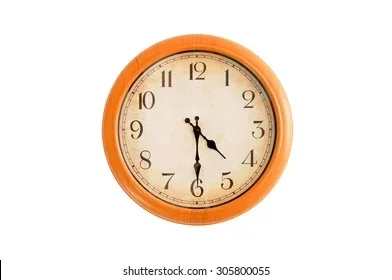

Learning how to say 4:30 in Spanish is easier than you think. In Spanish, 4:30 is “las cuatro y media” or “las cuatro treinta.” This guide walks you through the simple steps, common phrases, and cultural tips you need to tell time in Spanish like a pro.
Key Takeaways
- Two Ways to Say It: You can say “las cuatro y media” or “las cuatro treinta” for 4:30 in Spanish.
- Spanish Numbers Are Key: Knowing numbers 1 through 30 makes telling time much easier.
- “Y Media” Means “And a Half”: This is the most common way to express half past the hour in Spanish.
- 24-Hour Clock Exists: In formal settings, Spaniards use the 24-hour format, so 4:30 PM becomes 16:30.
- Practice Makes Perfect: Use real-life examples and daily routines to build your Spanish time-telling skills.
- Common Mistakes Happen: Avoid confusing “y media” with “y cuarto” and always match gender with “las” for hours.
- It Opens Doors: Telling time in Spanish helps you in travel, conversation, and daily life with Spanish speakers.
📑 Table of Contents
- How to Say 4:30 in Spanish: A Complete Beginner Guide
- The Two Ways to Say 4:30 in Spanish
- Understanding How Spanish Time Works
- Spanish Numbers You Need for Telling Time
- Quick Tips for Remembering How to Say 4:30 in Spanish
- Common Mistakes to Avoid When Telling Time in Spanish
- The 24-Hour Clock in Spanish
- How This Connects to Broader Spanish Learning
- Putting It All Together: Practice Scenarios
- Why Learning to Tell Time in Spanish Matters
- Final Thoughts
How to Say 4:30 in Spanish: A Complete Beginner Guide
So, you want to know how to say 4:30 in Spanish. Great! This is one of the first and most useful things you will learn in any new language. Whether you are planning a trip to Spain, chatting with a friend, or just building your Spanish vocabulary, knowing how to tell time matters.
The good news? It is really simple. In Spanish, 4:30 has two common ways of saying it. You will learn both, plus how the system works for every other time of day. By the end of this guide, you will feel confident reading clocks, scheduling plans, and chatting about your day in Spanish.
Let us dive right in. No confusing jargon. No long lectures. Just clear, friendly steps that anyone can follow.
The Two Ways to Say 4:30 in Spanish
When it comes to telling time in Spanish, there is more than one way to say the same thing. This might feel a little tricky at first, but trust me, it is easier than it looks.
Method 1: “Las Cuatro y Media”
This is the most common and natural way to say 4:30 in Spanish. It literally translates to “four and a half.” Here is how it breaks down:
- “Las cuatro” = Four o’clock
- “y” = and
- “media” = half
Put it together and you get “las cuatro y media”. This is what most native speakers say in everyday conversation. It is short, sweet, and easy to remember.
Method 2: “Las Cuatro Treinta”
The second way uses Spanish numbers directly. “Treinta” means thirty. So 4:30 becomes “las cuatro treinta”. This method is very straightforward, especially if you already know your Spanish numbers up to thirty.
Both methods are correct. You can use either one. In fact, many Spanish speakers switch between them depending on the situation. The first method feels more casual and natural, while the second feels a bit more precise.
Understanding How Spanish Time Works
To really master how to say 4:30 in Spanish, you need to understand the basic rules of Spanish time-telling. Once you get the pattern, you can tell any time of day.
Hours and Gender in Spanish
In Spanish, the word for hour is “hora.” But when you talk about specific times, you use the article “las” before the hour. This is because hours are always plural in Spanish when telling time (except for 1:00, which uses “la una”).
Here is a quick look at the pattern:
- 1:00 = la una
- 2:00 = las dos
- 3:00 = las tres
- 4:00 = las cuatro
- 5:00 = las cinco
See the pattern? After 1:00, you always use “las.” This is a key rule that beginners often forget.
Adding Minutes to the Hour
To add minutes, you use the word “y” which means “and.” Here are some examples:
- 4:15 = las cuatro y cuarto (literally, four and a quarter)
- 4:30 = las cuatro y media (four and a half)
- 4:45 = las cuatro y cuarenta y cinco (four and forty-five)
Notice how “y” connects the hour to the minutes. This small word is the glue that holds Spanish time expressions together.
Spanish Numbers You Need for Telling Time
If you want to get good at telling time in Spanish, you need to know your numbers. Here is a focused list of the most important ones for reading clocks in Spanish.
Numbers 1 to 15
- uno
- dos
- tres
- cuatro
- cinco
- seis
- siete
- ocho
- nueve
- diez
- once
- doce
- trece
- catorce
- quince
Numbers 16 to 30
- dieciséis
- diecisiete
- dieciocho
- diecinueve
- veinte
- veintiuno
- veintidós
- veintitrés
- veinticuatro
- veinticinco
- veintiséis
- veintisiete
- veintiocho
- veintinueve
- treinta
With these numbers in your pocket, you can say any time from 1:00 to 12:59. The number “treinta” (thirty) is especially important because it is the key to saying 4:30 and any half-hour mark.
Quick Tips for Remembering How to Say 4:30 in Spanish
Here are some practical tips that will help you lock in how to say 4:30 in Spanish and similar times.
Tip 1: Use the “Half Past” Shortcut
Think of “y media” as your shortcut for “half past.” Whenever you see :30 on a clock, just add “y media” after the hour. It works every time.
Tip 2: Practice with Daily Routines
Try telling time out loud using your daily schedule. For example:
- “Me despierto a las siete y media.” (I wake up at 7:30.)
- “Almuerzo a las doce y media.” (I eat lunch at 12:30.)
- “Salgo del trabajo a las cuatro y media.” (I leave work at 4:30.)
This kind of Spanish conversation practice makes the numbers stick in your memory.
Tip 3: Watch Spanish-Language Shows
One of the best ways to pick up natural time expressions is by watching shows or videos in Spanish. You will hear native speakers say times like “las cuatro y media” all the time. It is great Spanish language basics practice.
Tip 4: Set Your Phone Clock to Spanish
Change the language setting on your phone or watch to Spanish. Every time you glance at the time, you will see and read Spanish numbers. This simple trick builds Spanish vocabulary without any extra effort.
Common Mistakes to Avoid When Telling Time in Spanish
Even good learners make mistakes. Here are the most common errors people make when they try to say 4:30 and other times in Spanish.
Mistake 1: Using “Es” Instead of “Las”
Many beginners say “es las cuatro y media.” This is wrong. You should always say “las cuatro y media.” The word “es” is only used for 1:00 (“la una”). For every other hour, use “las.”
Mistake 2: Confusing “Media” with “Cuarto”
“Media” means half. “Cuarto” means quarter (fifteen minutes). So “las cuatro y media” is 4:30, but “las cuatro y cuarto” is 4:15. Do not mix them up!
Mistake 3: Forgetting the “y”
Some learners skip the “y” and say “las cuatro media.” Always include the “y” to connect the hour and the minutes properly.
Mistake 4: Using the Wrong Gender
Remember that “hora” is feminine in Spanish. This is why we say “las cuatro” and not “los cuatro.” Gender matters in Spanish, and it shows up in time-telling too.
By watching out for these mistakes, you will sound much more natural and confident when speaking Spanish.
The 24-Hour Clock in Spanish
In many Spanish-speaking countries, especially in Spain, people also use the 24-hour clock. This is important to know if you are traveling or reading schedules.
How the 24-Hour Clock Works
In the 24-hour format, 4:30 PM becomes 16:30. Here is how it works:
- 4:30 AM = 04:30
- 4:30 PM = 16:30
- 12:30 PM = 12:30
- 12:30 AM = 00:30
You do not need to add “y media” in the 24-hour format. You simply say the number. So 16:30 is read as “dieciséis treinta” in Spanish.
This format is very common in Spain, on train schedules, and in formal settings. If you learn it alongside the 12-hour format, you will be fully prepared for any situation.
How This Connects to Broader Spanish Learning
Telling time is just one piece of the puzzle. When you learn how to say 4:30 in Spanish, you are also building skills in Spanish numbers, grammar, and daily conversation. These skills connect to many other areas of the language.
For example, knowing Spanish numbers helps you with shopping, giving directions, and making plans. The structure of time expressions also teaches you how Spanish handles gender and plural forms, which are essential grammar concepts.
If you are having fun exploring the Spanish language, you might also enjoy learning about Spanish Teddy Bear Names for cute pet-inspired vocabulary. Or you could check out Spanish Cat Names if you love animals and want to expand your word list. These topics make language learning more playful and memorable.
Another interesting phrase you might come across is 10 4 Meaning, which shows how English expressions sometimes cross into Spanish-speaking contexts. It is a fun example of how languages influence each other.
Putting It All Together: Practice Scenarios
Let us look at some real-life situations where you might need to say 4:30 in Spanish.
Scenario 1: Making Plans with a Friend
“¿Quedamos a las cuatro y media?” means “Shall we meet at 4:30?” This is a natural, everyday phrase you can use right away.
Scenario 2: Talking About Your Work Schedule
“Termino de trabajar a las cuatro y media” means “I finish work at 4:30.” This is helpful for anyone discussing their daily routine.
Scenario 3: Watching a Movie or Show
“La película empieza a las cuatro treinta” means “The movie starts at 4:30.” This is the more precise, number-based way to say it.
Scenario 4: Reading a Train Schedule
If you see “Salida: 16:30,” you now know this means the departure is at 4:30 in the afternoon. You can say “la salida es a las dieciséis treinta.”
Practice these scenarios out loud. Say them to yourself, or better yet, say them to a friend who speaks Spanish. Repetition is one of the fastest ways to build fluency.
Why Learning to Tell Time in Spanish Matters
You might wonder why something as simple as telling time deserves so much attention. The truth is, time expressions come up constantly in daily life. Whether you are making plans, catching a bus, or joining a video call with someone in a Spanish-speaking country, you need to know the time.
Beyond the practical side, telling time also shows respect for the language and culture. When you make the effort to speak even basic phrases in Spanish, people notice. It opens doors to deeper conversations and stronger connections.
Plus, mastering time-telling gives you a confidence boost. It proves that you can handle real-world Spanish vocabulary and not just textbook phrases. Once you can say “las cuatro y media” without thinking, you know you are making real progress.
So keep practicing. Say it out loud. Write it down. Use it in real conversations. Every bit of practice brings you closer to fluency.
Final Thoughts
How to say 4:30 in Spanish is a small but powerful skill. You now know both ways to say it: “las cuatro y media” and “las cuatro treinta.” You understand the rules behind Spanish time-telling, you know the key numbers, and you are aware of common mistakes to avoid.
The 24-hour clock adds another layer of knowledge that will serve you well in formal and travel settings. And the practice scenarios give you real-world examples to try right away.
Remember, language learning is a journey. Every new phrase you learn builds on the last one. Telling time in Spanish is a milestone that leads to bigger and better things. So celebrate this win, keep going, and soon you will be telling time in Spanish without even trying.
Now go out there and put your new skills to use. Say “las cuatro y media” with confidence. You have earned it!
Frequently Asked Questions
What is the most common way to say 4:30 in Spanish?
The most common way is “las cuatro y media.” This phrase is used in everyday conversation by native speakers across all Spanish-speaking countries. It literally means “four and a half,” which is a natural way to express half past the hour.
Can I also say “las cuatro treinta” for 4:30?
Yes, absolutely. “Las cuatro treinta” is a perfectly correct alternative. It uses the number “treinta” (thirty) directly after the hour. Both forms are widely understood, though “y media” sounds more natural in casual conversation.
Do I say “la” or “las” when telling time in Spanish?
You use “las” for all hours except 1:00, which uses “la una.” Since 4:30 is not 1:00, you always say “las cuatro y media.” This is because Spanish treats hours as plural in time expressions.
How do I say 4:30 PM in Spanish using the 24-hour clock?
In the 24-hour format, 4:30 PM becomes 16:30. In Spanish, you would say “dieciséis treinta.” This format is especially common in Spain and on official schedules like train or bus timetables.
What other half-hour times should I learn in Spanish?
Here are the most useful half-hour times to practice:
- 1:30 = la una y media
- 2:30 = las dos y media
- 3:30 = las tres y media
- 5:30 = las cinco y media
- 6:30 = las seis y media
The pattern stays the same for all of them. Just add “y media” after the hour number.
Is telling time in Spanish hard for beginners?
Not at all! Telling time in Spanish follows a clear and predictable pattern. Once you know your numbers up to thirty and understand the “y media” and “y cuarto” shortcuts, you can tell any time of day. It is one of the easiest and most useful skills for beginners to master.
=== CONCLUSION ===
How to say 4:30 in Spanish is a foundational skill that every Spanish learner should have in their toolkit. You now know the two standard phrases, the rules behind them, and common pitfalls to avoid. Whether you use “las cuatro y media” or “las cuatro treinta,” you are well equipped to handle time-telling in any Spanish conversation.
Keep practicing these expressions daily. Mix them into your real-world routines. Soon, telling time in Spanish will feel as natural as telling time in English. You have got this!



