
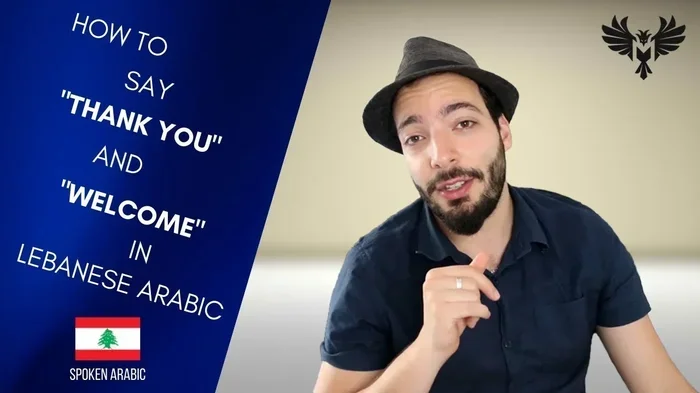

Learning how to say thank you in Lebanese is one of the fastest ways to connect with local culture. Whether you are visiting Lebanon, chatting with Lebanese friends, or just curious about the language, these simple phrases will help you show gratitude the right way. This guide covers everything from the basic Shukran to deeper, more heartfelt expressions of thanks in Lebanese dialect.
Learning how to say thank you in Lebanese opens doors to real conversations. When you use thank you in Lebanese Arabic, people notice. They feel respected. They smile more. And suddenly, you are not just a tourist or a stranger anymore. You are someone who cares.
The Lebanese dialect is warm, expressive, and full of heart. Saying thank you is never just a formality there. It is a small moment of connection. Whether you are bargaining at a souk, sharing a meal, or simply passing someone on the street, the right phrase makes all the difference. This guide will walk you through every way to express gratitude in Lebanese, from the basics to the beautifully poetic.
Key Takeaways
- Shukran is the most common and universal way to say thank you in Lebanese.
- There are multiple ways to thank someone depending on the situation and level of formality.
- Learning Lebanese gratitude phrases shows respect for the culture and builds stronger relationships.
- The Lebanese dialect has unique expressions that go beyond a simple thank you.
- Practicing these phrases with native speakers will improve your Arabic language skills fast.
- Understanding the cultural context behind gratitude in Lebanon makes your words more meaningful.
- These phrases work for both casual and formal settings.
📑 Table of Contents
- Why Saying Thank You in Lebanese Matters
- The Most Common Ways to Say Thank You in Lebanese
- Polite and Formal Ways to Give Thanks
- How to Respond When Someone Thanks You in Lebanese
- How Words Carry Meaning in Their Original Setting
- Quick Tips for Mastering Lebanese Thank You Phrases
- Lebanese Gratitude Expressions and Their English Equivalents
- How to Practice These Phrases Every Day
- Key Takeaways
- Conclusion
Why Saying Thank You in Lebanese Matters
Gratitude carries deep weight in Lebanese culture. People in Lebanon value kindness and hospitality deeply. When you thank someone in their own language, you are showing that you see them. You are honoring their traditions. Even a simple thank you phrase can spark a genuine conversation.
The Lebanese take pride in their dialect. It is different from Modern Standard Arabic and from other regional dialects. Using Lebanese expressions correctly shows effort and respect. Locals often appreciate it more than you might expect. It tells them you are paying attention. It tells them you want to be part of the moment, not just an observer.
Cultural Context of Gratitude in Lebanon
In Lebanon, saying thank you is tied to the idea of Lebanese hospitality. Hosts go out of their way to make guests feel welcome. Guests, in turn, are expected to show genuine appreciation. The way you thank someone can change the entire tone of a meeting. It can turn a polite exchange into a lasting friendship.
When you learn how to thank someone in Lebanese, you are also learning about the culture behind the words. Many expressions carry stories. They reflect values like generosity, family, and community. Understanding these meanings helps you use the phrases with the right feeling and timing.
The Most Common Ways to Say Thank You in Lebanese
Let us start with the essentials. These are the phrases you will hear and use every day. Each one has its own flavor and best use case.
Shukran — The Universal Thank You
Shukran (شكراً) is the go-to word for thank you in Lebanese. It works in almost every situation. You can say it to a shopkeeper, a taxi driver, a friend, or even someone you just met. It is short, easy to pronounce, and understood by everyone.
Here are some ways to use Shukran in real life:
- Shukran — simple thank you
- Shukran kteer — thank you very much
- Shukran 3aleik — thank you on you (a warm, personal thanks)
The beauty of Shukran is its simplicity. You do not need to overthink it. Just say it with a smile, and it lands. It is the first phrase every learner should master.
Yitkallim 3aleik — A Deeper Expression of Thanks
Yitkallim 3aleik (يتكلم عليك) is a more heartfelt way to express gratitude. It literally means “may God speak well of you.” This phrase carries real weight. You use it when someone has done something especially kind or generous.
This is the kind of phrase that makes people pause. It shows you are not just saying thank you out of habit. You mean it. It is perfect for moments when someone has gone above and beyond for you. Use it after a long conversation, a thoughtful gift, or an act of real kindness.
Many people learning Arabic thank you phrases find that Yitkallim 3aleik becomes their favorite. It feels personal. It feels sincere. And in Lebanese culture, sincerity matters a lot.
Teshtaghal — Thank You for Your Effort
Teshtaghal (تسهّغل) is used when you want to thank someone for their effort. It is a warm, informal way to say thank you in Lebanese. You might use it when a friend helps you move something, or when a coworker stays late to finish a task.
This phrase shows appreciation for the person’s time and energy. It is casual and friendly. It works best in everyday situations with people you know well.
Polite and Formal Ways to Give Thanks
Not all thank you moments are casual. Sometimes you need a more polished expression. Lebanese has options for formal and semi-formal settings too.
Shukran Jazeelan — Thank You Very Much
Shukran Jazeelan (شكراً جزيلاً) means thank you very much. It is a step up from the basic Shukran. Use it when you want to emphasize your gratitude. It works well in both formal and informal contexts.
Here are situations where Shukran Jazeelan fits perfectly:
- Someone gives you a meaningful gift
- A host goes out of their way to welcome you
- Someone helps you during a difficult moment
- You want to show extra appreciation at work
The key is tone. Say it warmly and with eye contact. In Lebanese culture, how you say something matters just as much as what you say.
Choukeran — A Modern and Casual Thanks
Choukeran (شوكران) is a newer, more casual way to say thank you in Lebanese. Younger generations use it often. It feels relaxed and friendly. You will hear it in casual conversations, text messages, and social media.
If you want to sound natural and up-to-date, Choukeran is a great choice. It is especially popular among Lebanese youth in Beirut and other cities.
How to Respond When Someone Thanks You in Lebanese
Gratitude in Lebanon is a two-way street. When someone thanks you, you need to respond properly. The response matters just as much as the original thank you.
3ala Jalek — The Standard Response
3ala Jalek (على جالك) is the most common response to thank you in Lebanese. It means “may God honor you.” It is warm, humble, and appropriate for almost any situation.
You can use 3ala Jalek when:
- A friend thanks you for a small favor
- A stranger thanks you for holding a door
- A coworker appreciates your help
3ala Rou7eik — A Softer, More Personal Response
3ala Rou7eik (على روحيك) means “may God bless your soul.” It is a deeper, more personal response. Use it with close friends, family, or when you want to show extra warmth.
This phrase carries genuine feeling. It tells the other person that their kindness touched you. It is one of those Lebanese expressions that people remember.
Tifakkar — You Are Welcome
Tifakkar (تفكّر) is a simple way to say you are welcome. It literally means “think of it” or “remember it.” It is casual and easy to use in everyday conversation.
How Words Carry Meaning in Their Original Setting
When you learn a new language, it helps to understand how words carry meaning in their original setting. The way a phrase sounds, the context it is used in, and the culture behind it all shape what it truly means. This idea is similar to the in situ meaning concept, where understanding something in its natural context gives it full depth.
The same applies to Lebanese thank you phrases. When you say Shukran while sitting with a family in Beirut, sharing tea and stories, the words carry a different weight than saying them alone in a textbook. The in situ experience of using these phrases in real Lebanese settings helps you understand and feel the true meaning behind them.
This is why practicing with native speakers is so valuable. It lets you experience the Lebanese dialect in its natural environment. You learn not just the words but the warmth, the rhythm, and the sincerity that make Lebanese gratitude expressions so special.
Quick Tips for Mastering Lebanese Thank You Phrases
Here are some practical tips to help you remember and use these phrases confidently:
- Start with Shukran. It is the easiest and most universal. Practice it until it feels natural.
- Listen to native speakers. Watch Lebanese TV shows, listen to Lebanese music, or follow Lebanese creators on social media. Pay attention to how they say thank you in different situations.
- Practice with a partner. Find a Lebanese friend or language exchange partner. Say thank you in real conversations. The more you use it, the more it sticks.
- Focus on tone and body language. In Lebanon, a warm smile and eye contact make any thank you phrase more powerful.
- Learn the responses too. Knowing how to reply when someone thanks you shows fluency and cultural awareness.
- Use the phrases daily. Even if you are not in Lebanon, practice saying thank you in Lebanese every day. Repetition builds confidence.
Common Mistakes to Avoid
Here are some pitfalls to watch out for when learning how to say thank you in Lebanese:
- Mixing up dialects. Lebanese Arabic is different from Egyptian, Syrian, or Gulf Arabic. Using the wrong dialect can confuse people or sound unnatural.
- Being too formal in casual settings. Using a stiff, overly formal phrase with a friend can feel awkward. Match your expression to the situation.
- Skipping the response. When someone thanks you, always respond. Ignoring a thank you is considered rude in Lebanese culture.
- Pronouncing words incorrectly. Some Arabic sounds do not exist in English. Take time to learn the proper pronunciation of each phrase.
- Forgetting the cultural context. These phrases carry meaning beyond their literal translation. Understanding that meaning helps you use them with the right emotion.
Lebanese Gratitude Expressions and Their English Equivalents
Here is a handy reference table for the key phrases covered in this guide:
| Lebanese Phrase | English Meaning | Best Used In |
|---|---|---|
| Shukran | Thank you | Everyday casual situations |
| Shukran kteer | Thank you very much | When you want to emphasize gratitude |
| Yitkallim 3aleik | May God speak well of you | Deep, heartfelt thanks |
| Teshtaghal | Thank you for your effort | Casual, informal settings |
| Shukran Jazeelan | Thank you very much | Formal and semi-formal contexts |
| Choukeran | Thanks | Modern, casual use |
| 3ala Jalek | May God honor you | Response to thank you |
| 3ala Rou7eik | May God bless your soul | Personal, warm response |
| Tifakkar | You are welcome | Casual response |
Keep this table handy. Print it out or save it on your phone. Review it often. The more you see these Arabic thank you phrases, the more natural they will become.
How to Practice These Phrases Every Day
Consistency is the secret to learning any language. You do not need hours of study. Just a few minutes of practice each day can make a huge difference.
Try these simple exercises to build your Lebanese expressions muscle:
- Say Shukran out loud every morning.
- Practice responding to thank you with 3ala Jalek.
- Write down one new phrase each day and use it in a real conversation.
- Record yourself saying the phrases and listen back.
- Watch Lebanese videos and repeat the thank you phrases you hear.
The goal is not perfection. The goal is progress. Every time you say thank you in Lebanese, you are building a bridge to the culture and the people. That bridge matters.
Key Takeaways
- Shukran is the foundation of expressing gratitude in Lebanese. Master it first.
- Yitkallim 3aleik and 3ala Jalek add depth and sincerity to your thank you interactions.
- Knowing how to respond to thanks is just as important as knowing how to give thanks.
- The Lebanese dialect is rich with expressions that go far beyond a simple thank you.
- Practice in real-life or simulated settings to build confidence and natural fluency.
- Understanding the cultural meaning behind each phrase makes your gratitude feel genuine and lasting.
Conclusion
Learning how to say thank you in Lebanese is more than just memorizing words. It is about connecting with people. It is about showing respect. It is about entering a culture with an open heart and a willingness to learn.
From the simple Shukran to the poetic Yitkallim 3aleik, each phrase carries its own warmth. Each one tells the other person that you see them, you value them, and you are grateful for them. That is a powerful thing.
Start with Shukran. Add a few more phrases each week. Practice with real people whenever you can. Over time, these thank you in Lebanese Arabic expressions will feel natural. They will become part of how you communicate. And when you use them, you will feel the difference. You will feel the connection. That is the real gift of learning a language with heart.
So go ahead. Say thank you in Lebanese today. You will be glad you did.
Frequently Asked Questions
What is the simplest way to say thank you in Lebanese?
The simplest way is to say Shukran (شكراً). It is one word, easy to pronounce, and understood by everyone in Lebanon. It works in almost every situation, whether you are talking to a stranger or a close friend.
How do you say thank you very much in Lebanese?
You can say Shukran kteer or Shukran Jazeelan. Both mean thank you very much. Shukran kteer is more casual and commonly used in everyday conversation, while Shukran Jazeelan sounds slightly more formal.
What is the best response when someone thanks you in Lebanese?
The most common and widely used response is 3ala Jalek (على جالك), which means may God honor you. For a more personal touch, you can use 3ala Rou7eik, which means may God bless your soul.
Is Lebanese Arabic different from other Arabic dialects for saying thank you?
Yes, Lebanese Arabic has its own unique expressions and pronunciation. While some phrases like Shukran are shared across dialects, others like Choukeran or Yitkallim 3aleik are distinctly Lebanese. Learning the Lebanese version shows cultural respect.
Can beginners easily learn these thank you phrases?
Absolutely. These phrases are designed to be simple and practical. Most learners can master Shukran and a few responses within their first day of studying Lebanese. The key is to practice them in real conversations whenever possible.
Why do Lebanese people value gratitude expressions so much?
Gratitude is deeply woven into Lebanese culture and values. Hospitality, kindness, and community are central to daily life. Saying thank you in Lebanese is not just polite — it is a way of honoring relationships and showing genuine appreciation for others.



