
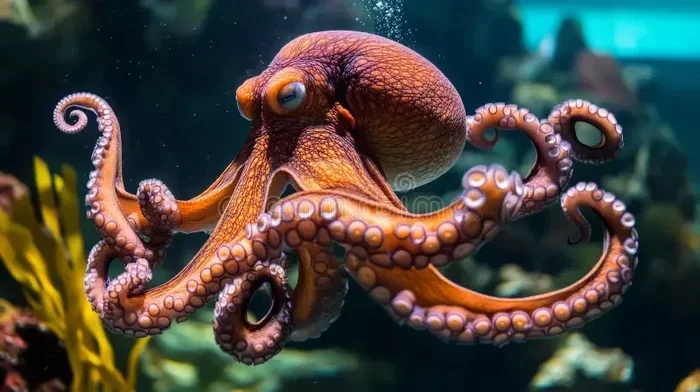

Knowing how to say octopus in Spanish is simple: the word is pulpo (pronounced POOL-poh). This guide covers pronunciation, regional variations, and delicious octopus dishes you will find across the Spanish-speaking world. Whether you are learning Spanish for travel, food, or fun, this quick and easy guide has everything you need to master the word and its context with confidence.
Have you ever been at a Spanish-speaking restaurant and wanted to order something special? Or maybe you are brushing up on your Spanish vocabulary and want to add more marine animal words to your list. Whatever your reason, learning how to say octopus in Spanish is a fun and practical step. The word you are looking for is pulpo, and it is one of the most interesting words in the Spanish language.
This guide will walk you through everything you need to know. We will cover pronunciation, regional differences, delicious dishes, and even some cultural tidbits. By the end, you will not only know how to say octopus in Spanish but also feel confident using the word in real conversations.
Key Takeaways
- Point 1: The Spanish word for octopus is pulpo, a straightforward and commonly used term across all Spanish-speaking regions.
- Point 2: Pronouncing pulpo correctly is easy once you break it into two syllables and practice the Spanish P and double O sounds.
- Point 3: Octopus dishes vary widely across Spain, Mexico, Portugal, and Latin America, each with unique flavors and preparation styles.
- Point 4: Understanding Spanish animal vocabulary, including words like pulpo, helps build a strong foundation for everyday conversations.
- Point 5: Common mistakes include confusing pulpo with similar-sounding words, but a few simple tips can help you avoid them.
- Point 6: Learning words like pulpo in context, such as through food and culture, makes Spanish vocabulary stick much faster.
📑 Table of Contents
- The Spanish Word for Octopus: Pulpo
- How to Pronounce Pulpo Correctly
- Octopus Around the Spanish-Speaking World
- Popular Octopus Dishes in Spanish Cuisine
- Fun Facts About Octopuses in Spanish Culture
- Common Mistakes When Learning Spanish Animal Names
- How to Practice Saying Octopus in Spanish Every Day
- Expert Insights on Learning Spanish Food Vocabulary
- Conclusion
The Spanish Word for Octopus: Pulpo
The direct translation of octopus in Spanish is pulpo. It is a masculine noun, which means you will use it with the article “el” (the). For example, “el pulpo” means “the octopus.” This word is used universally across Spain and Latin America, making it one of the easiest Spanish animal words to learn.
If you are curious about how other animal names work in Spanish, you might enjoy exploring Spanish cat names or checking out Spanish rabbit names to expand your vocabulary further. These animal-themed words follow similar patterns and can help you build a richer understanding of the language.
Here are some useful phrases that include the word pulpo:
- Me gusta el pulpo. — I like octopus.
- ¿Dónde puedo comer pulpo? — Where can I eat octopus?
- El pulpo es un animal marino. — The octopus is a marine animal.
- Quiero un plato de pulpo, por favor. — I would like a plate of octopus, please.
Notice how the word stays the same whether it is singular or plural. In Spanish, some nouns change form in the plural, but pulpo follows the pattern of adding an “es” at the end: pulpos. This makes it even easier to remember.
Why Learn This Word?
Knowing how to say octopus in Spanish opens doors to more meaningful travel experiences and deeper conversations. Imagine visiting the coastal towns of Galicia in Spain or the markets of Oaxaca in Mexico. When you can ask for pulpo by name, you connect with locals on a more personal level. It shows respect for their language and culture. Plus, food is one of the best ways to learn a language, and octopus dishes are some of the most celebrated in the Spanish-speaking world.
How to Pronounce Pulpo Correctly
Pronunciation is key when learning any new word. The good news is that pulpo is phonetically straightforward. Let us break it down syllable by syllable.
Pul — This sounds like the English word “pool.” The Spanish P is softer than the English P. You do not puff air when you say it. Think of a gentle, quiet P.
po — This rhymes with “low” in English. The O is a pure, open vowel sound. Do not add any extra syllables or sounds.
Put them together: POOL-poh. That is it. Two syllables, clean and simple. The stress falls on the first syllable, “Pul.”
Common Pronunciation Mistakes to Avoid
Many English speakers make a few common errors when saying pulpo. Here is what to watch out for:
- Don’t add an extra vowel. Some people say “pul-PO” with three syllables. Keep it to two.
- Don’t pronounce the P too harshly. A soft P is closer to the authentic Spanish sound.
- Don’t roll the R too much. There is no R in pulpo, so this is not an issue here. But it is a common trap with other Spanish words.
If you want to hear the word spoken aloud, try searching for audio pronunciations on language learning apps. Hearing native speakers say pulpo will help you fine-tune your accent quickly.
Octopus Around the Spanish-Speaking World
The word pulpo is the same in most Spanish-speaking countries, but the way people prepare and enjoy octopus varies dramatically. Let us take a quick tour of how octopus shows up in different regions.
Spain: Pulpo a la Gallega
In the northwestern region of Galicia, octopus is a star ingredient. Pulpo a la gallega (Galician-style octopus) is perhaps the most famous preparation. It features tender octopus pieces served on a wooden plate, topped with paprika, olive oil, and coarse salt. This dish is so iconic that it has its own festival, the Fiesta del Pulpo, celebrated in small towns throughout Galicia.
When you visit Spain and want to order octopus, simply ask for pulpo a la gallega. Locals will appreciate your effort, and you will enjoy an authentic culinary experience.
Mexico and Central America
In Mexico, octopus appears in tacos, stews, and ceviches. Pulpo en salsa (octopus in sauce) is a popular dish in coastal regions. The octopus is often grilled or braised and served with fresh salsa, lime, and tortillas. If you are exploring Mexican cuisine, trying pulpo dishes is a must.
For those interested in other Spanish animal names used in Mexican cuisine and culture, you might also enjoy reading about Spanish teddy bear names to see how animal words are used playfully in the language.
Portugal: Polvo
While Portuguese is a different language, it is worth noting that Portugal is a major octopus-loving country. The Portuguese word for octopus is polvo, which shares the same Latin root as Spanish pulpo. If you are traveling between Spanish and Portuguese-speaking countries, this connection can help you remember the word more easily.
Popular Octopus Dishes in Spanish Cuisine
Octopus is more than just a word in Spanish. It is a culinary treasure. Here are some of the most beloved dishes you will find across the Spanish-speaking world.
| Dish Name | Region | Description |
|---|---|---|
| Pulpo a la Gallega | Spain (Galicia) | Boiled octopus with paprika, olive oil, and salt |
| Pulpo en Salsa Verde | Spain | Octopus in a tangy green sauce |
| Pulpo a la Plancha | Spain | Grilled octopus with garlic and herbs |
| Pulpo Tacos | Mexico | Grilled octopus in corn tortillas with salsa |
| Pulpo al Ajillo | Spain | Octopus cooked in garlic and olive oil |
| Pulpo con Patatas | Spain | Octopus served with crispy potatoes |
Each dish highlights a different flavor profile, from smoky paprika to zesty citrus. The beauty of Spanish cuisine is that it lets the quality of the ingredient shine. Whether it is grilled, boiled, or braised, pulpo is always the star of the plate.
Quick Tips for Trying Octopus Dishes
- Start with pulpo a la gallega. It is the most traditional and widely available dish.
- Ask for “bien cocido,” which means “well cooked.” This ensures the octopus is tender.
- Try it in a coastal town. Freshness matters a lot with seafood, and coastal areas have the best quality.
- Don’t be afraid to point. If you are unsure of the name, pointing at a picture or the dish itself works perfectly.
Fun Facts About Octopuses in Spanish Culture
Octopuses hold a special place in Spanish-speaking cultures. They are not just food — they are symbols of intelligence, adaptability, and the mysteries of the ocean.
In Galician folklore, the octopus is sometimes seen as a creature of the deep with almost magical qualities. The word pulpo itself comes from the Latin polypus, which traces back to Greek roots meaning “many-footed.” This etymology makes sense when you consider that octopuses have eight flexible arms, each capable of independent movement.
Understanding the meaning behind words can make them easier to remember. If you are interested in how words carry deeper significance in language, you might find the concept of in situ meaning fascinating. It explores how context gives words their true power, and this applies perfectly to words like pulpo, which carry cultural weight beyond their literal translation.
Here are some fun facts that make learning how to say octopus in Spanish even more interesting:
- Spain is one of the largest consumers of octopus per capita in Europe.
- The Fiesta del Pulpo in Galicia draws thousands of visitors every year.
- Octopus is considered a delicacy in many coastal communities across Latin America.
- The word pulpo is one of the first seafood words travelers learn in Spanish.
- In some regions, catching octopus by hand is a traditional practice passed down through generations.
Common Mistakes When Learning Spanish Animal Names
Learning new vocabulary is exciting, but it is easy to make small errors along the way. Here are some common mistakes to watch out for when learning words like pulpo and other Spanish animal names.
Mistake 1: Confusing Pulpo with Similar Words
Some learners confuse pulpo with words that sound similar. For example, “pulpo” does not mean “octopus juice” or anything related to pumping. It simply means the octopus animal. Keep your focus on the clear meaning.
Mistake 2: Using the Wrong Gender Article
Remember that pulpo is a masculine noun. Always use “el pulpo” (the octopus) and “los pulpos” (the octopuses). Using the wrong article can sound unnatural to native speakers.
Mistake 3: Overcomplicating the Plural
Some learners try to change the word in unexpected ways. The plural of pulpo is simply pulpos. No spelling changes, no tricky exceptions. Just add an “s.”
Mistake 4: Ignoring Regional Variations in Usage
While the word pulpo is the same everywhere, the dishes and preparation methods vary. A “pulpo” in Spain might look very different from a “pulpo” in Peru or Argentina. Being aware of these differences enriches your understanding and helps you connect better with local cultures.
If you want to explore more Spanish animal vocabulary in a fun way, you can check out Spanish rabbit names for additional animal words that follow similar patterns and are equally useful for building your vocabulary.
How to Practice Saying Octopus in Spanish Every Day
Consistency is the secret to mastering any new language skill. Here are simple ways to practice the word pulpo daily.
- Say it out loud three times every morning. Repetition builds muscle memory for pronunciation.
- Write it in a journal. Writing helps reinforce spelling and meaning.
- Watch Spanish cooking videos. Search for “receta de pulpo” on YouTube and listen to native speakers use the word.
- Label items in your kitchen. Put a sticky note that says “pulpo” on your seafood shelf.
- Practice with a language partner. Use the word in a full sentence and ask for feedback.
These small habits add up over time. Before you know it, saying pulpo will feel completely natural.
Expert Insights on Learning Spanish Food Vocabulary
Language experts agree that learning vocabulary through food is one of the most effective methods. Food words are emotionally engaging, culturally rich, and practically useful. When you learn a word like pulpo, you are not just memorizing a translation. You are connecting with an entire tradition of cooking, storytelling, and community.
According to polyglots and language instructors, the best approach is to learn words in clusters. Instead of studying random lists, group related words together. For example, learn pulpo alongside words like calamar (squid), langosta (lobster), and camarón (shrimp). This builds a network of related vocabulary that reinforces each word in your memory.
Another expert tip is to use spaced repetition. Review the word pulpo after one day, then three days, then a week, then a month. This technique has been proven to dramatically improve long-term retention.
Conclusion
Learning how to say octopus in Spanish is a rewarding experience that goes far beyond a single vocabulary word. The word pulpo connects you to rich culinary traditions, fascinating cultural stories, and the broader world of Spanish seafood vocabulary. From the rustic kitchens of Galicia to the vibrant streets of Mexico City, pulpo brings people together around the table.
Now that you know the word, its pronunciation, and the delicious dishes it represents, you are ready to use it in real life. Practice saying it out loud, try a pulpo dish at a local restaurant, and share what you have learned with friends. Every new word you add to your Spanish vocabulary is a step toward fluency and deeper cultural understanding. So go ahead, say it with confidence: pulpo. You have got this.
Frequently Asked Questions
What is the Spanish word for octopus?
The Spanish word for octopus is pulpo. It is a masculine noun used across all Spanish-speaking countries, from Spain to Mexico to Argentina. Simply say “el pulpo” when referring to the octopus.
How do you pronounce pulpo in Spanish?
Pulpo is pronounced “POOL-poh.” The first syllable rhymes with “pool,” and the second sounds like “low.” Keep the pronunciation to two clear syllables with the stress on the first one.
Are there different words for octopus in different Spanish-speaking countries?
No, the word pulpo is the same everywhere in the Spanish-speaking world. However, the dishes and preparation methods can vary significantly from region to region, giving each area its own unique culinary twist.
What are some popular octopus dishes in Spanish cuisine?
Some popular dishes include pulpo a la gallega from Spain, which is boiled octopus with paprika and olive oil. In Mexico, you will find pulpo en tacos and pulpo en salsa. Other favorites include grilled octopus and octopus with garlic sauce.
Is pulpo a difficult word to remember for English speakers?
Not at all. Pulpo is one of the easier Spanish food words to learn. It has only two syllables, follows simple pronunciation rules, and is closely related to the English word “poly” (meaning many), which connects to the octopus’s many arms.
Can I use the word pulpo outside of food conversations?
Yes, absolutely. You can use pulpo in any context where you are referring to the octopus animal. For example, you might say “Vi un pulpo en el acuario” (I saw an octopus at the aquarium) or “El pulpo es un animal muy inteligente” (The octopus is a very intelligent animal).



