
Knowing how to say how are you doing in Japanese opens doors to real conversations and deeper cultural connections. Japanese has multiple ways to ask about someone’s well-being, ranging from polite and formal to casual and friendly. This guide covers the most common phrases, pronunciation tips, and the cultural context behind each greeting so you can choose the right one every time.
Have you ever wanted to greet someone in Japanese but didn’t know where to start? The phrase “how are you doing” might seem simple in English, but Japanese offers several versions depending on who you’re talking to and the situation. Whether you are planning a trip to Tokyo or just curious about the Japanese language, learning the right greetings is a great first step.
In this guide, we will walk you through every common way to say “how are you” in Japanese. You will learn formal phrases, casual expressions, and the cultural rules that shape how Japanese people use them. By the end, you will feel confident greeting others in any setting.
Key Takeaways
- Genki desu ka is the standard and most widely used way to ask “how are you” in Japanese.
- Japanese greetings change based on formality, time of day, and your relationship with the speaker.
- Casual phrases like Ogenki? work well with close friends, while formal versions suit professional settings.
- Understanding cultural context matters just as much as knowing the words themselves.
- Pronunciation is simpler than it looks once you break down the syllables.
- Responding properly is just as important as asking the question in Japanese conversations.
- Practice with real-life scenarios to build confidence fast.
📑 Table of Contents
Why Learning Japanese Greetings Matters
First impressions matter everywhere, and Japan is no different. The way you greet someone sets the tone for the entire conversation. In Japanese culture, politeness and respect are built into every interaction, even the simplest ones.
Using the right Japanese greetings shows that you respect the culture and the person you are speaking with. It also makes locals more willing to help you and engage in conversation. A small greeting like Genki desu ka can go a long way in building rapport.
Moreover, greetings in Japanese carry layers of meaning. They are not just about asking someone’s well-being. They also reflect social hierarchy, closeness, and situational awareness. This is something that makes learning Japanese for travel and daily communication so rewarding.
The Most Common Ways to Say “How Are You” in Japanese
Japanese has several phrases that translate to “how are you.” Each one fits a different level of formality and relationship. Let us break them down one by one.
Genki Desu Ka
This is the most standard way to ask “how are you” in Japanese. It literally means “Are you well?” or “Are you doing well?” You can use it in most everyday situations. It works with coworkers, classmates, neighbors, and people you have just met.
Here is how it sounds:
- Genki desu ka (pronounced: gen-kee des-ka)
The response is equally simple. You can say Genki desu, which means “I am fine.” You can also add thank you by saying Arigatou gozaimasu in formal settings.
Ogenki Desu Ka
This is a slightly more polite version of Genki desu ka. The prefix O- adds respect and warmth. Use this when speaking with someone older, a superior, or someone you do not know well.
It is a common phrase in business settings and formal introductions. Many Japanese language basics courses teach this one early on because of its versatility.
Ogenki
This is the casual shortened form. It is like saying “Hey, how are you?” among close friends. You would never use this in a formal meeting or with someone you just met. Save it for your Japanese buddies and casual hangouts.
Choushi wa Dou
This phrase means “How are things?” or “How is it going?” It is a bit more conversational and natural. Native speakers use it when they want a more relaxed check-in. It feels warmer than the standard Genki desu ka.
You might hear this among friends or in informal group settings. It shows genuine interest without being too stiff.
Formal vs Casual: Choosing the Right Tone
One of the most important parts of Japanese conversation starters is matching your tone to the situation. Japanese has distinct levels of formality, and choosing the wrong one can feel awkward.
When to Use Formal Greetings
Use formal greetings when you are:
- Speaking with someone older than you
- In a workplace or business meeting
- Meeting someone for the first time
- Interacting with a customer or client
- Visiting someone’s home for the first time
Formal phrases like Ogenki desu ka and Genki desu ka with polite verb endings show respect. They also signal that you understand Japanese social customs and etiquette.
When to Use Casual Greetings
Casual greetings fit these situations:
- Talking with close friends
- Chatting with classmates or teammates
- Texting or messaging someone your age
- Casual hangouts or social events
Phrases like Ogenki and Choushi wa dou work perfectly here. They keep the tone light and friendly. Just remember that using casual language with a stranger or elder can come across as disrespectful.
A Quick Comparison Table
| Phrase | Level | Best For |
|---|---|---|
| Genki desu ka | Standard | Everyday use with most people |
| Ogenki desu ka | Polite | Formal settings, elders, strangers |
| Ogenki | Casual | Close friends, informal chats |
| Choushi wa dou | Casual | Relaxed conversations with peers |
Cultural Context Behind Japanese Greetings
Japanese greetings carry a deeper meaning than just exchanging words. They reflect values like harmony, respect, and attentiveness to others. Understanding this context helps you use phrases more naturally.
The Role of Keigo (Honorific Language)
Japanese honorifics play a big role in daily communication. Keigo is the system of respectful language that shapes how people address others. It affects not just greetings but verbs, nouns, and sentence endings too.
When you ask someone how they are doing, you are also showing that you acknowledge their presence and well-being. This small act carries weight in Japanese culture. It says, “I see you, and I care about how you are.”
Reading the Room
In Japan, people often read the atmosphere before choosing how to speak. This concept is called kuuki wo yomu, which means “reading the air.” It applies to greetings too. You adjust your tone based on who is around, where you are, and what the situation calls for.
For example, you might use a softer greeting at a quiet coffee shop but a brighter one at a lively festival. This sensitivity to context is part of what makes Japanese communication so thoughtful.
Animals and Names in Japanese Culture
Japanese culture has a deep love for animals, and this shows up in names and expressions too. For instance, foxes hold special meaning in Japanese folklore and are often associated with shrines and stories. If you are curious about names inspired by animals, you might enjoy exploring Japanese fox names or even Japanese cat names for a fun cultural deep dive.
Understanding these cultural connections helps you appreciate the language more fully. It also gives you great conversation starters when meeting native speakers.
Quick Tips for Pronouncing Japanese Phrases
Pronouncing Japanese greetings is easier than you might think. The language has a simple sound system with consistent rules. Here are some tips to help you sound more natural.
- Break words into syllables. Each syllable gets equal weight. Say “ge-n-ki des-ka” slowly at first.
- Keep vowels short and clear. The “a” in “desu” is short and open, not drawn out.
- Do not stress one syllable heavily. Japanese is a flat-toned language with even rhythm.
- Practice with audio. Listening to native speakers helps your ear adjust to the natural pace.
- Start slow and speed up gradually. Rushing leads to mistakes. Build confidence first.
If you are ever unsure about the meaning of a phrase in its original context, understanding the in situ meaning can help you grasp how words and expressions work within their natural cultural setting.
Common Mistakes to Avoid
Even the best learners make mistakes. Here are some common ones to watch out for when using Japanese greetings.
- Using casual phrases with strangers. This can feel too familiar and disrespectful. Always gauge the relationship first.
- Skipping the question particle. Saying “Genki desu” instead of “Genki desu ka” changes the meaning entirely. The first is a statement, and the second is a question.
- Over-politeness in casual settings. Using formal language with close friends can feel stiff and unnatural.
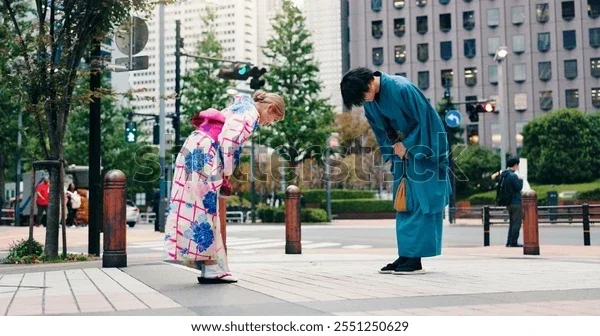
- Ignoring body language. A bow or a smile goes hand in hand with greetings in Japan. It reinforces your words.
- Forgetting to respond. When someone asks you “Genki desu ka,” always reply. Silence can feel uncomfortable.
Avoiding these mistakes will make your conversations smoother and more enjoyable for both you and the other person.
How to Respond When Someone Asks You
Asking “how are you” is only half the conversation. Knowing how to respond is equally important. Here are the most common replies you will hear and use.
- Genki desu – “I am fine.” (Standard and safe for any situation.)
- Genki desu, arigatou – “I am fine, thank you.” (Adds gratitude, always appreciated.)
- Mou sugu genki ni narimasu – “I will be fine soon.” (Useful when you are not feeling great.)
- Hontou ni? – “Really?” (A casual follow-up that shows interest in the other person.)
These responses keep the conversation flowing naturally. They also show that you are actively listening and engaged.
Pairing Greetings with Other Phrases
You can combine greetings with other everyday Japanese phrases to sound even more natural. For example, after asking “Genki desu ka,” you can follow up with “Oshigoto wa?” which means “How is work?” This shows a deeper level of care and interest.
Similarly, you might add “Saikin genki?” meaning “Are you doing well lately?” These small additions make your Japanese feel more fluent and conversational.
Final Thoughts
Learning how to say how are you doing in Japanese is more than just memorizing phrases. It is about understanding the culture, the relationships, and the respect built into every word. The Japanese language rewards those who take the time to learn the nuances.
Start with Genki desu ka and practice it daily. Once you feel comfortable, add the casual and formal variations to your toolkit. Soon, greeting someone in Japanese will feel second nature. The key is to stay curious, keep practicing, and enjoy the journey of Japanese language learning.
Every greeting you learn brings you closer to meaningful connections with Japanese speakers around the world. So go ahead, try it out, and let your first “Genki desu ka” open the door to something wonderful.
Frequently Asked Questions
What is the easiest way to say “how are you” in Japanese for beginners?
The easiest phrase for beginners is Genki desu ka. It is simple, widely understood, and works in most everyday situations. You will hear it everywhere from shops to offices to casual meetups.
Is it rude to use casual greetings in Japan?
It can be, depending on the situation. Using casual phrases like Ogenki with strangers, elders, or people you do not know well can feel disrespectful. Always match your greeting to the relationship and setting.
Do Japanese people actually ask “how are you” every time they meet?
Not always. In Japan, greetings like “Genki desu ka” are often used as a social ritual rather than a genuine question about your well-being. Still, responding warmly is always appreciated and shows good manners.
How do you pronounce “Genki desu ka” correctly?
Break it into three parts: “Gen-ki des-ka.” Each syllable gets equal emphasis. Keep the vowels short and clear, and avoid stressing any one part too heavily. Listening to native audio helps a lot.
Can I use “Genki desu ka” in a business setting?
Yes, but consider using the more polite version Ogenki desu ka in formal business environments. It adds a layer of respect that is well-received in professional settings in Japan.
What should I say if I am not feeling well when someone asks me?
You can say “Mou sugu genki ni narimasu”, which means “I will be fine soon.” You can also keep it simple with “Chotto zutsu”, meaning “A little bit,” to indicate you are not at your best without going into detail.
=== CONCLUSION ===
Mastering how to say how are you doing in Japanese is a foundational skill for any learner. From the standard Genki desu ka to casual expressions like Choushi wa dou, each phrase serves a unique purpose. The key is to match your greeting to the setting, the relationship, and the level of formality.
With practice, these phrases will become second nature. You will greet people with confidence and warmth, and that small effort will open up real connections. Keep exploring the richness of the Japanese language, and remember that every conversation starts with a simple, friendly greeting.