
Knowing how to say restroom in Spanish is one of the most useful phrases for travelers and learners alike. Whether you are visiting Spain, Mexico, or any Spanish-speaking country, having the right words prevents awkward moments. This guide covers every common term, regional differences, and practical tips so you can ask for a bathroom with confidence. You will also learn cultural etiquette and fun vocabulary that goes beyond the basics.
Key Takeaways
- Multiple ways to say restroom: Learn baño, cuarto de baño, servicio, and more depending on the region.
- Regional differences matter: Spain, Mexico, and Latin America each use different words for the same thing.
- Politeness counts: Using the right phrases shows respect and helps you blend in naturally.
- Signs and symbols help: Public restrooms use universal symbols, but knowing the words adds confidence.
- Practice makes perfect: Use the example dialogues and tips to rehearse before your next trip.
- Avoid common mistakes: Some words are considered rude or too informal in certain settings.
- Expand your vocabulary: Learn related terms like ducha, inodoro, and lavabo to sound more natural.
📑 Table of Contents
- How to Say Restroom in Spanish: The Complete Guide
- The Most Common Word: Baño
- Formal and Polite Ways to Ask
- Regional Differences: How Restroom in Spanish Changes by Country
- Other Useful Words for Restroom in Spanish
- Practical Situations: Asking for a Restroom in Real Life
- Common Mistakes to Avoid
- Fun Side Notes: Spanish Words and Culture
- How to Practice Asking for a Restroom in Spanish
- Conclusion
How to Say Restroom in Spanish: The Complete Guide
Traveling to a Spanish-speaking country? You will need to know how to find a restroom fast. The good news is that saying restroom in Spanish is easier than you think. There are several words and phrases you can use, and most of them are simple. In this guide, we walk you through every option. You will learn the formal terms, the casual ones, and the regional differences that can surprise you.
Imagine walking through a busy market in Barcelona or a quiet plaza in Oaxaca. You need to find a bathroom, and your phone just died. This is where your Spanish skills save the day. Knowing how to say restroom in Spanish removes stress and helps you handle everyday situations with ease. Let us dive in and make sure you are prepared.
The Most Common Word: Baño
The word baño is the go-to term for restroom in Spanish. It works in almost every Spanish-speaking country. Whether you are in Madrid, Buenos Aires, or Lima, saying ¿Dónde está el baño? will get you where you need to go. The word baño literally means bath or bathing room, but everyone understands it as restroom.
Here are some helpful phrases using baño:
- ¿Dónde está el baño? — Where is the restroom?
- El baño está ahí. — The restroom is right there.
- Necesito ir al baño. — I need to go to the restroom.
- ¿Hay un baño público cerca? — Is there a public restroom nearby?
These phrases work everywhere. They are simple, polite, and universally understood. Start with baño and you will never feel lost. It is the safest and most widely accepted word you can use.
Quick Tip
If you are ever unsure which word to use, just say baño. It is understood across all Spanish-speaking regions. Even young children and elderly locals will know exactly what you mean.
Formal and Polite Ways to Ask
Sometimes you want to sound more polite or formal. In restaurants, hotels, or offices, using the right tone matters. The word servicio is a great choice here. It means service and is commonly used for restroom in Spanish in formal settings.
Try these polite phrases:
- ¿Dónde queda el servicio? — Where is the restroom?
- Disculpe, ¿podría indicarme dónde está el baño? — Excuse me, could you tell me where the restroom is?
- ¿A qué hora cierra el baño? — What time does the restroom close?
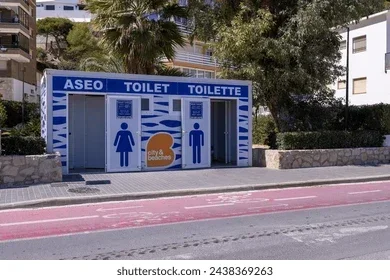
Using servicio is especially common in Mexico and Central America. In Spain, you might also hear aseos, which means restrooms or washrooms. Both words are polite and appropriate for any situation. The key is to pair them with disculpe or por favor for extra politeness.
Politeness Matters in Spanish-Speaking Cultures
People in Spanish-speaking countries really appreciate polite language. Saying por favor (please) and gracias (thank you) goes a long way. It shows respect and makes interactions smoother. When asking for directions to a restroom, a simple Disculpe at the start sets a friendly tone. Locals will be happy to help you find your way.
Regional Differences: How Restroom in Spanish Changes by Country
One of the most interesting things about Spanish is how it changes from country to country. The word for restroom in Spanish can vary depending on where you are. Let us explore the main regional differences so you are never caught off guard.
In Spain
In Spain, you will hear several words for restroom. Aseos is very common, especially in public places like malls and train stations. You might also see signs that say Caballeros for men and Señoras for women. The word baño works perfectly here too. In casual settings, younger Spaniards might use servi, a shortened form of servicio.
Fun fact: The term in situ is often used in Spanish signage to describe how restroom signs appear in their original, physical context across different regions of Spain.
In Mexico
Mexican Spanish has its own flavor when it comes to bathroom vocabulary. Servicio is the most common term in restaurants and stores. You will also hear baño everywhere. In more casual or rural areas, some people use sanitario, which refers to a toilet or restroom facility. If you are traveling through rural Mexico, knowing sanitario can be very helpful.
In Argentina and Uruguay
In Argentina and Uruguay, people often use baño just like everywhere else. However, in some informal settings, you might hear retrete, which specifically means toilet. This word sounds a bit old-fashioned or blunt, so it is best used in casual conversations. Most Argentinians prefer baño or servicio in polite settings.
In Colombia and Chile
In Colombia, baño and servicio are both widely used. In Chile, you will mostly hear baño and aseo. The word aseo also means cleaning or tidying, so context matters. When someone says voy al aseo, they mean they are heading to the restroom.
Other Useful Words for Restroom in Spanish
Beyond the main words, there are many related terms that will make your Spanish sound more natural. These words help you describe bathroom features and facilities with confidence.
| Spanish Word | English Meaning | When to Use It |
|---|---|---|
| Baño | Restroom / Bathroom | Everywhere, all the time |
| Cuarto de baño | Bathroom | Describing a room in a home |
| Servicio | Restroom (formal) | Restaurants, hotels, public places |
| Aseos | Restrooms | Spain, public buildings |
| Sanitario | Restroom facility | Rural areas, Mexico |
| Retrete | Toilet | Casual conversation only |
| Inodoro | Toilet (the fixture) | Describing bathroom equipment |
| Ducha | Shower | When you need a shower |
| Lavabo | Sink / Washbasin | Washing hands |
| Espejo | Mirror | Looking at yourself |
| Papel higiénico | Toilet paper | When you need supplies |
Learning these terms gives you a complete picture of restroom vocabulary. You will not just find the restroom — you will be able to describe it, ask for specific items, and handle any situation that comes up.
Quick Tips for Using These Words
- Baño is your safest bet in every country.
- Servicio is best for formal or public places.
- Retrete is casual — use it only with friends.
- Aseos is mostly used in Spain.
- Cuarto de baño refers to a bathroom room, not a public restroom.
Practical Situations: Asking for a Restroom in Real Life
Theoretical knowledge is great, but real-world practice is even better. Let us look at common situations where you need to ask for a restroom in Spanish.
At a Restaurant
You are sitting at a table in a small restaurant in Guatemala. You need to use the restroom. Here is what to say:
Disculpe, ¿dónde está el servicio? (Excuse me, where is the restroom?)
The waiter will likely point you to the back or side of the restaurant. In many Latin American restaurants, the restroom is not inside the main dining area. You might need to step outside or walk down a hallway.
At a Shopping Mall
Malls in Spanish-speaking countries usually have clear signage. Look for signs that say Baños or Servicios. You can also ask any store employee:
¿Dónde están los baños, por favor? (Where are the restrooms, please?)
At a Bus Station or Airport
Large transit hubs often have multiple restrooms. Signs may use Caballeros and Señoras for men and women. If you cannot find the signs, simply ask:
¿Hacia dónde queda el baño? (Which way is the restroom?)
At a Park or Outdoor Event
Outdoor events may have portable restrooms. In Mexico and Central America, these are called baños químicos (portable restrooms). At parks, look for signs or ask a nearby vendor or staff member.
Having these phrases ready makes a huge difference. You will feel more confident and less anxious about finding a restroom in unfamiliar places. Practice them before your trip, and they will come to you naturally.
Common Mistakes to Avoid
Even experienced Spanish learners sometimes make mistakes when talking about restrooms. Here are some common errors to watch out for.
- Using “retrete” in formal settings. This word is considered blunt or even rude in many places. Stick with baño or servicio when speaking to strangers.
- Confusing “baño” with “baño público.” A baño is just a restroom. A baño público specifically means a public restroom. Both are fine, but knowing the difference helps you be more precise.
- Forgetting gender in articles. Remember that el baño is masculine. Say el baño, not la baño.
- Using English words and expecting people to understand. While some younger people in cities may understand “restroom,” it is much better to use the Spanish words. It shows effort and respect.
Expert Insight
Language experts always recommend learning the local variation of Spanish before visiting a specific country. If you are heading to Spain, familiarize yourself with aseos and caballeros/señoras signs. If you are going to Mexico, practice servicio and sanitario. This small effort pays off big time in real-world interactions.
Fun Side Notes: Spanish Words and Culture
Learning Spanish is not just about vocabulary — it is also about culture. Restrooms in Spanish-speaking countries can have interesting features and traditions worth knowing about.
In some rural areas of Latin America, you might encounter an outdoor restroom called a letrina. These are simple pit toilets that are common in countryside settings. If you are traveling off the beaten path, knowing this word helps you understand what to expect.
Many Spanish-speaking countries also have a strong culture of hospitality. If you ask someone where the restroom is, they will often walk you there themselves rather than just pointing. This personal touch is a beautiful part of the culture. People genuinely want to help you feel comfortable.
Even pet culture connects to language learning in fun ways. If you are curious about how Spanish speakers name their pets, you might enjoy exploring Spanish cat names or learning about Spanish rabbit names. These topics show how rich and diverse the Spanish language really is.
Language is a window into a culture, and every word you learn opens a new door. The more Spanish words you collect, the more connected you feel to the people and places you visit.
How to Practice Asking for a Restroom in Spanish
Practice is the secret to feeling confident. Here are some simple ways to rehearse before your next trip.
- Say the phrases out loud every day. Repetition builds muscle memory. Say ¿Dónde está el baño? ten times each morning.
- Practice with a partner. Ask a friend to play the role of a stranger you need to ask for directions.
- Use language apps. Apps like Duolingo or Babbel include bathroom-related vocabulary in their lessons.
- Watch Spanish videos. YouTube has many clips showing how people ask for restrooms in real-life situations across different countries.
- Label items in your home. Put sticky notes with Spanish words on bathroom items at home. This builds everyday vocabulary naturally.
The more you practice, the more natural it will feel. Soon, asking for a restroom in Spanish will be as easy as asking for directions in your own language.
Conclusion
Now you know how to say restroom in Spanish in almost every situation. The word baño is your all-purpose go-to. Servicio works for formal settings. Aseos is common in Spain. And you have a whole toolkit of related words to sound more natural and confident.
Remember, the key is practice and politeness. Use por favor, disculpe, and gracias to make every interaction smooth and respectful. Every Spanish speaker you meet will appreciate your effort to communicate in their language.
So the next time you are traveling or chatting with a Spanish speaker, do not hesitate. Ask for the restroom with confidence. You have got the words, the phrases, and the cultural know-how to handle it like a pro.
Frequently Asked Questions
What is the most common way to say restroom in Spanish?
The most common and universally understood word is baño. You can use it in every Spanish-speaking country. Simply say ¿Dónde está el baño? to ask where the restroom is. It works in restaurants, malls, airports, and anywhere else you need to go.
Is it rude to say “retrete” in Spanish?
It depends on the context. Retrete is considered informal and a bit blunt. In casual conversations with friends, it is fine. But in formal settings or with strangers, it can sound rude. Stick with baño or servicio to stay polite and appropriate in any situation.
Do all Spanish-speaking countries use the same word for restroom?
No, there are regional differences. Spain commonly uses aseos, Mexico prefers servicio, and Argentina sometimes uses retrete in casual speech. However, baño is understood everywhere. Learning a few regional terms is helpful but not necessary for basic communication.
How do I ask for a restroom politely in Spanish?
Start with Disculpe or Perdone to get someone’s attention politely. Then say ¿Dónde está el baño, por favor? (Where is the restroom, please?). Adding gracias at the end shows appreciation and respect. This simple formula works in any Spanish-speaking country.
What is the difference between baño and cuarto de baño?
Baño means restroom or bathroom and is used for both public and private spaces. Cuarto de baño specifically means the bathroom room in a home or apartment. Use cuarto de baño when describing a room layout, and baño when looking for a public restroom.
Are there gender rules for restroom words in Spanish?
Yes, most restroom-related words are masculine. El baño, el servicio, el retrete, and el inodoro all use the masculine article el. The plural form los baños also uses the masculine plural. Remembering this helps you construct correct sentences when asking for directions.