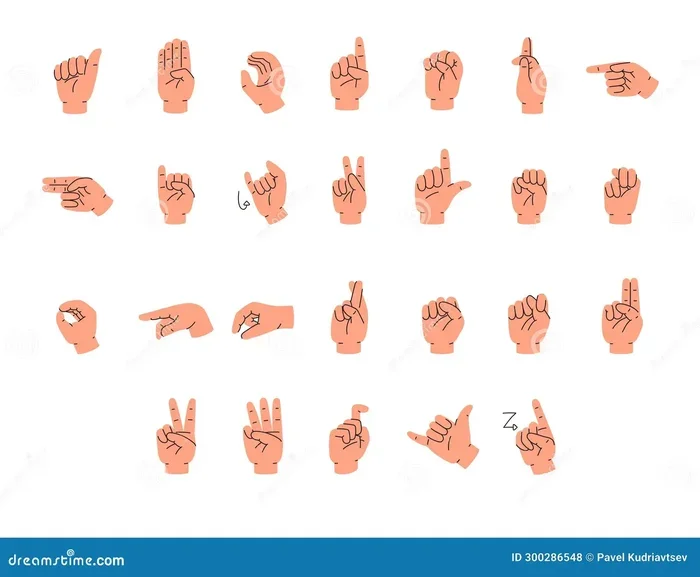

Learning how to say my name is in ASL is a great first step into deaf culture and nonverbal communication. This guide covers fingerspelling your name, creating a personal name sign, and introducing yourself in sign language with confidence. You will also find practical tips, common mistakes to avoid, and expert insights to help you sign naturally.
Key Takeaways
- Fingerspelling is the foundation: Every letter in your name can be signed using the ASL alphabet.
- Name signs are personal: The Deaf community often creates unique name signs based on traits or initials.
- Introduction goes beyond just your name: A full ASL introduction includes your name, where you are from, and your interests.
- Practice makes progress: Consistent daily practice helps you sign more naturally and confidently.
- Avoid common errors: Don’t mouth words while signing, and keep your movements clear and steady.
- Respect Deaf culture: Understanding the cultural context behind ASL makes your signing more meaningful and respectful.
📑 Table of Contents
How to Say My Name Is in ASL and Introduce Yourself
Have you ever wanted to introduce yourself in American Sign Language but did not know where to start? Learning how to say my name is in ASL opens a whole new world of communication. It connects you to the deaf community and gives you a powerful way to express yourself without words.
Whether you are meeting someone who is deaf, learning sign language for beginners, or just curious about nonverbal communication, this guide has you covered. We will walk you through every step, from fingerspelling your full name to creating a personal name sign that feels uniquely yours. By the end, you will feel confident enough to introduce yourself in ASL in real conversations.
Sign language is not just a set of hand movements. It is a rich, visual language with its own grammar, culture, and history. When you learn how to sign your name, you are stepping into something much bigger. You are showing respect for a vibrant community and building bridges through visual communication.
Understanding the Basics of ASL
Before you dive into signing your name, it helps to understand a few basics about American Sign Language. ASL is a complete language used by many deaf and hard of hearing people across the United States and parts of Canada. It relies on hand shapes, facial expressions, and body movements to convey meaning.
Unlike spoken English, ASL has its own grammar rules. The word order is different, and facial expressions play a big role in showing questions, emotions, and emphasis. So when you learn how to say my name is in ASL, you are not just copying English words with your hands. You are learning a visual language on its own terms.
The ASL Alphabet: Your Starting Point
The ASL alphabet, also called fingerspelling, uses 26 hand shapes to represent each letter of the English alphabet. When you do not know a specific sign for a word, or when you are spelling out a name, fingerspelling is your go-to tool.
Here are some quick tips for fingerspelling:
- Keep your hand steady and face it toward the person you are communicating with.
- Move your hand slightly side to side so the letters are easier to read.
- Do not bounce each letter. Smooth, even movement is key.
- Practice each letter slowly until it feels natural.
Fingerspelling your name is the most direct way to answer the question, how to say my name is in ASL. Once you get comfortable with the alphabet, spelling out your full name becomes second nature.
What Is a Name Sign?
In the deaf community, many people use a name sign instead of fingerspelling their full name every time. A name sign is a unique gesture that represents a person. It is given by someone who is deaf and is a meaningful part of deaf culture.
Name signs are often based on a physical trait, a personality characteristic, or the first letter of a person’s name. For example, someone with curly hair might get a name sign that shows curly motion near the chin. These signs are personal and carry deep cultural significance.
If you are not deaf yourself, it is important to understand that name signs are not something you should create for yourself. They are traditionally given by members of the deaf community as a sign of acceptance and connection.
How to Fingerspell Your Name in ASL
Now let us get practical. Learning how to say my name is in ASL through fingerspelling is a skill you can start building right away. Here is a simple step-by-step approach.
Step 1: Know Your Hand Dominance
Most people use their dominant hand for fingerspelling. If you are right-handed, your right hand does the work. If you are left-handed, use your left hand. Keep your non-dominant hand still and palm-up if needed for support.
Step 2: Learn the Hand Shapes for Each Letter
Each letter in the ASL alphabet has a specific hand shape. Here are a few common ones:
- A: Make a fist with your thumb resting on the side of your index finger.
- B: Keep all four fingers flat and touch your thumb to the side of your palm.
- C: Curve your hand into a open C shape.
- D: Point your index finger up and rest the other fingers on your thumb.
- E: Make a fist with your thumb tucked over your fingers.
You can find many free video resources online that show each letter clearly. Watching and repeating is one of the best ways to build muscle memory.
Step 3: Spell Your Name Slowly and Clearly
When you first start, go slow. Spell out each letter of your name one at a time. Make sure each hand shape is clear before moving to the next letter. Speed will come with practice.
For example, if your name is Sarah, you would fingerspell S-A-R-A-H. Hold each letter for about one second and keep your movements smooth.
Step 4: Add a Natural Flow
Once you are comfortable spelling each letter, work on connecting them. Instead of pausing between every letter, let your hand flow from one shape to the next. This makes your fingerspelling easier to read and looks more natural.
Here is a quick practice tip: write your name on a piece of paper and then sign each letter while looking at the paper. Then try it without looking. Repeat this every day and you will see real improvement.
Introducing Yourself in ASL
Signing your name is just the beginning. A full self-introduction in ASL goes beyond just telling someone your name. It is your chance to make a great first impression in the deaf community or in any signing environment.
What to Include in Your Introduction
A solid ASL introduction typically includes these elements:
- Your name: Either fingerspelled or signed with a name sign.
- Where you are from: Use the sign for your city, state, or country.
- Something about yourself: Your interests, hobbies, or what brought you to learning ASL.
For example, you might sign: My name is [fingerspell], I am from [city], and I love music. Keep it simple and natural. The goal is to communicate clearly and warmly.
Common ASL Greetings to Pair With Your Introduction
Start your introduction with a friendly greeting. Here are a few common ones:
- Hello: Wave your hand near your forehead with your palm facing outward.
- Nice to meet you: Combine the signs for “nice” and “meet” with a warm smile.
- How are you?: Point to the person and sign “how” followed by “you.”
Pairing your introduction with a greeting makes you come across as friendly and respectful. It sets a positive tone right from the start.
Using Facial Expressions
One thing that surprises many beginners is how important facial expressions are in ASL. When you introduce yourself, smile! Show interest and warmth. Your face is part of the language. A flat or expressionless face can make your signing hard to follow or feel cold.
Think of it this way: your hands carry the words, but your face carries the emotion. Together, they create a complete and engaging introduction.
Common Mistakes to Avoid
Everyone makes mistakes when learning a new language, and signing is no different. Here are some common errors to watch out for as you practice how to say my name is in ASL.
Mouthing Words While Signing
Many beginners try to whisper or mouth the English words while they sign. This is a common habit but it can distract from the visual nature of ASL. Trust your hands and let your signing speak for itself.
Signing Too Fast or Too Slow
Finding the right speed takes practice. If you sign too fast, people cannot read your hand shapes. If you sign too slowly, it feels awkward and unnatural. Aim for a comfortable, steady pace that is easy to follow.
Using Inconsistent Hand Shapes
Each letter in the ASL alphabet has a specific hand shape. Mixing up shapes or being sloppy with your form makes fingerspelling hard to read. Take time to get each letter right before trying to speed up.
Ignoring Facial Expressions
As mentioned above, your face is a key part of communication in ASL. Without expressions, your signing can feel flat and incomplete. Practice using your face alongside your hands.
Creating Your Own Name Sign Without Permission
This is an important one. If you are not part of the deaf community, avoid creating your own name sign. Name signs carry cultural meaning and are typically given by deaf individuals. Creating one on your own can be seen as disrespectful.
Practical Tips for Getting Better at ASL Introductions
Getting better at signing your name and introducing yourself takes time and effort. Here are some practical tips that really work.
Practice Every Day
Even five minutes of daily practice makes a big difference. Spend a few minutes each day fingerspelling your name. Then try introducing yourself out loud and in sign. Consistency beats intensity every time.
Watch and Learn from Native Signers
One of the best ways to improve is to watch people who use ASL every day. Look for videos on social media platforms or deaf culture channels. Pay attention to how they move their hands, use their face, and flow from one sign to the next.
Find a Practice Partner
Learning alone is okay, but having a practice partner speeds up your progress. Look for local deaf community groups, online signing classes, or language exchange apps. Practicing with real people helps you build confidence and get feedback.
Record Yourself
It sounds simple, but recording yourself signing your introduction can be incredibly helpful. Watch the video back and look for areas where your hand shapes could be clearer or where your facial expressions could be more expressive.
Be Patient and Kind to Yourself
Learning any new language takes time. You will make mistakes, and that is perfectly okay. Every signer, no matter how skilled, started as a beginner. Celebrate small wins and keep going.
Explore the Cultural Side of ASL
ASL is deeply tied to deaf culture and the deaf and hard of hearing community. When you learn about the history, traditions, and values of this community, your signing becomes richer and more meaningful. Understanding how to say my name is in ASL is not just a technical skill. It is a cultural bridge.
Read books about deaf culture, attend deaf events if possible, and listen to stories from deaf individuals. These experiences will deepen your appreciation and make your signing feel more authentic.
Comparing Fingerspelling vs. Name Signs
Both fingerspelling and name signs are used to share your name in ASL, but they serve different purposes. Here is a quick comparison to help you understand when to use each.
| Aspect | Fingerspelling | Name Sign |
|---|---|---|
| What it is | Spelling out each letter of your name | A unique gesture representing your name |
| Who uses it | Everyone learning ASL | Members of the deaf community |
| When to use it | First meetings, formal settings | Ongoing conversations with deaf people |
| Who gives it | You learn it yourself | Given by a deaf individual |
| Permanence | Always available to use | Personal and culturally specific |
| Difficulty | Easy to start learning | Requires community connection |
As you can see, both methods have their place. When you are just starting out, fingerspelling is your best tool. As you build relationships in the deaf community, you may eventually receive a name sign that adds a personal touch to your introductions.
Think of it like naming a pet. Just as you might explore a frog name or a dolphin name for an animal companion, a name sign in ASL becomes a personal identifier that carries meaning. Similarly, names in different cultures, like an elf name or a devil goat name from folklore, carry unique stories and significance. In ASL, your name sign tells a story about who you are in the eyes of the community.
Also, just as the in situ meaning of a word changes depending on its context, the meaning and use of a name sign depends on the cultural setting of the deaf community. Understanding this context helps you appreciate ASL on a deeper level.
Conclusion
Learning how to say my name is in ASL is a rewarding journey that goes far beyond just a few hand movements. You now know how to fingerspell your name, what a name sign is, and how to put together a full introduction in American Sign Language. You also understand common mistakes to avoid and practical tips to accelerate your progress.
The most important thing to remember is this: every great signer started exactly where you are now. Be patient, practice regularly, and approach the deaf community with respect and curiosity. Your effort to learn how to say my name is in ASL shows that you care about connecting with others in a meaningful way.
So go ahead. Sign your name with confidence. Introduce yourself with warmth. And enjoy the beautiful world of sign language that opens up before you.
Frequently Asked Questions
What is the easiest way to learn how to say my name is in ASL?
The easiest way is to start with fingerspelling the ASL alphabet. Practice each letter slowly, then spell out your full name. Watching video tutorials and repeating the hand shapes daily will help you build confidence quickly and naturally.
Can I create my own name sign in ASL?
It is best to let someone from the deaf community give you a name sign. Name signs carry cultural meaning and are a sign of acceptance. Creating one on your own can be seen as disrespectful to deaf culture and traditions.
How long does it take to learn how to fingerspell my name in ASL?
Most people can learn the basic fingerspelling of their name within a few days to a week of daily practice. Speed and clarity improve over time with consistent effort and repetition.
Do I need to learn the full ASL alphabet to introduce myself?
Yes, knowing the full ASL alphabet is essential for fingerspelling your name and other words. It is the foundation of sign language for beginners and opens the door to more advanced communication.
Is facial expression really important when signing my name in ASL?
Absolutely. Facial expressions are a core part of ASL grammar and communication. They show emotion, emphasis, and questions. A warm smile and expressive face make your introduction feel natural and engaging.
Where can I practice signing my name with other people?
You can join local deaf community groups, take online ASL classes, or use language exchange apps. Practicing with real people gives you valuable feedback and helps you build confidence in real conversations.
=== INTERNAL LINKS ===
When you learn how to say my name is in ASL, you are exploring the deep meaning behind every sign. Just as understanding in situ meaning reveals how words carry weight in their original context, each ASL sign holds cultural significance in its natural setting. Similarly, choosing a frog name or a dolphin name for a pet reflects the personality and traits you value. In the same way, a elf name carries a sense of magic and identity, so does a name sign in the deaf community. These connections show how names and identity transcend spoken language and reach into the heart of how we see ourselves and each other.