

Want to know how to say want in sign language? This guide breaks down the exact hand movements, facial expressions, and context tips you need to sign “want” clearly in ASL. Whether you are a beginner, a parent teaching baby sign language, or someone building communication skills, you will find practical steps and real examples inside. Learning this essential sign opens doors to better nonverbal communication and deeper connection with the deaf community.
Have you ever wanted to learn how to say want in sign language but felt unsure where to start? You are not alone. Thousands of people search for this simple yet powerful sign every single day. Whether you are communicating with a deaf friend, teaching a baby, or just expanding your language skills, the sign for “want” is one of the first things you should learn. It is short, expressive, and incredibly useful in everyday life.
The good news is that signing “want” is easier than most people think. You do not need years of practice. With just a few minutes of effort, you can start using this sign in real conversations. This guide walks you through every detail. From hand position to facial expressions, we cover it all. By the end, you will feel confident signing “want” in any setting.
So grab a quiet moment, relax your hands, and let us dive into the world of gesture-based communication. This is your friendly, no-pressure walkthrough of one of the most essential signs in basic sign language.
Key Takeaways
- The “want” sign uses a simple forward-pulling motion with open hands: easy to learn in minutes.
- Facial expressions are critical: your face adds meaning and clarity to every sign.
- Baby sign language makes “want” accessible to infants: it reduces frustration and builds early language skills.
- Context changes how the sign feels: the meaning of a sign can shift depending on the situation, much like the in situ meaning concept explains.
- Common mistakes include rushing the motion or hiding your hands: slow down and keep gestures visible.
- Practice with real conversations: signing with a partner builds muscle memory faster than solo drills.
- The “want” sign is a building block: it combines with other basic signs to form full sentences.
📑 Table of Contents
What Does “Want” Look Like in Sign Language?
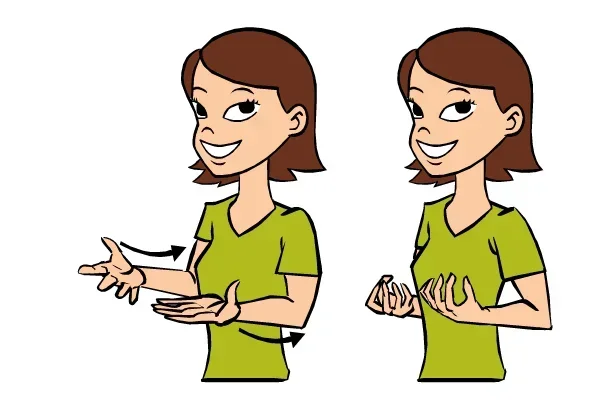
When you search for how to say want in sign language, you will find that the basic sign is straightforward and natural. In American Sign Language, the sign for “want” involves both hands moving forward toward your body. It looks like you are pulling something desirable toward yourself. The movement is smooth, deliberate, and easy to follow.
The Basic Hand Movement
Start with your hands open, palms facing up, fingers slightly spread. Hold them at chest level. Then move both hands forward a few inches and pull them back toward your torso. The motion should feel like you are reaching for something you really desire. Think of it as inviting something good into your space. That is the core of the sign.
Keep your movements relaxed. Do not clench your fists or tense your fingers. The open hand shape is what makes the sign clear and readable. If your hands are too tight, the meaning can get lost. A gentle, open gesture speaks louder than force.
How Context Changes the Meaning
Here is something important to understand. The meaning of any sign can shift depending on the situation. This is similar to the in situ meaning idea, where a word or gesture takes on different shades of meaning based on its natural setting. When you sign “want,” your facial expression and the situation around you help shape exactly what you mean.
For example, signing “want” with wide eyes and an open mouth might mean you really desire something. The same hand motion with a calm expression could simply indicate a preference. Context is everything in sign language. Your hands do the work, but your face gives the sign its full flavor.
Step-by-Step Guide to Signing “Want”
Now that you understand the basics, let us break down the exact steps. Follow along slowly and repeat each movement a few times. Muscle memory builds fast when you practice with intention.
Step 1: Get Into the Right Starting Position
Stand or sit comfortably. Relax your shoulders. Hold both hands in front of your chest, palms up, fingers gently extended. This is your neutral starting position. Think of it as the “ready” position before you begin the sign. Your hands should feel natural, not stiff or forced.
Step 2: Make the Forward-Pulling Motion
Now move both hands forward about four to six inches. Then pull them back toward your body. The motion should be smooth and controlled. Imagine you are pulling a warm, comforting blanket toward you. That gentle tug is the heart of the sign for “want.”
Step 3: Add Facial Expressions
This is where many beginners skip steps. Do not! Your face adds layers of meaning. When you pull your hands back, let your expression show desire. Slightly raise your eyebrows. Part your lips a little. These small cues make your signing clearer and more natural. They tell your communication partner exactly what you mean.
Step 4: Practice the Full Flow
Put it all together. Start position, forward motion, pull back, facial expression. Repeat this five times in a row. Then take a break. Come back and do it again. Within a few sessions, the motion will feel automatic. That is when you know you have got it.
Using “Want” in Everyday Conversations
Knowing how to say want in sign language is one thing. Using it naturally in conversation is another. The good news is that this sign fits into countless real-life situations. You can use it at home, at the store, with friends, or with children. It is one of the most versatile signs in the sign language dictionary.
Building Full Sentences with the Sign
The “want” sign rarely stands alone. It works best when combined with other basic signs. For example, you can sign “want” followed by “eat” to say you are hungry. You can sign “want” and then “play” to express a desire for fun. The possibilities are endless.
Here are a few simple sentence combinations to try:
- Want + Eat: I want to eat.
- Want + Go: I want to go outside.
- Want + Help: I want help with this.
- Want + Toy: I want that toy.
- Want + Sleep: I want to sleep now.
Each combination follows the same pattern. Sign “want” first, then the next sign. Keep your movements clear and your expressions engaged. Over time, these combinations will start to feel like second nature.
Baby Sign Language and Early Learning
One of the most rewarding uses of the “want” sign is in baby sign language. Infants as young as six months can learn to sign “want” before they can speak. This simple gesture gives babies a way to express their needs and reduces frustration for both parents and children. When a baby signs “want” and points toward a bottle or a toy, the connection is instant and powerful.
Teaching baby sign language builds early language development skills. It also strengthens the bond between parent and child. The “want” sign is often the first sign parents teach because it addresses a universal, everyday need. For more on how meanings work in natural settings, check out our guide on in situ meaning to understand how context shapes early communication.
When you teach a baby the “want” sign, keep sessions short and playful. Use the sign during real moments, like mealtime or playtime. Repetition is your best friend. The more the baby sees the sign in context, the faster they will pick it up.
Common Mistakes People Make When Signing “Want”
Even the most eager learners make mistakes. The good news is that most of them are easy to fix. Here are the most common errors people make when learning how to say want in sign language, along with simple corrections.
- Clenching the fists: The sign requires open hands. Tight fists make the sign hard to read and can look aggressive.
- Skipping facial expressions: Your face carries half the meaning. Without expression, the sign feels flat and unclear.
- Moving too fast: Rushing through the motion makes it sloppy. Slow down and let each part of the sign be visible.
- Hiding your hands: Keep your gestures in front of your body where others can see them. Signing behind your back or below your waist makes it hard to read.
- Using only one hand: The standard “want” sign uses both hands. While some variations exist, two hands make the sign clearer and more recognizable.
Avoiding these mistakes will sharpen your signing fast. Focus on one correction at a time. Do not try to fix everything at once. Small, steady improvements lead to big results.
Tips for Practicing and Remembering the Sign
Consistency beats intensity when it comes to learning sign language. A few minutes of daily practice works better than one long session per week. Here are some practical tips to help you lock in the “want” sign and build lasting communication skills.
- Practice in front of a mirror. Watching yourself sign helps you spot mistakes and refine your hand shape. It also builds confidence when you see the sign looking clear and natural.
- Use it in real life every day. The next time you want something, sign it out loud or in silence. Whether you are at home or in a public space, real-world practice is the fastest way to improve.
- Find a signing partner. Practice with a friend, family member, or online community. Interactive signing makes the learning process fun and social. It also gives you immediate feedback.
- Watch ASL videos regularly. Exposure to native signers helps you pick up rhythm, speed, and natural expression. Aim for at least ten minutes of watching per day.
- Keep a signing journal. Write down new signs you learn. Note how they feel and what context you practiced them in. This simple habit reinforces memory and tracks your progress.
Why Learning This Sign Matters for Communication
Sign language is more than a tool for the deaf community. It is a bridge. When you learn even a few basic signs, you open yourself up to a richer, more inclusive way of connecting with others. The “want” sign is a perfect starting point because it is simple, universal, and deeply practical.
In the deaf community, clear expressive signs like “want” make conversations smoother and more respectful. When you use the correct form, you show that you care about accurate communication. That small effort goes a long way in building trust and rapport.
Beyond the deaf community, nonverbal communication skills are valuable everywhere. In workplaces, classrooms, and social settings, the ability to convey meaning without words makes you a more effective communicator. The “want” sign is just the beginning of a journey into a richer, more expressive way of connecting with people.
Remember, every expert was once a beginner. The fact that you are learning how to say want in sign language puts you ahead of most people. Keep going. Keep practicing. Keep connecting.
Conclusion
Learning how to say want in sign language is a small investment with big returns. You now know the hand movements, the facial expressions, and the common mistakes to avoid. You have practical steps to build the sign into your daily routine. You also understand how this sign fits into larger conversations and early language development.
The “want” sign is more than a single gesture. It is a gateway to better communication skills and deeper human connection. Whether you are signing with a baby, a friend, or a stranger, this one sign carries real weight. Use it often. Use it with confidence. And keep building your sign language vocabulary one sign at a time.
Start today. Sign “want” right now. Feel the motion. See how natural it feels. That is the beauty of gesture-based communication once it clicks. You are already on your way.
Frequently Asked Questions
Is the “want” sign the same in all types of sign language?
The basic concept is similar across many sign languages, but the exact hand shape and motion can vary. In American Sign Language, the “want” sign uses both open hands pulling toward the chest. Other sign languages may use slightly different movements. If you are learning a specific sign language, always check with native resources or a qualified instructor for the most accurate version.
Can I learn the “want” sign even if I have never signed before?
Absolutely. The “want” sign is one of the easiest and most beginner-friendly signs in any sign language system. You do not need any prior experience. Just follow the steps in this guide, practice for a few minutes each day, and you will pick it up quickly. The key is to stay patient and consistent.
How long does it take to memorize the “want” sign?
Most people can learn the basic “want” sign in just a few minutes of focused practice. However, building the muscle memory to use it naturally in conversation takes a little longer. With daily practice over one to two weeks, the sign will start to feel effortless and automatic. Repetition is the secret ingredient.
Can babies really learn to sign “want” before they can speak?
Yes, babies can learn the “want” sign as early as six to eight months old. Since the hand movement is simple and the desire to express needs is strong, most babies pick it up quickly. Signing “want” gives babies a voice before words arrive, which reduces frustration and boosts early language development in meaningful ways.
Do I need to use facial expressions every time I sign “want”?
Facial expressions are a core part of sign language grammar. While you can technically sign “want” without them, adding expressions makes your meaning much clearer. In real conversations, your face helps your communication partner understand the intensity and emotion behind the sign. Think of your face as the punctuation that gives your signs their full meaning.
What other basic signs should I learn after “want”?
After mastering “want,” great next steps include signs like “eat,” “drink,” “help,” “more,” and “please.” These signs are all high-frequency and easy to combine with “want” for full sentences. Building a small vocabulary of basic signs gives you a strong foundation for everyday interactive signing and meaningful conversations with deaf and hard-of-hearing individuals.



