
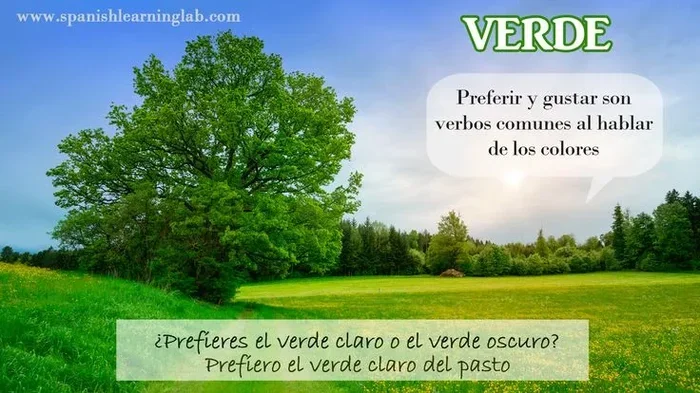

Learning how to say green in Spanish is simple and quick once you know the word “verde.” Whether you are traveling to a Spanish-speaking country, ordering food, or expanding your language skills, knowing this basic color term opens up everyday conversations. This guide walks you through the pronunciation, common phrases, and fun ways to practice how to say green in Spanish with confidence and ease.
Key Takeaways
- Remember how to say green in Spanish: The word is “verde.”
- Pronounce it correctly: Say “VER-deh” with a soft ‘d’ and stress on the first syllable.
- Use it with any noun: “Verde” works for all genders and plurals.
- Learn common phrases: “Verde que te quiero verde” shows the word’s cultural depth.
- Explore regional variations: Some Spanish speakers use “verde” differently in everyday slang.
- Practice daily: Describe objects around you using “verde” to build fluency.
📑 Table of Contents
- How to Say Green in Spanish Easily and Confidently
- Why Knowing How to Say Green in Spanish Matters
- The Word for Green in Spanish: Verde
- How to Pronounce Verde Correctly
- Using Green in Spanish Sentences and Phrases
- Different Shades of Green in Spanish
- Common Mistakes When Saying Green in Spanish
- Expert Tips to Master Verde in Everyday Conversation
- Key Takeaways
- Conclusion
How to Say Green in Spanish Easily and Confidently
Learning how to say green in Spanish is one of those small wins that makes a huge difference when you start speaking a new language. The Spanish word for green is verde — simple, short, and used everywhere. But there is more to it than just one word. Spanish uses color vocabulary differently from English, and you need to understand pronunciation, grammar rules, and common phrases to use it like a native. This guide gives you everything you need. You will learn the word itself, how to say it out loud, how to use it in real sentences, and even the different shades of green in Spanish. By the end, you will feel confident and ready to use this essential Spanish vocabulary in everyday conversation.
Why Knowing How to Say Green in Spanish Matters
Colors are some of the first words people learn in any new language. They come up all the time. You need them when shopping, giving directions, describing objects, or even talking about your feelings. Green in Spanish is no exception. Whether you are at a farmer market pointing out green apples or describing a beautiful green landscape, verde will be on your lips.
Here is why mastering this word early:
- It appears in daily conversations. People describe things by color constantly.
- It helps with grammar. Color words in Spanish change based on the noun they describe. Learning verde teaches you about masculine and feminine agreement.
- It builds confidence. Nailing a simple color word early makes you braver about speaking conversational Spanish.
- It opens doors. Green appears in idioms, slang, and cultural references across Spanish-speaking countries.
So if you have been wondering how to work this word into your language learning journey, you are in the right place.
The Word for Green in Spanish: Verde
The direct translation of green in Spanish is verde. It is pronounced “BER-deh.” That is it. One word, and it works in almost every context. But like many Spanish grammar topics, there are a few rules you need to follow.
Verde as an Adjective
In Spanish, color words act as adjectives. This means they must match the noun they describe in both gender and number. This is called noun agreement. Here is how it works:
- El árbol verde — The green tree (masculine singular)
- La hoja verde — The green leaf (feminine singular)
- Los coches verdes — The green cars (masculine plural)
- Las plantas verdes — The green plants (feminine plural)
Notice that verde stays the same in the plural form. It does not add a second “e” like some other adjectives. This is one of the easiest color words to master in Spanish.
Verde as a Noun
You can also use verde as a noun to refer to the color itself:
- Me gusta el verde. — I like the color green.
- El verde de sus ojos — The green of her eyes.
When used as a noun, it often pairs with the article el regardless of what is being described. This is a small detail, but it makes a big difference in sounding natural.
How to Pronounce Verde Correctly
Pronunciation is where many learners trip up. The good news is that verde is pretty straightforward. Let us break it down.
- V — Say it like a soft “b” sound in Spanish. Do not use the hard English “v.”
- e — Pronounce it like “beh,” similar to the “e” in “bed.”
- r — This is a single tap of the tongue against the roof of your mouth. Not the strong rolling “r” you use elsewhere.
- d — In Spanish, this “d” is often softened to sound like a “th” in some dialects. But a regular “d” is perfectly fine for learners.
- e — End with a clear “eh” sound.
Put it all together: BER-deh. Practice saying it slowly, then speed up. Once you feel comfortable, try it in a full sentence. You will be surprised how quickly this everyday Spanish word becomes second nature.
Quick Tip: Listen to native speakers on YouTube or language apps. Mimicking real voices helps you pick up the rhythm and flow much faster than reading alone.
Using Green in Spanish Sentences and Phrases
Knowing a word is one thing. Using it in real phrases is another. Here are some practical examples you can use right away.
Basic Everyday Phrases
- La camisa es verde. — The shirt is green.
- Quiero algo verde. — I want something green.
- El semáforo está en verde. — The traffic light is green.
- Tengo una bolsita verde. — I have a small green bag.
- Mi color favorito es el verde. — My favorite color is green.
Green in Descriptive Sentences
Descriptive sentences are where verde really shines. You can describe anything from food to fashion to nature:
- Los guacamole están verdes. — The guacamole is green.
- Ella lleva un vestido verde hermoso. — She is wearing a beautiful green dress.
- El campo está lleno de verde. — The field is full of green.
As you practice, try describing things around you in Spanish. That green mug on your desk? La taza verde. That green car in the parking lot? El coche verde. Small daily habits like this build real bilingual fluency.
Colors in Pet Names and Animals
Colors like green come up a lot when talking about pets. If you are exploring Spanish pet names, you might find yourself describing a pet’s color. For instance, if you have a green-themed name in mind for a cat, you might browse resources like Spanish Cat Names for creative ideas. Many pet owners choose names based on fur color or personality traits, and color vocabulary plays a big role in that process.
Similarly, if you are naming a rabbit or looking at Spanish Rabbit Names, you will notice that color words frequently appear. A pet with green eyes or a green collar tag might inspire a name. Even when browsing Spanish Teddy Bear Names, color-based names remain popular. These real-world contexts show how verde and other color words naturally fit into everyday life beyond just textbook exercises.
Different Shades of Green in Spanish
English has many specific words for different greens — lime, olive, forest, mint. Spanish handles this a bit differently. Instead of inventing entirely new words, Spanish often combines verde with descriptive nouns or uses specific terms for well-known shades.
Common Shades and How to Say Them
- Verde lima — Lime green
- Verde oliva — Olive green
- Verde bosque — Forest green
- Verde menta — Mint green
- Verde esmeralda — Emerald green
- Verde oscuro — Dark green
- Verde claro — Light green
As you can see, the base word verde stays the same. You simply add a descriptive word to specify the shade. This makes it very easy to express yourself once you know the basics.
Comparison Table: Light, Dark, and Specific Shades
| English | Spanish | Pronunciation |
|---|---|---|
| Light green | Verde claro | BER-deh KLA-ro |
| Dark green | Verde oscuro | BER-deh os-KOO-ro |
| Lime green | Verde lima | BER-deh LEE-ma |
| Forest green | Verde bosque | BER-deh bos-KE |
| Mint green | Verde menta | BER-deh MEN-ta |
| Emerald green | Verde esmeralda | BER-deh es-me-RAHL-da |
This approach of combining verde with other words is a smart language tip. Instead of memorizing dozens of new words, you just learn a few modifiers. The same pattern works for other color words in Spanish too.
Common Mistakes When Saying Green in Spanish
Even simple words can trip you up. Here are the most common mistakes English speakers make when using green in Spanish.
Forgetting Gender Agreement
This is the number one error. Remember, verde does not change form, but the article and noun around it must match. Saying el verde casa instead of la casa verde sounds wrong. Always make sure the adjective fits the noun.
Using Verde as an Invariable Adjective
Some learners think all adjectives work like verde — staying the same in plural form. That is not true. Words like grande and bonito do change. Do not apply the verde rule to every adjective. It only applies to colors ending in “-e” or certain consonants.
Mispronouncing the V
English speakers often say “VUR-deh” with a strong “v” sound. In Spanish, the “v” is pronounced more like a “b.” Keep it soft. This small adjustment instantly makes your spoken Spanish sound more natural.
Mixing Up Verde and Verdad
Verde means green. Verdad means truth. They sound similar but mean very different things. Mixing them up can lead to some funny moments. Always double-check before you speak, especially in important conversations.
Expert Tips to Master Verde in Everyday Conversation
Here are some tried-and-true strategies to help you lock in verde and other color words so they stick.
Immerse Yourself in Context
The best way to learn Spanish vocabulary is through real content. Watch Spanish movies. Listen to Spanish music. Pay attention every time someone describes something as green. The more you hear verde in context, the faster it becomes natural.
Use Flashcards with Real Images
Instead of just writing “green = verde,” pair the word with a picture of something green. Visual memory is powerful. It connects the word to a real object instead of an abstract concept.
Practice by Describing Your World
Every day, try to describe three things you see in Spanish. That green traffic light? Say it out loud. El semáforo está en verde. That green jacket? La chaqueta verde. This kind of active practice builds language fluency faster than passive study ever could.
Learn Green-Related Idioms
Spanish has expressions that use the word verde:
- Verde de envidia — Green with envy
- Estar en verde — To be on good terms (in some contexts)
- Pasar al verde — To go to the extreme (regional slang)
Learning idioms takes your conversational Spanish from textbook-level to real-world ready. Native speakers use these expressions regularly, and understanding them makes you a better listener and talker.
Pair Colors with Numbers and Shapes
One effective language learning technique is combining colors with other vocabulary. Say things like tres círculos verdes (three green circles) or cinco hojas verdes (five green leaves). This reinforces both the color and the grammar rules at the same time.
Key Takeaways
- The word for green in Spanish is verde. It is easy to learn and used constantly.
- Verde does not change form for gender or number, making it one of the simplest color words in Spanish.
- Always match the article and noun around it to the correct gender and number.
- Pronounce it as BER-deh, with a soft “v” sound.
- Use verde combined with modifiers like oscuro, claro, or lima to describe specific shades.
- Practice in real-life contexts to build lasting bilingual skills.
Conclusion
Learning how to say green in Spanish is a small but powerful step in your language learning journey. The word verde is simple to say, easy to remember, and incredibly useful in daily conversation. You now know how to pronounce it, how to use it as an adjective and a noun, how to describe different shades, and how to avoid the most common mistakes. You also have practical tips to keep building your skills beyond just this one word. Green in Spanish is your ticket to more colorful, confident conversations. So go ahead, use verde today, and watch your Spanish vocabulary grow. Practice it in sentences, say it out loud, and soon you will be speaking conversational Spanish with ease and confidence.
Frequently Asked Questions
How do you say green in Spanish?
The word for green in Spanish is verde. It is pronounced “BER-deh” and works for both masculine and feminine nouns. This is the most common and widely used term for the color green in all Spanish-speaking countries.
What is the feminine form of green in Spanish?
The word verde does not change for gender — it stays the same for both masculine and feminine nouns. For example, you say “casa verde” (green house) and “árbol verde” (green tree). However, the article before it changes, such as “la verde” for feminine and “el verde” for masculine.
How do you say dark green in Spanish?
Dark green in Spanish is verde oscuro. You can also say verde oscuroa when describing a feminine noun. This shade is often used when talking about nature, military clothing, or deep forest tones.
How do you say light green in Spanish?
Light green is translated as verde claro in Spanish. It can also be written as verde claroa for feminine nouns. This soft shade is commonly used to describe spring leaves, pastel colors, or light-colored gemstones.
How do you pronounce verde in Spanish?
Verde is pronounced “BER-deh” with a soft “b” sound at the beginning, similar to the English “v.” The “r” is a single tap, not a rolling trill. Practicing this pronunciation will help you say green in Spanish confidently in everyday conversations.
Are there other words related to green in Spanish?
Yes, there are several useful related terms. Verde is the main word, but you may also hear esmeralda for emerald green or verdosco for a greenish or sickly tone. Learning these variations helps you describe shades of green more precisely in Spanish.



