
Knowing how to say can I use the bathroom in Spanish is essential for any traveler or language learner. The most common phrase is “¿Puedo usar el baño?” but there are several polite alternatives that will help you navigate any situation. This guide covers formal and informal options, cultural tips, and practical examples you can use right away.
Imagine you are walking through a busy market in Madrid or waiting in line at a restaurant in Mexico City. Suddenly, you need to find a restroom. Your heart starts racing. You scramble for words. But you freeze. This is exactly why learning how to say can I use the bathroom in Spanish is one of the most practical skills you can build as a language learner.
The good news is that it is simpler than you think. You do not need to be fluent to handle this everyday situation. With just a few key phrases and a little practice, you will be able to ask confidently in any Spanish-speaking country. This guide walks you through every option, from the most formal to the most casual, so you are prepared no matter where you find yourself.
Whether you are planning a vacation, moving to a Spanish-speaking country, or just curious about the language, this article has you covered. We will look at the exact phrases, how to pronounce them, cultural tips, and common mistakes to avoid. Let us dive in and make sure you are never stuck looking for a restroom again.
Key Takeaways
- Multiple ways to ask: There are several phrases to say can I use the bathroom in Spanish, from formal to casual.
- Pronunciation matters: Getting the right stress and sounds helps native speakers understand you faster.
- Politeness is key: Using “por favor” and proper forms shows respect in Spanish-speaking cultures.
- Regional differences exist: Different countries use different words for bathroom, toilet, and restroom.
- Body language helps: Gestures and pointing can supplement your words when needed.
- Practice makes perfect: Repeating these phrases aloud builds confidence for real-world use.
📑 Table of Contents
- Why Knowing How to Say Can I Use the Bathroom in Spanish Matters
- The Most Common Ways to Say Can I Use the Bathroom in Spanish
- Pronunciation Tips for Bathroom Phrases in Spanish
- Regional Differences in Bathroom Vocabulary
- Polite Phrases to Use Alongside Your Bathroom Request
- Common Mistakes When Asking for the Bathroom in Spanish
- Quick Tips for Real-World Success
- Key Takeaways
- Conclusion
Why Knowing How to Say Can I Use the Bathroom in Spanish Matters
Bathroom needs are universal. They do not care about language barriers. When you are traveling or living abroad, the ability to communicate basic needs like this builds your confidence. It also shows respect for the local culture. People appreciate when visitors make even a small effort to speak their language.
There is a big difference between guessing and knowing the right phrase. If you just point or make strange noises, you might get confused looks. But when you say ¿Puedo usar el baño? clearly, people understand you immediately. This small moment of connection can make your entire experience smoother and more enjoyable.
Think about it this way. Learning how to say can I use the bathroom in Spanish is like learning a survival skill. You might not use it every day, but when you need it, you will be so glad you know it. It is one of those phrases that comes in handy at restaurants, airports, shopping malls, parks, and even at someone’s home.
Understanding the Cultural Context
In many Spanish-speaking cultures, politeness goes a long way. People value respectful communication, especially in formal settings. Using the right tone and the proper form of address can change how people respond to you. A simple “por favor” at the end of your request makes a huge difference.
Also, different countries have different comfort levels when it comes to talking about bathroom needs. In some places, it is perfectly normal to ask directly. In others, people might prefer a more indirect approach. Understanding these nuances helps you navigate any situation with ease and grace.
The Most Common Ways to Say Can I Use the Bathroom in Spanish
Now let us get to the good stuff. Here are the most common and useful phrases you can use right away. Each one works in a slightly different context, so pick the one that fits your situation best.
1. ¿Puedo usar el baño?
This is the go-to phrase for most situations. It translates directly to “Can I use the bathroom?” The word baño means bathroom or restroom. This phrase works in almost every Spanish-speaking country. It is polite but not overly formal, making it a safe choice in most settings.
Here is how you can use it in a sentence:
- ¿Puedo usar el baño, por favor? (Can I use the bathroom, please?)
- Disculpe, ¿puedo usar el baño? (Excuse me, can I use the bathroom?)
Notice how adding “por favor” or “disculpe” makes the request even more polite. These small words carry a lot of weight in Spanish-speaking cultures.
2. ¿Dónde está el baño?
This phrase means “Where is the bathroom?” It is incredibly useful when you are in a new place and do not know where the restroom is. Instead of asking permission, you are asking for directions. Both questions are essential to know.
You might hear this phrase at hotels, restaurants, or shopping centers. Staff members hear it all the time, so do not worry about being a bother. People are generally happy to help you find the baño.
3. ¿Me permite usar el servicio?
This is a more formal way to ask. It translates to “May I use the facilities?” The word servicio is a polite way to refer to the restroom without being too direct. This phrase works well in formal restaurants, offices, or when speaking to someone you do not know well.
If you want to sound extra polite and refined, this is the phrase to use. It shows that you understand formal Spanish etiquette. People will respect your effort.
4. ¿Hay un baño cerca de aquí?
This means “Is there a bathroom near here?” It is perfect for when you are exploring a new area and need to find a restroom quickly. The word cerca means “near,” and hay means “there is.” This is a practical phrase for travelers who are always on the go.
Use this one when you are walking around a city, at a park, or in a large building. It gets straight to the point while remaining polite.
Pronunciation Tips for Bathroom Phrases in Spanish
Pronunciation can make or break your ability to communicate. Even if you know the right words, saying them incorrectly might confuse people. Here are some tips to help you sound more natural when you say can I use the bathroom in Spanish.
Breaking Down the Key Words
Let us look at how to pronounce the most important words in these phrases:
- Baño (bathroom): Pronounced “BAH-nyoh.” The “ñ” sounds like the “ny” in “canyon.”
- Puedo (I can): Pronounced “PWEH-doh.” The “p” is soft, and the stress is on the first syllable.
- Usar (to use): Pronounced “oo-SAR.” The stress falls on the second syllable.
- Servicio (service/facilities): Pronounced “ser-BEE-syoh.” The “r” is rolled softly.
- Permite (allows): Pronounced “per-MEE-teh.” Each syllable gets equal weight.
Common Pronunciation Mistakes to Avoid
Many English speakers make the same mistakes when speaking Spanish. Here are a few to watch out for:
- Rolling the “r” too hard: You do not need a strong trill. A soft tap is enough.
- Skipping the “ñ”: This letter is unique to Spanish. Practice saying “ny” until it feels natural.
- Stressing the wrong syllable: Spanish words follow predictable stress patterns. Pay attention to where the emphasis goes.
- Speaking too fast: Slow down. Clarity matters more than speed.
If you practice these words a few times each day, your pronunciation will improve quickly. Try saying them out loud in front of a mirror or record yourself on your phone. Hearing your own voice helps you spot areas for improvement.
Regional Differences in Bathroom Vocabulary
One of the most interesting things about the Spanish language is how it varies from country to country. The way people talk about bathrooms changes depending on where you are. Understanding these differences helps you communicate more effectively and avoid confusion.
Spain vs. Latin America
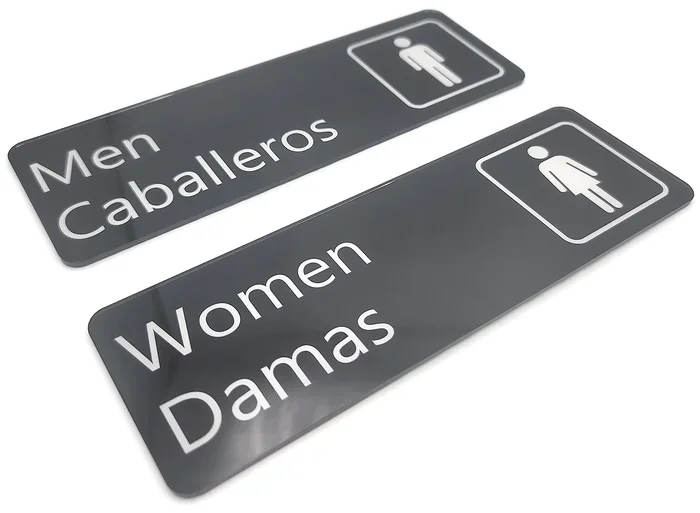
In Spain, people commonly use the word baño for bathroom. You might also hear “servicio” in formal settings. In Latin America, “baño” is widely used too, but some countries have their own unique terms.
For example, in Mexico, you might hear “sanitario” or “servicio” more often. In Argentina, people sometimes use “baño” but also “retrete” in casual conversation. In Colombia, “baño” is standard, but you might also hear “cuarto de baño” which means “bathroom room.”
Slang and Informal Terms
Every language has informal or slang terms for the bathroom. In Spanish, some of these include:
- Servicio – used widely across Latin America
- Sanitario – common in Mexico and Central America
- Retrete – used in some South American countries
- Letrina – a more old-fashioned term
These terms are perfectly fine in casual settings. However, if you are in a formal situation, stick with “baño” or “servicio” to sound more polite and respectful.
When you are learning Spanish, exploring these regional differences is fascinating. It connects you to the culture and helps you understand how people actually speak on the street. If you are also interested in how names work in Spanish, you might enjoy learning about Spanish cat names or even Spanish rabbit names to see how the language handles different word categories.
Polite Phrases to Use Alongside Your Bathroom Request
Asking for the bathroom is just one part of the interaction. How you frame your request matters just as much. Using polite phrases shows respect and makes people more willing to help you.
Essential Polite Expressions
Here are some phrases that pair well with your bathroom request:
- Disculpe – Excuse me (formal)
- Perdón – Sorry / Excuse me (informal)
- Por favor – Please
- Con permiso – With your permission / Excuse me
- Lo siento – I am sorry
Using even one of these phrases before or after your request changes the tone completely. People respond better when they feel respected. This is especially important in formal settings like restaurants, hotels, or someone’s home.
Putting It All Together
Here are some complete example sentences you can use in real situations:
- Disculpe, ¿puedo usar el baño, por favor? (Excuse me, can I use the bathroom, please?)
- Perdón, ¿dónde está el baño más cercano? (Sorry, where is the nearest bathroom?)
- Con permiso, ¿me permite usar el servicio? (With your permission, may I use the facilities?)
- Lo siento, ¿hay un baño cerca de aquí? (I am sorry, is there a bathroom near here?)
Notice how each sentence starts with a polite expression and ends with “por favor” or another courteous word. This pattern works in almost every situation you will encounter.
Common Mistakes When Asking for the Bathroom in Spanish
Even the most enthusiastic language learners make mistakes. The good news is that most of these mistakes are easy to avoid. Here are some common errors to watch out for.
Using the Wrong Word for Bathroom
Some English speakers try to translate “bathroom” directly and end up using a word that means something completely different. For example, “baño” can also mean “bath” (as in taking a bath). When you say “¿Puedo usar el baño?” everyone understands you mean the restroom, not a bathtub. But using the wrong word in other contexts can lead to confusion.
Skipping Politeness Markers
In English, you might say “Can I use the bathroom?” without thinking twice. In Spanish, skipping “por favor” or “disculpe” can come across as blunt or even rude. Always include at least one polite marker when making requests.
Getting Confused by Regional Terms
As we discussed earlier, different regions use different words. If you learn “baño” and then hear “retrete” in Argentina, do not panic. They mean the same thing. Just stay flexible and keep learning.
Speaking Too Fast or Too Soft
Nervousness can make you speak too quickly or too quietly. Both habits make it harder for people to understand you. Take a breath. Speak clearly. You will be surprised how much better people understand you when you slow down.
If you want to dive deeper into how location and context work in language, understanding the in situ meaning can give you great insight into how words change based on where and how they are used.
Quick Tips for Real-World Success
Here are some practical tips to help you use these phrases confidently in real life:
- Practice before you travel: Say the phrases out loud at least five times a day for a week before your trip.
- Use flashcards: Write each phrase on one side and the English meaning on the other. Quiz yourself daily.
- Watch Spanish videos: Listening to native speakers helps you pick up natural pronunciation and rhythm.
- Stay calm: Most people are patient and happy to help. Do not stress if you make a mistake.
- Carry a phrasebook: Even in the digital age, a small phrasebook can be a lifesaver when your phone dies.
- Learn the gesture: Pointing to your stomach or making a subtle hand gesture can supplement your words when needed.
These tips might seem simple, but they make a real difference. The more prepared you are, the more confident you will feel when the moment comes.
For those who enjoy learning through fun and creative approaches, exploring topics like Spanish teddy bear names can be a fun way to build your Spanish vocabulary in a low-pressure way. It helps you get comfortable with how Spanish words sound and flow.
Key Takeaways
- Multiple ways to ask: There are several phrases to say can I use the bathroom in Spanish, from formal to casual.
- Pronunciation matters: Getting the right stress and sounds helps native speakers understand you faster.
- Politeness is key: Using “por favor” and proper forms shows respect in Spanish-speaking cultures.
- Regional differences exist: Different countries use different words for bathroom, toilet, and restroom.
- Body language helps: Gestures and pointing can supplement your words when needed.
- Practice makes perfect: Repeating these phrases aloud builds confidence for real-world use.
Conclusion
Learning how to say can I use the bathroom in Spanish is one of the most practical and rewarding skills you can develop. It opens doors, builds confidence, and shows respect for the culture and people you are interacting with. Whether you use “¿Puedo usar el baño?” or the more formal “¿Me permite usar el servicio?”, you will be understood and appreciated.
The key is to practice regularly, stay curious about regional differences, and always lead with politeness. Language is about connection, and even a simple bathroom request can become a meaningful moment of communication. So go ahead, practice these phrases today, and the next time you find yourself in a Spanish-speaking country, you will be ready.
Remember, every expert was once a beginner. Your willingness to learn and try is already a huge step. Keep practicing, keep exploring, and most importantly, keep enjoying the journey of learning Spanish.
Frequently Asked Questions
What is the most common way to ask for the bathroom in Spanish?
The most common phrase is ¿Puedo usar el baño? which means “Can I use the bathroom?” It works in almost every Spanish-speaking country and is polite enough for most situations. Adding “por favor” at the end makes it even more courteous.
Is it rude to ask for the bathroom directly in Spanish?
No, it is not rude as long as you use polite expressions like “disculpe” or “por favor.” Spanish-speaking cultures appreciate directness when it is paired with respect. Simply saying “¿Puedo usar el baño, por favor?” is perfectly appropriate in any setting.
What is the difference between baño and servicio in Spanish?
Baño is the most common and widely understood word for bathroom or restroom. Servicio is a more formal or polite way to refer to the same thing. “Servicio” is often used in restaurants, hotels, and formal settings to sound more refined.
Do Spanish-speaking countries use different words for bathroom?
Yes, there are regional differences. While “baño” is understood everywhere, some countries prefer other terms. For example, “sanitario” is common in Mexico, and “retrete” is used in parts of South America. However, “baño” remains the safest and most universal choice.
Can I use gestures instead of words when asking for the bathroom?
Gestures can help supplement your words, but they should not replace them. Pointing or making a subtle hand motion can clarify your request, especially if there is a language barrier. However, learning the actual phrases shows respect and effort that people truly appreciate.
How can I practice these phrases effectively?
Say them out loud every day, use flashcards, watch Spanish-language videos, and try practicing with a language partner. The more you hear and repeat these phrases, the more natural they will feel. Even practicing in front of a mirror for five minutes a day can make a big difference.