
Learning how to say goodnight in german opens a door to deeper cultural connections and everyday conversations. From the classic “Gute Nacht” to softer alternatives like “Gute Nacht, mein Schatz,” you will discover multiple ways to wish someone well at bedtime. This guide covers pronunciation, cultural context, and practical examples so you can use the right phrase in any situation.
Key Takeaways
- Core Phrase: “Gute Nacht” is the standard way to say goodnight in german and works in most settings.
- Warm Alternatives: Phrases like “Schlaf gut” and “Gute Nacht, mein Schatz” add tenderness and closeness.
- Cultural Nuance: Germans often pair goodnight wishes with small gestures that reflect genuine care.
- Pronunciation Matters: Getting the guttural “ch” and vowel sounds right helps you sound natural.
- Context Is Key: Formal and informal settings call for different phrases and tones.
- Bonus Vocabulary: Related bedtime words expand your german conversational skills beyond just goodnight.
📑 Table of Contents
- How to Say Goodnight in German Like a True Native
- The Most Common Ways to Say Goodnight in German
- Formal vs. Informal Goodnight Phrases in German
- Cultural Tips for Saying Goodnight in German
- Pronunciation Guide: Breaking Down the Sounds
- Quick Tips to Sound Like a Native
- Common Mistakes to Avoid
- Expanding Your German Goodnight Vocabulary
- How to Practice Saying Goodnight in German Every Day
- Final Thoughts on Saying Goodnight in German
How to Say Goodnight in German Like a True Native
Saying goodnight in german is simpler than you might think. The most common phrase, “Gute Nacht,” translates directly to “good night.” But there is so much more to explore. Native speakers use a variety of expressions depending on who they are talking to and the mood of the moment. Whether you are texting a friend, tucking a child into bed, or wrapping up a conversation with a colleague, the right phrase makes all the difference.
When you learn how to say goodnight in german the natural way, you pick up on cultural subtleties too. Germans value sincerity, and their goodnight wishes often carry genuine warmth. Even a simple phrase said with the right tone can feel deeply personal. This guide walks you through every option, from the most basic to the most heartfelt.
Why Pronunciation Matters
Getting the sounds right helps you come across as confident. German pronunciation follows consistent rules, which is actually a relief for English speakers. Let us break down the core phrase first.
“Gute Nacht” breaks into two parts:
- Gute — rhymes roughly with “oo-teh.” The “u” sounds like the “oo” in “food.” The “t” is sharp and crisp.
- Nacht — sounds like “nakht.” The “ch” at the end is a soft, throaty sound. It is not harsh. Think of it as a gentle breath at the back of your throat.
Practice saying it slowly at first. “Goo-teh Nakht.” Once that feels comfortable, speed up naturally. Native speakers blend the words smoothly.
Here is a quick tip: if you have ever said “Bach” or “loch,” you already know the throaty “ch” sound. Use that same feeling. The more you practice, the more automatic it becomes.
The Most Common Ways to Say Goodnight in German
German offers several ways to wish someone a peaceful night. Each one carries a slightly different feeling. Let us look at the most popular options.
1. Gute Nacht — The Classic
This is the go-to phrase for almost any situation. It works with friends, family, and even in semi-formal settings. When you want to keep things simple and correct, “Gute Nacht” never fails.
Use it when:
- Saying goodnight to a friend over text.
- Bidding farewell at the end of a dinner party.
- Tucking a child into bed.
- Ending a phone call with a german-speaking acquaintance.
It is neutral, polite, and universally understood. You cannot go wrong with this one.
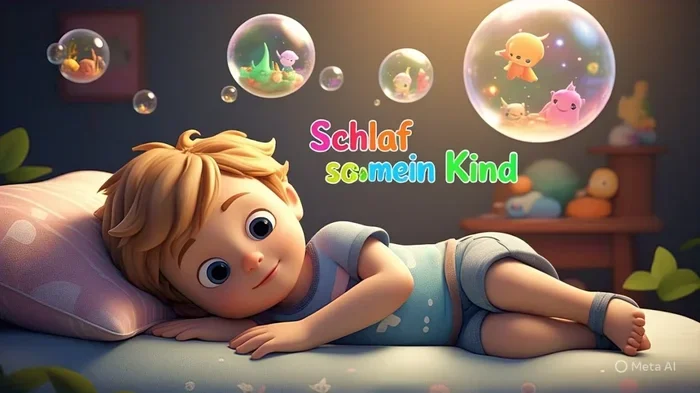
2. Schlaf Gut — Sleep Well
“Schlaf gut” literally means “sleep well.” This phrase feels warmer than a plain “Gute Nacht.” It shows you care about the person’s rest. Germans use it often with loved ones, especially children and close friends.
The pronunciation is straightforward:
- Schlaf — sounds like “shlof.” The “sch” makes a “sh” sound.
- Gut — sounds like “goot.” The “u” is short and round.
Together, it sounds like “Shlof Goot.” Say it with a smile, and it instantly feels cozy.
3. Gute Nacht, Mein Schatz — Goodnight, My Treasure
If you want to add romance or deep affection, “Gute Nacht, mein Schatz” is perfect. “Schatz” means “treasure” or “darling.” Germans use it with partners, spouses, and sometimes with children too.
This phrase works beautifully in intimate settings. Imagine whispering it to a partner before turning off the lights. It carries a sweetness that a plain “Gute Nacht” simply does not have.
4. Träum Schön — Sweet Dreams
“Träum schön” translates to “dream sweetly.” It is a lovely way to end a conversation on a positive note. This phrase is more common among friends and romantic partners.
Pronunciation breakdown:
- Träum — rhymes with “froom.” The “ä” is a soft, open vowel.
- Schön — sounds like “shern.” The “ö” is a rounded vowel, similar to the “u” in “burn.”
Say it gently, and the person will feel truly cared for.
5. Auf Wiedersehen — Until We See Each Other Again
While not strictly a goodnight phrase, “Auf Wiedersehen” works when you are ending an evening together. It means “until we see each other again.” Some Germans prefer this over a direct goodnight wish, especially in formal situations.
However, reserve this for when you actually expect to see the person the next day. It carries a sense of continuity and connection.
Formal vs. Informal Goodnight Phrases in German
German has distinct formal and informal registers, and goodnight wishes are no exception. Understanding this difference helps you avoid awkward moments.
Formal Settings
In professional or semi-formal contexts, keep it simple and respectful. “Gute Nacht” is your safest choice. You might also use:
- “Ich wünsche Ihnen eine gute Nacht.” — “I wish you a good night.” This is polite and appropriate for colleagues or elders.
- “Gute Nacht, Frau Müller.” — Adding a title shows respect.
Notice the use of “Ihnen,” the formal “you.” This small detail signals courtesy and awareness of social boundaries.
Informal Settings
With friends, family, and close acquaintances, you have much more freedom. Try:
- “Schlaf gut, du!” — “Sleep well, you!”
- “Gute Nacht, Liebling.” — “Goodnight, darling.”
- “Bis morgen, schlaf schön.” — “See you tomorrow, sleep well.”
The informal tone feels natural and relaxed. Germans appreciate when you match the energy of the conversation.
Cultural Tips for Saying Goodnight in German
Language is never just words. It carries culture, habit, and emotion. Understanding the cultural side of German goodnight customs enriches your experience.
Germans Value Sincerity
A genuine “Gute Nacht” spoken with eye contact means more than any fancy phrase. Germans tend to prefer authenticity over elaborate language. A simple wish, said honestly, lands perfectly.
When learning how to say goodnight in german, focus on sincerity first. The words are just the vehicle. The feeling behind them matters most.
Bedtime Routines Matter
In many German households, a consistent bedtime routine is important. Parents say goodnight to children at a set time. Partners often exchange a quiet wish before turning off the lights. This ritual creates a sense of stability and warmth.
If you are staying with a german-speaking family, joining this tradition — even with basic German — shows respect and willingness to connect.
The Role of “In Situ” Usage
When you learn a phrase in situ — meaning in its real-life context — you absorb it faster. Instead of just memorizing “Gute Nacht” from a list, try using it in an actual conversation. Watch how native speakers say it, when they say it, and what tone they use. This immersive approach builds confidence and natural fluency.
Similarly, if you are naming a pet — perhaps a German Shepherd — using German words and phrases in daily life reinforces your learning. The more you surround yourself with the language, the more instinctive it becomes.
Pronunciation Guide: Breaking Down the Sounds
English speakers sometimes struggle with certain German sounds. Here is a focused guide for the most common goodnight phrases.
| Phrase | Phonetic Approximation | Key Sound to Master |
|---|---|---|
| Gute Nacht | Goo-teh Nakht | The throaty “ch” in Nacht |
| Schlaf gut | Shlof Goot | The “sh” in Schlaf |
| Träum schön | Froom Shern | The rounded “ö” in schön |
| Gute Nacht, mein Schatz | Goo-teh Nakht, mine Shats | The “ch” in Schatz |
Do not worry about sounding perfect right away. Even a basic attempt is appreciated by german speakers. Most people are delighted when someone makes the effort to speak their language.
Quick Tips to Sound Like a Native
Here are practical tips to elevate your goodnight phrases from textbook to natural:
- Listen to native speakers. Watch German shows or listen to podcasts before bed. Pay attention to how people naturally say “Gute Nacht” in real conversations.
- Practice out loud daily. Saying the phrases to yourself builds muscle memory. Try it while brushing your teeth or getting ready for sleep.
- Match the tone to the relationship. A soft “Schlaf gut” for a partner feels different from a cheerful “Gute Nacht!” for a friend.
- Use gestures. A gentle wave or a soft smile adds warmth that words alone cannot convey.
- Do not overthink it. Germans do not expect perfection. A simple, heartfelt wish is always the right choice.
Common Mistakes to Avoid
Even well-intentioned learners sometimes stumble. Here are pitfalls to watch out for:
- Confusing “Gute Nacht” with “Guten Abend.” “Guten Abend” means “good evening” and is used when you first meet someone or start an evening activity. “Gute Nacht” is specifically for bedtime or leaving.
- Forgetting the gender of articles. “Nacht” is feminine, so it takes “Gute” not “Guten.” This is a common error for beginners.
- Using overly casual language with strangers. In formal settings, skip the pet names and stick to polite forms.
- Skipping pronunciation practice. Reading the words without saying them aloud leads to bad habits. Always practice the sounds.
Expanding Your German Goodnight Vocabulary
Once you master the basics, you can explore related expressions that enrich your nighttime vocabulary.
Useful Related Phrases
- “Gute Nacht, meine Liebe.” — Goodnight, my love.
- “Ich hoffe, du hast schöne Träume.” — I hope you have sweet dreams.
- “Ruhe dich aus.” — Rest well.
- “Bis später.” — See you later (for late-night farewells).
- “Schlaf schön.” — Sleep beautifully.
Each of these adds variety to your conversations. You will sound more fluent and natural as you mix and match them based on the situation.
How to Respond to a Goodnight Wish
Knowing what to say back is just as important. Common responses include:
- “Danke, dir auch.” — Thank you, you too.
- “Dir auch gute Nacht.” — Good night to you too.
- “Schlaf gut.” — Sleep well.
- “Danke, du auch.” — Thanks, you too.
These responses are simple but complete the exchange beautifully. They show reciprocity and kindness.
How to Practice Saying Goodnight in German Every Day
Consistency is the secret to mastering any language skill. Here is a simple routine you can follow:
- Morning: Review the phrases once while having your coffee. Read them out loud.
- Afternoon: Write down three goodnight phrases in a notebook. Writing reinforces memory.
- Evening: Say goodnight in german out loud, even if you are alone. Imagine you are speaking to someone you care about.
- Before sleep: Listen to a short german audio clip or podcast. Let the language wash over you as you drift off.
Within a few weeks, these phrases will feel natural. You will not need to think twice before saying them.
Final Thoughts on Saying Goodnight in German
Learning how to say goodnight in german is about more than just vocabulary. It is a small but meaningful way to connect with german speakers and honor their culture. Whether you choose the classic “Gute Nacht,” the warm “Schlaf gut,” or the romantic “Gute Nacht, mein Schatz,” each phrase carries its own charm.
Start with the basics. Practice regularly. Gradually add more phrases to your repertoire. Over time, you will find yourself switching between expressions naturally, just like a native speaker would. The journey of learning a language is filled with these small, rewarding moments — and saying goodnight is one of the most intimate ones.
So tonight, when the evening comes around, try saying “Gute Nacht” out loud. Feel the words in your mouth. Let them carry a little warmth. That is the true spirit of how to say goodnight in german like a true native.
Frequently Asked Questions
What is the most common way to say goodnight in german?
The most common way is “Gute Nacht.” It is universally understood and appropriate for almost any setting. Native speakers use it daily with friends, family, and acquaintances alike.
Is “Gute Nacht” formal or informal?
“Gute Nacht” works in both formal and informal contexts. It is neutral and polite. For more formal situations, you can add a title or use a longer sentence like “Ich wünsche Ihnen eine gute Nacht.”
How do you say sweet dreams in german?
You say “Träum schön” for a casual, warm wish. For a more poetic touch, try “Ich hoffe, du hast schöne Träume,” which means “I hope you have sweet dreams.”
Can you say “Gute Nacht” to someone you are dating?
Absolutely. In fact, adding a term of endearment like “mein Schatz” or “Liebling” makes it more personal. “Gute Nacht, mein Schatz” is a lovely way to end a date or a phone call.
What is the difference between “Gute Nacht” and “Guten Abend”?
“Guten Abend” means “good evening” and is used when greeting someone in the early evening. “Gute Nacht” is specifically for bedtime or when you are ending the day and going to sleep.
How can I improve my german pronunciation quickly?
Listen to native speakers regularly and repeat phrases out loud. Focus on the guttural “ch” sound and the vowel pronunciations. Daily practice, even for just five minutes, builds confidence fast.
=== CONCLUSION ===
Mastering how to say goodnight in german is a wonderful step in your language journey. From the simple elegance of “Gute Nacht” to the tender warmth of “Schlaf gut, mein Schatz,” each phrase opens a window into german culture and daily life. Practice them often, use them with sincerity, and you will soon find yourself saying goodnight in german without a second thought. The night is calling — answer it in german tonight.