
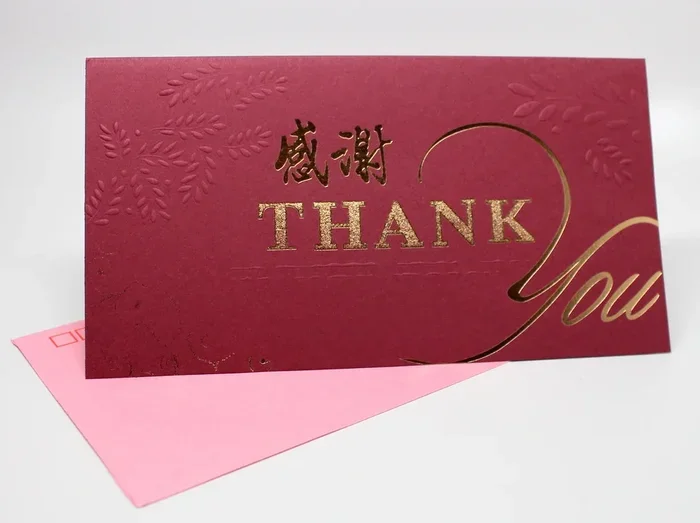

Learning how to say thank you in Chinese opens doors to real conversations and deeper cultural connections. The most common phrase is xiexie, but native speakers use many variations depending on the situation, formality, and relationship. This guide breaks down every way to say thank you in Chinese, from casual to formal, with pronunciation tips and cultural context.
Have you ever found yourself in China, or chatting with a Chinese friend, and wanted to say thank you but felt stuck? You are not alone. Learning how to say thank you in Chinese is one of the first steps every language learner takes. But here is the thing — it is not just one phrase. There are many ways to express gratitude, and each one fits a different situation.
This guide walks you through every common and useful way to say thank you in Chinese. We cover pronunciation, tone, formality, and even how to respond when someone thanks you. By the end, you will sound more like a native speaker and less like a textbook. Let us dive in.
Key Takeaways
- Xiexie (谢谢) is the go-to thank you: It works in almost every everyday situation and is the first phrase every learner should master.
- Formality matters in Chinese gratitude: Using the right level of formality shows respect and cultural awareness.
- Pronunciation makes a big difference: Getting the tones right helps you sound more natural and avoids misunderstandings.
- There are many ways to say thank you in Chinese: From casual thanks to deeply formal expressions, the options are rich and varied.
- Responding to thank you is its own skill: Knowing how to reply when someone thanks you keeps conversations flowing smoothly.
- Cultural context shapes gratitude:Understanding Chinese values around humility and politeness helps you use these phrases with confidence.
📑 Table of Contents
- Why Saying Thank You in Chinese Matters
- The Most Common Way to Say Thank You in Chinese
- Formal Ways to Say Thank You in Chinese
- Casual and Fun Ways to Say Thank You in Chinese
- How to Respond When Someone Says Thank You in Chinese
- Pronunciation Guide for Saying Thank You in Chinese
- Common Mistakes to Avoid When Saying Thank You in Chinese
- Cultural Tips for Expressing Gratitude in Chinese
- Quick Tips for Mastering Thank You Phrases in Chinese
- Final Thoughts
Why Saying Thank You in Chinese Matters
Gratitude is a universal feeling, but how we express it varies wildly across cultures. In English, a simple “thank you” covers almost everything. In Chinese, the way you say thank you changes based on who you are talking to, where you are, and how formal the situation is. Understanding these differences helps you connect with people on a deeper level.
When you make the effort to use the right phrase, people notice. It shows respect. It shows you care about their culture. Even a basic xiexie said with the right tone can make someone’s day. And that is the real power of learning gratitude phrases in any language.
The Chinese approach to politeness is shaped by values like humility, respect, and social harmony. This is something you will see reflected in how thank you works in daily life. If you want to understand the deeper meaning behind these expressions, checking out the in situ meaning of Chinese phrases can give you helpful context about how words work in their real cultural setting.
The Most Common Way to Say Thank You in Chinese
Xiexie (谢谢) — Your Go-To Thank You
Xiexie (谢谢) is the standard way to say thank you in Mandarin Chinese. It is the phrase you will use most often, and it works in nearly every situation. Whether someone holds the door for you, hands you a gift, or helps you carry groceries, xiexie is your safe and reliable choice.
Here is how to break it down:
- Xie (谢) means “to thank” or “to express gratitude.”
- Xie (谢) repeated means emphasis — like saying “thank you thank you.”
- The tone is neutral and friendly, making it perfect for casual and semi-formal settings.
Pronunciation tip: The word “xie” starts with a sound similar to “sh” in English, followed by a quick “eh” sound. The tone is rising, like asking a yes-or-no question in English. Practice saying “shyeh-shyeh” slowly, then speed up as you get comfortable.
One thing to keep in mind — xiexie works great for everyday use, but it is not the only option. As you get more comfortable, you will want to expand your toolkit.
Formal Ways to Say Thank You in Chinese
Xie Xie Nin (谢谢您) — Polite and Respectful
When you want to show extra respect, you add nin (您) to xiexie. The result is xie xie nin (谢谢您). This is the formal version of thank you, and it is perfect for situations like:
- Thanking an elder or someone older than you
- Expressing gratitude to a boss or teacher
- Thanking someone you have just met in a professional setting
- Writing a thank you note or message
The key difference is the use of nin, which is the respectful form of “you.” Using it signals that you recognize the other person’s status and deserve extra courtesy. In situ usage of this phrase is very common in business settings, formal introductions, and polite exchanges with strangers. If you want to understand how language choices shift based on context, the in situ meaning framework helps explain why Chinese speakers switch between informal and formal expressions so naturally.
Feichang Ganxie (非常感谢) — Deep Gratitude
If someone goes above and beyond to help you, xiexie might feel too simple. That is where feichang ganxie (非常感谢) comes in. It means “thank you very much” and carries a stronger emotional weight.
Breakdown:
- Feichang (非常) means “very” or “extremely.”
- Ganxie (感谢) means “to be thankful” or “to express deep gratitude.”
Use this phrase when someone does something truly meaningful for you. It works well in both formal and informal settings, but it especially shines in professional or serious situations where a simple xiexie would feel too light.
Duo Xie (多谢) — Thank You Very Much
Duo xie (多谢) is another popular way to express heavy gratitude. It literally translates to “many thanks.” This phrase is widely used in southern China and in Cantonese-speaking communities, but it is understood across all Mandarin-speaking regions.
You might hear duo xie in these scenarios:
- Someone gives you a generous gift
- A friend goes out of their way to help you
- You want to sound warm and appreciative without being overly formal
It has a slightly more heartfelt feel than xiexie, making it a favorite for personal moments of gratitude.
Casual and Fun Ways to Say Thank You in Chinese
Xie Xie Le (谢谢啦) — Friendly and Casual
Adding le (啦) at the end of xiexie makes it sound friendlier and more relaxed. Xie xie le (谢谢啦) is what you would say to a close friend, a coworker you are comfortable with, or anyone in a casual setting.
Think of le as a softener. It takes the edge off the phrase and makes it feel warm and natural. This is exactly how native speakers talk in everyday life — they add little particles to make their speech feel more personal and less stiff.
Tai Rang Wo Ganjue Hen Gaxi (太让我觉得感谢) — Slang and Modern Expressions
Younger Chinese speakers, especially online, love to use creative and playful ways to say thank you. Some popular slang expressions include:
- Ganxie (感谢) — a straightforward “thanks” used in texting and social media
- Biexie (别谢) — a playful way to say “don’t thank me” but with a warm tone
- Haixi (哈西) — a phonetic slang version used by younger internet users
These expressions are fun and show that you are keeping up with modern Chinese culture. Use them with friends or in casual online conversations. Just be careful — they are not appropriate for formal settings.
How to Respond When Someone Says Thank You in Chinese
Here is something many learners overlook — knowing how to respond to thank you in Chinese is just as important as saying it yourself. In Chinese culture, people often downplay their own efforts when helping others. So when someone thanks you, you will usually hear one of these responses:
- Mei guanxi (没关系) — “It does not matter” or “No problem.” This is the most common reply.
- Bu keqi (不客气) — “You are welcome.” This is the direct equivalent of the English phrase.
- Dangran (当然) — “Of course.” A casual and confident way to brush off thanks.
- Hao de (好的) — “Okay.” A simple and friendly acknowledgment.
Using these responses correctly makes your Chinese sound natural and fluent. It also shows that you understand the conversational rhythm of the language. The way people exchange gratitude in Chinese reflects a broader cultural pattern of humility and mutual respect — something that becomes clear when you look at how words are used in situ in real conversations.
Pronunciation Guide for Saying Thank You in Chinese
Chinese is a tonal language, which means the pitch of your voice changes the meaning of a word. Getting the tones right is essential for being understood. Here is a quick guide to pronouncing the most common thank you phrases:
| Phrase | Pinyin | Tone Pattern | English Meaning |
|---|---|---|---|
| Xiexie | xiè xie | 4th tone + neutral | Thank you |
| Xie Xie Nin | xiè xie nín | 4th + neutral + 2nd | Thank you (formal) |
| Duo Xie | duō xiè | 1st + 4th | Thanks a lot |
| Feichang Ganxie | fēi cháng gǎn xiè | 1st + 2nd + 3rd + 4th | Thank you very much |
| Bu Keqi | bù kè qi | 4th + 4th + neutral | You are welcome |
The most common mistake learners make is getting the first tone of xiexie wrong. It is a falling tone (4th tone), not a flat or rising one. Practice saying it slowly at first. Record yourself and compare with native speakers on apps like Pleco or Forvo.
Quick tip: When in doubt, listen and repeat. Native speakers appreciate the effort, and most will be happy to correct your pronunciation gently. The more you practice, the more natural it will feel.
Common Mistakes to Avoid When Saying Thank You in Chinese
Even with the best intentions, learners sometimes make mistakes that can cause confusion or awkward moments. Here are the most common ones to watch out for:
- Using xiexie in every situation without adjusting formality. While xiexie is versatile, using it with your boss or an elder without the respectful nin can sound too casual.
- Ignoring tones completely. Saying “xiexie” with the wrong tones can lead to misunderstandings. Tones are not optional in Chinese — they are essential.
- Overusing formal phrases in casual settings. Saying feichang ganxie to a friend for passing you a pen might feel overly dramatic. Match the formality to the situation.
- Forgetting to respond when someone thanks you. In Chinese culture, always reply to a thank you with bu keqi or mei guanxi. Ignoring it feels rude.
- Translating directly from English. Phrases like “I thank you very much” do not translate naturally into Chinese. Stick to the established expressions listed above.
Cultural Tips for Expressing Gratitude in Chinese
Language and culture are deeply connected, and Chinese is no exception. Here are a few cultural insights that will help you use thank you phrases more effectively:
- Modesty is valued: Chinese speakers often downplay their own contributions. When someone thanks you, respond with humility rather than pride.
- Actions speak louder than words: Sometimes a small gesture — like offering tea or helping with a task — means more than saying thank you out loud.
- Relationship matters: The closer you are to someone, the more casual your gratitude expressions can be. With strangers or superiors, lean toward politeness.
- Gratitude is reciprocal: Chinese culture emphasizes mutual support. When someone helps you, expressing thanks sincerely strengthens the bond.
Understanding these cultural layers makes your Chinese sound more authentic. It also helps you navigate social situations with confidence and grace. The way gratitude works in Chinese culture reflects deeper values of respect, reciprocity, and social harmony.
Quick Tips for Mastering Thank You Phrases in Chinese
- Start with xiexie: Master this first. It is the foundation of all Chinese gratitude expressions.
- Practice tones daily: Spend five minutes each day repeating thank you phrases out loud.
- Watch Chinese shows: Pay attention to how characters say thank you in different situations. This builds natural intuition.
- Use language exchange apps: Practice with real Chinese speakers who can correct your tone and usage.
- Keep a phrase journal: Write down new thank you expressions and review them weekly.
- Don’t be afraid to make mistakes: Every mistake is a step toward fluency. Native speakers appreciate the effort.
Final Thoughts
Learning how to say thank you in Chinese is about more than just memorizing phrases. It is about understanding a culture that values respect, humility, and genuine connection. From the simple xiexie to the heartfelt feichang ganxie, each expression carries its own weight and meaning.
The best way to improve is to use these phrases in real life. Order food in Mandarin, chat with a Chinese friend, or write a thank you message to a language partner. Every interaction builds your confidence and sharpens your skills. Thank you for reading this guide — now go out there and put your new phrases to good use!
Frequently Asked Questions
What is the easiest way to say thank you in Chinese for beginners?
The easiest and most widely used phrase is xiexie (谢谢). It works in almost every situation, from casual conversations to semi-formal settings. Once you master the pronunciation and tone, you can use it confidently every day.
Is there a difference between xiexie and xie xie nin?
Yes, the difference is formality. Xiexie is standard and casual, while xie xie nin adds the respectful “you” (您) and is appropriate for elders, bosses, and formal situations. Using the right version shows cultural awareness and respect.
How do Chinese people usually respond when you thank them?
The most common responses are bu keqi (不客气), meaning “you are welcome,” and mei guanxi (没关系), meaning “no problem” or “it does not matter.” Both are used frequently in daily conversations and signal warmth and friendliness.
Can I use English thank you phrases when speaking Chinese?
It is always better to use Chinese phrases when you can. It shows respect for the language and culture. However, in tourist areas or with younger speakers, some people may understand English. Making the effort to speak even basic Chinese is greatly appreciated.
Are there regional differences in how people say thank you in Chinese?
Yes, regional dialects like Cantonese have their own thank you expressions, such as do ze (多謝) and m goi (唔該). Mandarin speakers across different regions may also use slightly different casual phrases, but xiexie remains universal.
What tone should I use when saying thank you in Chinese?
A warm and genuine tone works best in most situations. Chinese culture values sincerity, so even a simple xiexie said with a smile and eye contact can make a strong impression. Avoid sounding too stiff or overly dramatic in casual settings.



