
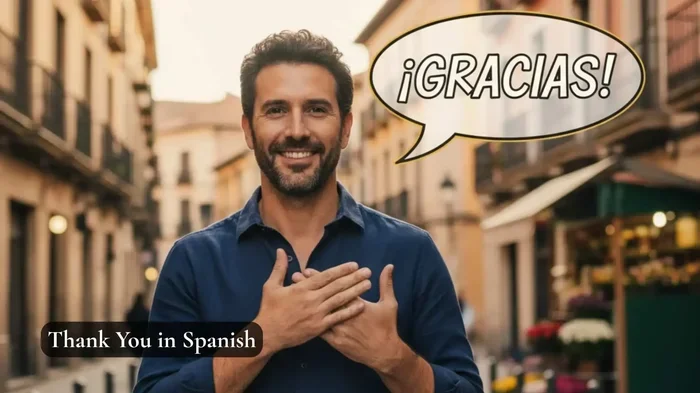

Learning how to say thank you in Spanish goes far beyond just saying “gracias.” From casual chats with friends to formal business settings, the right phrase makes all the difference. This guide covers the most common and heartfelt ways to express gratitude in Spanish, along with cultural tips, responses, and mistakes to avoid. Whether you are traveling or building relationships, you will sound like a native in no time.
Knowing how to say thank you in Spanish opens doors in every Spanish-speaking country you visit. It is one of the first phrases you learn, yet it carries layers of meaning that many beginners miss entirely. A simple “gracias” works, but native speakers use a wide range of expressions that reflect warmth, respect, and genuine appreciation. The right thank you phrase can strengthen friendships, impress colleagues, and make daily interactions feel more human.
This guide walks you through every common way to say thank you in Spanish, from the basics to advanced expressions. You will learn formal and informal options, cultural tips, and how to respond when someone thanks you. We also cover the mistakes most learners make so you can avoid them. By the end, you will have the confidence to express gratitude like a true native speaker.
Key Takeaways
- Gracias is the foundation: It works in almost every situation, but adding words like “muchas” or “de corazón” adds warmth and depth.
- Formal and informal differ: Using “estimado” or “amigo” changes the tone of your thank you depending on who you are speaking to.
- Responses matter too: Knowing how to reply when someone says thank you in Spanish shows true fluency and cultural awareness.
- Body language adds meaning: Tone, eye contact, and a smile can transform a simple thank you into something genuine and memorable.
- Avoid common mistakes: Overusing “gracias” or ignoring regional differences can make your gratitude feel flat or awkward.
- Context shapes everything: The same phrase can carry a different in situ meaning depending on where and how you use it.
- Practice makes perfect: Using these phrases in real conversations will help you internalize them faster than memorization alone.
📑 Table of Contents
- The Most Common Ways to Say Thank You in Spanish
- Formal vs Informal Ways to Say Thank You in Spanish
- Cultural Tips for Saying Thank You in Spanish
- How to Respond When Someone Says Thank You in Spanish
- Common Mistakes to Avoid When Saying Thank You in Spanish
- Quick Tips for Mastering Thank You in Spanish
- Wrapping It All Up
The Most Common Ways to Say Thank You in Spanish
Spanish speakers around the world use several core phrases to show gratitude. Each one fits a different tone and situation. Let us break them down so you know exactly when to use each.
Gracias – The Universal Thank You
Gracias is the single most important word in the Spanish gratitude toolkit. It works everywhere, from a quick nod at a store clerk to a heartfelt moment between friends. The word itself comes from the Latin “gratia,” meaning grace or favor. This gives it a warm, generous feeling that goes beyond a simple translation of “thanks.”
You can say “gracias” in almost any setting. It is short, easy to pronounce, and universally understood. However, using it too often without variation can make your expressions feel flat. That is why expanding your vocabulary matters.
Muchas Gracias – Thank You Very Much
When you want to show a little extra appreciation, muchas gracias is your go-to phrase. It translates directly to “many thanks” and works in both casual and semi-formal settings. You might use it when a friend helps you carry groceries or when a coworker stays late to assist you.
The phrase feels natural and balanced. It is polite without being overly dramatic. Most Spanish learners pick this up early, and for good reason. It bridges the gap between a basic thank you and a deeply emotional expression.
Gracias de Corazón – Thank You from the Heart
If you ever need to express deep gratitude, gracias de corazón is the phrase to use. It literally means “thanks from the heart” and carries strong emotional weight. You might say this to a friend who supported you through a difficult time or to someone who went far above and beyond to help you.
This phrase shows that your gratitude is sincere and personal. It signals to the listener that their actions truly touched you. Use it sparingly, and it will feel powerful and genuine every time.
Formal vs Informal Ways to Say Thank You in Spanish
The way you express gratitude in Spanish changes depending on who you are speaking to. Spanish has formal and informal registers, and choosing the right one shows cultural awareness and respect. Let us explore both sides.
Formal Thank You Phrases for Professional Settings
In professional environments, you want your gratitude to sound polished and respectful. Here are the top formal expressions:
- Le agradezco mucho – I thank you very much (formal “you”)
- Estimado/a, gracias por su ayuda – Dear, thank you for your help
- Le estoy muy agradecido/a – I am very grateful to you
- Aprecio enormemente su apoyo – I greatly appreciate your support
These phrases work well in emails, business meetings, and interactions with people you do not know well. They show professionalism and thoughtfulness. Using the formal “usted” form of address is essential in these contexts.
Casual Thank You Phrases for Friends and Family
With friends, family, and peers, you can relax your language and use warmer, more casual expressions:
- Mil gracias – A thousand thanks
- Te agradezco mucho – I really appreciate you
- ¡Qué amable! – How kind of you!
- Gracias, amigo/a – Thanks, friend
These phrases feel natural and friendly. They match the energy of everyday Spanish conversation. You will hear them constantly in informal settings, and using them yourself will make you sound more fluent and comfortable.
Cultural Tips for Saying Thank You in Spanish
Saying thank you in Spanish is not just about words. Culture plays a huge role in how gratitude is expressed and received. Understanding these nuances helps you connect more deeply with native speakers.
How Context Changes Your Thank You
Every phrase carries a different weight depending on the situation. The in situ meaning of your thank you matters just as much as the words themselves. For example, saying “gracias” with a smile after someone holds a door feels completely different from saying it after receiving a major favor.
Native speakers read your tone, your facial expression, and even your body language to understand the depth of your gratitude. This is why simply memorizing phrases is not enough. You need to practice using them in real-life contexts to truly master them. Understanding how a word or phrase functions in its actual setting helps you sound far more natural.
Body Language and Tone Matter
In many Spanish-speaking cultures, expressing gratitude is a warm and physical experience. A firm handshake, a pat on the back, or even a light hug can accompany your thank you. Eye contact shows sincerity, and a genuine smile makes any phrase feel more heartfelt.
Tone of voice also plays a big role. Speaking too quickly or too softly can make your gratitude feel mechanical. Slow down, look the person in the eye, and let your tone match the depth of what you are expressing. These small adjustments make a huge difference.
How to Respond When Someone Says Thank You in Spanish
Gratitude is a two-way conversation. Knowing how to respond when someone thanks you is just as important as knowing how to say it yourself. Here are the most common and natural replies.
De Nada – You Are Welcome
De nada is the standard response to “gracias.” It literally means “of nothing” and is the equivalent of “you are welcome.” It works in almost every situation, formal or informal, and every Spanish learner should know it from day one.
You can say “de nada” with a smile and a relaxed tone. It signals that the favor was no trouble at all and that you were happy to help. This phrase is so common that you will hear it dozens of times every day in any Spanish-speaking country.
Con Gusto – With Pleasure
Con gusto adds a slightly warmer touch to your response. It means “with pleasure” and shows that helping was genuinely enjoyable for you. Use it when a friend thanks you for a small favor or when someone expresses appreciation in a casual setting.
This reply feels personal and sincere. It goes beyond a simple “de nada” and tells the other person that their gratitude made you feel good. It is a small phrase that creates a big impact on the conversation.
No Hay de Qué – Dont Mention It
No hay de qué is another popular reply that means “dont mention it” or “it was nothing.” It is slightly more formal than “de nada” and works well in both casual and semi-formal conversations.
This phrase is especially useful when someone thanks you for something significant. It reassures them that their appreciation is unnecessary and that you were happy to help. Native speakers use it naturally, and it will make your Spanish sound more polished and fluent.
Common Mistakes to Avoid When Saying Thank You in Spanish
Even motivated learners make mistakes when expressing gratitude in Spanish. Here are the most common ones and how to avoid them.
Overusing Gracias
Relying only on “gracias” can make your speech feel repetitive and bland. Native speakers have a rich set of expressions for gratitude, and using them shows that you understand the language on a deeper level. Try to vary your phrases based on the situation and the depth of your appreciation.
Ignoring Regional Differences
Spanish varies from country to country. In Mexico, you might hear “¡Muchas gracias!” with extra enthusiasm, while in Spain, a simple “gracias” with a nod might be more common. In Argentina, the informal “vos” form changes how you structure your thank you phrases. Paying attention to these regional variations helps you blend in and sound more natural wherever you are.
Forgetting the Informal “Tú” vs. Formal “Usted”
Using “te agradezco” with a stranger or “le agradezco” with a close friend can feel awkward and out of place. Always match your form of address to the relationship and the setting. When in doubt, start formal and let the other person guide the switch to informal.
Quick Tips for Mastering Thank You in Spanish
Here are some fast, practical tips to help you improve quickly:
- Practice out loud every day. Saying the phrases repeatedly helps you remember them and builds confidence.
- Watch Spanish shows and movies. Pay attention to how native speakers express gratitude in different scenes.
- Use flashcards for new phrases. Write each phrase on one side and the English meaning on the other. Review them during short daily sessions.
- Find a language exchange partner. Real conversations are the best way to internalize expressions and build natural fluency.
- Start with the basics and build up. Master “gracias,” “muchas gracias,” and “de nada” before moving to more advanced phrases.
- Embrace mistakes. Every error is a learning opportunity. Native speakers appreciate the effort, even when you stumble.
These tips work because they focus on real-world practice rather than rote memorization. When you use these phrases in actual conversations, they stick with you much faster. You will start reaching for the right expression without thinking, and that is when you truly sound like a native speaker.
Wrapping It All Up
Learning how to say thank you in Spanish is about more than just vocabulary. It is about understanding culture, context, and the warmth that Spanish speakers bring to everyday interactions. From the simple “gracias” to the heartfelt “gracias de corazón,” each phrase serves a purpose and carries its own energy.
Formal settings call for polished expressions like “le agradezco mucho,” while casual moments shine with phrases like “mil gracias” or “¡qué amable!” Responding to gratitude with “de nada,” “con gusto,” or “no hay de qué” completes the cycle of kindness and respect.
Avoid common pitfalls like overusing one phrase, ignoring regional differences, or mixing up formal and informal registers. Instead, practice regularly, stay curious, and enjoy the journey of learning. Every thank you you share in Spanish builds a bridge between cultures and hearts.
Start using these phrases today, and you will notice how quickly your conversations deepen and your confidence grows. The next time someone helps you, smiles at you, or shows you kindness, let your gratitude flow in Spanish. You have got everything you need to make it sound natural, warm, and genuine.
Frequently Asked Questions
What is the simplest way to say thank you in Spanish?
The simplest and most universal way is “gracias.” It works in every situation, from casual to semi-formal. Once you master this one word, you have the foundation for all other thank you expressions in the language.
Is there a difference between “gracias” and “muchas gracias”?
Yes, “muchas gracias” adds emphasis and means “thank you very much.” Use “gracias” for everyday, minor gestures and “muchas gracias” when someone goes above and beyond. Both are perfectly natural and widely used across all Spanish-speaking countries.
How do you say thank you formally in Spanish?
For formal settings, use phrases like “le agradezco mucho” or “estimado, gracias por su ayuda.” These expressions use the formal “usted” form of address and are appropriate for business meetings, emails, and interactions with people you do not know well.
What is the best response to “gracias” in Spanish?
The most common and universally accepted response is “de nada,” which means “you are welcome.” You can also use “con gusto” for a warmer tone or “no hay de qué” for a more polished reply. All three work in a wide range of situations.
Do thank you phrases differ by Spanish-speaking country?
Yes, regional differences exist. For example, Mexican Spanish tends to be more expressive and enthusiastic with phrases, while Spanish Spanish can feel more understated. Argentine Spanish uses different pronouns and informal structures. Learning these variations helps you sound more natural in specific regions.
Can body language change the meaning of thank you in Spanish?
Absolutely. Tone, eye contact, and physical gestures like a smile or a handshake add layers of meaning to your words. A simple “gracias” delivered with a warm smile and genuine eye contact can feel much more powerful than a longer phrase spoken without any emotion. Native speakers read these cues naturally.
=== CONCLUSION ===
Mastering how to say thank you in Spanish is one of the most rewarding steps in your language journey. It combines vocabulary, grammar, cultural awareness, and genuine human connection into a single, powerful moment. Whether you choose a casual “mil gracias” with a friend or a formal “le agradezco mucho” in a professional setting, your effort will always be appreciated.
Remember that language is alive and shaped by the people who use it every day. Each phrase you learn carries a piece of the culture behind it. So practice with joy, stay curious about regional differences, and never underestimate the power of a sincere thank you. Your Spanish-speaking friends and colleagues will notice the effort, and it will open doors you never expected.
Start today. Say “gracias” with confidence, respond with warmth, and let every expression of gratitude bring you closer to the heart of the Spanish language. You are already on the right path, and every conversation is a chance to grow.



