
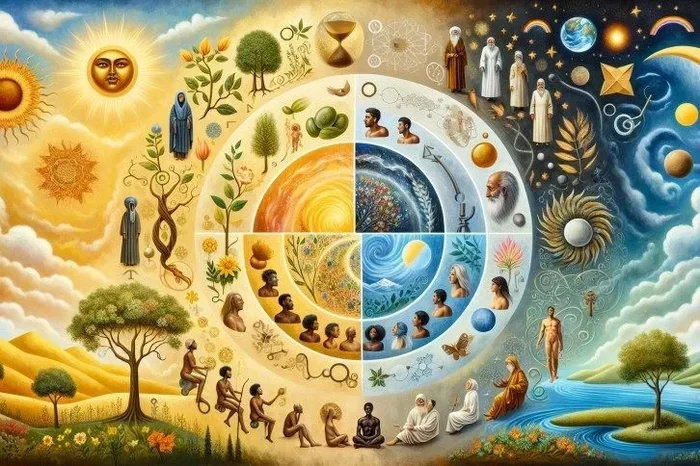

The samsara meaning refers to the endless cycle of birth, death, and rebirth that all living beings experience. In Hindu, Buddhist, and Jain traditions, samsara is driven by karma and attachment, keeping souls trapped in suffering until they reach spiritual liberation. Understanding this concept helps you see why mindfulness, compassion, and inner work matter so much on the path to freedom.
The samsara meaning is one of the most profound ideas in Eastern philosophy. At its core, samsara refers to the endless cycle of birth, death, and rebirth that every living being goes through. This cycle is not just a religious concept. It is a lens for understanding suffering, attachment, and the human desire for freedom. Whether you are new to spiritual topics or have studied them for years, grasping the samsara meaning can change how you see your own life.
In this guide, we will explore what samsara really means, where it comes from, and how it connects to karma, rebirth, and spiritual liberation. We will look at how different traditions understand this concept. And we will share practical ways to apply these ancient ideas to your modern life. By the end, you will have a clear and deep understanding of samsara meaning and why it still matters today.
Key Takeaways
- Samsara is the cycle of rebirth: It describes the continuous loop of birth, death, and rebirth driven by karma and attachment.
- Multiple traditions teach it: Hinduism, Buddhism, and Jainism all share this core concept with their own unique perspectives.
- Karma fuels the cycle: Your actions, thoughts, and intentions determine your next rebirth and the quality of your samsaric existence.
- Six realms exist within samsara: From the god realm to the hell realm, each offers different experiences of suffering and joy.
- Liberation is possible: Nirvana and moksha represent the end of the cycle through spiritual awakening and inner work.
- Mindfulness helps break free: Daily practices like meditation and compassion can weaken attachment and reduce karmic momentum.
- Samsara is not just ancient history: It offers practical lessons for modern life, stress, and emotional well-being.
📑 Table of Contents
What Is Samsara? The Core Samsara Meaning
The Simple Definition of Samsara
The samsara meaning comes from an ancient Sanskrit word that means “wandering” or “flowing together.” Think of it like being on a wheel that never stops turning. You are born, you live, you die, and then you are born again. This is the cycle of samsara. It is also called the cycle of rebirth or cyclic existence in many texts.
In simple terms, samsara definition is the repeated process of moving from one life to the next. This happens because of unfulfilled desires, past actions, and deep-rooted ignorance. You do not choose to be reborn. The momentum of your past actions carries you forward, just like a ball rolling down a hill keeps going until it hits something that stops it.
The samsara meaning is not just about physical rebirth. It also describes the way we repeat the same patterns of behavior, thought, and emotion in our daily lives. You might notice that you keep making the same mistakes. You might find yourself in similar situations over and over. This is a smaller version of the samsaric existence that Eastern traditions describe on a grander scale.
Why Understanding Samsara Matters
You might wonder why an ancient concept like samsara meaning matters in your everyday life. The answer is simple. Once you see the patterns of repetition and suffering in your own life, you can start to change them. Understanding samsara helps you recognize when you are stuck in old habits, unhealthy relationships, or thought loops that drain your energy.
Many people go through life feeling like they are running on a treadmill. They work, they worry, they repeat. The samsara meaning offers a way out of that treadmill. It shows you that there is a deeper reason for your struggles. And more importantly, it points to a path of spiritual liberation that is available to anyone willing to walk it.
The Origins of Samsara in Ancient Traditions
Samsara in Hindu Philosophy
The idea of samsara meaning is deeply rooted in Hindu beliefs. In Hindu philosophy, the soul, or atman, is eternal. After death, it takes on a new body based on the karma it has accumulated. This is the cycle of rebirth that Hindus have taught for thousands of years.
Hindu texts like the Upanishads and the Bhagavad Gita explore samsara in great detail. They explain that the soul keeps moving through different forms of life until it achieves moksha, or final liberation. Moksha is the Hindu term for breaking free from the wheel of samsara and merging with the divine.
The concept of dharma plays a big role here too. Dharma means your duty or righteous path. Living in alignment with your dharma helps you build good karma. And good karma makes your journey through samsaric existence smoother. It also brings you closer to spiritual liberation over many lifetimes.
Samsara in Buddhist Teachings
Buddhist philosophy also places samsara at the center of its teachings. The Buddha taught that life is marked by suffering, and that suffering comes from being trapped in the cycle of rebirth. The samsara meaning in Buddhism focuses on the idea that nothing is permanent. Everything changes, decays, and is reborn in some form.
Buddhism teaches that attachment is the main fuel for samsara. When you cling to things, people, or ideas, you create the conditions for continued rebirth. The wheel of life is a common symbol in Buddhist art. It shows the different realms of existence and the forces that keep beings trapped in the cycle.
The goal of Buddhist practice is to reach nirvana, which is the complete end of samsara. Nirvana is not a place you go to. It is a state of being where the fires of craving, aversion, and ignorance are completely extinguished. This is what spiritual liberation looks like in the Buddhist tradition.
Samsara in Jainism and Other Traditions
Jainism has its own rich take on samsara meaning. Jains believe that every living being has a soul, or jiva, that is weighed down by karma. The soul gets trapped in samsaric existence because of actions, thoughts, and even words that create karmic bonds. The goal is to burn off all karma through strict discipline, non-violence, and meditation.
Beyond these three major traditions, you can find echoes of samsara in Sikhism, certain indigenous traditions, and even some Western esoteric schools. The core idea is universal: we are caught in a pattern of repeated suffering, and there is a way out. This shared understanding is part of what makes the samsara meaning so powerful and timeless.
How Karma Drives the Cycle of Rebirth
Understanding Karma and Its Role in Samsara
If samsara is the wheel, then karma is the engine that keeps it turning. The word karma means “action.” Every action you take, every thought you think, and every word you speak creates an imprint. These imprints shape your future experiences. This is the basic karma and samsara connection.
Think of it like planting seeds. You plant a seed of anger, and it grows into a bitter fruit. You plant a seed of kindness, and it grows into something sweet. You do not get to choose what grows right away. But over time, your karma and samsara pattern becomes clear. Your past actions shape your present circumstances, and your present actions shape your future.
This is why spiritual awakening starts with awareness. When you begin to see how your actions create consequences, you start to make more conscious choices. You are no longer just reacting to life. You are shaping your own reincarnation journey through the quality of your thoughts and deeds.
Good Karma vs Bad Karma in the Samsaric Journey
Not all karma is the same. Good karma leads to favorable rebirths, better circumstances, and more opportunities for growth. Bad karma leads to suffering, obstacles, and painful experiences. But here is the key insight: even good karma keeps you in samsara. It just gives you a better seat on the wheel.
To truly break free, you need to go beyond both good and bad karma. This is called transcendence. It means acting without attachment to results. You do good not for a better rebirth but because it is the right thing to do. This is a subtle but powerful shift in understanding.
Mindfulness plays a huge role here. When you practice mindfulness, you become more aware of your motivations. You start to notice when you are acting out of greed, fear, or ego. Over time, this awareness weakens the karmic patterns that keep you bound to samsaric existence.
| Aspect | Good Karma | Bad Karma | Transcendent Action |
|---|---|---|---|
| Motivation | Desire for reward | Desire to avoid pain | Acting without attachment |
| Effect on Samsara | Better rebirth | Worse rebirth | Breaks the cycle |
| Long-term Result | Temporary happiness | Temporary suffering | Spiritual liberation |
| Example | Giving to help your status | Harming out of anger | Giving with no expectation |
This table shows why transcendence is the ultimate goal. Good karma and bad karma both keep you on the wheel of life. Only actions done with pure awareness and no attachment can free you from samsara for good.
The Six Realms of Samsaric Existence
The Desire Realm
The six realms of samsara describe the different types of existence that beings can experience. The first is the desire realm. This is where most of us live right now. It is called the desire realm because beings here are driven by cravings, desires, and attachments.
In the desire realm, you find the human realm, the animal realm, and the realm of hungry ghosts. Each of these has its own kind of suffering and its own kind of joy. Humans have the unique ability to understand samsara and seek spiritual liberation. Animals are driven by instinct. Hungry ghosts are consumed by endless craving.
The Form Realm and Formless Realm
Above the desire realm are the form realm and the formless realm. Beings in these realms have subtler bodies and much longer lifespans. They experience great bliss and peace. But here is the catch: even these higher states are temporary. When the good karma that placed you there runs out, you fall back into lower realms.
This is a crucial point about samsara meaning. No realm in samsara is permanent. No matter how good your current life is, it will end. This is why even gods in the highest realms are said to be suffering in a subtle way. They know their time will run out. This is the nature of cyclic existence.
Breaking Free: The Path to Liberation
What Is Nirvana and Moksha?
The ultimate goal of understanding samsara meaning is to find a way out. In Hinduism, this is called moksha. In Buddhism, it is called nirvana. Both terms point to the same thing: the end of the cycle of rebirth and suffering.
Nirvana literally means “to blow out” or “to extinguish.” It is the blowing out of the fires of craving, hatred, and ignorance. When you reach nirvana, you are no longer driven by the forces that keep you in samsara. You experience true peace, freedom, and enlightenment.
Moksha in the Hindu tradition is the realization that your true self, the atman, is one with the ultimate reality, Brahman. When you realize this, you are free from the wheel of life. You no longer need to be reborn. You have achieved spiritual liberation.
Practical Steps to End the Cycle
You do not need to wait for a future life to start breaking free from samsara. There are practical steps you can take right now. The path of spiritual awakening starts with small, consistent actions.
Here are some steps you can follow:
- Practice mindfulness daily: Sit for at least ten minutes each day. Observe your thoughts without judgment. This builds awareness of your karmic patterns.
- Let go of attachments: Notice what you cling to. It might be a person, a possession, or an identity. Gently release your grip on these things.
- Act with compassion: Help others without expecting anything in return. This weakens the ego and reduces karmic baggage.
- Study the teachings: Read books on Buddhist philosophy, Hindu beliefs, or dharma. Knowledge gives you a map for the journey.
- Find a community: Join a meditation group, a sangha, or a spiritual circle. Support from others makes the path easier.
- Live with integrity: Align your actions with your values. This creates positive karma and moves you toward spiritual liberation.
These steps are not quick fixes. They are lifelong practices. But over time, they weaken the karmic momentum that keeps you bound to samsara. Each moment of awareness is a step toward transcendence.
Samsara in Modern Spiritual Practice
Mindfulness and the Present Moment
You do not need to be a monk or a scholar to work with samsara meaning in your daily life. Mindfulness is the most accessible tool for recognizing the patterns of samsaric existence. When you pay attention to the present moment, you stop being swept away by the momentum of past habits and future worries.
Think about your last stressful day. Were you living in the present? Or were you replaying old arguments and worrying about tomorrow? That replaying and worrying is a form of samsara in miniature. It is the same cycle of craving and aversion that drives the larger cycle of rebirth.
Mindfulness breaks this cycle. It creates a gap between stimulus and response. In that gap, you have the freedom to choose a different path. Over time, this freedom grows. You start to respond to life with wisdom instead of reactivity. This is the beginning of spiritual awakening.
Samsara Lessons for Everyday Life
The samsara meaning is not just a theory. It is a practical framework for living a better life. Here are some lessons you can apply right now:
- Notice repetition: Pay attention to the patterns in your life. What keeps coming back? What triggers the same reactions? This awareness is the first step toward change.
- Embrace impermanence: Everything changes. Good times end. Hard times end. Remembering this helps you stop clinging and start flowing with life.
- Take responsibility: Your actions matter. You are not a victim of fate. Every choice you make shapes your reincarnation journey and your daily experience.
- Cultivate compassion: Other beings are also trapped in samsara. Treating others with kindness is a powerful way to generate good karma and samsara momentum for yourself and others.
- Seek enlightenment in small moments: You do not need a dramatic breakthrough. A moment of genuine peace, a flash of insight, or an act of pure kindness is a taste of spiritual liberation.
These everyday practices may seem simple. But they are the foundation of a profound spiritual awakening. The samsara meaning teaches us that freedom is not something you find in some distant future. It is something you uncover right here, right now, through the quality of your awareness and actions.
Conclusion: Embracing the Samsara Meaning in Your Life
The samsara meaning is a deep and transformative concept. It shows us that life is not just a straight line from birth to death. It is a cycle shaped by our actions, our desires, and our level of awareness. Whether you come from a Hindu, Buddhist, or secular background, the insights of samsara can enrich your understanding of life and suffering.
Understanding samsara helps you see why you repeat certain patterns. It gives you hope that change is possible. And it offers a clear path toward spiritual liberation through mindfulness, compassion, and wisdom. The wheel of life keeps turning, but you have the power to step off it.
Start where you are. Be curious. Be patient. The journey of spiritual awakening is not about perfection. It is about awareness. Every moment you spend in mindful presence is a moment of freedom from the grip of samsaric existence. And that, in itself, is a profound form of transcendence.
Frequently Asked Questions
What is the samsara meaning in simple terms?
Samsara meaning is the endless cycle of birth, death, and rebirth that all living beings go through. It is driven by karma, attachment, and ignorance. In simple words, it is the repeated journey through different forms of life until you achieve spiritual liberation.
How is samsara different from reincarnation?
Reincarnation is the process of being born again in a new body. Samsara is the entire cycle that includes reincarnation, the suffering that comes with it, and the conditions that keep you trapped in it. Think of reincarnation as one turn of the wheel, and samsara as the whole wheel itself.
Can anyone achieve liberation from samsara?
Yes. All traditions that teach samsara meaning also teach that liberation is possible for anyone. It does not matter your background, beliefs, or past actions. Through mindfulness, compassion, and dedicated practice, anyone can walk the path toward nirvana or moksha.
What role does karma play in samsara?
Karma is the engine of samsara. Every action, thought, and intention creates energy that shapes your future experiences. Positive actions lead to better rebirths, while negative actions lead to more suffering. But only actions done without attachment can truly free you from the cycle of rebirth.
Is samsara only a religious concept?
No. While samsara originates in Eastern religions, its insights apply to anyone. In modern life, samsaric existence shows up as repeating the same habits, thought patterns, and emotional reactions. Understanding samsara meaning can help you break free from these patterns, even if you do not follow any particular religion.
How can I start working with the samsara meaning in my daily life?
Start with mindfulness. Spend a few minutes each day observing your thoughts and reactions. Notice when you are clinging to things or running from discomfort. Over time, this awareness weakens the patterns of attachment and moves you closer to spiritual liberation.



