
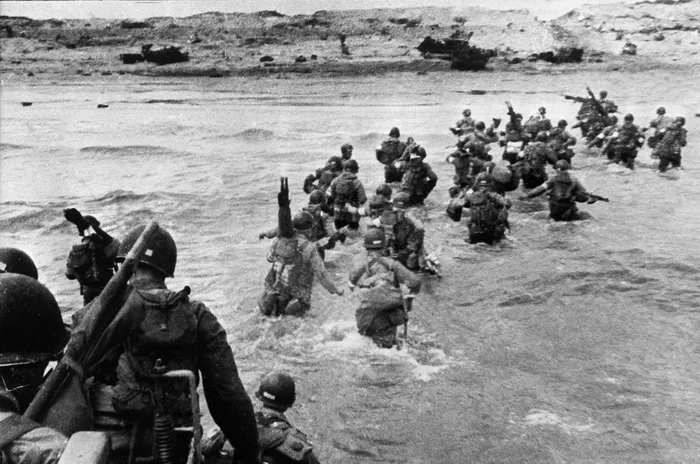

The D-Day meaning goes far beyond a simple date on the calendar. It represents the largest seaborne invasion in history and a turning point in World War II. On June 6 1944, Allied forces stormed the beaches of Normandy to begin the liberation of Europe. Understanding D-Day meaning helps us honor the bravery of over 150000 troops who took part. This article breaks down the D-Day meaning in clear terms so you can appreciate why this day still shapes our world.
The D-Day meaning is one of the most important concepts in military history. It represents much more than a single day of fighting. It stands for the courage of thousands of young men who faced incredible danger to free a continent from tyranny.
On June 6 1944 something extraordinary happened along the coast of Normandy France. Allied forces launched the biggest beach landing ever seen. The D-Day meaning lives on because of what happened that day and what it meant for the future of the world.
Many people know the date June 6 1944 but they do not fully understand the D-Day meaning. They may not know the names of the five beaches or the size of the operation. This article will walk you through everything you need to know. By the end you will have a clear picture of why D-Day meaning still matters today.
Key Takeaways
- D-Day meaning refers to the day of the Normandy invasion on June 6 1944
- Allied forces from the US UK Canada and other nations stormed five beaches in France
- Operation Overlord was the largest seaborne invasion in military history
- The D-Day beaches included Omaha Utah Gold Juno and Sword
- D-Day meaning extends beyond the battle to symbolize courage sacrifice and freedom
- Understanding D-Day meaning helps us appreciate the cost of peace
- The operation marked the beginning of the liberation of Europe from Nazi control
📑 Table of Contents
What Does D-Day Meaning Really Tell Us?
The term D-Day meaning can seem simple on the surface. But there is more depth to it than most people realize. Let us break it down in a way that is easy to understand.
The Origin of the Term D-Day
Many people wonder where the name “D-Day” actually comes from. The “D” stands for “Day.” It was a general military term used for the day on which a combat attack or operation begins. The day before was called D-1 and the day after was D+1.
This naming system allowed planners to keep the exact date secret during Operation Overlord. Using a code word like D-Day helped protect the invasion plan from German defenses. The term became so famous that it is now linked forever with the Normandy invasion.
Why D-Day and Not a Specific Date
You might ask why militaries use “D-Day” instead of just saying the actual date. The answer is simple. It provides flexibility. In large scale operations like the Normandy invasion the exact start date can shift based on weather tides and other factors.
Using D-Day as a placeholder means all planning documents stay valid until the final order is given. This is a smart military strategy that has been used in many conflicts. The D-Day meaning in this context is really about the concept of a decisive day of action.
The D-Day Meaning in Everyday Language
Today when people talk about D-Day meaning they usually mean June 6 1944. It has become a symbol of a major turning point. Just like people use “the day that changed everything” the term D-Day now carries deep emotional weight.
The D-Day meaning in popular culture goes beyond the military. It represents sacrifice bravery and the fight for freedom. When we say “that was their D-Day” we mean it was their defining moment. This is why the term resonates so strongly with people around the world.
The History Behind the Normandy Invasion
The Normandy invasion was not a spontaneous decision. It was the result of months of planning and preparation. Understanding this history helps us grasp the full D-Day meaning.
Why June 6 1944 Was Chosen
The date June 6 1944 was not random. Allied planners chose it carefully based on several factors. The moon phase needed to be right for paratroopers to navigate at night. The tides had to be at a specific level to expose German obstacles on the beach.
Weather was also a big factor. The invasion needed a window of relatively calm seas. Meteorologists predicted a brief break in the stormy June weather. Supreme Commander Dwight Eisenhower made the tough call to go ahead on June 6.
If they had waited the German defenses would have grown stronger. The element of surprise was critical. This is why the D-Day meaning includes the idea of taking bold action at the right moment.
The Scale of the Operation
The size of the Normandy invasion is almost impossible to imagine. Over 150000 Allied troops crossed the English Channel on that single day. Nearly 7000 naval vessels supported the beach landing. More than 20000 Allied troops arrived by air behind enemy lines.
This was the largest naval assault in history. No other operation came close in terms of scale. The planning involved coordination between the United States United Kingdom Canada and many other nations. The D-Day meaning is partly about this incredible level of teamwork and cooperation.
Operation Neptune was the naval component of the larger Operation Overlord. Neptune focused specifically on the beach landing phase. Overlord was the entire campaign to establish a foothold in France. Together these operations made the Normandy invasion possible.
The Five D-Day Beaches
The D-Day beaches are at the heart of the D-Day meaning. Each beach had its own story its own challenges and its own heroes. Let us look at all five and what makes each one important.
A Comparison of the Five D-Day Beaches
| Beach | Code Name | Location in Normandy | Assaulting Force | Key Challenge |
|---|---|---|---|---|
| Omaha | Omaha | Northern coast | US Troops | High cliffs and heavy casualties |
| Utah | Utah | Western coast | US Troops | Strong winds pushed troops off course |
| Gold | Gold | Central coast | British Troops | Mine-covered beach and fortified town |
| Juno | Juno | Central coast | Canadian Troops | Heavy German resistance and rough surf |
| Sword | Sword | Eastern coast | British Troops | Near the city of Caen which was heavily defended |
Why Each Beach Mattered
Every one of the five D-Day beaches played a vital role. Utah Beach was the westernmost point and was taken relatively quickly by US forces. Omaha Beach was the deadliest and saw the highest number of casualties among the US divisions.
Gold Beach was assaulted by British forces and was key to linking up with the other beaches. Juno Beach was a Canadian objective and saw fierce fighting but strong progress. Sword Beach was the easternmost point and helped prevent German reinforcements from reaching the battle zone.
Together these five beaches formed a connected front. The D-Day meaning is tied to how these beaches worked as a unified effort. No single beach could have succeeded alone.
Quick Tips for Remembering the Five Beaches
Remembering the five D-Day beaches can be tricky. Here are some quick tips to help:
- Use a mnemonic: “U G J S O” for Utah Gold Juno Sword Omaha
- Think of the map: Utah is on the left (west) and Sword is on the right (east)
- Link to countries: US took Utah and Omaha British took Gold and Sword Canada took Juno
- Remember the hardest one: Omaha had the most casualties so it sticks in memory
- Visualize the beach order: Go from west to east along the Normandy coast
The Military Strategy Behind the Largest Seaborne Invasion
The D-Day meaning would not be complete without understanding the military strategy behind it. This was not a simple attack. It was a masterpiece of planning and deception.
Operation Overlord vs Operation Neptune
People often confuse Operation Overlord and Operation Neptune. They are related but different. Operation Overlord was the overall invasion of Normandy. It included everything from the initial beach landing to the breakout and push into France.
Operation Neptune was the naval and amphibious phase. It covered the actual crossing of the English Channel and the assault on the D-Day beaches. Neptune was a subset of Overlord. Both operations were essential to the success of the Normandy invasion.
The Role of Deception
One of the most fascinating parts of the D-Day meaning is the deception campaign. The Allies created a fake army called “Ghost Army” to trick the German defenses. They made Hitler believe the real invasion would happen at Pas de Calais instead of Normandy.
This deception worked remarkably well. Even after June 6 1944 some German leaders still expected the main attack at Calais. The D-Day meaning includes this element of strategic surprise. It was not just about bravery on the beaches. It was also about outsmarting the enemy.
Common Mistakes People Make About the Strategy
There are some common mistakes people make when thinking about the D-Day meaning and the military strategy:
- Mistake 1: Thinking it was only an American operation. In truth Allied forces from many nations participated.
- Mistake 2: Believing the beaches were taken easily. The fighting was brutal especially at Omaha.
- Mistake 3: Forgetting the role of paratroopers who landed behind enemy lines before the beach landing.
- Mistake 4: Assuming the operation was planned in days. It took over a year of careful preparation.
- Mistake 5: Ignoring the weather factor. The timing was based on tides moon phase and weather windows.
Why D-Day Still Matters Today
The D-Day meaning reaches far beyond the events of June 6 1944. It continues to shape how we think about freedom sacrifice and global cooperation.
The Liberation of Europe
The most direct impact of D-Day meaning was the beginning of the liberation of Europe. After the beach landing succeeded the Allied forces pushed inland. Paris was liberated in August 1944. Nazi control over Western Europe began to crumble.
The D-Day meaning in this context is about hope. It was the moment when occupied nations saw a path to freedom. For the people of France and other occupied countries the invasion represented the end of suffering.
Expert Insights on Why D-Day Endures
Military historians often share powerful perspectives on D-Day meaning. One expert noted “D-Day was not just a battle. It was a statement that tyranny could be challenged and defeated by people who refused to give up.” This insight captures the deeper D-Day meaning that goes beyond tactics and numbers.
Another historian emphasized the international nature of the operation. “No single nation could have done this alone. The D-Day meaning is also about what countries can achieve when they work together toward a common goal.” This view highlights the cooperation between the US UK Canada and other allies.
D-Day Meaning in Modern Education
Today schools around the world teach about D-Day meaning as part of World War II history. Museums memorials and documentaries keep the memory alive. The D-Day beaches in Normandy attract millions of visitors each year.
Teaching the D-Day meaning to new generations ensures that the sacrifices are not forgotten. It also serves as a reminder of the cost of war and the value of peace. The D-Day meaning is a lesson in courage teamwork and the fight for human rights.
Common Myths and Misconceptions
There are several myths about D-Day meaning that circulate widely. Let us clear up some of the most common ones.
Myth 1: D-Day Was Only an American Operation
This is one of the biggest misconceptions about D-Day meaning. While US forces played a major role British and Canadian troops were equally important. The Normandy invasion was a truly international effort. Forces from Poland Norway and other nations also contributed.
Myth 2: The Beaches Were Taken Quickly
Some people imagine the D-Day beaches were captured in a few hours. The reality was much different. Omaha Beach in particular saw hours of intense fighting. The D-Day meaning includes the reality of prolonged brutal combat not just a quick victory.
Myth 3: D-Day Was the End of World War II
D-Day was a turning point but it was not the end of the war. Fighting continued for nearly another year in Europe. V-E Day came on May 8 1945. The D-Day meaning is about the beginning of the end not the end itself.
Understanding these myths helps us appreciate the real D-Day meaning. The truth is often more powerful than the myths.
Conclusion
The D-Day meaning is deep and multifaceted. It is a military term that became a symbol of human courage and determination. On June 6 1944 the Allied forces launched the Normandy invasion that changed the course of World War II.
The five D-Day beaches tell a story of sacrifice and heroism. The military strategy behind the operation was brilliant and complex. The liberation of Europe began on those beaches and the effects are still felt today.
D-Day meaning reminds us that freedom is not free. It was earned through the bravery of ordinary people who did extraordinary things. When we understand the full D-Day meaning we honor those who served and we learn lessons that still apply today.
Take a moment to reflect on the D-Day meaning. Whether you visit the D-Day beaches in Normandy or simply learn more about that day you are keeping the memory alive. The D-Day meaning is not just history. It is a living reminder of what we can achieve when we stand together for what is right.
Frequently Asked Questions
What does D-Day stand for?
The “D” in D-Day simply stands for “Day.” It was a standard military term used to mark the start date of any operation. The day before was D-1 and the day after was D+1. Over time the term became permanently linked to the June 6 1944 Normandy invasion and its profound D-Day meaning.
Why is June 6 1944 so important in World War II?
June 6 1944 marks the D-Day meaning in the most common sense. It was the day the Allied forces launched the largest seaborne invasion in history. The success of the Normandy invasion opened a second front in Europe and began the liberation of Europe from Nazi control. It was a true turning point in the war.
How many beaches were part of the D-Day landings?
There were five D-Day beaches in total. They were Utah Omaha Gold Juno and Sword. Each beach was assaulted by different Allied forces including US British and Canadian troops. Together these beaches formed the front line of the Normandy invasion and are central to understanding the full D-Day meaning.
Who was the leader of the D-Day operation?
Dwight Eisenhower served as the Supreme Commander of the Allied Expeditionary Force. He made the final decision to launch the invasion on June 6 1944. His leadership was critical to the success of Operation Overlord and the broader D-Day meaning. The operation required coordination among many nations and Eisenhower was the key figure who brought them together.
What was the difference between Operation Overlord and Operation Neptune?
Operation Overlord was the entire invasion campaign in Normandy while Operation Neptune was specifically the naval and amphibious phase. Neptune covered the crossing of the English Channel and the assault on the D-Day beaches. Both operations were essential parts of the D-Day meaning and the success of the Normandy invasion.
Why is D-Day still remembered today?
The D-Day meaning endures because it represents courage sacrifice and the fight for freedom. It reminds us of the cost of peace and the importance of standing up against tyranny. Museums memorials and educational programs around the world keep the D-Day meaning alive for new generations. Visiting the D-Day beaches in Normandy is a powerful way to connect with this history.



