
The phrase “best regards” is a widely used closing that conveys respect, warmth, and professionalism in written communication. Understanding its meaning helps you choose the right sign-off for any situation. This guide covers its origin, proper usage, alternatives, and common mistakes to avoid. You will also find practical examples and expert tips for email etiquette.
Have you ever wondered about the best regards meaning when you sign off an email? This simple phrase shows up everywhere. You see it in business letters, casual emails, and even formal invitations. But what does it really mean? And how should you use it?
In this guide, we will explore the best regards meaning in detail. You will learn where it comes from, when to use it, and how it compares to other closings. Whether you write emails for work or personal messages, this article has you covered. Let us dive in and make your sign-offs shine.
Key Takeaways
- Polite Closing Phrase: “Best regards” is a warm and professional way to end written communication.
- Versatile Usage: It works well in emails, letters, and formal business correspondence.
- Professional Tone: The phrase strikes a balance between friendly and formal.
- Correct Placement: It belongs at the end of a message, right before your name.
- Alternatives Exist: Phrases like “warm regards” and “sincerely” serve similar purposes.
- Context Matters: Knowing when to use it makes your communication more effective.
📑 Table of Contents
- What Does “Best Regards” Mean?
- The Origin and History of “Best Regards”
- How to Use “Best Regards” in Professional Emails
- “Best Regards” vs. Other Common Closings
- When to Use “Best Regards” and When Not To
- Common Mistakes to Avoid When Using “Best Regards”
- Expert Tips for Choosing the Right Email Closing
- Conclusion
What Does “Best Regards” Mean?
The best regards meaning is straightforward. It is a closing phrase that expresses respect, goodwill, and warm wishes toward the reader. When you say “best regards,” you are telling someone that you hold them in high esteem. It is a polite and courteous way to end a letter or email.
This phrase falls into a category called a complimentary close. A complimentary close is the word or phrase you use right before your name at the end of a message. Other examples include “sincerely,” “yours truly,” and “warm wishes.” But “best regards” has a special place in professional communication.
The beauty of this phrase lies in its balance. It is not too formal and not too casual. It works for almost any situation. Whether you are writing to a colleague, a client, or someone you have just met, “best regards” fits the bill. It sends a message of respect without feeling overly stiff.
Breaking Down the Words
Let us look at each word in the phrase. “Best” means the highest quality or most excellent. “Regards” means respect or warm feelings toward someone. Put them together, and you get a closing that says, “I wish you the very best and hold you in high regard.”
That is a powerful message packed into just two words. It is no wonder that business correspondence relies heavily on this phrase. It conveys professionalism and kindness at the same time.
The Origin and History of “Best Regards”
Where did this popular closing come from? The phrase has roots in English letter-writing traditions that go back centuries. Understanding its history gives us a deeper appreciation for the best regards meaning.
In the 18th and 19th centuries, letter writing was a formal art. People followed strict rules for how to begin and end a letter. The word “regards” appeared in many formal letter writing conventions of that era. It was a way to pass along good wishes to the recipient.
Over time, “best regards” emerged as a standard closing. It became popular because it struck the right tone. It was respectful but not too distant. By the 20th century, it had become a staple in both personal and professional letters.
Today, the phrase has transitioned smoothly into the digital age. You will find it in emails, LinkedIn messages, and even text messages. Its staying power proves that some phrases simply stand the test of time.
How “Regards” Evolved Over Time
The word “regard” itself has an interesting history. It comes from the Old French word “regarder,” which means “to look at” or “to consider.” Over the centuries, it took on the meaning of attention, respect, and consideration.
In letter writing, “regards” became a way to send your attention and good thoughts to someone. “Best regards” simply elevated that idea to the highest level. It said, “I am thinking of you in the very best way.”
This evolution shows how language adapts. The best regards meaning has stayed consistent even as communication methods have changed. That consistency is part of why the phrase remains so popular today.
How to Use “Best Regards” in Professional Emails
Using “best regards” correctly is easier than you might think. The key is understanding the context and placing it in the right spot. Let us walk through the proper usage step by step.
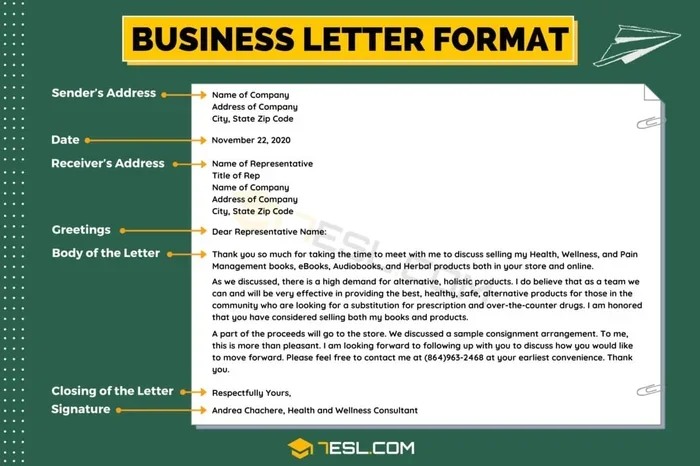
First, let us clarify where it goes in an email. The closing comes after your main message and before your name. Here is a simple structure:
Dear [Name],
[Your message body]
Best regards,
[Your Name]
That is it. The phrase sits right before your signature. It acts as a bridge between your message and your name.
When to Use “Best Regards”
You can use this closing in many situations. Here are some common scenarios where it works perfectly:
- First-time emails: When writing to someone you have not met yet, “best regards” sets a respectful tone.
- Client communications: It shows professionalism without being too distant.
- Follow-up emails: After a meeting or phone call, it reinforces a positive impression.
- Networking messages: When reaching out to new contacts, it strikes the right balance.
- Internal company emails: Even with colleagues you know well, it works in most cases.
Tips for Using It Effectively
Keep a few things in mind when using this closing. First, match the tone of your email. If your message is very casual, you might want a warmer alternative. If it is very formal, “best regards” still works but consider pairing it with a more formal greeting.
Second, always include a comma after “regards.” This is standard punctuation for complimentary closes. It looks like this: “Best regards,” with the comma right after the word.
Third, be consistent. If you start an email with a formal greeting, use a formal closing. Mixing casual greetings with formal closings can feel awkward.
“Best Regards” vs. Other Common Closings
There are many ways to close an email or letter. Each one carries a slightly different tone and level of formality. Understanding these differences helps you choose the right one for every situation.
Let us compare “best regards” with some popular alternatives. This will give you a clearer picture of where it fits in the world of email sign-offs.
Comparison Table: Popular Email Closings
| Closing Phrase | Formality Level | Best For | Tone |
|---|---|---|---|
| Best regards | Professional | Business emails, client communication | Respectful and warm |
| Sincerely | Formal | Cover letters, formal letters | Traditional and serious |
| Warm regards | Semi-formal | Ongoing professional relationships | Friendly and personal |
| Kind regards | Professional | First-time contacts | Polite and gentle |
| Cheers | Casual | Informal emails, startups | Friendly and relaxed |
| Yours truly | Formal | Official correspondence | Traditional and dignified |
| Thanks | Casual | Quick internal messages | Casual and direct |
How “Best Regards” Compares
Looking at the table, you can see that “best regards” sits in the sweet spot. It is professional without being overly formal. It is warm without being too casual. This makes it one of the most versatile closings available.
Compare it to “sincerely.” Sincere is more traditional and stiff. It works well for cover letters and formal documents. But for everyday business emails, “best regards” feels more natural and approachable.
Compare it to “cheers.” Cheers is great for casual settings. But it might feel too informal for a first email to a potential client. “Best regards” bridges that gap perfectly.
The best regards meaning gives it an edge over many alternatives. It communicates respect and warmth simultaneously. Few other closings manage that balance as well.
When to Use “Best Regards” and When Not To
Like any phrase, “best regards” has its place. Using it in the right context makes your communication stronger. Using it in the wrong context can send the wrong message.
Let us look at the ideal situations and the ones where you might want to choose something else.
Ideal Situations for “Best Regards”
Use this closing when you want to sound professional yet approachable. It works well in these scenarios:
- Business proposals: When pitching an idea or product to a potential client.
- Job applications: In follow-up emails after interviews or applications.
- Client updates: When sending progress reports or status updates.
- Networking outreach: When connecting with new people in your industry.
- Vendor communications: When corresponding with suppliers or partners.
When to Choose a Different Closing
There are times when another closing might serve you better. Here are some situations to consider:
- Very close relationships: With good friends or close colleagues, try “warm regards” or even “cheers.”
- Very formal documents: For legal letters or official government correspondence, “sincerely” or “yours truly” may be more appropriate.
- Apology emails: When apologizing, “sincerely” or “my apologies” can feel more genuine.
- Thank-you messages: When expressing gratitude, “thank you” or “with appreciation” might work better.
- Creative industries: In design, art, or media, a more casual closing might fit the culture better.
The key is reading the room. Consider who you are writing to and what the purpose of your message is. The best regards meaning works in most professional settings, but context always matters.
Common Mistakes to Avoid When Using “Best Regards”
Even simple phrases can cause problems if used incorrectly. Here are some common mistakes people make with this closing and how to avoid them.
Mistake 1: Using It Too Casually
Some people drop “best regards” into very casual messages. For example, texting a close friend “best regards” feels odd. The phrase carries a level of professionalism that does not always fit informal chats. Save it for messages where a professional tone is appropriate.
Mistake 2: Forgetting the Comma
Punctuation matters in written communication. Always place a comma after “regards.” Writing “Best regards” without a comma looks incomplete. It is a small detail, but it affects how polished your message appears.
Mistake 3: Capitalizing Incorrectly
You do not need to capitalize every word. The correct format is “Best regards,” with only the first word capitalized. Writing “Best Regards” with a capital R is a common error. Stick with the standard format for a clean look.
Mistake 4: Using It as a Greeting
Remember that “best regards” is a closing, not a greeting. Do not use it at the start of an email. Instead, pair it with a proper greeting like “Dear [Name]” or “Hello [Name].” Mixing up greetings and closings can confuse your reader.
Mistake 5: Overusing the Same Closing
While “best regards” is versatile, using it for every single email can get monotonous. Vary your closings based on the situation and your relationship with the recipient. This shows attention to detail and makes your communication feel more personal.
Expert Tips for Choosing the Right Email Closing
Choosing the right closing can elevate your professional communication. Here are some expert insights to help you make the best choice every time.
Match the Formality Level
Look at how the other person writes to you. If they use a formal tone, match it with a formal closing. If their emails are casual, you can relax your closing too. Mirroring is a powerful tool in email etiquette.
Consider the Relationship
Your relationship with the recipient matters a lot. A new client gets “best regards.” A close coworker might get “warm regards.” A best friend gets something totally different. Tailoring your closing shows emotional intelligence.
Think About the Purpose
What is the goal of your email? If you are closing a deal, “best regards” works well. If you are delivering bad news, a more empathetic closing might be better. Always align your sign-off with the purpose of the message.
Keep It Simple
Do not overthink it. The most effective closings are simple and sincere. Fancy phrases might seem impressive, but they can come across as insincere. “Best regards” works because it is honest and easy to understand.
Quick Tips for Perfect Sign-Offs
- Always include a comma after the closing phrase.
- Capitalize only the first word in the closing.
- Leave two lines of space between the closing and your name.
- Match the closing to the tone of your greeting.
- When in doubt, “best regards” is a safe and professional choice.
- Avoid using emojis or exclamation marks with formal closings.
Conclusion
The best regards meaning is more than just two words at the end of an email. It is a powerful tool for building professional relationships and showing respect. When used correctly, it leaves a positive and lasting impression on your reader.
We have covered a lot of ground in this guide. You now know the origin of the phrase, how to use it properly, and when to choose alternatives. You also know the common mistakes to avoid and the expert tips that set great communicators apart.
The beauty of “best regards” is its versatility. It works in almost every professional setting. It strikes the perfect balance between formal and friendly. And it never goes out of style.
So the next time you finish an email, take a moment to choose your closing thoughtfully. Use “best regards” when you want to sound professional and warm. Your readers will notice the difference.
Start using this phrase with confidence. You now have all the knowledge you need to make your professional communication stand out. Happy writing!
Frequently Asked Questions
Is “best regards” considered formal or informal?
“Best regards” is considered semi-formal to professional. It works well in business emails and professional letters. It is warmer than “sincerely” but more polished than casual closings like “cheers.”
Can I use “best regards” in a cover letter?
Yes, you can. “Best regards” is a perfectly acceptable closing for cover letters. However, if the company culture is very traditional, “sincerely” might be a safer choice. Always consider the company and role you are applying for.
What is the difference between “best regards” and “warm regards”?
The best regards meaning is respectful and professional. “Warm regards” adds a more personal and friendly touch. Use “best regards” for general professional communication and “warm regards” for relationships you have built over time.
Should I use “best regards” when emailing a boss?
Yes, “best regards” works well when emailing a boss or supervisor. It shows respect without being overly familiar. If your relationship is very casual, you might opt for a warmer closing instead.
Can I use “best regards” in a text message?
It is generally better to avoid “best regards” in text messages. Text messages tend to be more casual. Using this formal closing in a text can feel out of place. Save it for emails and letters.
Are there any cultural differences in using “best regards”?
In most English-speaking cultures, “best regards” is widely accepted and understood. However, some cultures prefer different levels of formality. When writing to international contacts, it is always good to research local email etiquette norms.
=== CONCLUSION ===
Understanding the best regards meaning is a small but impactful step toward better communication. This versatile closing phrase serves you well in countless professional situations. It conveys respect, warmth, and professionalism in just two words.
Remember to use it correctly, avoid common mistakes, and choose alternatives when the situation calls for it. Your email closings leave a lasting impression. Make them count.