
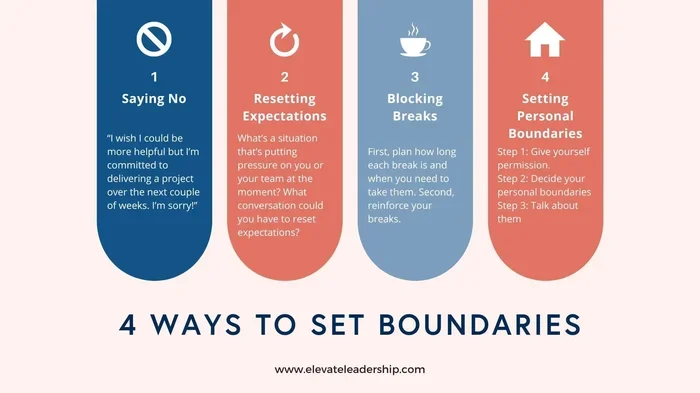

Knowing how to professionally say that’s not my job is a crucial workplace skill that protects your time, reduces burnout, and builds respect. This guide provides actionable scripts, real-world examples, and proven strategies for setting boundaries without sounding rude or uncooperative. You will learn exactly what to say, when to say it, and how to handle pushback from coworkers and managers.
You have been staring at your computer screen for three hours straight. Your to-do list is long, your deadline is tight, and then a coworker walks over and drops a brand new task on your desk. The request has nothing to do with your role. Your first instinct is to say “that’s not my job.” But the words feel too blunt, too harsh, and you worry about the fallout.
Learning how to professionally say that’s not my job is one of the most valuable skills you can develop in your career. It is not about being rude or lazy. It is about protecting your time, respecting your role, and communicating with clarity. The way you handle these moments shapes how coworkers and leaders perceive you for years to come.
In this article, you will find practical scripts, proven strategies, and real-world examples that help you decline tasks gracefully. Whether you deal with constant scope creep, unassigned responsibilities, or a boss who oversteps, you will have the tools you need. Let us dive into the art of saying no the right way.
Key Takeaways
- Set clear boundaries: Saying no professionally protects your productivity and mental health at work.
- Use diplomatic language: The right words turn a potential conflict into a constructive conversation.
- Offer alternatives: Redirecting tasks shows teamwork even when you decline a request.
- Know your role: Understanding your job description gives you confidence when refusing extra duties.
- Document boundaries: Keeping records of your responsibilities prevents scope creep over time.
- Practice assertiveness: Confident communication earns more respect than people-pleasing ever will.
📑 Table of Contents
- Why Saying “That’s Not My Job” Is So Hard
- Understanding Your Role and Responsibilities
- Scripts and Phrases for Saying No Professionally
- Handling Pushback and Difficult Reactions
- Quick Tips for Setting Workplace Boundaries
- Common Mistakes to Avoid
- How to Handle Recurring Boundary Violations
- Conclusion
Why Saying “That’s Not My Job” Is So Hard
Most people struggle with this phrase because of deep-rooted workplace culture. From a young age, many of us are taught to be helpful, agreeable, and team-oriented. These traits are valuable. But when they blur the line between collaboration and being taken advantage of, they become a problem.
Several factors make it difficult to set boundaries at work:
- Fear of conflict: Nobody wants to be seen as the difficult employee.
- Desire to please: Many workers worry that saying no will hurt their reputation.
- Unclear job roles: When responsibilities are vague, it is hard to know where your duties end.
- Power dynamics: Saying no to a boss or senior colleague feels especially risky.
- Guilt: You may feel obligated because the person asking seems stressed or overwhelmed.
Understanding these fears is the first step toward overcoming them. The next time you need to say that’s not my job with confidence, remember that healthy boundaries benefit everyone on the team.
The Cost of Always Saying Yes
When you constantly take on tasks that are not your responsibility, several negative outcomes follow. Your own work quality drops because you are stretched too thin. Resentment builds toward coworkers who keep dumping work on you. And over time, people start to assume you are available for anything, which only makes the problem worse.
Research on workplace boundaries consistently shows that employees who set clear limits are more productive, more engaged, and less likely to burn out. Saying yes to everything actually hurts the team in the long run.
Understanding Your Role and Responsibilities
Before you can confidently decline a task, you need to know exactly what your role entails. A clear understanding of your job description gives you a solid foundation for any boundary-setting conversation.
Start by reviewing your official job description. If you do not have one, create a list of your core duties and responsibilities. Share this document with your manager and ask for their input and approval.
When Your Role Is Vague
Many modern workplaces have fluid roles where responsibilities overlap. This flexibility can be a good thing, but it also creates confusion about who should handle what. If your role feels unclear, take the initiative to define it.
Here are some steps to clarify your responsibilities:
- List your top five core duties and share them with your manager.
- Ask for written confirmation of what falls within your scope.
- Review this list during your performance reviews or one-on-one meetings.
- Update it whenever your role evolves or your team restructures.
Having a documented role makes it much easier to have professional conversations about job boundaries. When someone asks you to do something outside your scope, you can point to your agreed-upon responsibilities without feeling defensive.
Scripts and Phrases for Saying No Professionally
The words you choose matter enormously. A blunt “that’s not my job” can damage relationships and create tension. But a well-crafted response shows respect while still protecting your boundaries. Below are several assertive communication scripts you can adapt to different situations.
| Situation | What Not to Say | What to Say Instead |
|---|---|---|
| Coworker asks for help outside your role | “That’s not my job.” | “I would love to help, but I am focused on my current deadlines right now. Have you checked with [person/team]?” |
| Boss assigns a non-core task | “I don’t do that.” | “I want to make sure I am giving my best to my current priorities. Can we discuss how this fits into my workload?” |
| Repeated requests from the same person | “Stop asking me to do this.” | “I have noticed this task keeps coming my way. Let me walk you through who typically owns this process.” |
| Urgent request that is not your responsibility | “Not my problem.” | “This sounds important. Let me point you to the right person so it gets resolved quickly.” |
| Request that is clearly out of scope | “That has nothing to do with me.” | “I appreciate you thinking of me, but this falls outside my area. Here is who I recommend you reach out to.” |
Notice how each alternative response follows a simple pattern: acknowledge the request, state your position kindly, and redirect the person to the right resource. This approach is the heart of professional boundary-setting.
The “Yes, But…” Technique
Another powerful approach is the “Yes, but…” method. Instead of a flat no, you express willingness while explaining your limitations. For example: “Yes, I would love to help with that project, but I have a deadline I cannot move. Is there another time this week that would work?”
This technique keeps the door open for future collaboration while making it clear that you cannot drop everything right now. It is one of the most effective ways to decline tasks at work without creating hard feelings.
Handling Pushback and Difficult Reactions
Even with the best scripts, some people will push back when you set a boundary. This is normal and expected. How you handle their reaction determines whether your boundary holds or crumbles.
When They Get Defensive
Some coworkers may react with frustration or even anger when you decline a task. Stay calm and stick to your position. You do not need to justify your answer repeatedly. A simple, respectful restatement works wonders:
“I understand this is important, and I want you to get the help you need. The best person for this is [name/team]. Let me introduce you.”
When Your Boss Pushes Back
Dealing with a manager who ignores your boundaries can feel especially stressful. If your boss insists on assigning work outside your role, try this approach:
- Acknowledge the request and show willingness to help.
- Ask which of your current tasks should take priority.
- Request clarity on whether this new task changes your existing priorities.
- Document the conversation so there is a record of what was agreed upon.
Most good managers will respect a well-reasoned boundary. If yours consistently dismisses your concerns, that is a separate issue worth addressing through a formal conversation or HR.
When Coworkers Try Guilt-Tripping
Guilt trips are a common tactic used by people who rely on others to pick up their slack. Phrases like “But you are so good at this” or “I really need your help” can be hard to resist.
Remember: being good at something does not mean it is your responsibility. You can acknowledge the compliment while still holding your ground:
“Thank you, that is really kind. However, I need to focus on my own projects right now. Here is who I think would be perfect for this.”
Quick Tips for Setting Workplace Boundaries
Building strong professional boundaries takes practice. Here are some quick tips to keep in mind every day:
- Be early with your response. Do not wait until you are already overwhelmed. Decline requests promptly and politely.
- Use “I” statements. Saying “I am unable to take this on right now” sounds less accusatory than “You are asking too much.”
- Stay calm and firm. Your tone matters as much as your words. Speak slowly and with confidence.
- Offer a solution, not just a no. Redirecting someone to the right person shows you care about the outcome.
- Follow up in writing. After a boundary conversation, send a brief email summarizing what was discussed. This protects you and creates clarity.
- Practice self-compassion. You are allowed to protect your time. Saying no is not selfish; it is necessary.
Common Mistakes to Avoid
Even with good intentions, people often make mistakes when trying to set boundaries. Watch out for these common pitfalls:
- Over-apologizing: Saying “I am so sorry, but…” too often weakens your message. You do not need to apologize for having boundaries.
- Being too vague: A unclear “I am busy” invites more questions. Be specific about your current workload and priorities.
- Setting boundaries inconsistently: If you say no sometimes but yes other times, people will not take your boundaries seriously.
- Ignoring the issue: Avoiding the problem does not make it go away. Address boundary violations early and directly.
- Comparing yourself to others: Do not measure your worth by how much extra work you take on. Focus on doing your role well.
Expert Insight on Workplace Assertiveness
According to organizational communication experts, the most effective professionals are not the ones who say yes to everything. They are the ones who say yes to the right things and no to the rest with confidence and respect. Assertive communication in the workplace is a skill that can be learned and practiced every single day.
Dr. Henry Cloud, a psychologist and author of Boundaries for Leaders, often emphasizes that clear boundaries create healthier organizations. When employees know their roles and feel safe communicating limits, trust and productivity both increase.
The key is to approach every boundary-setting conversation from a place of respect, not resentment. When you genuinely want the best outcome for everyone involved, your words carry more weight and your boundaries feel less like walls and more like guardrails.
How to Handle Recurring Boundary Violations
Sometimes a coworker or manager repeatedly crosses your boundaries despite your best efforts. When this happens, you need a more structured approach.
Step-by-Step Process for Repeated Issues
- Document the pattern. Keep a log of dates, requests, and your responses.
- Have a private conversation. Address the issue directly and calmly with the person involved.
- Reinforce your role. Remind them of your job description and current priorities.
- Propose a solution. Suggest a process change that prevents the same issue from recurring.
- Escalate if needed. If the behavior continues, bring it to your manager or HR with your documentation.
Most boundary violations stop after a clear, direct conversation. But having a documented process protects you if the problem escalates. This approach shows maturity and professionalism, not aggression.
Building a Culture of Respect
On a broader level, healthy workplaces thrive when everyone respects each other’s roles. If you are in a leadership position, model good boundary behavior yourself. When team members see you respecting their limits, they are more likely to respect yours.
Encourage open communication about workload and responsibilities during team meetings. Normalize the idea that saying no to one task means saying yes to doing another task well.
Conclusion
Knowing how to professionally say that’s not my job is more than a communication skill. It is a career superpower. When you set clear boundaries, you protect your time, your energy, and your reputation. You also create a healthier, more respectful workplace for everyone around you.
The scripts, strategies, and tips in this article give you everything you need to start setting boundaries with confidence today. Remember that saying no does not make you a bad colleague. It makes you a focused, self-aware professional who knows their value. Practice these techniques, find what works best for your situation, and watch how your workplace relationships transform for the better.
Start small. Pick one boundary you need to set this week. Use one of the scripts above. Notice how it feels. And keep building from there. Your career and your well-being will thank you.
Frequently Asked Questions
Is it unprofessional to say that’s not my job?
Not at all. The way you say it matters far more than the words themselves. Using polite, assertive language and offering alternatives makes it completely professional. In fact, clearly defining your role helps the entire team function better.
What should I do if my boss keeps assigning tasks outside my role?
Start by having a calm, private conversation about your workload and priorities. Use “I” statements and ask for clarity on what should take precedence. If the behavior continues, document everything and consider escalating to HR or a higher-level manager.
How do I say no without feeling guilty?
Remind yourself that setting boundaries is healthy and necessary. You are not responsible for solving everyone else’s problems. Focus on doing your own work well, and trust that your team will respect your limits over time.
Can saying no actually improve my career?
Absolutely. Professionals who set clear boundaries are often seen as more reliable and focused. They avoid burnout, deliver higher-quality work, and earn respect for knowing their worth and their limits.
What if the person getting upset is senior to me?
Stay calm, respectful, and solution-oriented. Acknowledge their request, explain your current priorities honestly, and redirect them to the right resource. Most senior professionals appreciate clarity and directness, even if it takes a moment to adjust.
How do I handle a coworker who keeps asking even after I’ve said no?
Be consistent and firm. Repeat your boundary using the same language each time. If the requests persist, document the pattern and have a direct conversation about it. Persistent boundary violations after a clear no are a sign that the issue needs escalation.



