
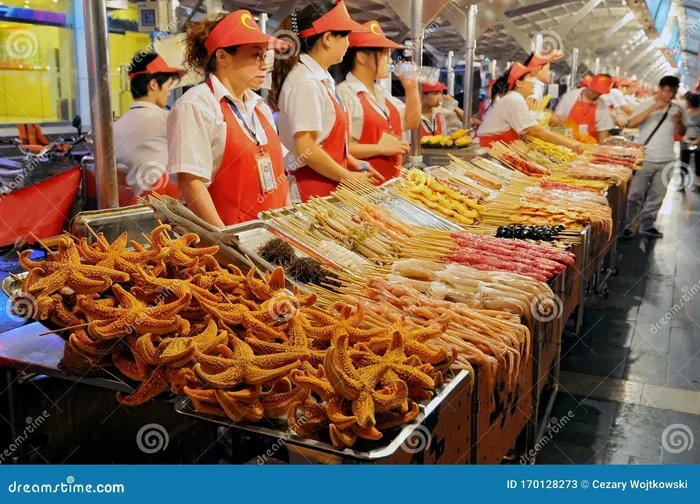

Learning how to say food in Chinese is one of the most useful skills for travelers and language lovers alike. The word for food in Chinese is shí wù, and there are many delicious terms you can add to your vocabulary. This guide covers pronunciations, phrases, and cultural tips that help you order confidently at any Chinese restaurant or market.
Have you ever walked into a Chinese restaurant and felt lost trying to read the menu? Or maybe you have traveled to China and wished you could simply ask for something to eat. Learning how to say food in Chinese opens doors to amazing meals, deeper cultural experiences, and real conversations with native speakers.
The Chinese language has a rich food vocabulary that goes far beyond just one word. From the word shí wù for food to specific terms for every meal and ingredient, there is a lot to explore. Whether you are a complete beginner or someone looking to brush up on basics, this guide will help you speak about food in Chinese with confidence.
Food is at the heart of Chinese culture. Meals are not just about eating. They are about family, tradition, and connection. When you learn how to say food in Chinese, you are also learning how Chinese people think about daily life. The language reflects the deep respect and love people have for what they eat.
Key Takeaways
- The basic word for food in Chinese is shí wù, and it is the most essential term to know first.
- Chinese food vocabulary covers meals, ingredients, and dining phrases that make real-world communication easier.
- Pronunciation matters a lot in Mandarin, so learning the tones for food words is critical.
- Knowing food-related phrases helps you navigate menus and street markets with confidence.
- Chinese food culture is deeply connected to language, and understanding this adds richness to your learning.
- Fun fact: pet food names in Chinese can be creative and playful, reflecting the culture around food.
- Practice with real scenarios like ordering at a restaurant to lock in your new vocabulary.
📑 Table of Contents
- The Basic Word for Food in Chinese
- How to Pronounce Food Words in Chinese
- Essential Chinese Food Phrases for Everyday Use
- Chinese Food Vocabulary by Category
- Quick Tips for Learning Chinese Food Words Faster
- Common Mistakes When Saying Food in Chinese
- Expert Insights on Mastering Chinese Food Vocabulary
- Conclusion
The Basic Word for Food in Chinese
The most common way to say food in Chinese is shí wù (pronounced “shir woo”). This is the general term that covers all kinds of food and meals. You can use it in almost any situation when you want to talk about eating or meals.
Here is a quick breakdown:
- Shí means food or to eat.
- Wù means substance or material.
- Shí wù together translates directly to food.
This term works in both formal and casual settings. If you are at a dinner table or reading a food label, shí wù is the word you need. It is the foundation of all Chinese food vocabulary.
Related Words You Should Know
Chinese has several related words that expand your food vocabulary quickly. Each one has a slightly different meaning and use.
- Cān – meal or dining
- Liáng shi – cooked dishes or cuisine
- Shí pǐn – food items or food products
- Yǐn liào – beverages or drinks
- Guǒ zhī – fruits
Knowing these words helps you be more specific. Instead of just saying food in Chinese, you can talk about meals, drinks, and specific ingredients. This makes your conversations much more natural.
How to Pronounce Food Words in Chinese
Pronunciation is one of the biggest challenges for English speakers learning Chinese. The good news is that food words are often short and easy to remember. The key is mastering the four tones of Mandarin.
Each syllable in Chinese has a tone that changes its meaning. The word shí wù uses the second tone on shí and the fourth tone on wù. Getting the tones right helps people understand you much better.
Tips for Better Pronunciation
Here are some quick tips to improve your pronunciation of food words:
- Practice each word slowly before speeding up.
- Listen to native speakers on apps or videos.
- Record yourself and compare with the original.
- Focus on the tone marks above vowels.
- Repeat food words daily until they feel natural.
Do not worry about sounding perfect right away. Even small improvements in tone make a big difference. Native speakers appreciate the effort, and it builds your confidence over time.
One interesting thing about Chinese food words is that many sound like what they describe. This is not the same as an in situ meaning in English, but the connection between sound and meaning in Chinese food terms can be surprisingly intuitive. The language often reflects the sensory experience of eating.
Essential Chinese Food Phrases for Everyday Use
Knowing individual words is great. But knowing full phrases helps you use them in real situations. Here are the most useful phrases when you want to talk about food in Chinese.
Ordering Food Phrases
- Wǒ yào zhège – I want this one
- Zhège duō qián – How much is this?
- Wǒ xiǎng diǎn… – I would like to order…
- Gěi wǒ yí gè – Give me one
- Méi yǒu là de – Make it not spicy
Describing Food You Like or Dislike
- Hěn hǎo chī – Very delicious
- Wǒ xǐhuān zhège – I like this
- Bù hǎo chī – Not tasty
- Tài è le – Too spicy
- Hěn tián – Very sweet
These phrases are practical and easy to start using right away. Try practicing them with a friend or by speaking out loud at home. The more you use them, the more natural they become.
Chinese Food Vocabulary by Category
Chinese food vocabulary is organized by category just like in English. Learning these categories helps you build a strong foundation step by step.
Meals and Dining
Here are the words for different meals and dining times:
- Zǎo cān – breakfast
- Wǔ cān – lunch
- Wǎn cān – dinner
- Xiǎo chī – snack or light meal
- Wǔfàn – rice or cooked meal
Notice how the word cān relates to dining and eating. This pattern shows up throughout Chinese food vocabulary. Once you recognize the pattern, learning new words becomes much easier.
Common Ingredients and Dishes
Here are some popular ingredients and dish names:
- Jīròu – meat
- Yú – fish
- Shūcài – vegetables
- Tāng – soup
- Miàn – noodles
- Bāozi – steamed buns
- Jiǎozi – dumplings
- Fàn – rice
These words are some of the most common in Chinese food conversations. You will hear them at restaurants, markets, and in everyday chat. Start with a few and add more as you go.
Chinese Food Culture and Language Connection
Chinese food culture is rich and deeply connected to the language. The way people talk about food reflects their values. For example, sharing dishes family-style is a core part of Chinese dining, and the language has specific words for this communal experience.
Chinese food vocabulary also reflects the importance of balance. Meals often include a mix of flavors, textures, and cooking methods. The language captures this through compound words and descriptive terms. When you learn how to say food in Chinese, you are also learning about how Chinese people view meals and nutrition.
Even pet owners have fun with food language. Some people look up food cat names or food hamster names for inspiration, and Chinese culture has its own playful traditions around naming pets after favorite foods. This shows how deeply food is woven into daily life and language.
Quick Tips for Learning Chinese Food Words Faster
Here are some proven strategies to help you pick up Chinese food vocabulary quickly and effectively:
1. Label Your Kitchen in Chinese
Put sticky notes on food items in your kitchen with their Chinese names. Every time you reach for something, read the label out loud. This simple habit builds strong word associations fast.
2. Watch Chinese Cooking Videos
Search for Chinese cooking videos on YouTube or other platforms. You will hear food words used in real context. This helps with both listening skills and pronunciation.
3. Cook Chinese Recipes at Home
Try cooking a simple Chinese dish and read the recipe in Chinese. Even if you only know a few words, the hands-on experience makes vocabulary stick much better.
4. Practice with Language Partners
Find a language exchange partner and practice ordering food in Chinese. Real conversations are the fastest way to build confidence and fluency.
5. Use Flashcards Daily
Apps like Anki or Quizlet let you create flashcards for Chinese food words. Short daily sessions are more effective than long study marathons.
Common Mistakes When Saying Food in Chinese
Even motivated learners make mistakes. Here are some common ones to avoid:
- Ignoring tones completely. Tones change meanings in Mandarin. Saying shí with the wrong tone could change the word entirely.
- Mixing up similar words. Words like shí wù and cān look and sound different but learners sometimes confuse them.
- Skipping pronunciation practice. Reading Chinese characters is different from speaking them. Always practice out loud.
- Learning only one word per concept. Chinese often has multiple words for the same idea. Learning variations makes you more flexible.
- Not practicing in context. Memorizing lists is less effective than using words in real sentences and situations.
Avoiding these mistakes saves you time and frustration. Focus on accuracy and real-world use from the beginning.
Expert Insights on Mastering Chinese Food Vocabulary
Language experts agree that food vocabulary is one of the most rewarding areas to study. It is practical, fun, and connects directly to daily life. One expert tip is to group words by theme rather than alphabet. Learning all the soup words together, for example, creates stronger mental connections.
Another insight is to think of Chinese food words as building blocks. Once you know the basic terms, you can combine them to create new meanings. For instance, adding the word for spicy to a dish name tells you exactly what to expect. This modular approach makes vocabulary growth faster and more intuitive.
Consistency beats intensity. Spending ten minutes a day on food vocabulary is more effective than a two-hour session once a week. Small, regular practice builds lasting memory and natural fluency.
Conclusion
Learning how to say food in Chinese is a journey that pays off every single day. From the basic word shí wù to ordering a full meal, each new word brings you closer to real communication. The vocabulary is practical, the culture is rich, and the rewards are immediate.
Start with the basic terms. Practice your pronunciation. Use phrases in real situations. Build your vocabulary by categories. And most importantly, enjoy the process. Food is one of the best reasons to learn any language, and Chinese food vocabulary is some of the most satisfying to master.
Pick one phrase today and use it. Then add another tomorrow. Before you know it, you will be talking about food in Chinese like a native speaker. The table is set, and the food is waiting.
Frequently Asked Questions
What is the easiest way to remember how to say food in Chinese?
The easiest way is to start with the word shí wù and practice it daily. Write it down, say it out loud, and use it in real conversations. Repetition and context are the best memory tools for any language learner.
Is Chinese food vocabulary hard for beginners to learn?
Not at all. Many Chinese food words are short and phonetic, making them easy to pronounce. The biggest challenge is mastering the tones, but even basic practice goes a long way. Start with a few simple words and build from there.
Can I use these food phrases when traveling to China?
Absolutely. The phrases in this guide are practical and widely understood across China. Whether you are in a restaurant, market, or street food stall, these words will help you order confidently and communicate your preferences clearly.
How many Chinese food words should I learn to feel confident?
You do not need to learn hundreds of words. Start with 15 to 20 core terms covering meals, ingredients, and basic phrases. Once you are comfortable, you can naturally expand your vocabulary by exploring related categories like desserts or cooking methods.
Are there different ways to say food in Chinese depending on the region?
Yes, Chinese has regional dialects and variations. Mandarin is the standard and most widely taught. Some regional terms for food may differ, but shí wù remains the universal and most recognized term across all of China.
What is the best resource for practicing Chinese food vocabulary?
A combination of apps, videos, and real practice works best. Use language apps for flashcards, watch Chinese cooking channels for listening practice, and try ordering food in Chinese at a local restaurant to test your skills in a real setting.



