

Learning how to say happy Sukkot is the first step toward joining one of the most joyful Jewish celebrations. Sukkot, also known as the Feast of Tabernacles, is a week-long harvest festival filled with prayers, family gatherings, and meaningful traditions. This guide covers the right Hebrew greeting, how to build a sukkah, and simple ways to celebrate with respect and joy. Whether you are Jewish or just curious, you will find everything you need to participate and share in the holiday spirit.
Sukkot is one of the most vibrant and meaningful festivals in the Jewish calendar. It is a time of joy, gratitude, and togetherness. If you have ever wondered how to say happy Sukkot or how to take part in the celebrations, you are in the right place.
This festival, also called the Feast of Tabernacles, lasts for seven days. Families build temporary outdoor shelters called sukkahs. They wave special plants known as the Four Species. And they share meals with friends, neighbors, and even spiritual guests. The whole experience is warm, welcoming, and deeply rooted in history.
Whether you are Jewish and want to refresh your knowledge, or you are new to the holiday and want to learn, this guide has you covered. We will walk through the correct greeting, the traditions, the customs, and simple ways to celebrate. By the end, you will feel confident joining in the festivities with joy and respect.
Key Takeaways
- Chag Sameach: The most common and widely used Sukkot greeting in Hebrew that means “Happy Holiday.”
- Sukkot lasts seven days: It is a joyful harvest festival that begins five days after Yom Kippur.
- Building a sukkah: A temporary outdoor booth is the central symbol of the festival and a fun family project.
- The Four Species: Lulav, etrog, hadass, and aravah are waved during prayers as a symbol of unity.
- Welcoming guests: The tradition of Ushpizin invites spiritual guests into the sukkah each night.
- Timing matters: Knowing when Sukkot starts and ends helps you plan celebrations and greetings correctly.
📑 Table of Contents
- What Is Sukkot and Why Does It Matter?
- How to Say Happy Sukkot in Hebrew and Other Languages
- How to Celebrate Sukkot the Right Way
- Sukkot Traditions and Customs You Should Know
- Common Sukkot Mistakes to Avoid
- Quick Tips for Celebrating Sukkot
- Expert Insights on Sukkot Celebrations
- Key Takeaways
- Conclusion
What Is Sukkot and Why Does It Matter?
Sukkot is a major Jewish holiday that celebrates the harvest season. It also remembers the 40 years the Israelites spent wandering in the desert after leaving Egypt. During that time, they lived in temporary shelters. Sukkot honors that journey and gives thanks for the fall harvest.
The festival is mentioned in the Torah and has been celebrated for thousands of years. It falls in the month of Tishrei on the Hebrew calendar. This usually lands in September or October on the Gregorian calendar. Sukkot comes right after the solemn Day of Atonement, known as Yom Kippur. This transition from a day of fasting to a week of joy is powerful and intentional.
The Story Behind the Festival
The story of Sukkot goes back to ancient times. After Moses led the people of Israel out of slavery in Egypt, they traveled through the wilderness. They had no permanent homes. They lived in fragile, temporary shelters. These booths reminded them of their dependence on God and the importance of faith.
Today, Jewish families around the world recreate this experience. They build small, open-air huts in their backyards, on balconies, or in community spaces. These sukkahs have roofs made of natural materials like branches and leaves. They remind everyone that true security comes from faith, not from walls.
When Is Sukkot Celebrated?
Sukkot begins on the 15th day of Tishrei. The holiday lasts for seven days. The first two days and the last two days are full festival days. The middle days are called Chol HaMoed, which means the “festival weekdays.”
On the seventh day, there is a special celebration called Hoshana Rabbah. This day has its own unique prayers and traditions. Right after Sukkot ends, two more holidays follow. Shemini Atzeret and Simchat Torah mark the close of the holiday season. Together, these days form a beautiful and continuous period of spiritual reflection and joy.
How to Say Happy Sukkot in Hebrew and Other Languages
The most important part of how to say happy Sukkot is knowing the right greeting. In Hebrew, the standard way to wish someone a happy Sukkot is simple and warm. It is a phrase that people of all ages and backgrounds use with ease.
The Traditional Hebrew Greeting
The most common Sukkot greeting is Chag Sameach. This phrase means “Happy Holiday” in Hebrew. You can use it for Sukkot, Passover, Shavuot, and other Jewish festivals. It works perfectly as a general holiday wish.
Another popular greeting during Sukkot specifically is Chag Sukkot Sameach. This translates directly to “Happy Sukkot Holiday.” It is a bit more specific and shows that you know the name of the festival. Both phrases are widely understood and appreciated.
Some people also say Moed Simach, which means “Festival Joy.” This greeting is less common but still correct and meaningful. You can choose whichever feels most natural to you. The sincerity behind the words matters more than the exact phrase.
Sukkot Greetings in Other Languages
Hebrew is the primary language for Sukkot greetings. But Jewish communities around the world have their own traditions. In Yiddish, you might hear Gezunt Moed, which is a warm and traditional way to wish someone well during the festival.
In Sephardic communities, people may use Ladino variations of holiday greetings. And in modern Hebrew, many Israelis simply say Chag Sukkot Sameach with a smile. The beauty of this holiday is that the greeting is universal. A kind word spoken with genuine warmth will always be received with joy.
If someone greets you with Chag Sameach, the perfect response is to say it back. You can also add Sameach, which means “happy,” to double the joy. A simple smile and a warm tone go a long way in any language.
How to Celebrate Sukkot the Right Way
Knowing how to say happy Sukkot is just the beginning. The real beauty of the festival lies in the traditions and customs that bring people together. Sukkot is a hands-on holiday. It invites you to build, to gather, to eat outdoors, and to reconnect with nature and community.
Building a Sukkah
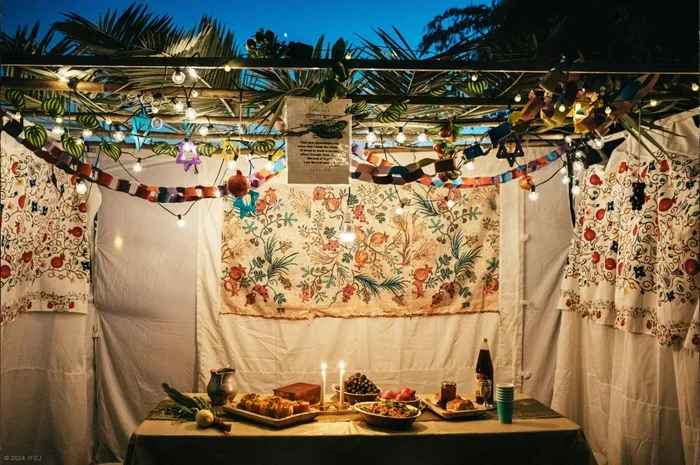
The sukkah is the centerpiece of Sukkot. It is a temporary outdoor booth with at least three walls. The roof, called the sechach, is made from natural plant materials. Branches, bamboo, and palm leaves are common choices. The roof should allow you to see the stars at night.
Building a sukkah is a family activity. Children love to help decorate the walls with artwork, lights, and hangings. Many families add posters, fruits, and gourds to make the sukkah feel festive. Some communities build large shared sukkahs where neighbors can come together for meals.
The sukkah is meant to be simple and humble. It reminds us of the fragile shelters the Israelites lived in during their desert journey. Eating meals in the sukkah is one of the most beloved Sukkot traditions. Families gather for breakfast, lunch, and dinner under the open sky.
The Four Species
One of the most important rituals of Sukkot involves the Four Species. These are four specific plants that are mentioned in the Torah:
- Lulav: A palm branch, representing the spine.
- Etrog: A citron, a type of citrus fruit, representing the heart.
- Hadass: Myrtle branches, representing the eyes.
- Aravah: Willow branches, representing the mouth.
Together, these four plants symbolize unity. Each one has a different shape and smell, but they are bound together and used as one. During morning prayers, worshippers hold the lulav and etrog and wave them in six directions. This act shows that God is present everywhere.
If you are not Jewish or do not have the Four Species, you can still participate in the spirit of the ritual. You can learn about the symbolism, watch the waving ceremony, or simply appreciate the beauty of the tradition.
Ushpizin: Welcoming Spiritual Guests
A beautiful Sukkot custom is the tradition of Ushpizin. This is the practice of inviting spiritual guests into the sukkah each night of the festival. These guests are the seven forefathers and foremothers of the Jewish people. They include Abraham, Isaac, Jacob, Moses, Aaron, Joseph, and David.
Each night, a different set of guests is welcomed. Families often read about the virtues of each guest and reflect on how those qualities can guide their own lives. Some Sephardic communities also include Ushpizin for female spiritual leaders, adding a rich layer of inclusivity to the tradition.
This practice teaches the importance of hospitality. The sukkah is open on all sides. It has no locked doors. Anyone who is hungry or in need is welcome to come in for a meal. This open-door spirit is one of the most powerful lessons of Sukkot.
Sukkot Traditions and Customs You Should Know
Sukkot traditions go beyond building a booth and waving plants. The festival is filled with music, prayer, and community events. Understanding these customs helps you fully appreciate the depth and beauty of the holiday.
Prayers and Blessings
Special prayers are recited during Sukkot. The Sukkot blessings include the blessing over the Four Species and the blessing for dwelling in the sukkah. These prayers are short but deeply meaningful. They connect the person praying to thousands of years of tradition.
The Hallel is a collection of psalms sung or recited during Sukkot prayers. It is a joyful expression of praise and gratitude. Many communities sing Hallel together, creating a sense of unity and shared purpose.
Singing and Dancing
Sukkot is a happy, celebratory holiday. Music and dancing play a big role in the festivities. One of the most famous traditions is Simchat Beit Hashoeva. This was a water-drawing celebration that took place in the ancient Temple in Jerusalem. Today, many communities hold festive gatherings with singing, dancing, and processions.
Children especially love the celebratory atmosphere. They carry flags, sing traditional songs, and enjoy sweets and treats. The energy in the sukkah during Sukkot is infectious. Even people who are new to the holiday can feel the warmth and happiness that fills the space.
The Harvest Connection
At its core, Sukkot is a harvest festival. It is a time to give thanks for the fruits of the earth. The foods eaten during Sukkot often include seasonal produce like apples, pomegranates, squash, and honey. Many families decorate their sukkahs with fresh fruits and vegetables as a reminder of the harvest.
This connection to the earth is important. It reminds people that they are part of a natural cycle. The festival encourages gratitude for the food on the table and the land that provides it. This makes Sukkot a deeply grounding and reflective holiday.
Common Sukkot Mistakes to Avoid
Even people who love Sukkot can make small mistakes when they are new to the holiday. Here are a few common pitfalls to watch out for.
- Using the wrong greeting: Saying “Happy Sukkot” in English is fine, but knowing the Hebrew greeting adds a special touch. Use Chag Sameach or Chag Sukkot Sameach for the most authentic greeting.
- Forgetting the sukkah rules: A sukkah must have at least three walls and a roof made of natural materials. It should not have a solid roof like a regular room.
- Ignoring the Four Species: If you want to fully participate in Sukkot prayers, learning about the Four Species is essential. Each plant has a specific meaning and purpose.
- Treating Sukkot as just a harvest: While it is a harvest festival, Sukkot also carries deep spiritual meaning about faith, vulnerability, and gratitude.
- Not inviting guests: The open-door spirit of Sukkot is one of its most beautiful aspects. Sharing meals with others is a core part of the celebration.
Quick Tips for Celebrating Sukkot
Here are some simple and practical tips to help you celebrate Sukkot with confidence and joy:
- Learn the greeting before the holiday starts. Practice saying Chag Sameach so it feels natural when you use it.
- Visit a community sukkah. Many synagogues and Jewish community centers welcome visitors during Sukkot. It is a great way to experience the holiday firsthand.
- Try building a small sukkah. Even a balcony sukkah can be meaningful. Start small and let the experience grow over the years.
- Eat at least one meal in a sukkah. The blessing over the sukkah is special. Sharing a meal there creates lasting memories.
- Explore the Four Species. Visit a local market or synagogue to see and smell the lulav and etrog. Understanding what they represent adds depth to the ritual.
- Share the holiday with others. Invite friends, neighbors, or coworkers to join you for a Sukkot meal. The more, the merrier.
Expert Insights on Sukkot Celebrations
Rabbi David Cohen, a community leader with over 20 years of experience, shares this thought about Sukkot:
“Sukkot teaches us that happiness does not come from permanent structures or material security. It comes from faith, community, and gratitude. When we sit in a sukkah with the stars above us, we remember what truly matters.”
This wisdom captures the heart of the festival. Sukkot is not just about rituals and customs. It is about shifting your perspective. It is about feeling grateful for what you have and opening your door to others. That message is universal and timeless.
Another community organizer, Sarah Levy, adds:
“The best way to learn how to say happy Sukkot is to say it with a smile and then show up. Come to a meal, help build a sukkah, or simply ask questions. People love to share their traditions when they see genuine interest and respect.”
These insights remind us that Sukkot is meant to be shared. It is a communal celebration that thrives on connection and warmth.
Key Takeaways
- Chag Sameach is the go-to greeting: Use this Hebrew phrase to wish someone a happy Sukkot with authenticity and warmth.
- Sukkot is a harvest festival: It celebrates the fall harvest and remembers the Israelites’ journey through the desert.
- The sukkah is central to the holiday: Building and decorating a temporary outdoor booth is a beloved family tradition.
- The Four Species are used in prayer: The lulav, etrog, hadass, and aravah symbolize unity and faith.
- Hospitality is a core value: Welcoming guests, including spiritual Ushpizin, is a key part of Sukkot joy.
- Music, food, and community matter: Singing, dancing, and sharing meals bring the festival to life.
- Sukkot follows Yom Kippur: The shift from reflection to celebration is intentional and deeply meaningful.
Conclusion
Learning how to say happy Sukkot opens the door to one of the most joyful and meaningful festivals in the Jewish calendar. The greeting Chag Sameach is simple, beautiful, and full of warmth. But Sukkot is about so much more than words. It is about building shelters, sharing meals, waving the Four Species, and welcoming guests with open arms.
Whether you are observing the holiday for the first time or the fiftieth time, Sukkot has something new to teach you. It reminds us to be grateful for the harvest, to trust in something greater than ourselves, and to open our doors to others. The sukkah, with its open roof and open doors, is a powerful symbol of humility, faith, and community.
So the next time Sukkot comes around, you will know exactly how to say happy Sukkot. You will know the traditions, the customs, and the spirit behind them. You will be ready to join in the celebrations with confidence and joy. And most importantly, you will be ready to share in the warmth that makes this festival so special. Chag Sukkot Sameach!
Frequently Asked Questions
What is the best way to say happy Sukkot?
The best way is to say Chag Sameach in Hebrew, which means “Happy Holiday.” For a more specific greeting, you can say Chag Sukkot Sameach, which directly means “Happy Sukkot Holiday.” Both are widely used and warmly received by Jewish communities around the world.
When does Sukkot start each year?
Sukkot begins on the 15th day of Tishrei in the Hebrew calendar. This usually falls in September or October on the Gregorian calendar. The holiday lasts for seven days, with the first two days and the last two days being full festival days.
Do I need to be Jewish to celebrate Sukkot?
No, Sukkot is a welcoming and inclusive festival. Many synagogues and Jewish community centers host open sukkah meals and events for people of all backgrounds. You can visit, learn about the traditions, and share in the celebration. Showing genuine interest and respect is always appreciated.
What are the Four Species used during Sukkot?
The Four Species include the lulav (palm branch), etrog (citron fruit), hadass (myrtle branches), and aravah (willow branches). These plants are held together and waved during prayers as a symbol of unity and gratitude. Each plant represents a different part of the human experience.
Can I build a sukkah on my own?
Yes, building a sukkah is a wonderful DIY project that the whole family can enjoy. A basic sukkah needs at least three walls and a roof made of natural plant materials. You can find many guides and tutorials online to help you get started. Keep it simple, have fun, and let the process bring you closer to the holiday spirit.
What is the Ushpizin tradition?
Ushpizin is the tradition of inviting spiritual guests into the sukkah each night of Sukkot. These guests are the seven forefathers and foremothers of the Jewish people, including Abraham, Isaac, and Jacob. The practice teaches the importance of hospitality and reflection. It is a beautiful way to connect with the deeper meaning of the festival.
=== CONCLUSION ===
Learning how to say happy Sukkot is the first step toward understanding and celebrating one of Judaism’s most joyful festivals. The greeting Chag Sameach carries centuries of tradition and warmth. But Sukkot is really about so much more than words. It is about building sukkahs, sharing meals, waving the Four Species, and opening your heart and home to others. The festival brings families and communities together in a spirit of gratitude, faith, and joy. Whether you are Jewish or simply curious, Sukkot offers a beautiful opportunity to connect with nature, with history, and with the people around you. So when the festival arrives, say Chag Sukkot Sameach with a full heart, and step into the sukkah with curiosity and joy. The warmth of this celebration will stay with you long after the holiday ends.



