

Learning how to say is in German is one of the first steps every beginner should take. The German word for is is sein, and it works differently than the English version. This guide walks you through conjugation, sentence examples, and common mistakes so you can speak German with confidence.
Everything You Need to Know About How to Say Is in German
Have you ever wondered how to say is in German? If you are just starting to learn the German language, this question probably came up early. The word is might seem simple in English. But in German, things work a little differently. The verb you need is sein. It means is, am, are, was, and were. That is a big job for one small word.
Understanding how to use sein properly will change the way you speak German. It is the backbone of almost every sentence you will ever build. Whether you are talking about yourself, your friends, or even your German Shepherd dog names, you will need this verb. In this guide, we break everything down in a simple and fun way. You will learn conjugation, sentence structure, and common pitfalls. Let us get started.
Key Takeaways
- Sein is the German word for is: It is one of the most important verbs in the German language.
- Conjugation changes with the subject: Each pronoun has a different form of sein.
- Word order matters: German sentence structure flips the verb position compared to English.
- Common mistakes are easy to avoid: With practice, you will master the basics quickly.
- Context changes meaning: Understanding the in situ meaning of words helps you use them correctly.
- Practice with real examples: Using the verb in everyday sentences builds fluency faster than memorizing rules alone.
📑 Table of Contents
- What Is the German Word for Is?
- How to Conjugate Sein in Different Tenses
- German Sentence Structure: Where Does Sein Go?
- Common Mistakes When Using Sein
- Why Context Matters: The In Situ Meaning of Words
- Quick Tips for Mastering Sein
- Comparing Sein with Other German Verbs
- How to Practice Sein in Real Conversations
- Final Thoughts on Mastering How to Say Is in German
What Is the German Word for Is?
The German word for is is sein. Pronounced like “zine” or “zone,” it is one of the most used verbs in the entire German language. In English, we have one word for is. In German, you need different forms depending on who you are talking about. This idea is called conjugation.
Think of it this way. When you say “I am,” you do not say “I is.” German works the same way. You must match the verb to the subject. This is true for all verbs, not just sein. But sein is special because it is irregular. That means it does not follow the standard patterns. Do not worry. We will walk through each form step by step.
The Basic Forms of Sein
Here are the basic forms of the verb sein in the present tense. These are the forms you will use every single day.
- ich bin — I am
- du bist — you are (informal)
- er/sie/es ist — he/she/it is
- wir sind — we are
- ihr seid — you are (plural, informal)
- sie sind — they are / you are (formal)
Notice how each pronoun has its own unique form. There is no single word that works for all of them. This might feel overwhelming at first. But once you practice a few times, it becomes second nature. The key is repetition and real-world practice.
How to Conjugate Sein in Different Tenses
German verbs change form depending on the tense. The present tense is the most common. But you will also need the past tense and future tense at some point. Let us look at how sein works across these tenses.
Present Tense
The present tense is what you use right now. It describes things that are happening or that are always true. The forms we listed above cover the present tense. Here are a few quick examples to show them in action.
- Ich bin müde. — I am tired.
- Du bist klug. — You are smart.
- Er ist groß. — He is tall.
- Wir sind bereit. — We are ready.
See how natural these sound? The word order is slightly different from English. The verb always sits in the second position in a main clause. This is a core rule of German grammar. We will explore that more in the next section.
Past Tense
The past tense of sein uses the forms war and waren. These are simple and easy to remember.
- ich war — I was
- du warst — you were
- er/sie/es war — he/she/it was
- wir waren — we were
- sie waren — they were
Example sentences help a lot here. Try reading these out loud.
- Ich war glücklich. — I was happy.
- Sie waren müde. — They were tired.
Future Tense
The future tense of sein uses the auxiliary verb werden plus the infinitive sein. In simple terms, you say “will be” in German using werden.
- Ich werde müde sein. — I will be tired.
- Er wird groß sein. — He will be tall.
The future tense is not used as often in spoken German as it is in English. Germans tend to use the present tense when the context makes the future clear. But it is still good to know how it works.
German Sentence Structure: Where Does Sein Go?
One of the trickiest parts of learning German is word order. In English, we say “I am happy.” The subject comes first, then the verb, then the adjective. In German, the verb moves to the second position, always. This is called the verb-second rule.
When you start a sentence with a pronoun, the verb follows right after it. When you start with something else, the verb jumps to the second slot. Let us look at some examples.
- Bin ich müde? — Am I tired?
- Müde bin ich. — Tired, I am.
This might feel strange at first. But it becomes natural with practice. The verb-second rule applies to almost every German sentence. Understanding this will help you build correct sentences from day one. It also helps you avoid the common mistake of copying English word order directly into German.
Questions with Sein
Forming questions in German is straightforward with sein. You simply move the verb to the front of the sentence.
- Bist du müde? — Are you tired?
- Ist er zu Hause? — Is he at home?
- Sind wir spät dran? — Are we late?
Notice how the verb comes before the subject in questions. This is the opposite of English. Once you get used to this pattern, forming questions becomes effortless.
Common Mistakes When Using Sein
Every language learner makes mistakes. That is completely normal. But some errors happen more often than others with the verb sein. Here are the most common ones and how to avoid them.
Using the Wrong Form
The most frequent mistake is using the wrong conjugation. For example, saying “ich ist” instead of “ich bin.” Always double-check which pronoun you are using and match the verb form accordingly.
Forgetting Gender and Number Agreement
In German, nouns have gender. This affects how adjectives and articles work around sein. For instance, “Das Kind ist süß” uses ist because Kind is neuter. Paying attention to gender will help you avoid errors.
Copying English Word Order
As mentioned above, English and German sentence structures differ. Resist the urge to translate directly. Instead, learn German patterns from the start. This will save you from many headaches down the road.
Mixing Up War and Waren
The past tense forms war and waren can be confusing. War is singular. Waren is plural. A quick trick is to match the form to the subject. One person or thing uses war. Multiple people or things use waren.
Why Context Matters: The In Situ Meaning of Words
Language is not just about individual words. It is about how they fit into context. The in situ meaning of a word refers to how it functions within a specific sentence or situation. This idea is important for anyone learning a new language.
Take the word sein, for example. In one sentence, it might mean is. In another, it might mean was or am. The meaning shifts based on the surrounding words and the tense. This is true for almost every word in German. Understanding context helps you use words more accurately and naturally.
When you study vocabulary, do not just memorize translations. Study how words are used in real sentences. Read German texts. Listen to native speakers. Over time, you will start to feel the natural flow of the language. This approach works for any language, not just German.
Quick Tips for Mastering Sein
Here are some practical tips to help you master the verb sein faster.
- Practice daily. Even five minutes a day makes a big difference. Write sentences using sein every morning.
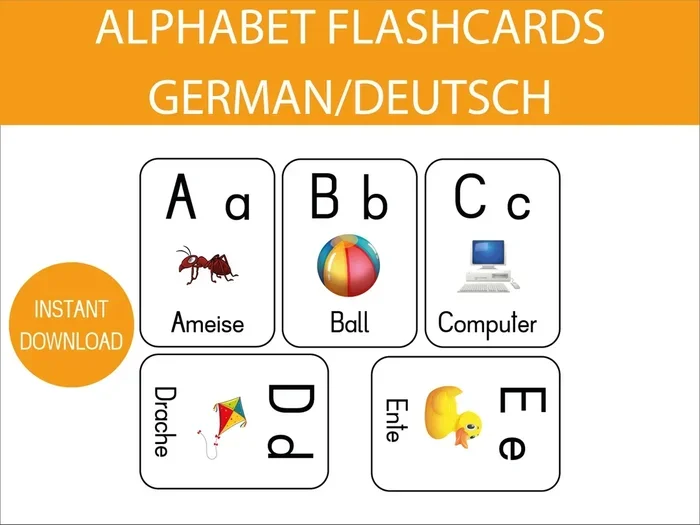
- Use flashcards. Create flashcards for each conjugation. Quiz yourself regularly.
- Listen to native speakers. Podcasts and videos are great resources. Hearing the verb in context helps you remember it.
- Speak out loud. Do not just read silently. Say the sentences out loud. This builds muscle memory for pronunciation.
- Make mistakes. Mistakes are your best teachers. Do not be afraid to get things wrong. Every error is a learning opportunity.
- Think about the meaning of life in German. If you ever need to say “What is the meaning of life” in German, you would use sein: “Was ist der Sinn des Lebens?” This kind of practice makes learning fun and relevant.
Comparing Sein with Other German Verbs
To really understand sein, it helps to compare it with other common German verbs. Not all verbs behave the same way. Sein is irregular, which means it has unique forms. Most regular verbs follow a predictable pattern.
For example, regular verbs like machen (to make) follow a standard conjugation. You add endings to the stem. But sein breaks those rules. It has its own unique set of forms. This is why it needs extra attention when you are learning.
Here is a quick comparison of sein versus a regular verb like machen in the present tense.
- Sein: ich bin, du bist, er ist, wir sind, ihr seid, sie sind
- Machen: ich mache, du machst, er macht, wir machen, ihr macht, sie machen
See the difference? The regular verb follows a clear pattern. Sein does not. But once you memorize the unique forms, using sein becomes just as easy as any other verb. The more you practice, the more automatic it will feel.
How to Practice Sein in Real Conversations
The best way to learn how to say is in German is to use it in real conversations. Find a language partner or join a German-speaking group. Practice describing yourself and others. Talk about your day, your feelings, and your surroundings.
Here are some conversation starters you can try right away.
- Ich bin Student. — I am a student.
- Bist du aus Deutschland? — Are you from Germany?
- Sie ist meine Freundin. — She is my friend.
- Wir sind bereit zum Losgehen. — We are ready to go.
Using the verb in real conversations builds confidence. It also helps you remember the forms naturally. You do not need to memorize charts forever. Just use the verb enough times, and it will stick.
Remember, every fluent speaker started as a beginner. The fact that you are learning how to say is in German puts you on the right path. Keep going, stay consistent, and enjoy the process. The German language opens doors to new cultures, friendships, and opportunities. Sein is just the beginning of an exciting journey.
Final Thoughts on Mastering How to Say Is in German
Learning a new language is a rewarding challenge. The verb sein is one of the first things you should master. It appears in almost every conversation you will have. Whether you are introducing yourself, asking questions, or describing the world around you, sein is always there.
Take your time with it. Do not rush. Practice a little bit every day. Use the tips and examples from this guide. Soon, you will be using sein without even thinking about it. That is the real goal of language learning. When the verb becomes natural, you are on your way to fluency.
The journey of learning German starts with small steps. Understanding how to say is in German is one of the most important first steps you can take. Embrace the process, stay curious, and keep building your skills every single day.
Frequently Asked Questions
What is the German word for is?
The German word for is is sein. It is one of the most essential verbs in the German language. Sein covers the meanings of is, am, are, was, and were depending on the context and tense.
How do you conjugate sein in the present tense?
The present tense forms of sein are ich bin, du bist, er/sie/es ist, wir sind, ihr seid, and sie sind. Each pronoun has its own unique form. This is because sein is an irregular verb that does not follow standard conjugation patterns.
Why is word order different in German compared to English?
German follows the verb-second rule, which means the conjugated verb always occupies the second position in a main clause. This creates a different sentence structure than English. Learning this pattern early will help you build correct sentences from the start.
What are the most common mistakes learners make with sein?
The most common mistakes include using the wrong conjugation form, forgetting gender agreement, copying English word order, and mixing up past tense forms like war and waren. Practicing regularly and listening to native speakers can help you avoid these errors.
How can I practice using sein in daily life?
You can practice by writing sentences every day, using flashcards, speaking with language partners, and listening to German podcasts. The key is consistent, daily practice. Even five minutes a day can lead to big improvements over time.
Is sein difficult to learn for beginners?
Sein is one of the first verbs beginners learn, and while it is irregular, the forms are straightforward to memorize. With a little daily practice, most learners feel comfortable using sein within the first few weeks of studying German.
=== CONCLUSION ===
Learning how to say is in German is a foundational step for any language learner. The verb sein powers countless sentences and conversations. From the present tense to the past tense, understanding its forms and usage gives you the confidence to speak German with clarity. Practice the conjugations, use real examples, and avoid the common mistakes we covered. With consistent effort, you will master sein and build a strong base for further German learning. Keep going, stay curious, and enjoy every step of your language journey.



