
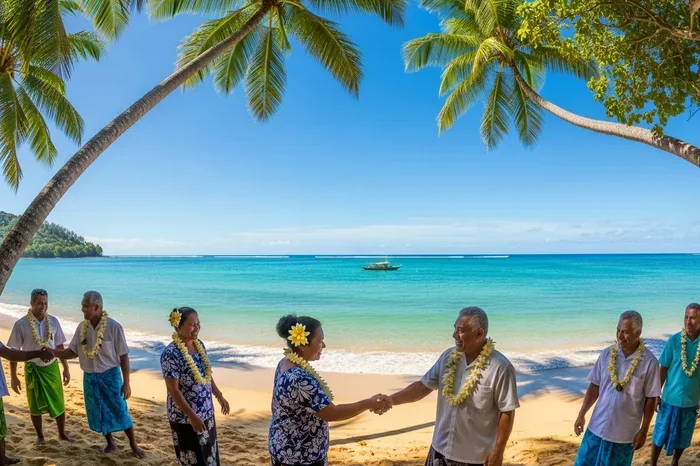

Learning how to say hello in Fijian is a wonderful way to connect with fijian people and show respect for their rich culture. The most common fijian greeting is “bula,” which carries deep meaning beyond a simple hello. This guide covers easy fijian phrases, cultural context, and practical tips so you can greet others with confidence and warmth.
Have you ever wanted to greet someone in a language that feels warm, genuine, and full of life? That is exactly what happens when you learn how to say hello in Fijian. The fijian language is beautiful, musical, and surprisingly easy to pick up. Whether you are planning a trip to the Fiji islands or simply curious about fijian culture, starting with greetings is the perfect first step.
The fijian people are known worldwide for their hospitality. When you greet someone in their language, you instantly build a bridge of connection. A simple fijian greeting can make someone smile, spark a conversation, and open doors to genuine human interaction. This article will walk you through everything you need to know about fijian greetings, from the most basic hello to phrases for special occasions.
You do not need to be fluent in the fijian language to use these phrases. In fact, most people only need a handful of words to make a great first impression. The fijian word bula alone can carry an entire conversation. Let us dive into the world of fijian greetings and discover how easy and joyful it can be to say hello the fijian way.
Key Takeaways
- Bula is the go-to fijian greeting: It means hello, welcome, and life all at once.
- Fijian greetings carry cultural depth: Understanding fijian customs makes your words more meaningful.
- Multiple phrases exist for different situations: From casual to formal, fijian language has you covered.
- Body language matters in fijian culture: A smile and respectful tone enhance any greeting.
- Learning fijian phrases is easy: Most common greetings are short and simple to pronounce.
- Respect drives fijian communication: Showing humility and warmth is at the heart of fijian hospitality.
📑 Table of Contents
Why Learning Fijian Greetings Matters
Greetings are more than just words. In many cultures, the way you say hello sets the tone for everything that follows. This is especially true in fijian culture. The fijian people place great value on respect, community, and kindness. When you greet someone in their own language, you show that you care about their traditions and their identity.
Understanding the in situ meaning of fijian greetings helps you appreciate them more deeply. Each phrase carries history, emotion, and cultural significance. It is not just about the sound of the words. It is about the spirit behind them. When you say bula, you are not just saying hello. You are wishing someone life, health, and happiness.
Here are a few reasons why learning fijian greetings is worth your time:
- It shows respect: Locals appreciate when visitors make the effort to speak their language.
- It builds trust: A warm greeting in fijian can break down barriers quickly.
- It enhances travel experiences: Speaking even a few fijian words can lead to richer, more authentic interactions.
- It is fun: Learning new words is exciting, and fijian phrases are especially joyful to say.
- It supports cultural preservation: Every time you use a fijian word, you help keep the language alive.
The Heart of Fijian Communication
Fijian communication is rooted in vanua, a concept that encompasses land, people, and spirit. When fijian people greet each other, they are reinforcing these bonds. The fijian language reflects this deep connection to community and place. Even the simplest fijian greeting carries layers of meaning that go far beyond the literal translation.
If you want to understand fijian culture on a deeper level, start with how people say hello. The fijian welcome is one of the most genuine you will find anywhere in the world. It comes from the heart, and it is meant to make every person feel valued and included.
The Most Common Way to Say Hello in Fijian
If you only learn one fijian phrase, let it be bula. This single word is the most common and widely used fijian greeting. It works in almost every situation, from meeting a stranger on the street to greeting a friend at a village gathering. The word bula literally means life, but it is used the same way we use the word hello.
When you say bula, you are really saying “life” or “hello, may you have life.” It is a beautiful sentiment that captures the fijian spirit of warmth and goodwill. You can use it anytime of the day, with anyone, in any setting.
How to Pronounce Bula
Pronouncing bula is simple. It sounds like “boo-lah.” The “b” is soft, and the “u” sounds like the “oo” in “food.” The “l” is light, and the final “a” is short and clear. Once you say it a few times, it will feel natural on your tongue.
Here are some quick tips for saying bula with confidence:
- Smile as you say it: A genuine smile makes the greeting even more powerful.
- Say it with warmth: Let your voice sound friendly and open.
- Make eye contact: This shows respect and sincerity in fijian culture.
- Use it often: The more you say bula, the more natural it will feel.
You will hear bula everywhere in Fiji. From hotels to villages, from markets to beaches, this is the universal fijian greeting. Once you say it, you will fit right in.
Other Fijian Phrases for Greeting
While bula is the king of fijian greetings, there are other phrases you can use to add variety and depth to your interactions. The fijian language has several words and phrases that work well in different contexts. Learning a few of these will help you sound more natural and show a deeper understanding of fijian culture.
Vinaka
Vinaka is another essential fijian word. While it is often used to mean “thank you,” it also works as a friendly greeting in casual settings. When you walk into a shop or greet a neighbor, a simple vinaka can go a long way. It is short, sweet, and easy to remember.
Think of vinaka as a versatile word that fits many situations. It is like saying “hey, thanks” all in one go. Fijian people love it when visitors use this word because it shows you are paying attention and willing to learn.
Bula Vinaka
If you want to make your greeting a little more formal, try bula vinaka. This phrase combines bula with vinaka to create a greeting that means “hello and thank you.” It is polite, warm, and perfect for situations where you want to show extra respect.
You might use bula vinaka when meeting someone for the first time, entering a formal setting, or greeting an elder. It is a phrase that carries weight and shows that you understand fijian values of courtesy and gratitude.
Moce
Moce is the fijian word for goodbye, but it is also used as a casual greeting in some contexts. When you are leaving a place or saying farewell, moce is the right word to use. It is simple and easy to remember.
Some fijian people also use moce when they meet someone late in the day. Think of it as a versatile word that works for both hello and goodbye, depending on the time and situation.
Yalofa
Yalofa is a fijian greeting that carries a deeper emotional tone. It is often used between close friends and family members. When you say yalofa, you are expressing love and affection. It is a heartwarming word that shows genuine care.
You would not typically use yalofa with strangers or in formal settings. Reserve it for people you know well or when you want to express a special level of warmth. It is one of those fijian phrases that makes people feel truly seen and appreciated.
Understanding Fijian Greeting Customs
Words are only part of the greeting equation in Fiji. How you say hello matters just as much as what you say. Fijian culture has specific customs around greetings that are important to understand and follow. Respecting these customs shows that you value fijian traditions and the people who hold them dear.
The Role of Body Language
In fijian culture, body language speaks volumes. When you greet someone, a warm smile is essential. A slight nod or bow of the head adds a layer of respect. Handshakes are common, but they are usually gentle and accompanied by eye contact. Some fijian people may also press their hands together near their chest as a sign of respect.
Physical contact beyond a handshake is not always common in initial greetings. It is best to wait and follow the other person’s lead. Fijian people are generally warm and approachable, but they also value personal space and boundaries.
Greeting Elders
Respecting elders is a cornerstone of fijian culture. When you greet an older person, take a moment to show extra courtesy. Use a slightly more formal phrase like bula vinaka, lower your voice, and avoid rushing the interaction. Elders are highly respected in fijian communities, and acknowledging this through your greeting goes a long way.
If you are visiting a village, greeting the chief or village elder first is considered proper etiquette. This shows that you understand and honor fijian social structures. The fijian people will appreciate your awareness and thoughtfulness.
The Importance of Community
Fijian greetings are not just between two people. They are a reflection of the community as a whole. When you greet someone in Fiji, you are also acknowledging their family, their village, and their connection to the land. The concept of vanua ties everything together, and your greeting is a small but meaningful way of honoring that bond.
This communal approach to greetings means that fijian people often greet groups rather than individuals. If you are in a room with several fijian people, greet everyone. A simple bula directed at the group will make you feel like part of the community in no time.
Fijian Phrases for Different Situations
Not all greetings are the same, and the fijian language reflects this. Different situations call for different phrases, and knowing which one to use shows cultural awareness and social intelligence. Here is a look at how fijian greetings shift depending on the context.
Casual Greetings
For everyday, informal situations, keep it simple. Bula is your best friend. It works at the market, on the beach, at a casual gathering, or when you run into someone on the street. Pair it with a smile, and you are all set.
Other casual options include vinaka and moce. These are short, easy, and effective. You do not need to overthink casual greetings in fijian. Keep it light, keep it warm, and let the words flow naturally.
Formal Greetings
In more formal settings, such as business meetings, official events, or village ceremonies, you will want to step up your language. Bula vinaka is the go-to phrase for these situations. It is polite, respectful, and appropriate for formal occasions.
If you are addressing a chief or an elder, consider adding a slight bow or a hand-over-heart gesture. These small actions show a level of respect that fijian people deeply value. Formal fijian greetings are about more than words. They are about demonstrating humility and gratitude.
Greeting Friends and Family
When you are with close friends or family, the tone can be warmer and more personal. Yalofa is perfect for these moments. It expresses love and connection in a way that a simple bula cannot quite capture.
Fijian people are generally expressive with their close ones. Do not be surprised if your fijian friends greet you with hugs, laughter, and lots of warmth. The fijian approach to greeting loved ones is heartfelt and genuine, and it is one of the most beautiful aspects of fijian culture.
Quick Tips for Mastering Fijian Greetings
Want to sound more natural when you say hello in Fijian? Here are some practical tips to help you master fijian greetings with ease and confidence.
- Practice out loud: Saying the words aloud helps you remember them and get the pronunciation right.
- Watch fijian speakers: If you have access to fijian videos or can talk to fijian people, listen carefully to how they pronounce words.
- Start with bula: It is the most versatile and widely recognized fijian greeting. Master it first.
- Use gestures: Pair your words with a smile, a nod, or a gentle wave to enhance the greeting.
- Be patient: Learning a new language takes time. Celebrate small wins and enjoy the process.
- Ask for feedback: Fijian people are generally happy to help you improve your pronunciation and usage.
- Use the phrases daily: Even if you are not in Fiji, saying fijian greetings to yourself builds familiarity and confidence.
Common Mistakes to Avoid
As you learn how to say hello in Fijian, there are a few common mistakes to watch out for. Avoiding these pitfalls will help you communicate more effectively and show greater respect for fijian culture.
- Skipping the smile: A greeting without a smile feels incomplete in fijian culture. Always pair your words with warmth.
- Being too formal too soon: Starting with overly formal language can feel stiff. Begin with simple bula and adjust as the conversation develops.
- Ignoring elders: Failing to acknowledge elders in a group is considered disrespectful in fijian culture.
- Rushing the greeting: Fijian people value unhurried, genuine interactions. Take your time with each greeting.
- Mispronouncing words: While fijian people are forgiving and appreciative of any effort, trying to pronounce words correctly shows respect.
The Beauty of Fijian Language and Culture
The fijian language is a treasure. It reflects the history, values, and spirit of the fijian people. Every word carries a story, and every greeting is an invitation to connect. When you learn how to say hello in Fijian, you are not just learning a few words. You are opening a door to a richer, more meaningful cultural experience.
The fijian people are proud of their language and their heritage. They welcome visitors who show an interest in their culture. Your effort to learn fijian greetings, no matter how small, will be noticed and appreciated. It is one of the simplest yet most powerful ways to build genuine connections with people from the Fiji islands.
As you practice these phrases, remember that language is a living thing. It grows and evolves with every person who uses it. By learning fijian greetings, you are contributing to the preservation and celebration of a beautiful language. That is a gift worth giving.
So the next time you think about how to say hello in Fijian, remember bula. Say it with a smile, say it with sincerity, and let it open the door to new friendships, deeper cultural understanding, and unforgettable experiences. The fijian way of greeting the world is a lesson we can all benefit from. Welcome to the fijian language, and welcome to a warmer, more connected way of saying hello.
Conclusion
Learning how to say hello in Fijian is easier than you might think. The word bula alone can transform your interactions and deepen your connection to fijian culture. Add a few more phrases like vinaka, bula vinaka, moce, and yalofa, and you will have a solid foundation for meaningful communication.
Fijian greetings are more than words. They are expressions of respect, warmth, and community. When you greet someone in fijian, you are sharing a piece of your heart. That is a gift that transcends language barriers and brings people together.
Start using these phrases today. Practice them, share them, and let them guide you toward richer, more authentic connections with fijian people. The fijian welcome is one of the most genuine you will ever experience, and now you are ready to receive it and give it in return.
Frequently Asked Questions
What is the most common way to say hello in Fijian?
The most common fijian greeting is bula. It means hello, welcome, and life. You can use it in almost any situation, making it the perfect starting point for learning fijian phrases.
How do you pronounce bula in Fijian?
Bula is pronounced “boo-lah.” The “b” is soft, the “oo” sounds like in “food,” and the final “lah” is short and clear. Practice saying it a few times, and it will become second nature.
Can you use bula at any time of day?
Yes, bula works at any time of day. Unlike some languages that have separate greetings for morning, afternoon, and evening, fijian uses bula universally. It is one of the most convenient fijian words for beginners.
What is the difference between bula and bula vinaka?
Bula is a simple hello, while bula vinaka adds a layer of formality and gratitude. Bula vinaka means “hello and thank you” and is best used in more formal or respectful settings.
Is the fijian language hard to learn?
Not at all. The fijian language has simple pronunciation and a manageable vocabulary. Starting with basic fijian greetings like bula and vinaka makes the learning process easy and enjoyable for beginners.
Why do fijian people value greetings so much?
Greetings in Fiji are rooted in the concept of vanua, which connects land, people, and spirit. A proper greeting reflects respect, community, and genuine care for others. It is a cornerstone of fijian culture and fijian hospitality.



