
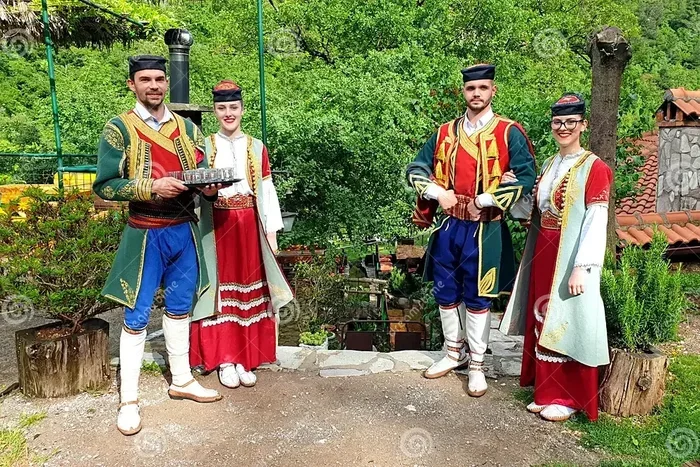

Learning how to say hello in Montenegrin opens the door to meaningful connections in the Balkans. The most common greeting is “Zdravo,” but Montenegrin offers several variations for formal and informal settings. This guide covers every hello you need, from basic pronunciation to cultural etiquette.
Key Takeaways
- Zdravo is the go-to greeting: It works in almost every situation and is the first word you should learn.
- Formal and informal greetings differ: Understanding when to use each shows respect and cultural awareness.
- Pronunciation is straightforward: Most Montenegrin hello words sound exactly as they are spelled.
- Body language matters: Handshakes, eye contact, and a warm smile are essential parts of saying hello in Montenegro.
- Regional variations exist: Different areas may use slightly different greetings based on local customs.
- Learning a few extra phrases goes a long way: Pairing your hello with “how are you” makes conversations flow naturally.
📑 Table of Contents
- The Complete Guide on How to Say Hello in Montenegrin
- The Most Common Ways to Say Hello in Montenegrin
- Formal vs Informal Greetings in Montenegrin
- Pronunciation Tips for Saying Hello in Montenegrin
- Cultural Context Behind Montenegrin Greetings
- Common Mistakes When Saying Hello in Montenegrin
- Quick Tips for Remembering Montenegrin Greetings
- Beyond Hello: Essential Phrases to Pair With Your Greeting
- Why Learning Montenegrin Greetings Matters
- Final Thoughts on Saying Hello in Montenegrin
The Complete Guide on How to Say Hello in Montenegrin
When you travel to a new country, the first thing you want to do is connect with people. And what better way to start than with a simple, warm greeting? If you are planning a trip to Montenegro or just curious about the language, learning how to say hello in Montenegrin is your first step. The Montenegrin language is rich and expressive, and even a basic greeting can make someone smile.
Montenegro sits in the heart of the Balkans, surrounded by stunning mountains and a beautiful coastline. The people are warm and welcoming, and they truly appreciate when visitors make an effort to speak their language. Whether you are a complete beginner or brushing up on your skills, this guide will walk you through everything you need to know about greeting someone in Montenegrin. We will cover the most common phrases, how to pronounce them, and when to use each one.
The word “Zdravo” might be the first thing you will learn, and for good reason. It is versatile, easy to say, and understood by nearly everyone in the country. But there is more to Montenegrin greetings than just one word. Let us dive in and explore the full picture.
The Most Common Ways to Say Hello in Montenegrin
Montenegrin greetings are simple but carry a lot of cultural weight. The language shares roots with Serbian, Croatian, and Bosnian, so you will notice some familiar words if you know any of those languages. Below are the greetings you will use most often.
Zdravo — The Universal Hello
Zdravo (pronounced “ZDRA-voh”) is the standard way to say hello in Montenegrin. It works in almost every situation. You can use it with friends, strangers, shopkeepers, and even people you meet for the first time. The word literally means “healthy” or “well,” which is a lovely sentiment behind a greeting.
Think of it like saying “hello” in English. It is your default, your safe bet. If you only learn one Montenegrin word before your trip, make it Zdravo. People will appreciate the effort, and it instantly breaks the ice.
Here are some quick tips for using Zdravo:
- Say it with a smile and direct eye contact.
- Use it when entering a shop, restaurant, or someone’s home.
- It works for both morning and evening greetings.
- Pairs well with a handshake in formal settings.
Ćao — The Casual, Friendly Hello
Another popular greeting is Ćao (pronounced “CHOW”). This one comes from Italian “ciao” and is used in informal settings. Young people and friends use it all the time. It is casual, fun, and shows a relaxed vibe. You would not use Ćao in a business meeting, but among friends, it is perfect.
The beauty of Ćao is that it feels natural and easy to say. It does not carry any formal weight, so there is no risk of offending anyone with it in casual situations. Just keep in mind that it is best reserved for people you know or when the atmosphere is relaxed.
Dobrodošli — Welcome to Montenegro
If someone is welcoming you, they might say Dobrodošli (pronounced “doh-broh-DOH-slee”). This means “welcome” and is used when greeting a guest or visitor. You might hear this at hotels, restaurants, or when visiting someone’s home for the first time.
Understanding Dobrodošli is important because it shows you are being received warmly. You can also use it yourself when welcoming someone into your space. It adds a nice personal touch to any interaction.
Formal vs Informal Greetings in Montenegrin
Like many languages, Montenegrin has different levels of formality. Knowing when to switch between them is key to sounding natural and respectful. The in situ meaning of a greeting can change depending on the setting, tone, and relationship between the speakers. Understanding this helps you choose the right words at the right time.
When to Use Formal Greetings
Formal greetings are for situations where respect matters. Think business meetings, meeting elders, or addressing someone you do not know well. In these cases, Zdravo works perfectly fine on its own. You can also add titles or use a slightly more elaborate greeting.
Here are some tips for formal greetings:
- Always use “Zdravo” with someone older than you.
- Add “Gospođo” (for women) or “Gospodine” (for men) for extra respect.
- Stand up straight and offer a firm handshake.
- Wait for the other person to set the tone before becoming casual.
When to Use Informal Greetings
Informal greetings are for friends, peers, and casual settings. This is where Ćao shines. You can also use shortened versions of Zdravo or add friendly expressions like “Evo me!” which means “Here I am!” and is a playful way to greet someone you know well.
Informal greetings in Montenegro often come with gestures. A friendly wave, a nod, or even a light pat on the back among close friends is common. The key is to read the room and match the energy of the person you are greeting.
A Quick Comparison of Formal and Informal Greetings
| Setting | Greeting | Tone |
|---|---|---|
| Business meeting | Zdravo + title | Respectful and professional |
| Meeting an elder | Zdravo + “Gospođo/Gospodine” | Polite and warm |
| Among friends | Ćao or “Evo me!” | Casual and friendly |
| Welcoming a guest | Dobrodošli | Warm and hospitable |
| First meeting | Zdravo | Neutral and open |
Pronunciation Tips for Saying Hello in Montenegrin
Pronouncing Montenegrin greetings is much easier than you might think. The language is phonetic, which means words are written exactly as they sound. Once you understand a few basic sounds, you will be able to say any greeting confidently.
Mastering the “Z” and “D” Sounds
The word Zdravo starts with a “Z” sound followed by a “D.” The “Z” is soft, like the English “z” in “zebra.” The “D” is clear and crisp. Together, “Zdr” sounds like “ZDRAH” with a slight roll at the end. The “vo” at the end rhymes with “go.”
Here is a simple breakdown:
- Zdravo = ZDRAH-voh
- Ćao = CHOW
- Dobrodošli = doh-broh-DOH-slee
Common Pronunciation Mistakes to Avoid
One common mistake is rolling the “R” too heavily. Montenegrin uses a soft “R” that is closer to a gentle tap than a strong roll. Another mistake is pronouncing the “Ć” sound like a hard “K.” It is actually closer to a soft “CH” sound, like in the English word “cheer.”
When you understand the in situ meaning of each sound, pronunciation becomes much easier. Each letter in Montenegrin carries its own weight, and once you grasp that, reading and speaking becomes intuitive.
Cultural Context Behind Montenegrin Greetings
Greetings in Montenegro are more than just words. They reflect the culture’s values of warmth, respect, and genuine human connection. When you say hello in Montenegrin, you are stepping into a tradition that values personal interaction and hospitality.
The Role of Hospitality in Montenegrin Culture
Montenegrins are known for their hospitality. When you visit someone’s home, the greeting sets the tone for the entire visit. A warm “Zdravo” accompanied by a handshake and a smile tells the host that you respect their space and appreciate their welcome. In rural areas, greetings can be even more elaborate, with multiple exchanges before getting to the purpose of the visit.
Body Language and Gestures
Body language plays a big role in how greetings are received in Montenegro. Here are some cultural notes to keep in mind:
- Eye contact shows sincerity and respect.
- A firm handshake is standard for first meetings.
- A warm smile goes a long way in any situation.
- Close physical proximity is common among friends.
- Nodding is a natural part of greeting someone you pass on the street.
Understanding these cultural nuances helps you not just say hello but truly connect with people. The in situ meaning of a greeting in Montenegro includes the tone of voice, the facial expression, and even the timing of when you deliver it.
Regional Differences in Greetings
Montenegro is a small country, but regional differences do exist. In coastal towns like Kotor and Budva, you might hear more Italian-influenced greetings like Ćao due to historical ties. In the northern mountain regions, greetings may feel more traditional and reserved. These variations add richness to the language and give visitors a deeper appreciation of Montenegrin culture.
Common Mistakes When Saying Hello in Montenegrin
Even the most eager language learners make mistakes. Here are some common ones to watch out for when greeting people in Montenegrin.
Using the Wrong Level of Formality
One of the biggest mistakes is using an informal greeting in a formal setting. Saying Ćao to a business partner or an elder can come across as disrespectful. Always start with Zdravo and let the other person guide the tone of the conversation.
Mispronouncing Key Words
While Montenegrin pronunciation is fairly straightforward, getting the “Ć” and “Č” sounds wrong is common. “Ćao” and “Čao” sound similar but are slightly different. The “Ć” is softer, closer to a “ch” sound. Take your time and listen to native speakers to get it right.
Skipping the Smile
This might seem obvious, but a greeting without a smile feels flat. Montenegrins value warmth in their interactions. Even if your pronunciation is not perfect, a genuine smile makes up for a lot. People will appreciate your effort and often help you with corrections.
Quick Tips for Remembering Montenegrin Greetings
Learning new phrases can be fun and easy with the right approach. Here are some quick tips to help you remember how to say hello in Montenegrin.
- Practice out loud every day. Repetition builds muscle memory. Say Zdravo ten times each morning.
- Watch Montenegrin videos. Listening to native speakers helps you pick up the natural rhythm and tone.
- Use flashcards. Write the greeting on one side and the pronunciation on the other. Test yourself regularly.
- Find a language partner. Even practicing with one person once a week makes a big difference.
- Immerse yourself in the culture. Listen to Montenegrin music, watch movies, or follow social media accounts in the language.
Beyond Hello: Essential Phrases to Pair With Your Greeting
Once you can say hello confidently, it is time to build on that foundation. Pairing your greeting with a few extra phrases turns a simple hello into a full conversation starter.
Here are some must-know phrases that work great after your hello:
- “Kako si?” — How are you? (informal)
- “Kako ste?” — How are you? (formal)
- “Drago mi je.” — Nice to meet you.
- “Vidimo se.” — See you later.
- “Laku noć.” — Good night.
These phrases complement your greeting and show that you are making a real effort to communicate. People in Montenegro are generally patient and encouraging when they see visitors trying to speak their language.
Why Learning Montenegrin Greetings Matters
You might wonder why it is worth learning how to say hello in Montenegrin when many people in the country speak English or Serbian. The answer is simple: effort matters. When you take the time to learn even the basics of someone’s language, you show respect for their culture and identity.
Montenegro has a unique linguistic identity. While the language shares similarities with other South Slavic languages, Montenegrins take pride in their distinct dialect, alphabet, and cultural heritage. By learning their greetings, you are acknowledging that pride and opening a door to deeper, more meaningful interactions.
Moreover, greetings set the stage for everything that follows. A good hello can lead to a friendly conversation, a helpful recommendation from a local, or even a new friendship. In a country as beautiful and culturally rich as Montenegro, you never know where a simple greeting might take you.
Start with Zdravo. Add Ćao when the moment feels right. And always remember that the most important part of any greeting is the genuine warmth behind it. With practice and confidence, you will be saying hello in Montenegrin like a pro in no time.
Final Thoughts on Saying Hello in Montenegrin
Learning how to say hello in Montenegrin is more than just memorizing a word. It is about understanding a culture, respecting traditions, and connecting with people on a human level. From the universal Zdravo to the casual Ćao, each greeting carries its own meaning and place in daily life.
Use this guide as your starting point. Practice the pronunciations, remember the cultural context, and do not be afraid to make mistakes. Every effort you make is a step toward authentic communication and a richer travel experience in Montenegro.
The next time you find yourself in a Montenegrin village, a coastal town, or a bustling city, you will be ready. Just smile, make eye contact, and say Zdravo. You will be amazed at how far a simple hello can take you.
Frequently Asked Questions
What is the easiest way to say hello in Montenegrin?
The easiest and most widely used greeting is Zdravo. It works in almost every situation, whether formal or informal, and is understood by everyone in Montenegro. Just say it with a smile and a firm handshake, and you will make a great first impression.
Is Montenegrin similar to Serbian or Croatian?
Yes, Montenegrin shares many similarities with Serbian, Croatian, and Bosnian. These are all South Slavic languages with overlapping vocabulary and grammar. However, Montenegrin has its own distinct features, including unique letters and regional expressions that set it apart.
Can I use Ćao in any situation?
Ćao is best reserved for informal settings and casual conversations with friends or peers. Using it in formal situations, with elders, or in business settings may come across as too casual. Stick to Zdravo when you are unsure of the appropriate level of formality.
How do Montenegrins typically greet each other in rural areas?
In rural areas, greetings tend to be more traditional and respectful. People may take more time with their greetings, exchanging pleasantries before getting to the main topic. A warm handshake, direct eye contact, and a genuine smile are always appreciated.
Do I need to learn the Montenegrin alphabet to greet people?
No, you do not need to learn the entire alphabet to say hello. However, familiarizing yourself with a few Montenegrin-specific letters like Ć and Č can help with pronunciation. Most greetings are phonetically spelled, so if you can read the Latin alphabet, you can pronounce them correctly.
What should I do if I make a mistake when greeting someone in Montenegrin?
Do not worry at all. Montenegrins are generally very forgiving and appreciative of any effort to speak their language. If you make a mistake, simply smile, correct yourself, and continue the conversation. Your effort alone will be well received and often leads to helpful corrections from locals.
=== CONCLUSION ===
Learning how to say hello in Montenegrin is a rewarding experience that goes beyond just words. It connects you to the culture, the people, and the beautiful country of Montenegro. Start with Zdravo, explore the casual and formal options, and always pair your greeting with a genuine smile. With the tips and phrases in this guide, you are well on your way to making a great impression every time you greet someone in Montenegrin. Practice daily, stay curious, and enjoy the journey of learning this wonderful language.



