

Learning how to say pneumonoultramicroscopicsilicovolcanoconiosis is easier than you think. This massive word refers to a real lung disease caused by inhaling volcanic silica dust. With a simple syllable-by-syllable breakdown, anyone can master its pronunciation in minutes.
Have you ever stumbled across a word so long it looked like a typo? Pneumonoultramicroscopicsilicovolcanoconiosis is that word. It sits at the top of many “longest words in English” lists, and for good reason. At 45 letters, it is a true test of any speaker’s confidence. But here is the good news. You do not need to be a doctor or a linguist to learn how to say it. With the right approach, you can break this word apart and pronounce it like a pro. This guide walks you through every step, from understanding what the word means to mastering its pronunciation with ease.
People love a good word challenge. Whether you are a spelling bee enthusiast, a trivia night regular, or just someone who enjoys pushing their vocabulary limits, this word has something for you. Beyond the novelty, pneumonoultramicroscopicsilicovolcanoconiosis represents a real medical condition that affects thousands of workers worldwide. So when you learn to say it, you are not just showing off. You are also acknowledging a genuine health concern tied to dust exposure and respiratory disease. Let us dive in and make this mountain of a word feel like a small hill.
Key Takeaways
- It is a real medical term: Pneumonoultramicroscopicsilicovolcanoconiosis describes a lung disease from inhaling microscopic silica dust.
- It has 19 syllables: Breaking it into chunks makes pronunciation manageable and less intimidating.
- The word was coined in 1935: It appeared in a medical dictionary and later gained popularity as a linguistic curiosity.
- Silicosis is the underlying condition: This disease is a serious occupational health risk for miners and construction workers.
- It is the longest word in major English dictionaries: While longer technical terms exist, this one holds the popular record.
- Practice makes perfect: Saying it slowly and repeating each syllable group helps you sound confident every time.
- Related medical terms follow similar patterns: Understanding the roots helps you decode other complex medical vocabulary.
📑 Table of Contents
What Is Pneumonoultramicroscopicsilicovolcanoconiosis?
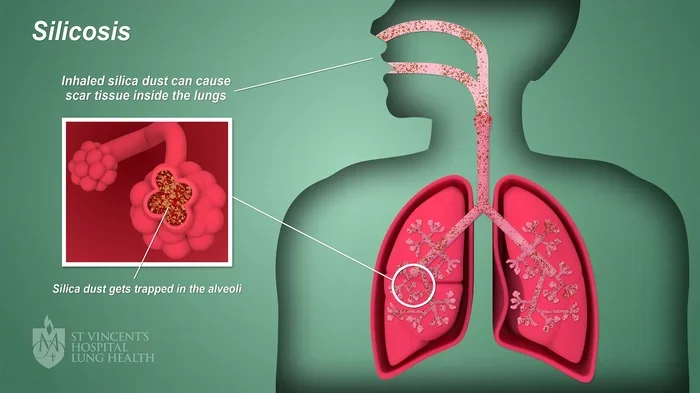
Before you tackle the pronunciation, it helps to understand what the word actually means. Pneumonoultramicroscopicsilicovolcanoconiosis is a lung disease caused by inhaling very fine silica dust, especially from volcanic sources. The condition is a specific form of silicosis, which is a broader term for lung damage from inhaling crystalline silica particles. Over time, these tiny particles settle deep in the lungs and cause inflammation, scarring, and difficulty breathing.
The Medical Background
The word itself is a combination of several root words from Greek and Latin. Let us break that down. Pneumono refers to the lungs. Ultra means beyond or extremely small. Microscopic describes particles too tiny to see with the naked eye. Silico points to silica, a common mineral found in rock and sand. Volcano connects to volcanic dust, and Coniosis refers to a type of dust-induced lung disease. Put them all together, and you get a word that describes a very specific occupational hazard. Workers in mines, quarries, and volcanic regions face the highest risk of developing this condition.
Is It a Real Disease?
Yes, it is absolutely real. Medical professionals recognize silicosis as a serious and sometimes fatal disease. The extended version of the word, pneumonoultramicroscopicsilicovolcanoconiosis, was created to be as descriptive as possible. It appeared in medical dictionaries and has been cited in medical literature as a legitimate, if rarely used, term. The disease itself causes symptoms like persistent coughing, chest tightness, and shortness of breath. In severe cases, it can lead to permanent lung damage. So while the word may sound like a tongue twister designed for fun, it represents a genuine health concern for many workers around the world.
Breaking Down the Pronunciation
The secret to saying pneumonoultramicroscopicsilicovolcanoconiosis lies in chunking. No one can say 45 letters in one smooth breath. Instead, you break the word into smaller, manageable pieces. Think of it like eating a large meal one bite at a time. Each chunk has its own natural rhythm and sound. Once you learn the chunks, stringing them together becomes second nature.
Syllable Groups Made Simple
Here is how to split the word into pronunciation groups:
- Pneu – mo – no (three syllables, starting with a soft “noo” sound)
- ul – tra (two syllables, meaning extremely small)
- mi – cro – scop – ic (four syllables, referring to microscopic size)
- sil – i – co (three syllables, pointing to silica)
- vol – ca – no (three syllables, connecting to volcanic dust)
- co – ni – o – sis (four syllables, the medical suffix for dust disease)
That gives you 19 syllables total. When you say them slowly and clearly, the word starts to feel less like a monster and more like a series of familiar sounds. The key is to not rush. Speed is not the goal here. Clarity is.
Common Pronunciation Mistakes
Many people stumble on a few specific parts of this word. The pneu at the beginning often trips people up because it starts with a silent “p.” You breathe out the “n” sound, not the “p.” Another tricky spot is silico. It sounds like “sil-ih-koh,” not “sill-ee-koh.” The coniosis ending also trips people up. It rhymes with “oh sis,” not “oh sez.” Paying attention to these small details makes a big difference in how natural you sound when you say the full word.
Why Does This Word Exist?
Words like pneumonoultramicroscopicsilicovolcanoconiosis do not just appear out of nowhere. They are built with purpose. In the medical and scientific worlds, precise language matters. A doctor needs to describe a condition with as much accuracy as possible. The more specific the term, the clearer the communication between professionals. This word was crafted to describe a very narrow type of silicosis, one caused specifically by volcanic silica dust. While most cases of silicosis come from industrial or mining exposure, volcanic regions present their own unique risks.
The Word’s Journey Into Popular Culture
The term first appeared in the Merriam-Webster Dictionary and other major English dictionaries. It was added partly because of its linguistic curiosity value. People love long words, and this one became a favorite among word enthusiasts, puzzle creators, and trivia fans. Over time, it has appeared in crossword puzzles, spelling bee word lists, and even comedy sketches. Despite its popularity as a novelty word, it remains a legitimate medical term. That duality, being both fun and serious, is part of what makes it so fascinating.
Other Long Words in English
Pneumonoultramicroscopicsilicovolcanoconiosis is not the only long word in the English language. There are other contenders that are even longer, though they are rarely used in everyday conversation. Some chemical names, for example, can stretch to over 100 letters. But when it comes to words found in standard dictionaries, this one holds a special place. It is the most widely recognized long word in the English-speaking world. Other famous long words include hippopotomonstrosesquippedaliophobia, which is the fear of long words, and supercalifragilisticexpialidocious, made famous by the movie Mary Poppins. Each of these words serves a different purpose, but pneumonoultramicroscopicsilicovolcanoconiosis stands out for its real-world medical significance.
How to Pronounce It Step by Step
Now let us get hands-on. Here is a practical guide to saying pneumonoultramicroscopicsilicovolcanoconiosis out loud. Follow these steps and repeat each one until it feels natural.
Step 1: Say the First Chunk
Start with pneu-mo-no. Say it slowly. The “p” is silent. Your voice begins with the “noo” sound. It should flow smoothly: “noo-moh-noh.” Practice this chunk a few times before moving on.
Step 2: Add the Second Chunk
Now add ul-tra. Say “noo-moh-noh ul-tra.” The “ul” sounds like “ull” and “tra” rhymes with “rah.” Keep the pace steady and even.
Step 3: Move to the Middle Section
This is the longest chunk: mi-cro-scop-ic. It sounds like “my-krah-skop-ik.” Focus on keeping each syllable distinct. Do not let them blur together.
Step 4: Add the Silica Section
Next comes sil-i-co. Say “sil-ih-koh.” The emphasis falls lightly on the middle syllable. This part connects the medical term to the mineral that causes the disease.
Step 5: Add the Volcanic Section
Now say vol-ca-no. It sounds like “vawl-kah-noh.” This chunk ties the disease to its volcanic dust origin. Make sure the “v” sound at the start is clear and strong.
Step 6: Finish with the Medical Suffix
The final chunk is co-ni-o-sis. Say “koh-nee-oh-sis.” The “oh” syllable is short and quick. The ending “sis” rhymes with “fist.” This suffix is common in medical terms that describe diseases or conditions.
Put It All Together
Now string all six chunks together. Say them slowly at first: “noo-moh-noh ul-tra my-krah-skop-ik sil-ih-koh vawl-kah-noh koh-nee-oh-sis.” Once you are comfortable, try to speed up just slightly. The goal is a smooth, confident delivery. Do not worry about sounding perfect right away. Like any skill, pronunciation improves with practice. Say the word out loud at least five times in a row, and you will notice a big difference by the fifth attempt.
Quick Tips for Mastering Difficult Words
Struggling with long words is completely normal. Here are some quick tips that help with pneumonoultramicroscopicsilicovolcanoconiosis and any other challenging word you encounter.
- Break it into chunks: Never try to say the whole word at once. Divide it into smaller groups and master each one separately.
- Use a mirror: Watch your mouth as you say each syllable. This helps you spot awkward mouth positions and fix them.
- Record yourself: Play back your recording and compare it to a dictionary pronunciation. You will catch mistakes you did not notice while speaking.
- Slow down: Speed comes naturally with practice. Start slow and let your pace increase over time.
- Practice daily: Just five minutes of pronunciation practice a day can dramatically improve your confidence with complex words.
- Use the word in context: Saying the word in a sentence, like “Did you know that pneumonoultramicroscopicsilicovolcanoconiosis is a real lung disease?” helps you remember it better.
Common Mistakes People Make
When learning how to say pneumonoultramicroscopicsilicovolcanoconiosis, certain errors pop up again and again. Being aware of these mistakes helps you avoid them.
- Pronouncing the silent “p”: The word starts with a silent “p.” Many people add a “puh” sound at the beginning, which throws off the entire rhythm.
- Rushing through the middle: The microscopicsilico section is long and easy to blur together. Take your time with each syllable.
- Skipping the “volcano” part: Some people forget the volcanic connection entirely. Remember, this word specifically refers to volcanic silica dust.
- Mispronouncing the ending: The coniosis ending is not “koh-nee-oh-zees.” It is “koh-nee-oh-sis.” The “s” sound is hard, not soft.
- Not practicing out loud: Reading the word silently does not help your pronunciation. You must say it out loud to train your mouth muscles.
Expert Insights on Complex Medical Terminology
Medical terminology follows predictable patterns once you learn the roots and suffixes. Most long medical words are built from Greek and Latin components. Once you understand these building blocks, even the most intimidating terms become approachable. For example, pneumo always refers to the lungs, silico always points to silica, and osis at the end of a word signals a disease or condition. This pattern recognition is a powerful tool for anyone studying medicine, science, or health-related fields.
Linguists also point out that long words like pneumonoultramicroscopicsilicovolcanoconiosis serve an important purpose. They capture complex ideas in a single term, reducing the need for lengthy explanations. In medical records, research papers, and clinical discussions, precision saves time and prevents misunderstandings. While most people will never use this word in daily conversation, understanding it builds a stronger foundation for reading and interpreting medical literature.
Key Takeaways
- It is a real medical term: Pneumonoultramicroscopicsilicovolcanoconiosis describes a lung disease from inhaling volcanic silica dust.
- It has 19 syllables: Breaking it into chunks makes pronunciation manageable and less intimidating.
- The word was coined in 1935: It appeared in a medical dictionary and later gained popularity as a linguistic curiosity.
- Silicosis is the underlying condition: This disease is a serious occupational health risk for miners and construction workers.
- It is the longest word in major English dictionaries: While longer technical terms exist, this one holds the popular record.
- Practice makes perfect: Saying it slowly and repeating each syllable group helps you sound confident every time.
- Related medical terms follow similar patterns: Understanding the roots helps you decode other complex medical vocabulary.
Conclusion
Learning how to say pneumonoultramicroscopicsilicovolcanoconiosis is a rewarding challenge. It pushes your pronunciation skills, expands your vocabulary, and introduces you to a real medical condition that affects workers in high-risk industries. The key is to take it one chunk at a time. Do not let the length of the word intimidate you. Every syllable follows a logical pattern, and once you see those patterns, the word becomes far less scary. Practice the six chunks, string them together, and soon you will be able to say this word with confidence and clarity. Whether you use it at a trivia night, in a classroom, or just to impress your friends, you now have the knowledge and skills to handle the longest word in English with ease.
Remember, every expert was once a beginner. The fact that you are taking the time to learn this word shows curiosity and determination. Keep pushing your boundaries, keep practicing, and keep exploring the incredible richness of the English language. You might even find yourself tackling other long words with the same confidence you have built here. The journey of a thousand syllables starts with a single breath. Take that breath, say the word out loud, and own it.
Frequently Asked Questions
What does pneumonoultramicroscopicsilicovolcanoconiosis mean?
This word describes a lung disease caused by inhaling very fine volcanic silica dust. It is a specific form of silicosis, which is inflammation and scarring of the lungs from crystalline silica particles. The condition primarily affects workers exposed to volcanic or mineral dust over long periods.
How many syllables are in pneumonoultramicroscopicsilicovolcanoconiosis?
The word has 19 syllables in total. Breaking it into six chunks makes it much easier to count and pronounce: pneu-mo-no-ul-tra-mi-cro-scop-ic-sil-i-co-vol-ca-no-co-ni-o-sis. Each chunk groups related syllables together for smoother delivery.
Is pneumonoultramicroscopicsilicovolcanoconiosis the longest word in English?
It is widely considered the longest word found in major English dictionaries. While longer technical and chemical terms exist, those are not typically included in standard dictionaries. This word holds the record for the longest dictionary-entry word in the English language.
Can silicosis be cured?
There is no cure for silicosis, but treatments can help manage symptoms and slow progression. Avoiding further dust exposure is the most important step. In severe cases, lung transplantation may be considered. Early detection and protective measures in the workplace are the best defenses against this disease.
Where did the word pneumonoultramicroscopicsilicovolcanoconiosis originate?
The word was coined in 1935 and appeared in medical dictionaries to describe a specific type of silicosis caused by volcanic silica dust. It was constructed from Greek and Latin roots to be as descriptive as possible. Over time, it gained popularity as both a medical term and a linguistic curiosity.
What are some tips for pronouncing long medical words?
Start by identifying common roots and suffixes. Most medical terms follow predictable patterns using Greek and Latin building blocks. Break the word into smaller chunks, practice each one slowly, and gradually speed up. Recording yourself and listening back is one of the most effective ways to improve pronunciation accuracy.



