
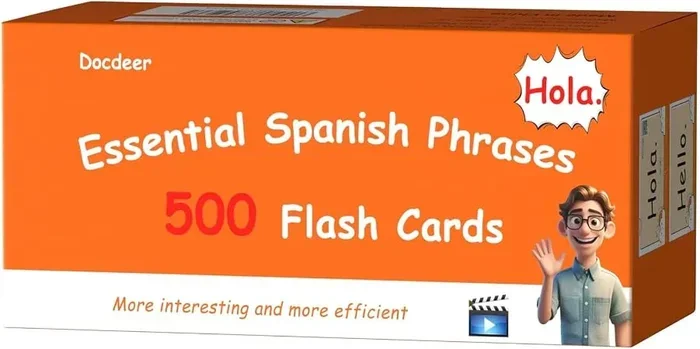

Learning how to say a little in Spanish is one of the most useful skills for any beginner. Whether you are ordering food, shopping, or just chatting with a friend, knowing the right Spanish phrases for small amounts makes a huge difference. This guide covers the most common ways to express how to say a little in Spanish, with easy examples you can use right away.
Key Takeaways
- Poco and un poco are the two most common ways to say a little in Spanish.
- Context matters — the same phrase can change meaning depending on how you use it.
- Pronunciation tips help you sound more natural when speaking Spanish.
- Real-life examples show you exactly when and how to use each phrase.
- Common mistakes can be avoided with a little practice and awareness.
- Bonus Spanish pet name ideas can make your language learning fun and creative.
📑 Table of Contents
- How to Say a Little in Spanish: A Simple Beginner’s Guide
- The Most Common Ways to Say a Little in Spanish
- How to Use These Phrases in Real-Life Situations
- Pronunciation Tips for Saying “A Little” in Spanish
- Common Mistakes When Saying “A Little” in Spanish
- Bonus: Fun Spanish Pet Names to Expand Your Vocabulary
- Why Learning “A Little” in Spanish Matters
- How to Practice Saying “A Little” in Spanish Every Day
- Final Thoughts
How to Say a Little in Spanish: A Simple Beginner’s Guide
Have you ever found yourself in a Spanish-speaking country and needed to ask for just a small amount of something? Maybe you want a little water, a little sugar, or a little time to think. Knowing how to say a little in Spanish can save you from awkward moments. It is one of those basic Spanish vocabulary essentials that every learner should have in their pocket.
The good news is that saying a little in Spanish is easier than you might think. There are a few different phrases you can use, and each one fits a slightly different situation. In this guide, we will walk you through every option step by step. You will learn the words, hear how to pronounce them, and see real examples you can use today.
Whether you are planning a trip, studying Spanish for fun, or just curious, this article has you covered. Let us dive in and explore the wonderful world of basic Spanish phrases together.
The Most Common Ways to Say a Little in Spanish
When you want to express a small amount or degree in Spanish, you have several options. Each phrase carries its own nuance and works best in specific situations. Let us break them down one by one.
Poco — The Go-To Word for “A Little”
Poco is the most direct translation of “a little” or “a bit” in Spanish. It is simple, versatile, and used by native speakers every single day. You can use it before or after a noun, and it works in both formal and casual settings.
Here are some quick examples:
- Un poco de agua — A little water
- Un poco de tiempo — A little time
- Un poco de azúcar — A little sugar
- Un poco más — A little more
Notice how un poco de always comes before the noun. This is the most natural way to say “a little of something” in Spanish. The word poco can also stand alone. For example, if someone asks how much you want, you can simply say “Poco, por favor” — meaning “A little, please.”
Un Poquito — The Diminutive and Friendly Version
Now, what if you want to sound even friendlier and more casual? That is where un poquito comes in. It is the diminutive form of un poco, which means “a little bit” or “a teensy bit.” Think of it as the Spanish equivalent of saying “just a tiny bit” in English.
Use un poquito when you want to sound warm and approachable. It is perfect for everyday conversations with friends, family, or anyone you are on friendly terms with.
- Un poquito de leche — A little bit of milk
- Un poquito más — Just a tiny bit more
- Un poquito de paciencia — A little bit of patience
Un poquito adds a layer of softness to your request. It makes you sound polite and gentle, which is always a nice touch in conversation.
Algo — Saying “A Little” in a More General Sense
Algo means “something” or “a little” in Spanish, but it is used a bit differently than poco. You use algo when you want to refer to an unspecified small amount or something vague. It is more about “some” than “a little” in the strict sense.
For example:
- ¿Quieres algo de comer? — Do you want something to eat?
- Sé algo de español — I know a little Spanish.
- Quiero algo dulce — I want something sweet.
While algo is not always a direct translation of “a little,” it is an important part of your Spanish vocabulary for beginners. It helps you express small, vague quantities naturally.
How to Use These Phrases in Real-Life Situations
Knowing the words is one thing. Using them correctly is another. Let us look at how how to say a little in Spanish works in everyday life.
At the Restaurant
Imagine you are at a café and you want just a little cream in your coffee. You can say:
“Un poco de crema, por favor.”
This is polite, clear, and exactly what a native speaker would say. If you want even less, you can say “Un poquito de crema, por favor.” The server will understand you want just a small touch.
While Shopping
Let us say you are at a market and you want to buy a little fruit. You might point and say:
“Un poco de fresas, por favor.” (A little strawberries, please.)
This is one of the most practical Spanish phrases for small amounts you will ever learn. It works in markets, stores, and anywhere you need to buy a small quantity.
In Casual Conversation
Sometimes you just want to express that you know a little or have a little time. In casual chat, you can say:
- “Hablo un poco de español.” — I speak a little Spanish.
- “Tengo un poquito de tiempo.” — I have a little bit of time.
- “¿Me das un poco de espacio?” — Can you give me a little space?
These phrases are simple but powerful. They help you navigate daily interactions with confidence and ease.
Pronunciation Tips for Saying “A Little” in Spanish
Pronunciation can make or break your confidence when speaking a new language. Here are some quick tips to help you sound natural when you say how to say a little in Spanish.
Pronouncing “Poco”
The word poco is pronounced POH-koh. The first syllable is stressed, and both syllables have a short, clear “o” sound. Do not stretch the vowels. Keep them crisp and short.
Pronouncing “Poquito”
Poquito is pronounced poh-KEE-toh. The stress falls on the second syllable. The “qui” combination makes a “kee” sound, similar to the English word “key.”
Pronouncing “Algo”
Algo is pronounced AHL-goh. The “l” is clear but soft, and the stress is on the first syllable. It is one of the easiest words in basic Spanish phrases to pronounce.
Quick Pronunciation Checklist
- Keep your vowels short and pure.
- Stress the correct syllable in each word.
- Practice saying each phrase out loud at least five times.
- Listen to native speakers online to match the rhythm.
- Do not worry about being perfect — progress matters more than perfection.
The more you practice, the more natural it will feel. Even saying these phrases to yourself while walking or driving can make a big difference over time.
Common Mistakes When Saying “A Little” in Spanish
Even the best learners make mistakes. The good news is that most of them are easy to avoid once you know what to watch out for.
Mistake 1: Confusing “Poco” with “Mucho”
Poco means “a little” while mucho means “a lot.” This is one of the most common mix-ups for beginners. Always double-check which word you need before you speak.
Mistake 2: Dropping “Un” Before “Poco”
In most cases, you should say “un poco de” rather than just “poco de.” Leaving out the un can sound unnatural or even change the meaning slightly in some contexts.
Mistake 3: Using “Poco” as a Noun Without “De”
When poco comes before a noun, it usually needs the word de after it. So say “un poco de café”, not “un poco café.” This small detail makes your Spanish sound much more natural.
Mistake 4: Overusing Diminutives
Un poquito is great for casual settings, but using it in every sentence can sound a bit repetitive. Mix it up with un poco and algo to keep your language varied and interesting.
Quick Tip: If you are unsure which phrase to use, un poco de is always a safe and correct choice. It works in almost every situation.
Bonus: Fun Spanish Pet Names to Expand Your Vocabulary
Here is a fun way to practice your Spanish vocabulary for beginners — learning names for pets in Spanish! Pets are a great topic for casual conversation, and knowing the right words can make your chats more lively and engaging.
If you love stuffed animals or cute plush toys, you might enjoy exploring pink teddy bear names to spark ideas for naming your favorite plush companions. Similarly, if you have a furry feline friend, you can check out Spanish cat names for adorable options that sound beautiful in Spanish. And for rabbit lovers, Spanish rabbit names offer a charming collection of names that pair perfectly with the Spanish language.
Learning pet names is a wonderful way to build your vocabulary naturally. You pick up new words while doing something you enjoy. It makes the whole process of how to speak Spanish feel less like studying and more like playing.
Try combining what you have learned about saying a little with these pet names. For example, you could say “Mi gato es un poquito travieso” — meaning “My cat is a little bit naughty.” Or “Mi conejo come un poco de zanahoria” — meaning “My rabbit eats a little carrot.” These small practice sentences help you retain new words and build confidence.
Why Learning “A Little” in Spanish Matters
You might wonder why such a small phrase deserves so much attention. The truth is, how to say a little in Spanish opens doors to more natural, fluid conversations. When you can express small amounts, degrees, and quantities, you move beyond simple yes-and-no exchanges.
Think about it this way. Every language has its small, humble words — the ones that do not grab headlines but hold everything together. In English, words like “a bit,” “a little,” and “somewhat” are essential. Spanish works the same way. Poco, poquito, and algo are the glue that holds your everyday conversations together.
They help you:
- Make polite requests at restaurants and stores
- Express yourself more precisely in conversation
- Sound more natural and less robotic
- Build confidence for more advanced Spanish learning
- Connect with native speakers on a deeper level
These are not small benefits. They are the building blocks of real communication. And the best part? You can start using them today.
How to Practice Saying “A Little” in Spanish Every Day
Consistency is the secret to learning any language. You do not need hours of study — just a few minutes of focused practice each day.
Easy Daily Practice Ideas
- Morning routine: Say “Un poco de café” while making your morning coffee. Say it out loud and mean it.
- Shopping practice: Next time you buy something small, mentally say “un poquito de esto” in Spanish.
- Conversation practice: Find a language partner or use a language app to practice these phrases in real dialogue.
- Flashcards: Write each phrase on a card and review them during your commute or lunch break.
- Watch and listen: Watch short Spanish videos or listen to Spanish podcasts that use these phrases in context.
The more you surround yourself with the language, the faster these phrases will become second nature. Before long, saying how to say a little in Spanish will feel as easy as saying it in English.
Final Thoughts
Learning how to say a little in Spanish is one of the simplest yet most impactful steps you can take in your language journey. Poco, un poco, un poquito, and algo are your go-to tools for expressing small amounts with confidence and clarity. They work in restaurants, shops, casual chats, and countless other situations.
Remember to practice a little every day. Do not stress about perfection. Focus on using these phrases in real life, and your confidence will grow naturally. Every fluent speaker started with small steps like these.
So go ahead — try saying un poco de español out loud right now. You might be surprised at how good it feels. The world of conversational Spanish is waiting for you, and it all starts with knowing how to say a little.
Frequently Asked Questions
What is the most common way to say a little in Spanish?
The most common way is “un poco de”. It is simple, versatile, and works in almost every situation. Native speakers use it daily in restaurants, shops, and casual conversations.
Is “poco” the same as “a little” in English?
Yes, poco directly translates to “a little” or “a bit.” However, it often needs the article “un” and the preposition “de” before a noun, making it “un poco de” in most everyday uses.
When should I use “un poquito” instead of “un poco”?
Use un poquito when you want to sound friendlier and more casual. It is the diminutive form, meaning “a tiny bit.” It works great in informal conversations with friends and family.
Can “algo” be used to mean “a little”?
Algo can mean “a little” in some contexts, but it more commonly means “something.” Use it when referring to an unspecified small amount, like “Sé algo de español” (I know a little Spanish).
How can I practice saying these phrases naturally?
Try using them in real daily situations, like ordering coffee or shopping. You can also practice with flashcards, language apps, or a conversation partner. Consistent, small practice sessions work best.
Are there any other ways to say “a little” in Spanish?
Yes, besides poco, poquito, and algo, you can also use escasamente (scarcely) or ligeramente (slightly) in more advanced contexts. But for beginners, the three main phrases are all you need.
=== CONCLUSION ===
Mastering how to say a little in Spanish is a rewarding and practical milestone for any language learner. With poco, un poco, un poquito, and algo in your toolkit, you can handle a wide range of everyday situations with ease. These basic Spanish phrases are the foundation of natural, flowing conversations. Practice them daily, use them in real life, and watch your confidence grow. The journey of a thousand miles begins with a little — and now you know exactly how to say it in Spanish.



